



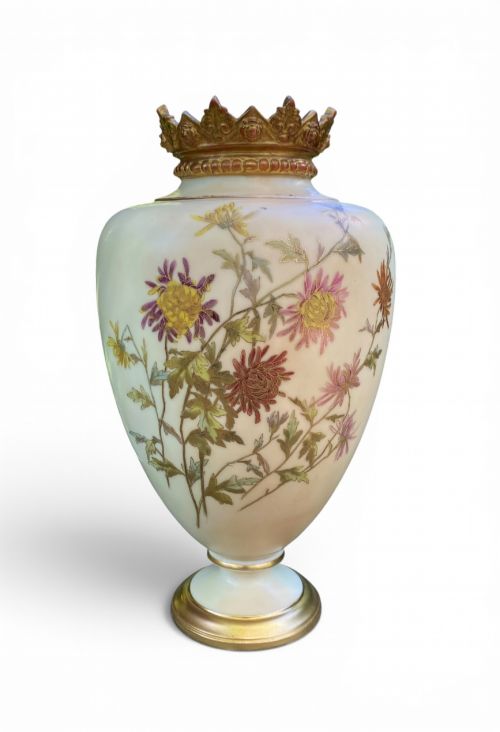
19th Century Worcester Porcelain
These 19th century worcester porcelain pieces bring Georgian and Victorian elegance to a room through finely painted ceramics and gilt vessels.
What 19th century worcester porcelain pieces are
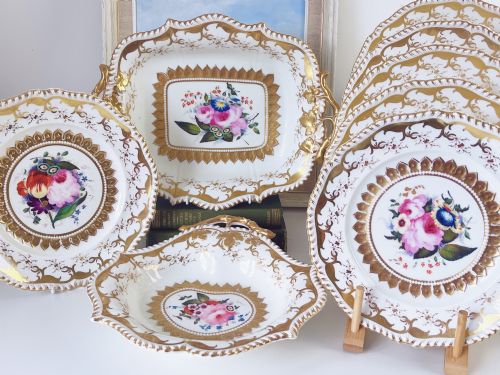
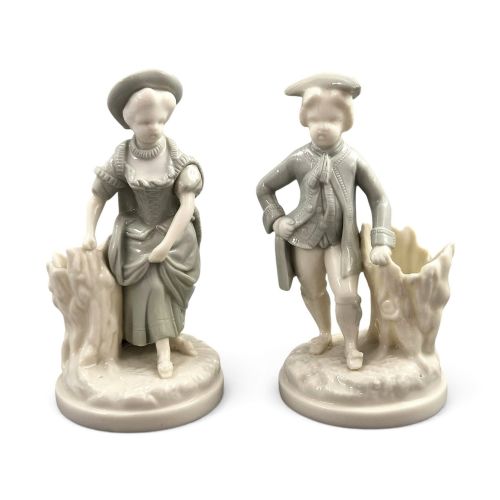
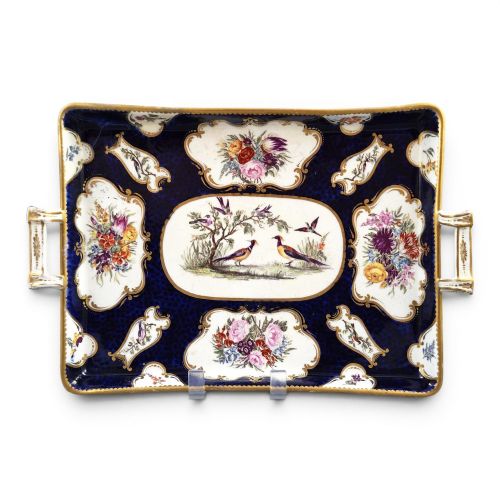
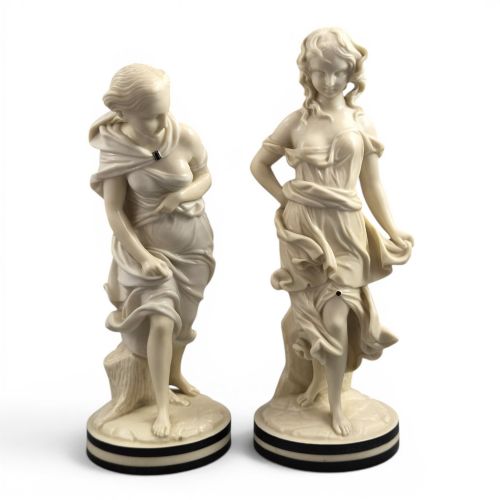
The pieces on this page frequently date from the Regency era, produced by prominent factories operating under various partnerships like Flight, Barr & Barr, alongside Chamberlain Worcester and Royal Worcester. Makers also branched into sculptural work, as seen in late Victorian figurines designed by James Hadley.
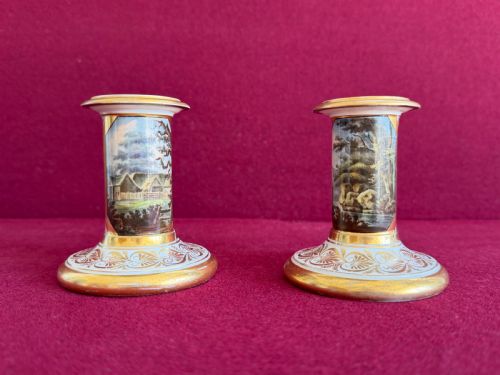
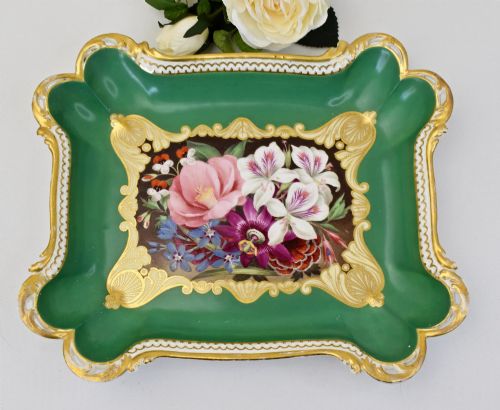
Domestic and table service items dominate the earlier decades, ranging from dragon-patterned bowls complete with mahogany stands to matching pairs of candlesticks. Later nineteenth-century examples shift towards aesthetic movement styles, Japanese influences, landscape dishes, and scent bottles.
How they were made
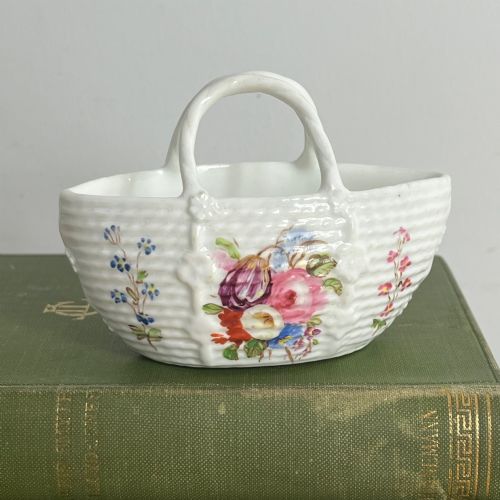
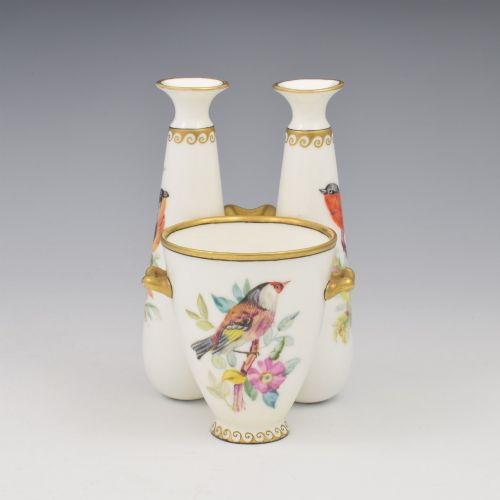
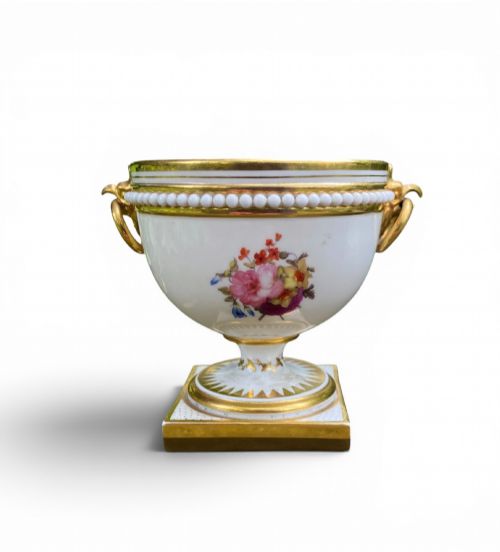
These items are fashioned from fine porcelain, shaped into intricate forms like pierced dessert baskets, figurative models, and delicate rose water sprinklers. Artisans applied hand-painted enamel colours to decorate surfaces with detailed scenes, patterns, and motifs such as traditional Japanese-inspired designs.
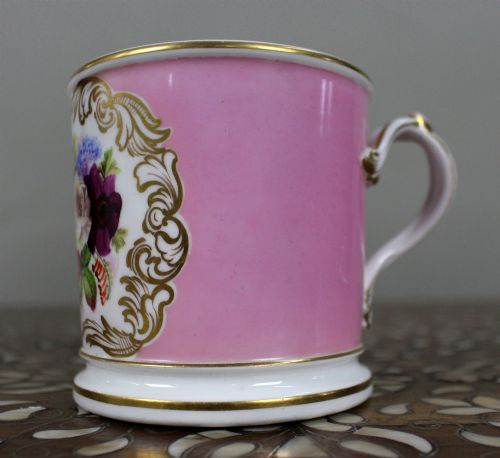
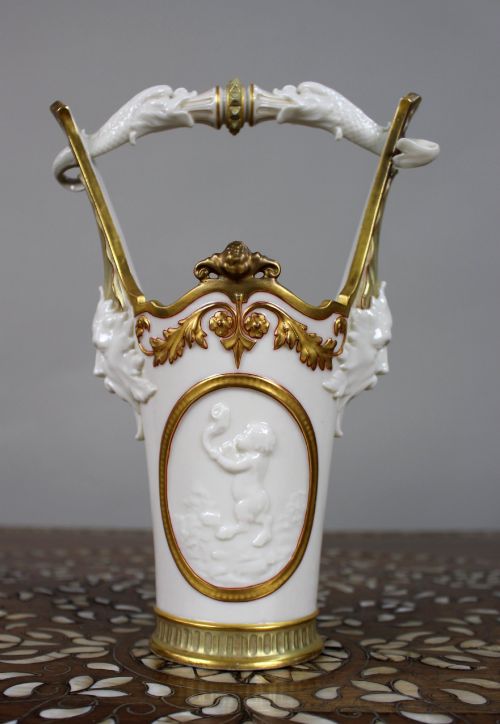
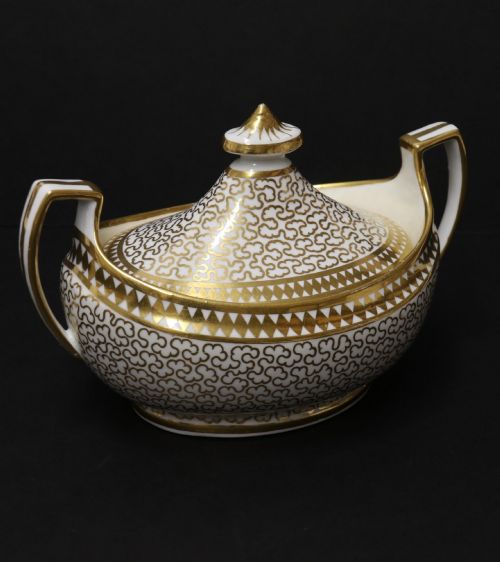
Gilding plays a major role in the decoration, utilising gold leaf and rich gilt applications to highlight rims, handles, and sculptural details. Master craftsmen combined these metallic enhancements with vibrant enamel palettes to achieve the luxurious finish characteristic of the period's leading kilns.
Retail Price Guide 2026
Typical UK retail prices for 19th century worcester porcelain, calculated from the Sellingantiques database of over a million retail prices indexed since 2003. This retail price guide relies exclusively on Sellingantiques data; no external sources or auction records are used, so the figures do not describe the wider market.
What varies in quality
The standard of these ceramics rests upon the crispness of the porcelain moulding and the precision of the hand-painted enamel work. Superior examples demonstrate a careful balance between complex gilding and delicate ceramic bodies, particularly in pierced work like dessert baskets.
Early nineteenth-century pieces benefit from meticulous brushwork and heavy gilt highlights applied by skilled studio hands. Later Victorian items derive their distinction from sculptural ambition, as seen in complex figurative modeling that captures movement and fine detail.
Barr, Flight & Barr·Flight, Barr & Barr·Chamberlain Worcester·Royal Worcester·James Hadley
The 19th Century Worcester Porcelain Glossary
- Porcelain
- A fine, white ceramic material fired at high temperatures to achieve a vitrified, non-porous body. It forms the essential base for all the decorative pieces found here.
- Gilding
- The application of gold or gold leaf to the surface of a ceramic object. This technique adds metallic lustre to rims, handles, and decorative motifs.
- Enamel
- Opaque glass-like paint fused to the porcelain surface during firing. It provides the permanent colour found on painted landscapes and decorative patterns.
- Regency
- An architectural and design period spanning the early nineteenth century. Pieces from this era often feature classical proportions and refined neoclassical ornamentation.
- Aesthetic Movement
- A late nineteenth-century design style emphasising visual beauty over narrative content. It frequently incorporated Japanese motifs and asymmetrical compositions into ceramics.
Frequently Asked Questions
What items are included in this category?
This selection includes a wide variety of ceramic items produced in Worcester during the nineteenth century. Buyers encounter everything from practical tablewares like cream tureens and dessert baskets to purely decorative pieces.
Sculptural works and smaller vessels also appear, including rose water sprinklers, scent bottles, landscape dishes, and character figurines. Many pieces reflect specific design movements of the Georgian and Victorian eras.
How do I identify a Regency piece?
Regency items typically date from the first few decades of the nineteenth century and often bear marks associated with the Flight, Barr & Barr partnership. Their design frequently incorporates classical shapes, restrained gilding, and fine enamel painting.
These domestic and decorative objects showcase the transition from Georgian formality into the more ornate tastes of the early Victorian period.
What is a rose water sprinkler?
A rose water sprinkler is a specialised vessel used historically to fragrance rooms or freshen hands during dining. They feature a narrow neck designed to control the flow of scented liquid.
In Worcester porcelain, these functional objects were treated as high-status decorative items, often enriched with delicate painting and fine gilding.
How should I display porcelain in my home?
Displaying nineteenth-century ceramics involves balancing visibility with safety, keeping pieces away from direct sunlight and areas prone to heavy vibrations. Items like bowls and tureens look striking on stable wooden surfaces, occasionally paired with period stands.
Figurines and candlesticks benefit from enclosed shelving or mantelpieces where their intricate modelling and gilt details can be appreciated up close.