


James Hadley Figurines
James Hadley figurines bring the height of Victorian and Edwardian ceramic artistry straight to a mantelpiece.
James Hadley Figurines
When a buyer searches for james hadley figurines, they look at Victorian and Edwardian works associated with the Royal Worcester factory. The pieces on this page span the nineteenth century through the early twentieth century, taking the form of figurines, candelabra, jardinieres, and decorative statuettes.
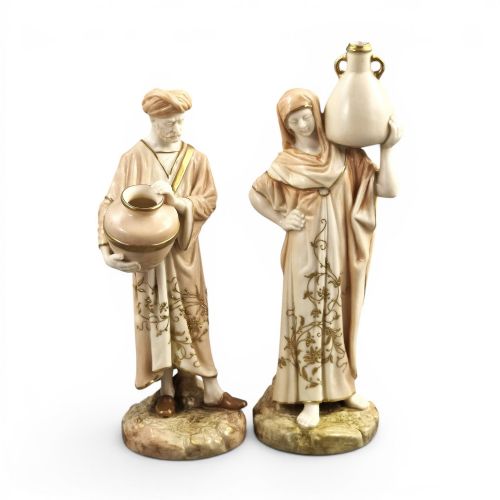
Figurines and decorative pieces dominate the selection, often depicting figures such as water carriers, musicians, and monks in elaborate attire. These creations range from single figures to matched pairs and larger centrepieces.
The origins trace directly to Hadley's work at Royal Worcester, capturing orientalist, classical revival, and aesthetic movement styles. Buyers frequently encounter iconic models like water carriers and character studies created during the Victorian and Edwardian eras.
How they were made
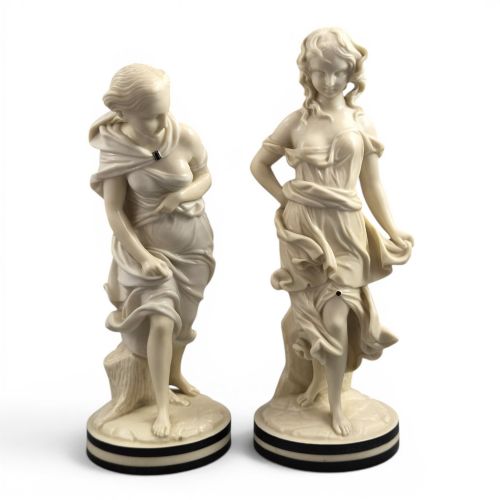
Makers utilised porcelain and parian ware as the foundational bodies for these intricate figures. These materials allowed for the delicate rendering of facial expressions and drapery.
Artisans applied blush ivory glaze, enamel, and gold leaf to accent the forms. Gilding and gilt highlights catch the light across surfaces finished with careful glaze techniques.
James Hadley Figurines Retail Price Guide 2026
Typical asking prices for james hadley figurines among the pieces listed under this phrase on Sellingantiques today, from the lower quarter to the upper quarter. They describe what is for sale here now, not the wider market.
Object forms include water carriers, Egyptian musicians, satyrs, and monks alongside standard candlesticks.
What varies in quality
The distinction between standard items and superior examples rests upon the crispness of the modelling and the precision of the hand-painting. Complex subjects like multi-figure groups or detailed orientalist costumes require greater sculptural skill than simpler single forms.
Preservation of delicate enamel work and intact gold leaf influences the standing of a piece. The subtlety of the blush ivory glaze application also marks the difference between average production and masterworks.
James Hadley·Royal Worcester
The James Hadley Figurines Glossary
- Blush ivory glaze
- A soft, matte cream-coloured ceramic glaze developed by Royal Worcester. It provides a warm background for delicate hand-painted floral and figurative decoration.
- Parian ware
- A fine-grained unglazed porcelain resembling white marble. It gained popularity in the nineteenth century for producing detailed portrait busts and figurines.
- Gilding
- The application of gold leaf or powdered gold onto the surface of porcelain. This technique highlights raised details and adds metallic warmth to the design.
- Candelabra
- Branched candlesticks designed to hold multiple candles. They often feature sculptural figurative bases in this category of ceramics.
James Hadley Figurines: Frequently Asked Questions
Who was James Hadley?
James Hadley was a chief modeller and designer working at the Royal Worcester porcelain factory during the nineteenth century. His work defined a distinct era of Victorian ceramic artistry.
He eventually established his own enterprise before his patterns continued under the main factory banner, leaving a lasting legacy in British pottery.
How do I date these figurines?
Dating relies upon factory date codes stamped or painted on the underside of the porcelain. These alphanumeric marks correspond to specific years of manufacture.
Stylistic cues such as Victorian orientalism or Edwardian neoclassical elements also help place a piece within its proper decade.
Where were these pieces produced?
Production took place primarily in Worcester, England, at the historic Royal Worcester manufactory. The factory earned a reputation for technical excellence and artistic innovation.
Items created under Hadley's direction reflect the high standards of this renowned West Midlands ceramic centre.
How should I clean my figurine?
Dust the surface gently using a soft, dry brush to prevent accumulation in intricate crevices. Avoid harsh chemical cleaners or abrasive cloths that can damage delicate enamel and gilding.
Porcelain and blush ivory finishes require careful handling to preserve their original painted details over time.