
Victorian Porcelain Figurines
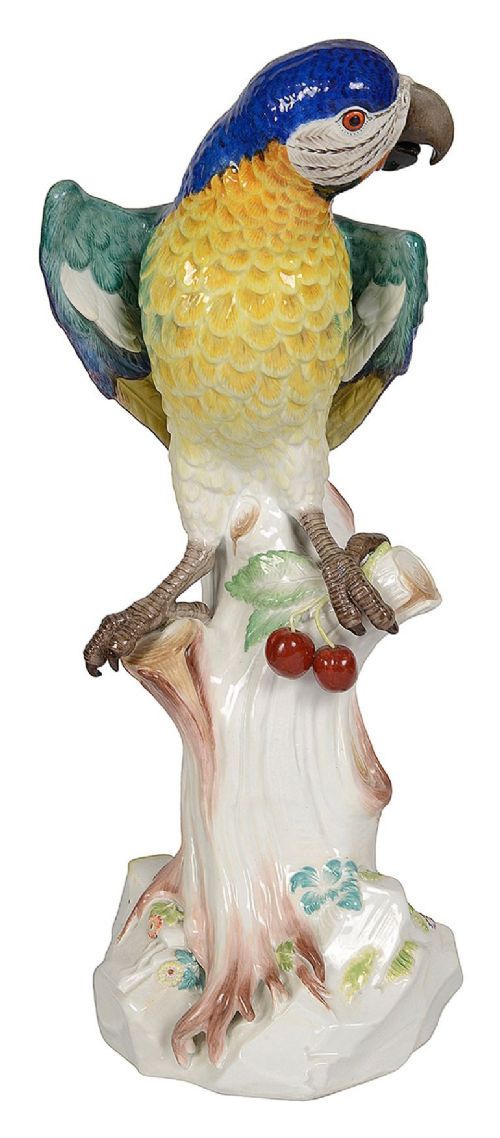
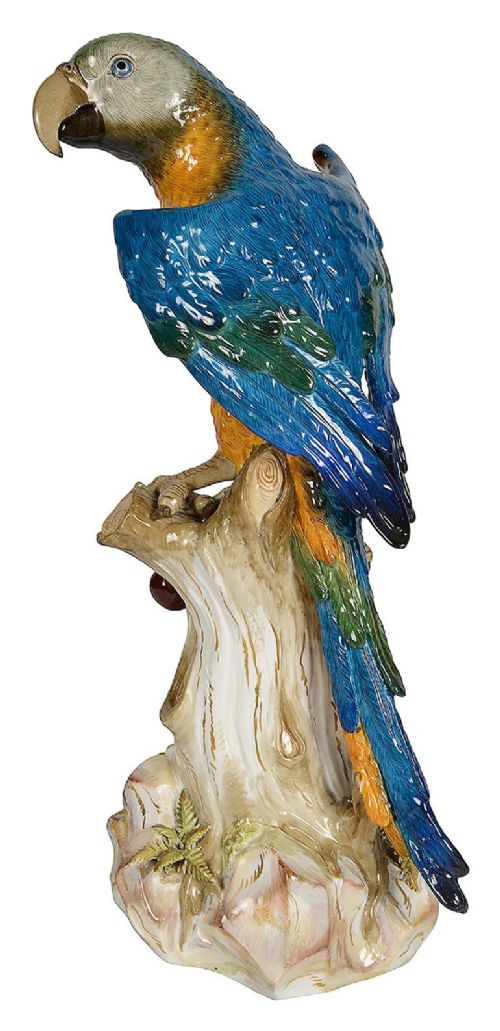
Victorian porcelain figurines bring character and period charm to a room, offering finely modelled ceramic work from the nineteenth century.
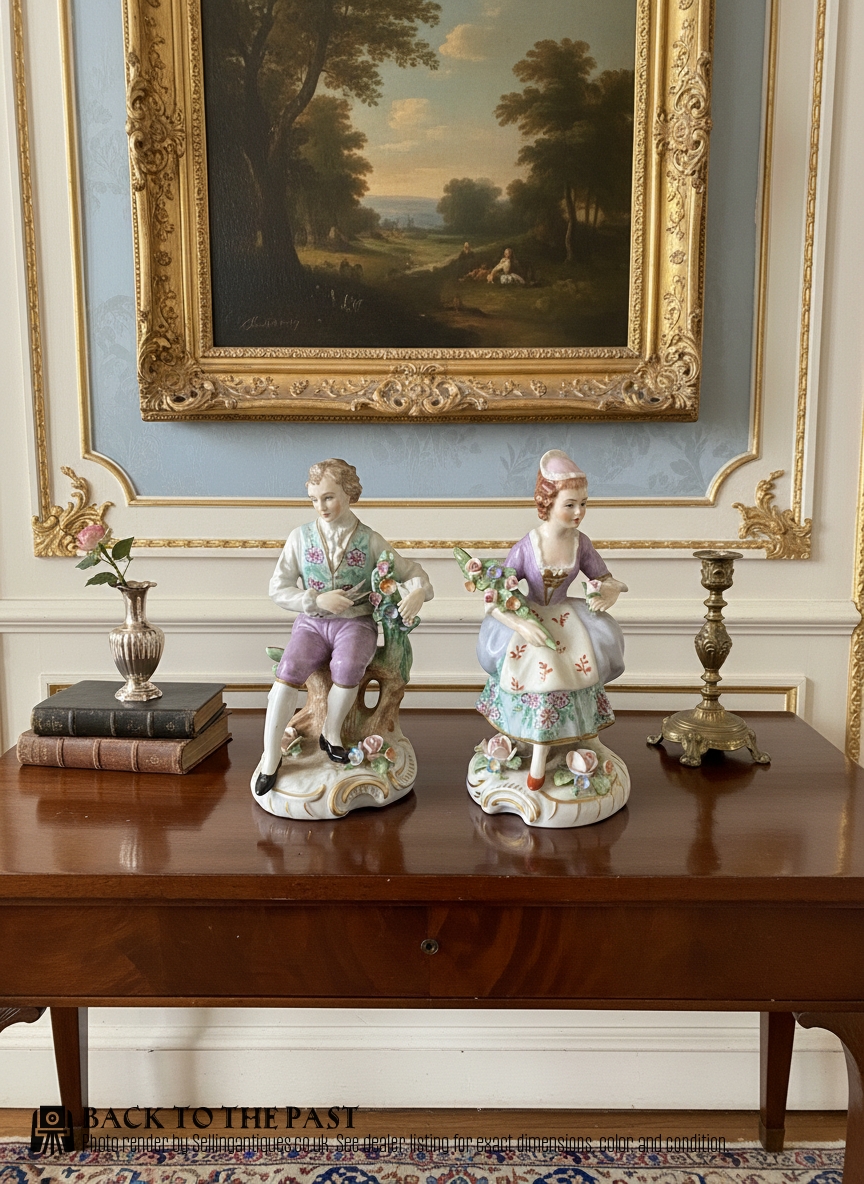
What victorian porcelain figurines are
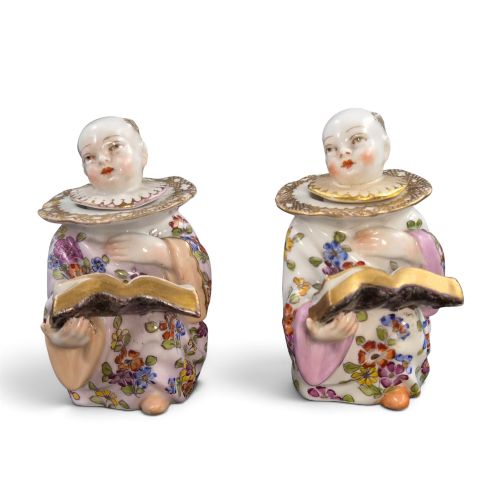
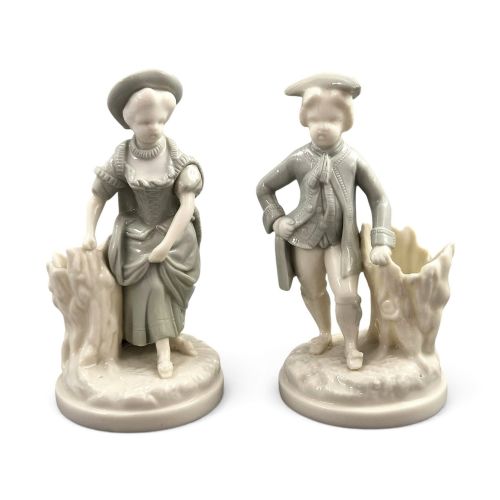
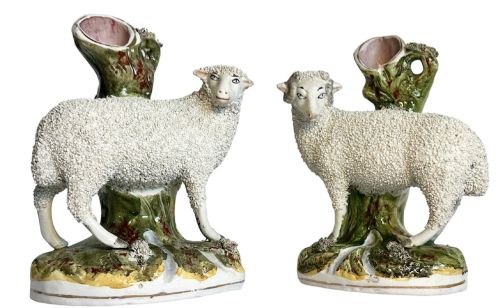
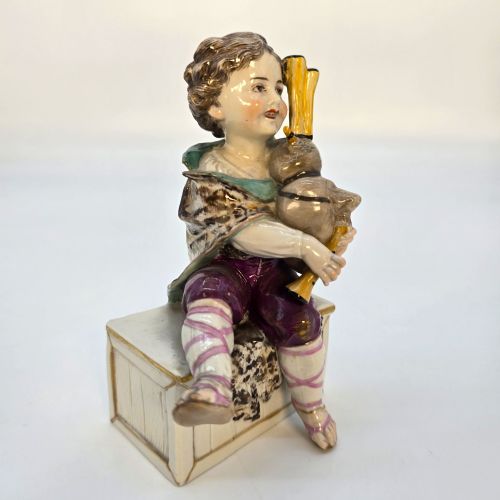
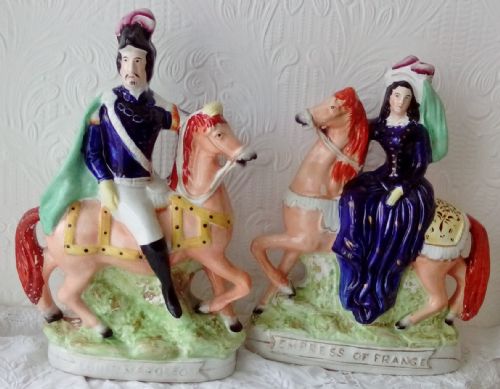
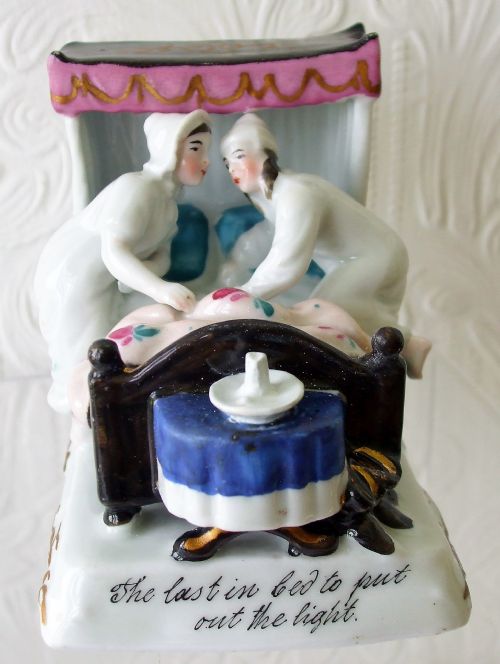
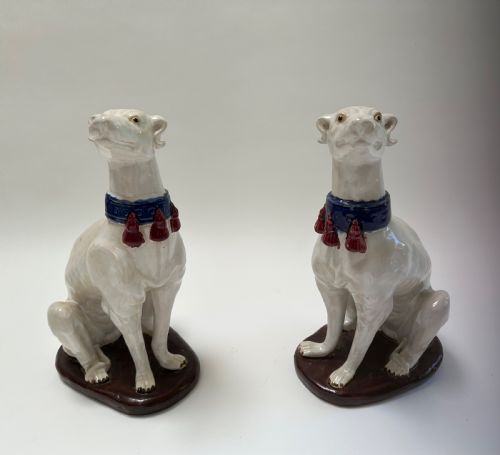
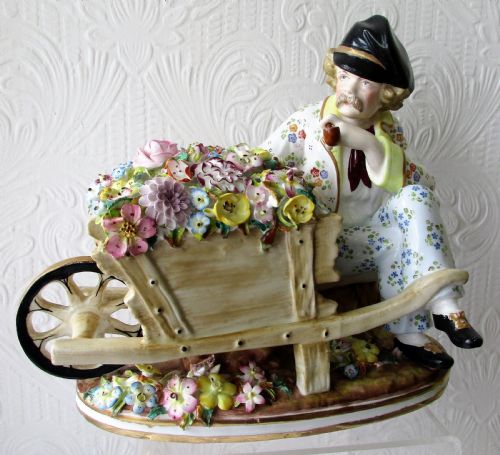
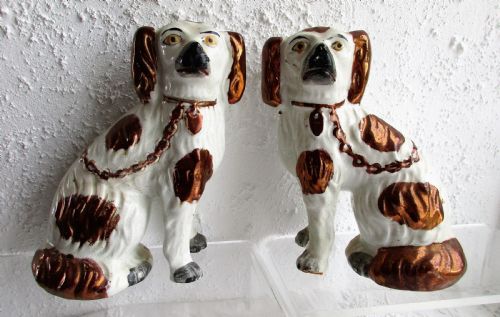
Buyers on this page most commonly encounter pairs of figures, including blanc-de-chine harvest groups, seated children with pets and rococo revival models. The selection represents work from English potteries like Royal Worcester, Minton and Staffordshire alongside continental European makers.
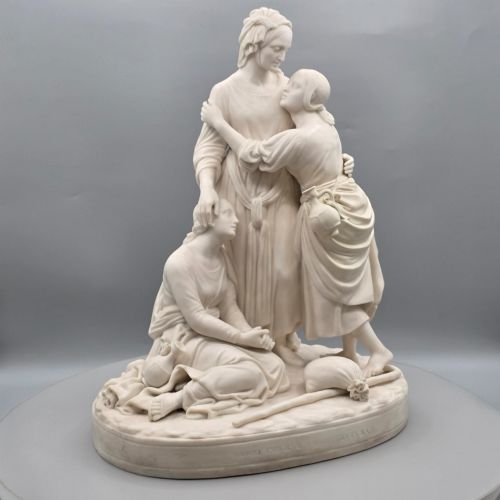
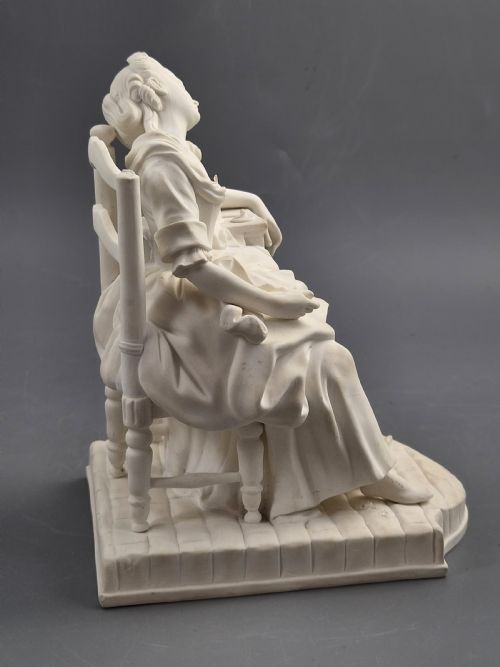
Makers utilised both glazed ceramic and unglazed bisque porcelain to achieve different surface textures, sometimes combining the white body with delicate enamel painting or gold leaf. The objects range from simple Staffordshire earthenware to finely detailed German and French figures.
How they were made
Potters shaped these figures using fine porcelain paste or ceramic clay, often casting them in multiple moulds before hand-finishing the details. Bisque porcelain remained unglazed to highlight the matte texture of the bare body, while other pieces received a clear glaze or celadon finish.
Retail Price Guide 2026
Typical UK retail prices for victorian porcelain figurines, calculated from the Sellingantiques database of over a million retail prices indexed since 2003. This retail price guide relies exclusively on Sellingantiques data; no external sources or auction records are used, so the figures do not describe the wider market.
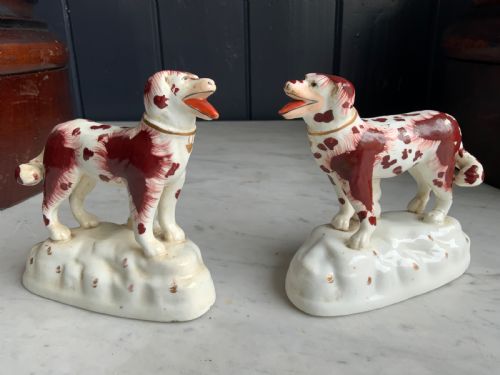
Several Victorian figures depict children and small pets, capturing mid-nineteenth-century domestic sentiment in fired clay.
What varies in quality
The refinement of the modelling distinguishes superior figures from simpler production wares, particularly in the rendering of hands, facial expressions and drapery. Skilled modellers working for established factories achieved a naturalism and fluidity that less ambitious pieces lack.
The precision of the enamel painting and the application of gilding determine the visual depth of a piece. Delicate brushwork and well-preserved gold leaf elevate the decorative impact of nineteenth-century ceramics.
Royal Worcester·Minton·Samson·Sitzendorf·Gebruder Heubach
The Victorian Porcelain Figurines Glossary
- Bisque Porcelain
- Unglazed white ceramic body fired once to create a matte, marble-like surface suitable for detailed figure modelling. This finish shows subtle contours without the reflective sheen of a transparent glaze.
- Blanc-de-Chine
- French term for white Chinese porcelain, later used to describe European white-glazed or bisque figures produced in imitation. The uniform white body emphasises the sculptural qualities of the piece.
- Gilding
- The application of gold leaf or gold paint to ceramic surfaces for decorative emphasis. It appears on clothing, bases and decorative trims.
- Rococo Revival
- A nineteenth-century design style drawing on eighteenth-century French motifs, characterised by asymmetrical curves, scrollwork and ornate bases. Figures in this style often incorporate elaborate floral and architectural elements.
Frequently Asked Questions
How do I identify nineteenth-century figures?
Examine the base and paste for factory marks, stilt marks and the texture of the ceramic body. Nineteenth-century pieces often display impressed numbers, painted maker ciphers or specific glaze characteristics typical of the period.
Compare the modelling style and clothing details with documented examples from factories like Royal Worcester or Sitzendorf to confirm the production era.
What is the difference between bisque and glazed porcelain?
Bisque porcelain is fired without a final glaze, leaving a matte, porous surface that resembles carved marble. Glazed porcelain receives a glass coating that creates a shiny finish and seals the ceramic body.
Both finishes were used during the Victorian period, sometimes combined on the same figure to contrast skin tones with shiny garments.
Where were these figures displayed in Victorian homes?
Victorian households placed porcelain figures on mantelpieces, occasional tables and within glass-fronted cabinets to demonstrate taste and refinement. Pairs of candlesticks or figural salts often served a functional role on dining tables or sideboards.
Smaller figures fitted easily onto bracket shelves and parlor furniture alongside other decorative ceramics.
How should I clean antique porcelain figures?
Dust figures gently with a soft, dry brush to remove surface particles without disturbing delicate painted details or gilding. Avoid using water or chemical cleaners, particularly on unglazed bisque surfaces that absorb moisture easily.
Handle pieces by their sturdier sections, such as the base, rather than delicate extremities like fingers or protruding ribbons.