

Antique Ceramic Dog Figurines
These antique ceramic dog figurines bring character and the quiet warmth of past centuries directly into a room.
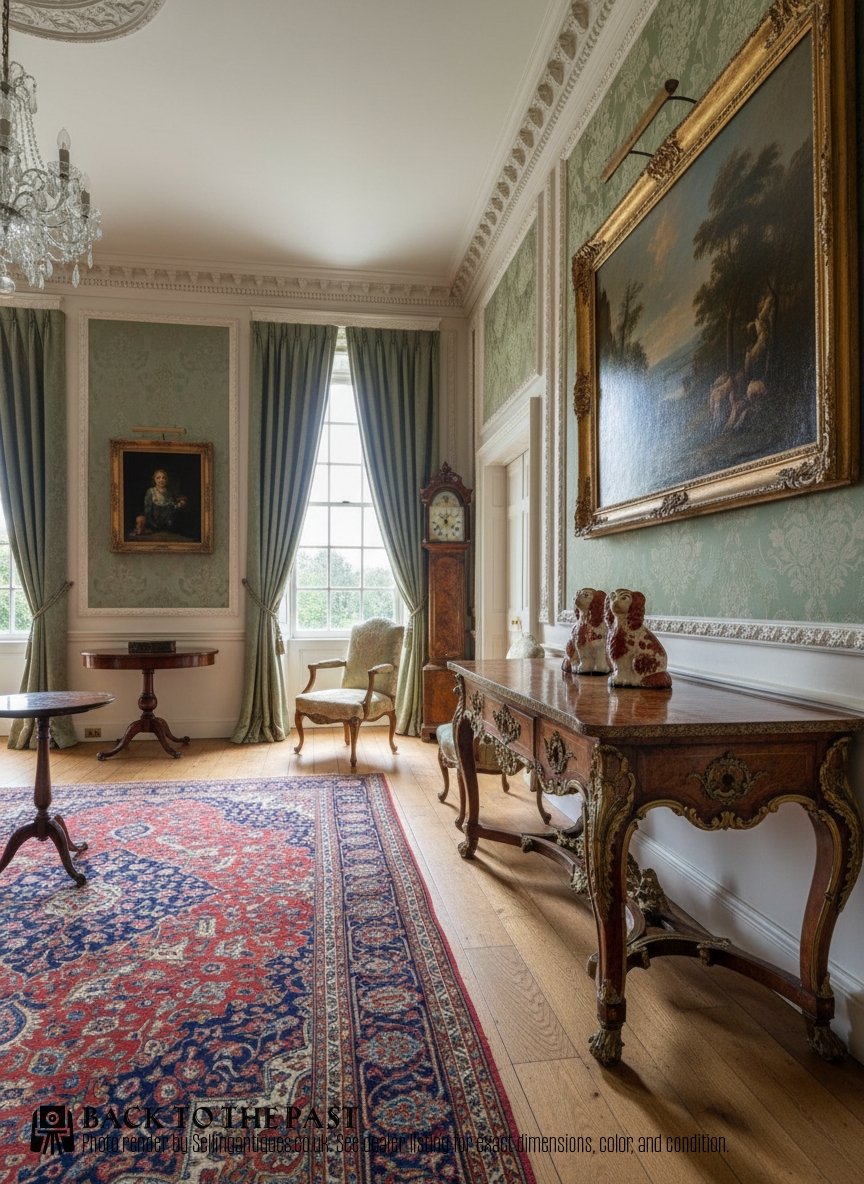
Antique Ceramic Dog Figurines
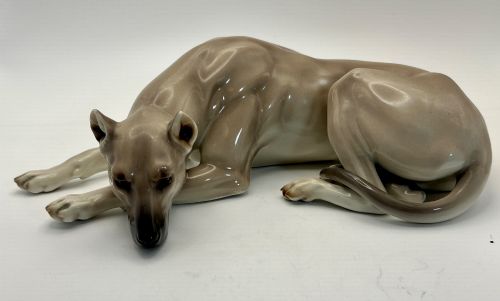
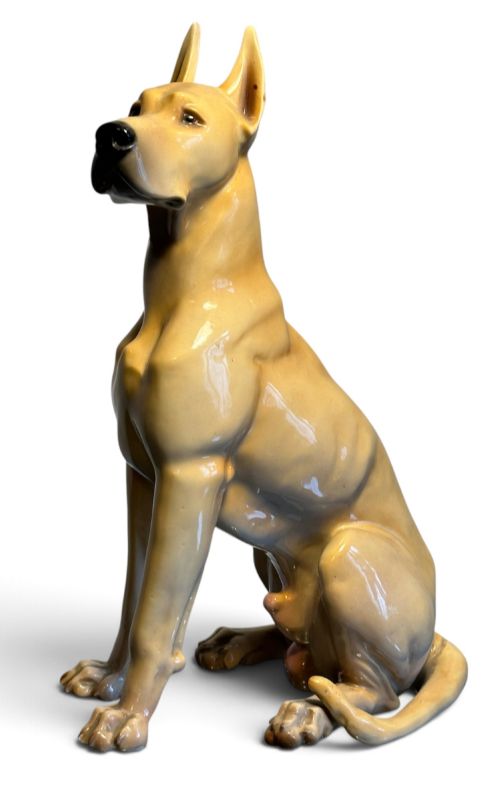
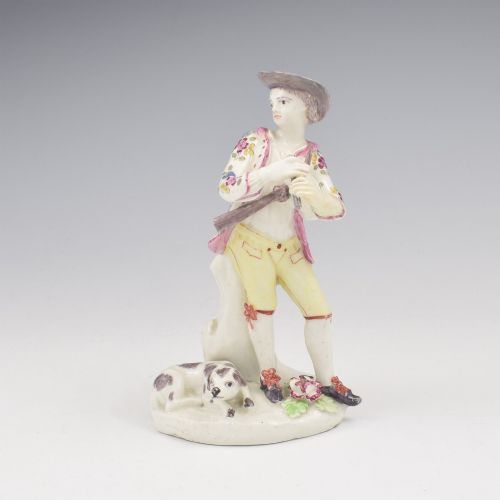
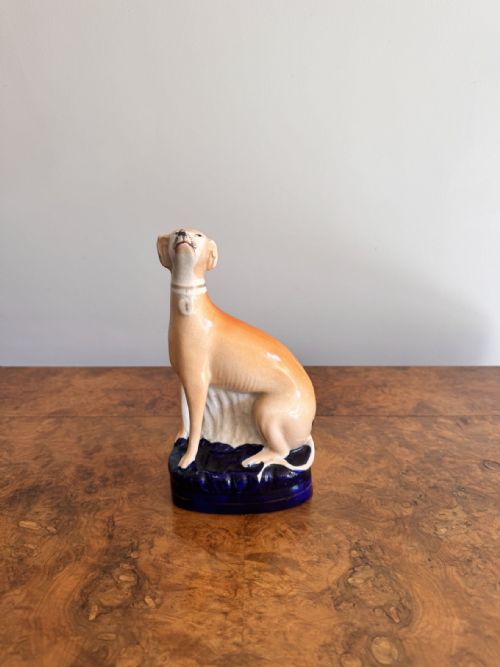
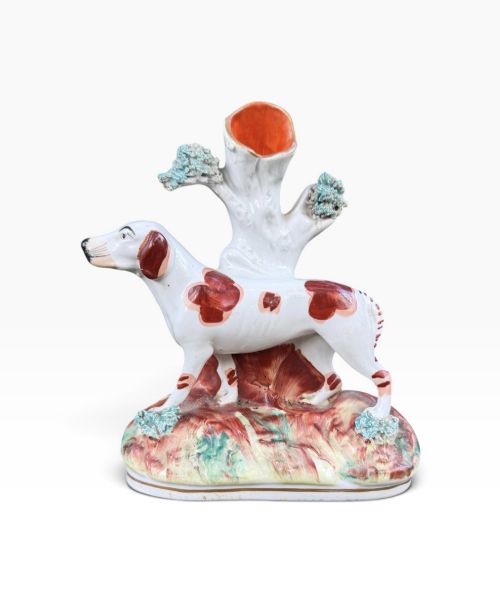
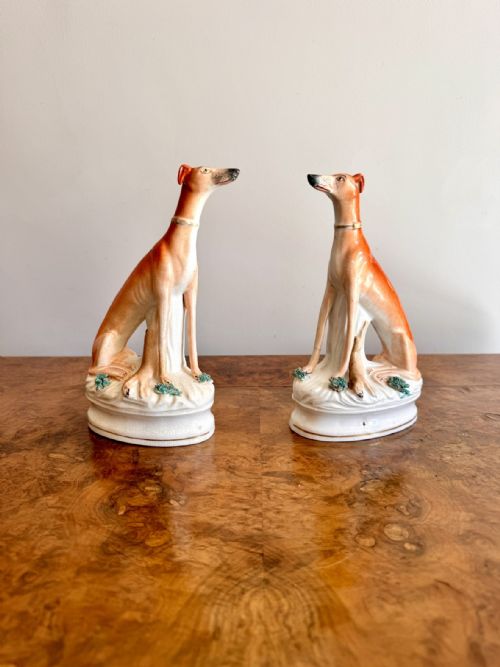
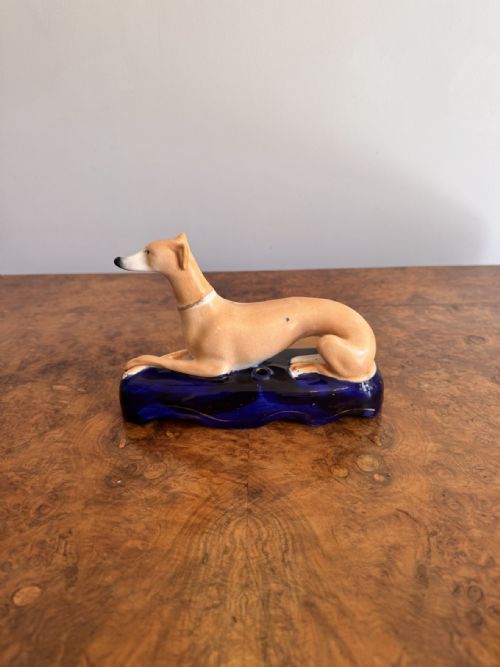
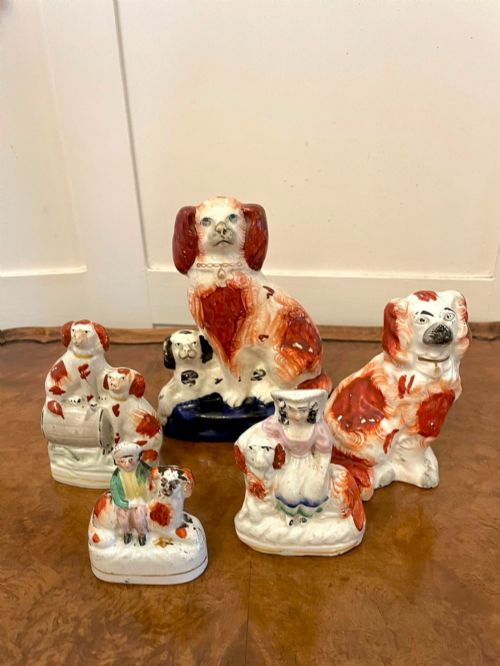
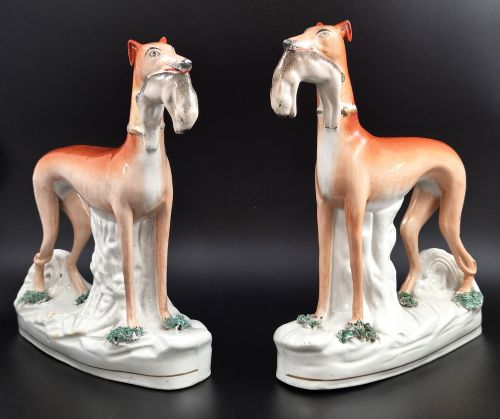
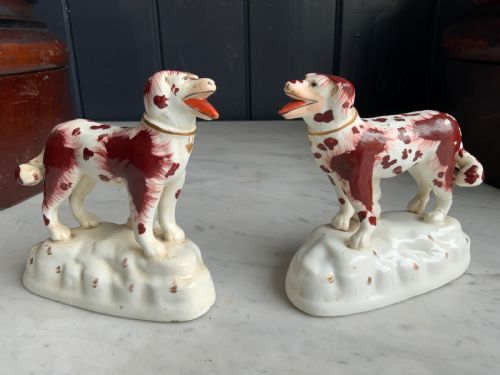
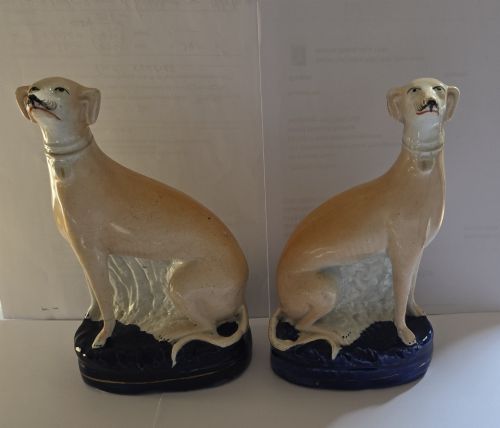
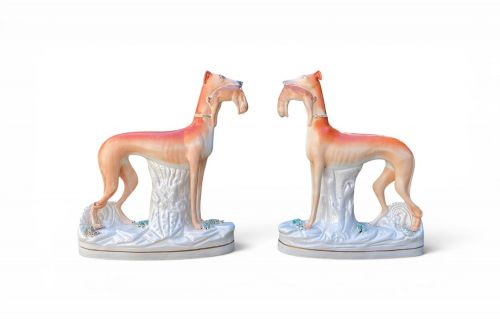
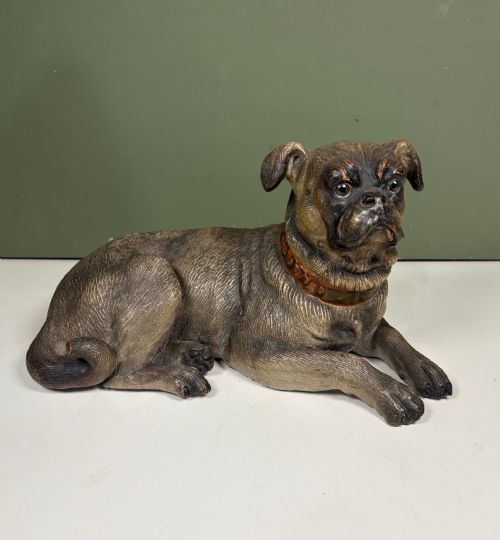
When you search for antique ceramic dog figurines, you encounter a varied assortment of decorative animals spanning several distinct eras. The majority of pieces on this page emerge from nineteenth-century English kilns, capturing breeds ranging from spaniels and poodles to greyhounds and pugs.
Makers produced these figures as mantelpiece ornaments, often styled as seated pairs to flank a fireplace. Beyond English earthenware, the selection includes continental porcelain works from factories in Germany and China, representing periods from Georgian times into the twentieth century.
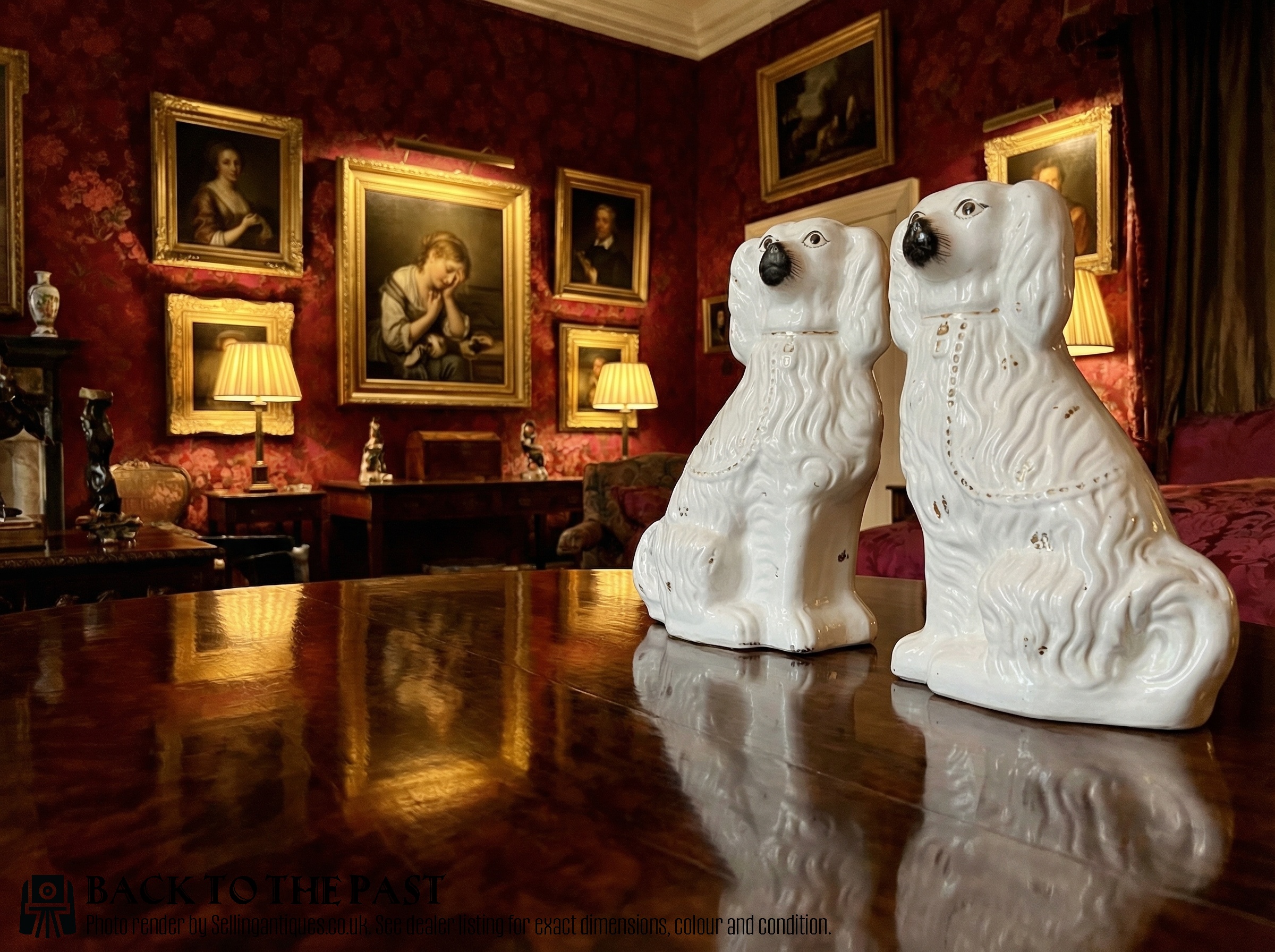
Materials and methods
Potters shaped these animals using earthenware, terracotta, stoneware and porcelain, applying lead glazes and enamel colours to achieve realistic or decorative coats. Many examples incorporate gold leaf or gilt highlights, particularly around the collars and bases.
Antique Ceramic Dog Figurines Retail Price Guide 2026
Typical asking prices for ceramic dog figurines among the pieces listed under this phrase on Sellingantiques today, from the lower quarter to the upper quarter. They describe what is for sale here now, not the wider market.
English potteries dominate the selection, though German porcelain factories and Chinese kilns also contribute significant sculptural dog figures.
Assessing quality and character
The standard of painting and the crispness of the mould separate ordinary mantel ornaments from finer studio pieces. Superior examples display carefully rendered eyes and naturalistic posture rather than flat, uniform brushwork.
Completeness of the original glaze and the survival of gilt highlights also define a high-grade specimen. Pairs that remain together with matching proportions carry more presence than single figures assembled later.
Meissen·Thomas Parr·Minton·Rosenthal·Derby
The Antique Ceramic Dog Figurines Glossary
- Staffordshire
- A term applied to pottery manufactured in the English county of Staffordshire, famous for its prolific output of figure groups and animal models. These factories produced the iconic mantel dogs found in many homes.
- Earthenware
- A porous pottery body fired at lower temperatures, commonly used for nineteenth-century English animal figures. It requires a glaze to render it impermeable to liquids.
- Glaze
- A glassy coating fused to ceramic surfaces during firing to seal the porous body and add shine. Lead glazes give these figures their characteristic reflective sheen.
- Foo Dog
- A traditional Chinese guardian lion represented in porcelain and stone, often misnamed as a dog in western trade. They stand as stylised protectors with elaborate manes.
- Parian
- A fine white porcelain resembling marble, developed in the nineteenth century for sculptural figures. It allowed makers to cast smooth, unglazed statuary with high detail.
Antique Ceramic Dog Figurines: Frequently Asked Questions
What are comforter spaniels?
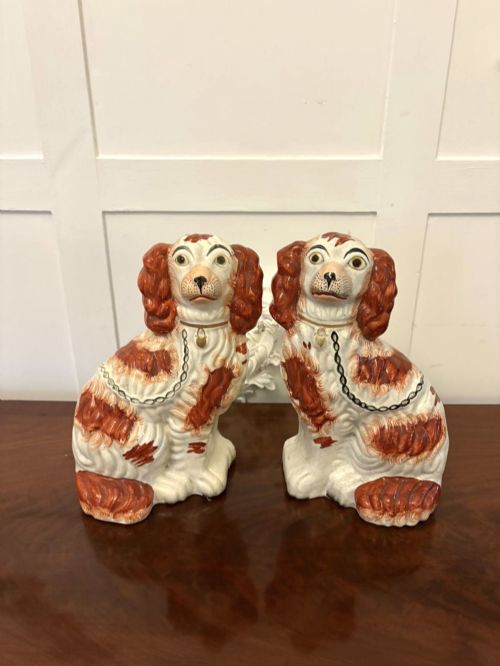
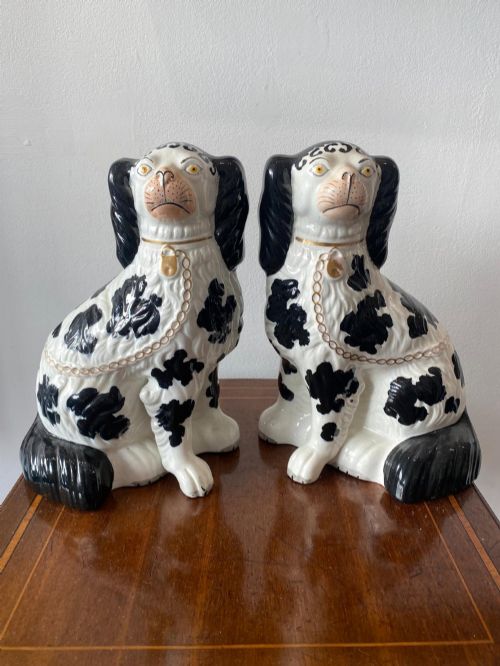
Comforter spaniels represent the black and white or red-spotted King Charles spaniels modelled by nineteenth-century potters. People kept them on hearths as decorative substitutes for real lapdogs.
Victorian households placed them facing inward toward each other on mantelpieces. They became staples of domestic interior decoration across Britain.
How do I date these figures?
Dating relies on stylistic clues, paste composition, and the type of glaze applied by the potter. Earlier Georgian pieces often show finer modelling, while Victorian examples lean toward robust earthenware.
Base markings, where present, help pinpoint specific factories and decades. Examining the wear on the bottom offers further evidence of age.
Were these dogs made in pairs?
Potters frequently produced these figures in matched left-and-right facing pairs for symmetrical placement on furniture. Greyhounds, poodles, and spaniels commonly appear this way.
Finding an intact pair that has stayed together through generations remains a key consideration for collectors. Single specimens do occur, particularly when one half of a set was lost.
How should I clean them?
Dusting with a soft, dry brush preserves the delicate enamel and gilt surfaces found on older porcelain and earthenware. Avoid using harsh liquids or abrasive cloths that might damage the glaze.
Water can seep into unglazed areas or historic repairs, so dry cleaning methods suit antique ceramics best. Gentle care maintains the finish over decades of display.