


Victorian Hearth Dogs
Victorian hearth dogs are fireplace furnishings and mantel figures that bring character to a room, ranging from robust metal andirons to charming ceramic spaniels.

Victorian Hearth Dogs
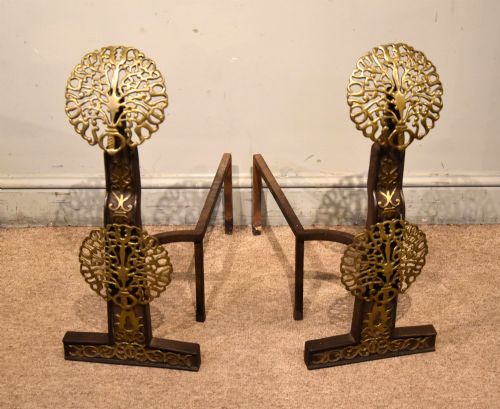
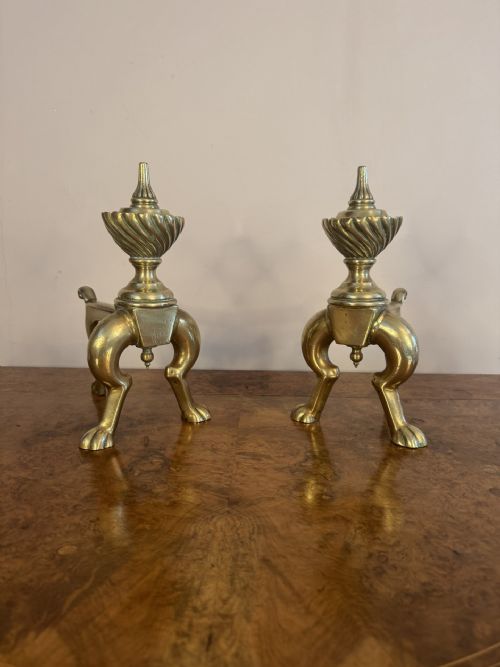
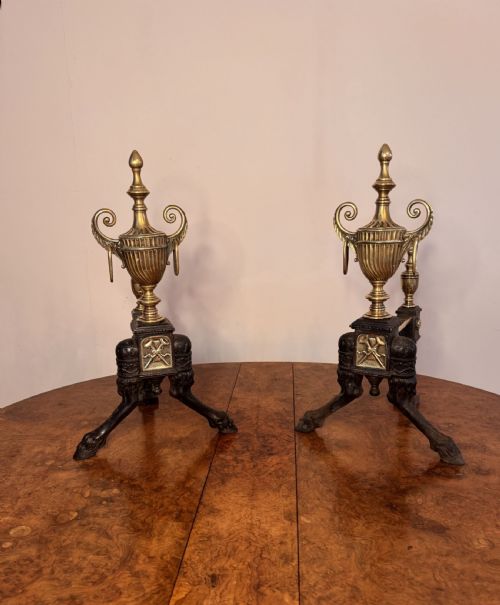
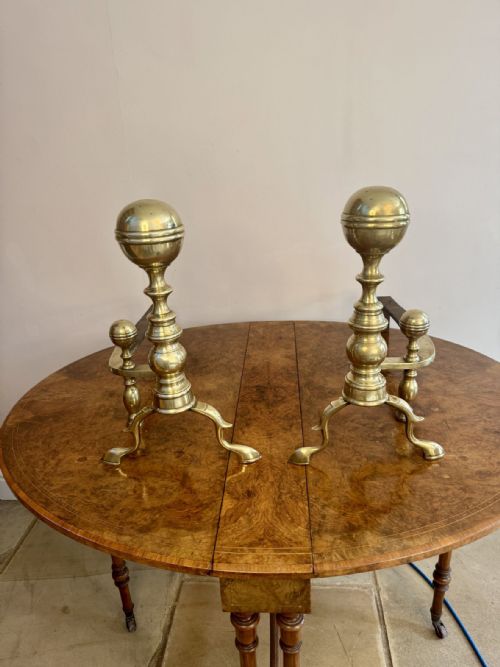
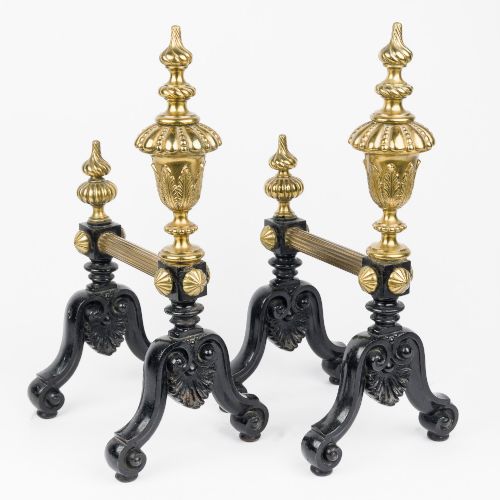
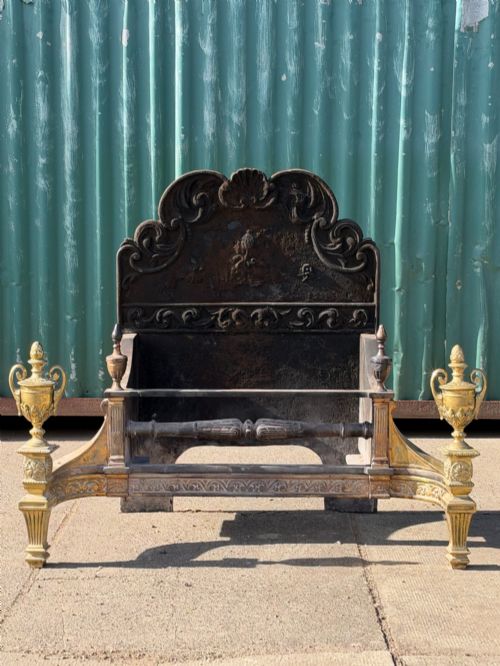
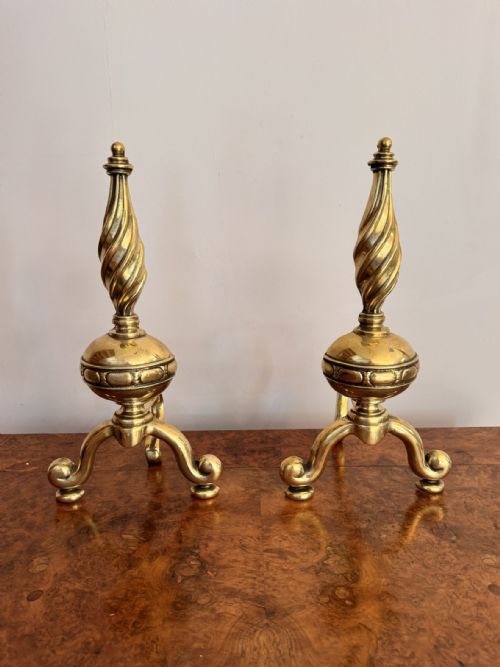
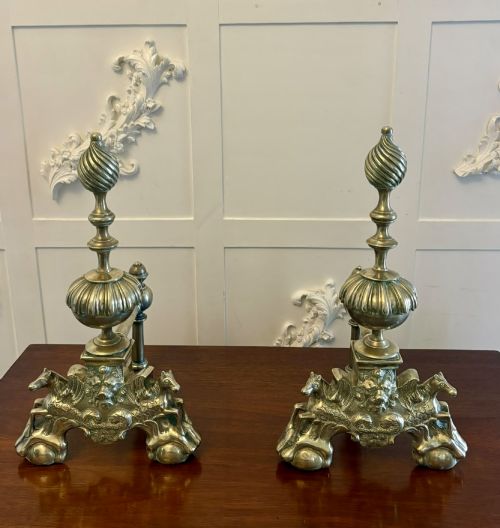
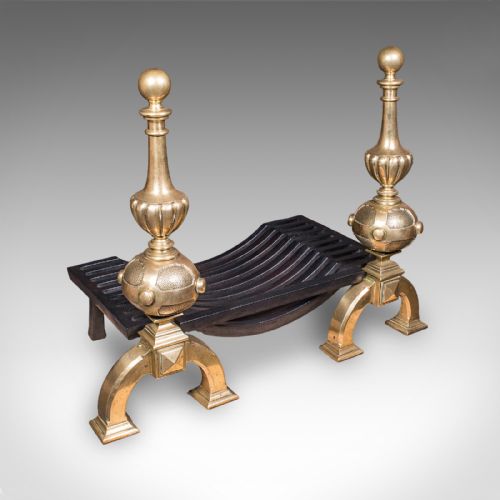
Victorian hearth dogs encompass two distinct domestic traditions: heavy metal supports used to hold logs within an open fireplace, and ceramic companion figures placed upon the mantelpiece or hearth. The metal variety, frequently termed andirons or fire dogs, serves a practical purpose in managing wood fires while adding decorative weight to the fireplace opening.
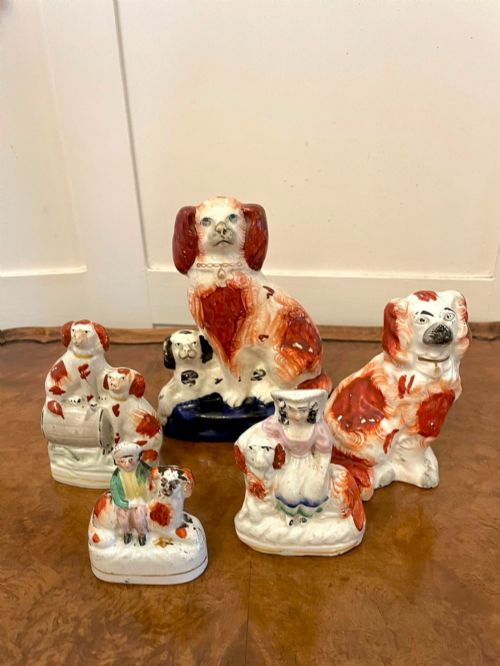
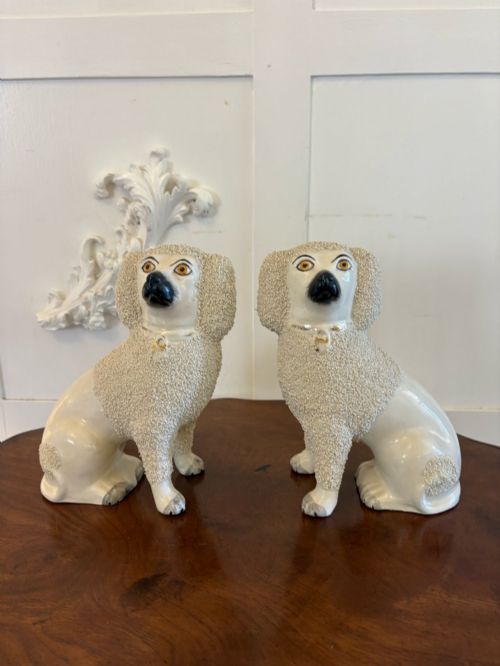
Ceramic representations, predominantly Staffordshire pottery dogs such as spaniels, poodles, and terriers, capture the Victorian sentiment for household animals. These earthenware figures appear seated in pairs, often hand-painted with distinct markings and glazed finishes that reflect the domestic tastes of the nineteenth century.
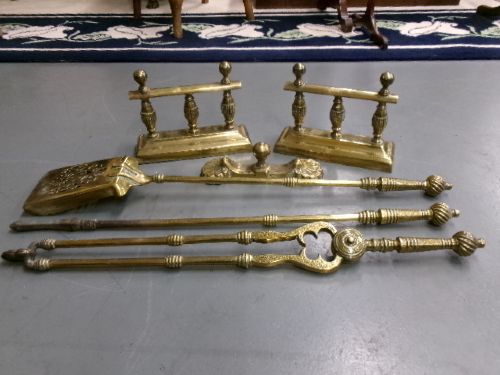
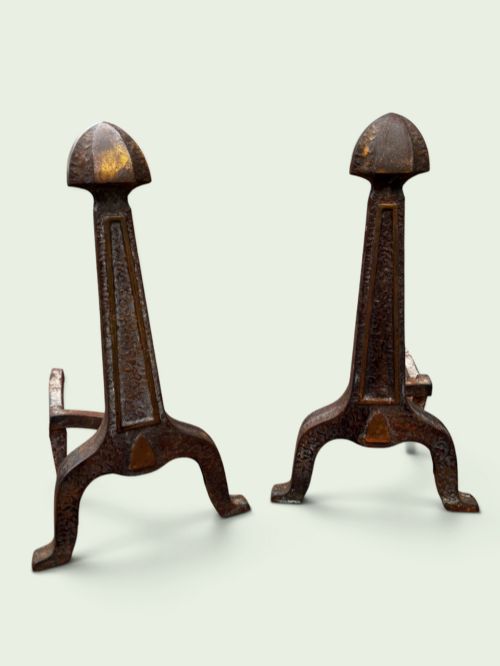
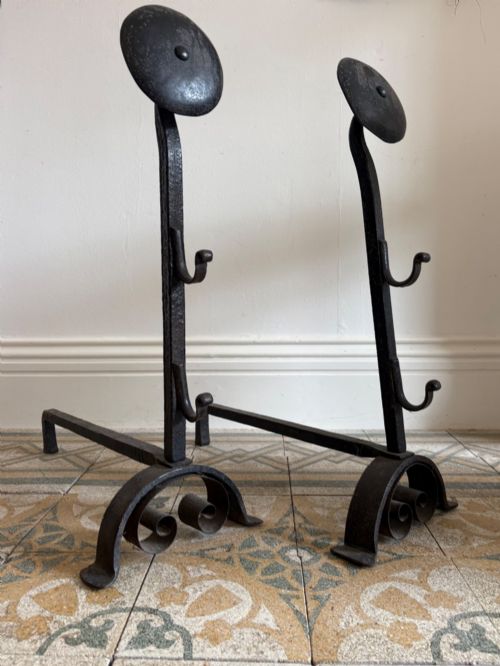
Metal examples on this page span several stylistic interpretations, including Gothic Revival, Arts and Crafts, and French Rococo designs. Makers utilised cast iron, wrought iron, and brass to produce these functional items, whereas the ceramic figures rely on earthenware and porcelain to form seated animal models.
What varies in quality
The distinction between ordinary and superior metal hearth dogs lies in the weight of the casting and the crispness of the chased or forged details. Substantial brass and cast iron examples demonstrate deeper relief work and firmer construction, whereas simpler iron fire dogs rely on plain utility.
Victorian Hearth Dogs Retail Price Guide 2026
Typical asking prices for victorian hearth dogs among the pieces listed under this phrase on Sellingantiques today, from the lower quarter to the upper quarter. They describe what is for sale here now, not the wider market.
Materials in these listings include brass, cast iron, wrought iron, earthenware, and porcelain.
Thomas Jeckyll·William Tonks
The Victorian Hearth Dogs Glossary
- Andiron
- A metal support used in pairs to hold logs in an open fireplace. They typically feature an upright decorative front and horizontal bars extending backward.
- Staffordshire dog
- A ceramic figurine modelled after various canine breeds, famously produced in the Staffordshire pottery district during the nineteenth century. These figures were traditionally displayed on mantelpieces in facing pairs.
- Gothic Revival
- An architectural and decorative style drawing inspiration from medieval forms. Pieces in this aesthetic often incorporate pointed arches and heavy structural detailing.
- Earthenware
- A porous pottery material fired at lower temperatures, commonly used for nineteenth-century ceramic figures before being glazed.
- Comforter spaniel
- A popular type of Staffordshire pottery dog modelled after the King Charles spaniel. Victorian households frequently placed them on either side of a fireplace.
Victorian Hearth Dogs: Frequently Asked Questions
How were andirons used in the Victorian fireplace?
Andirons were positioned inside the hearth to support logs above the floor of the grate, allowing air to circulate underneath the wood for a better burn.
Their decorative fronts remained visible outside the fire, framing the hearth while the rear bars bore the weight of the fuel.
Where did people display Staffordshire dogs?
Staffordshire pottery dogs were traditionally placed on the mantelpiece above the fireplace, facing inward toward each other.
This symmetrical arrangement was a standard feature of nineteenth-century domestic interior decoration.
What is the difference between fire dogs and andirons?
The terms are largely interchangeable, referring to the metal supports used to hold logs in an open fireplace.
Some regional variations in naming exist, but both serve the dual purpose of fuel management and hearth ornamentation.
How do I identify Arts and Crafts hearth dogs?
Arts and Crafts hearth dogs typically feature wrought iron construction with visible hand-hammered textures and simpler, functional lines.
They move away from ornate revival styles in favour of honest craftsmanship and structural clarity.