


Antique Fireplace Dogs
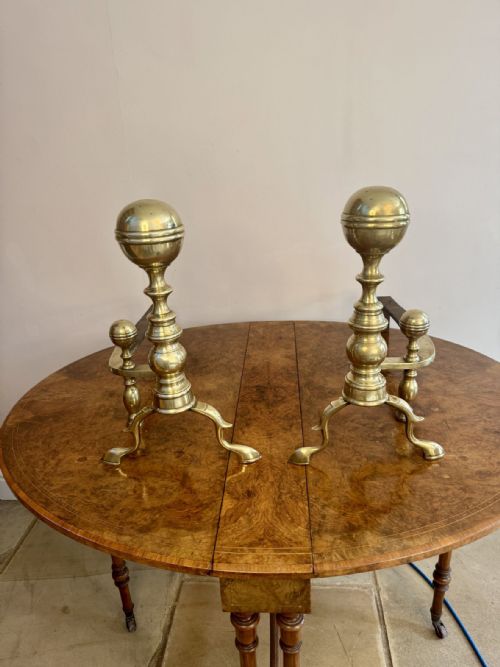
These antique fireplace dogs bring weight and character to a hearth, holding fuel aloft to feed the flames properly.
Antique Fireplace Dogs
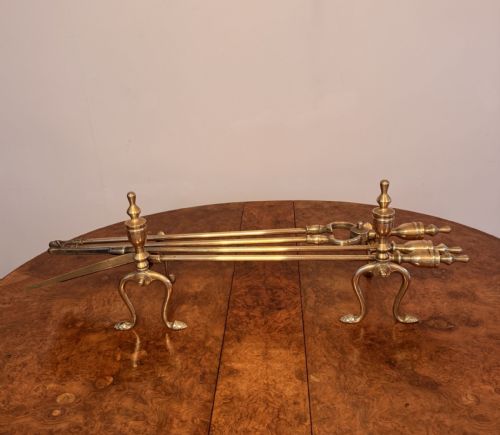
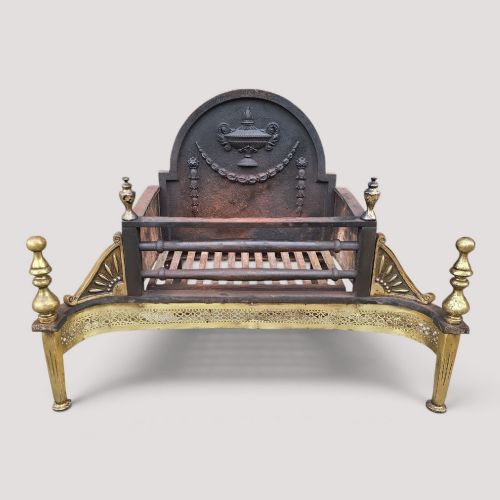
When searching for antique fireplace dogs, a buyer encounters practical hearth irons designed to support logs within an open fire basket. The selection spans robust utility pieces alongside decorative pairs intended to stand sentinel on either side of the hearth.
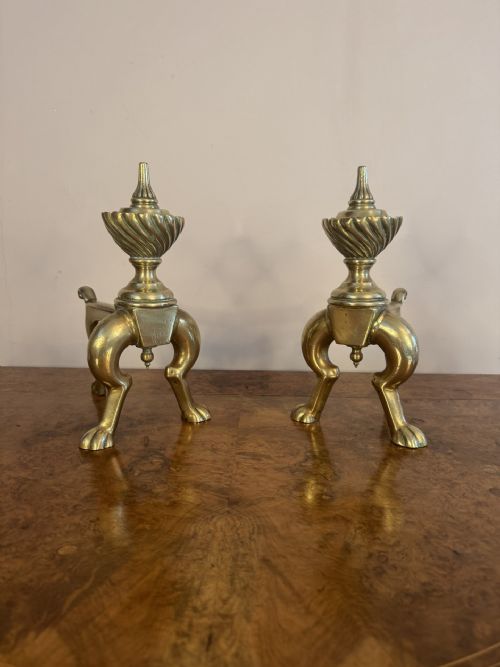
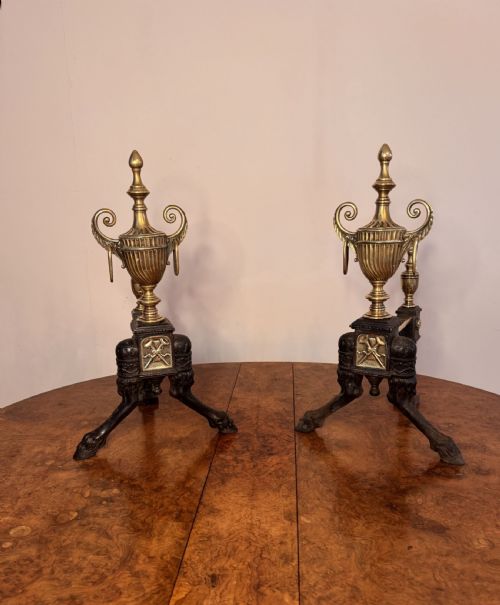
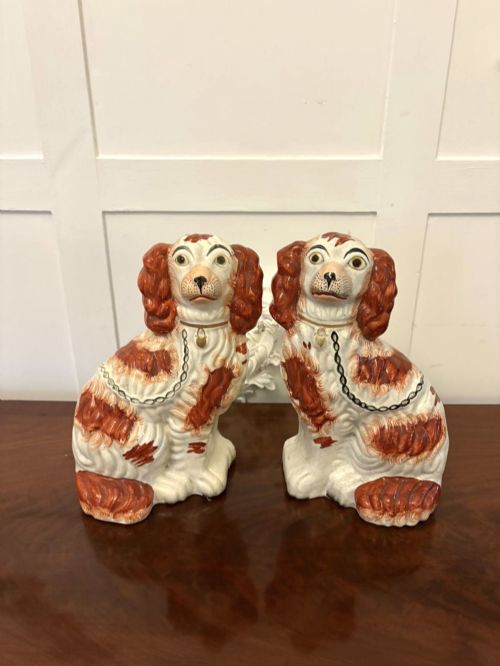
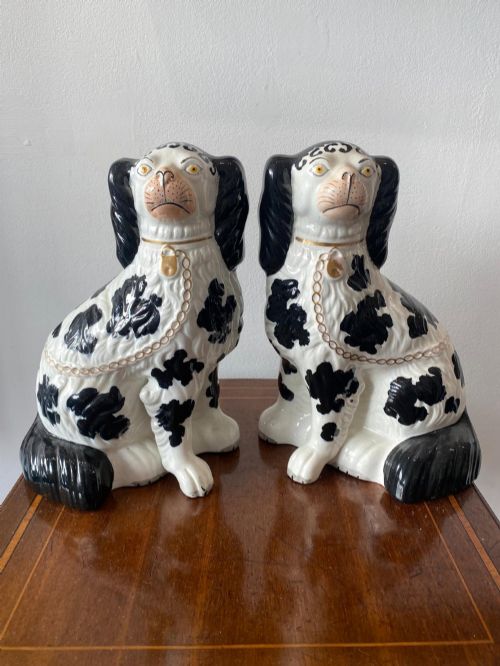
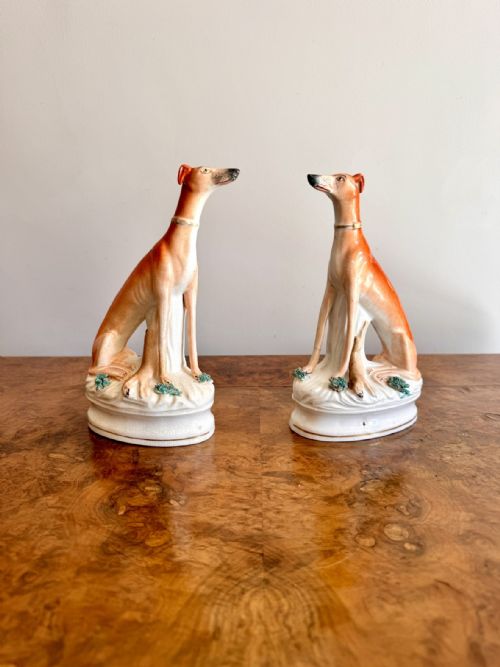
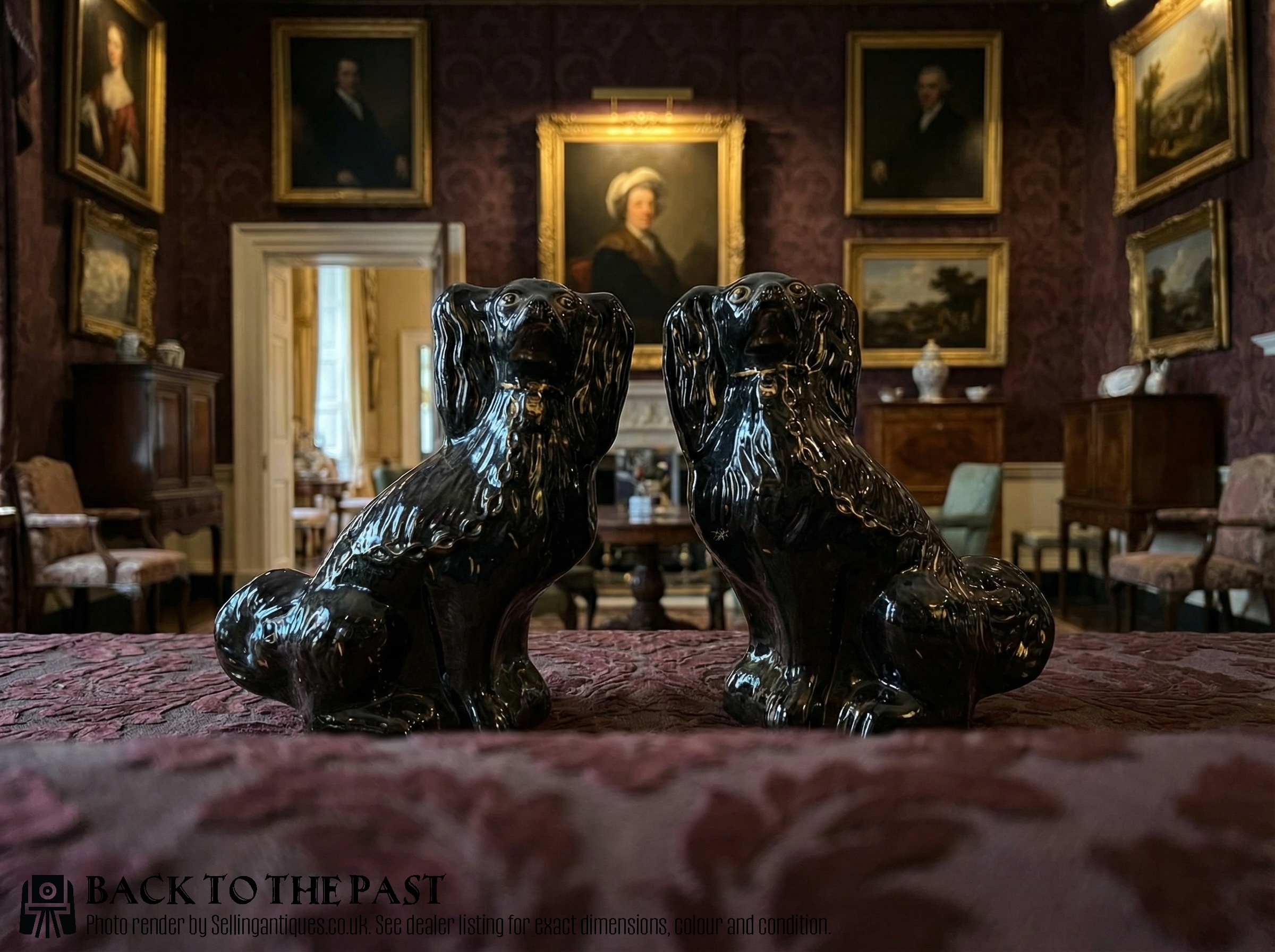
Victorian examples dominate the available material, often cast in brass or iron during the nineteenth century. Alongside metal supports, ceramic figures including Staffordshire poodles and spaniels appear under the broader umbrella of hearth dogs.
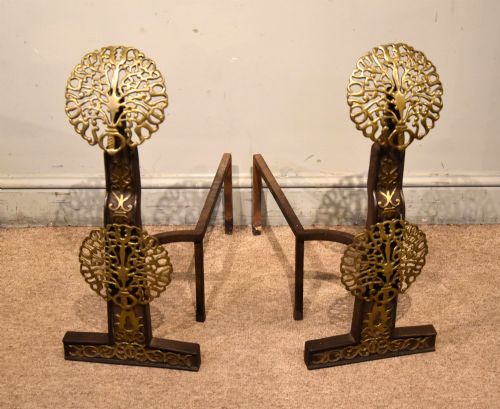
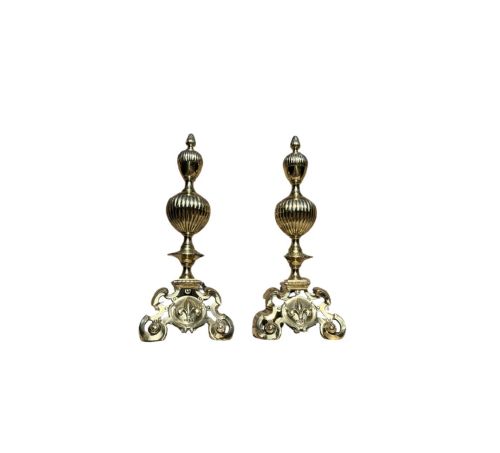
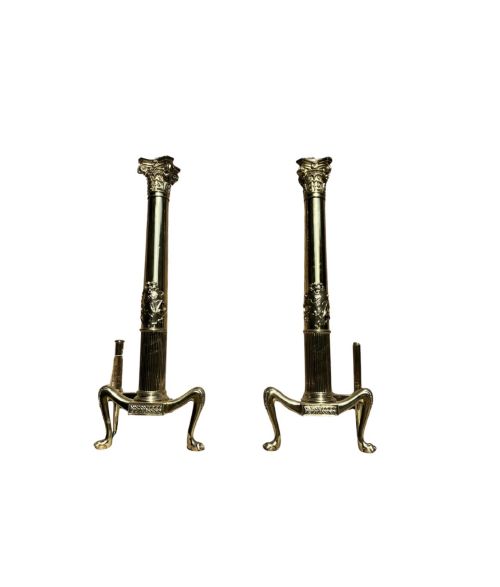
The assortment reaches from simple wrought iron pairs to ornate French rococo and Gothic Revival brass designs. Pieces range in height from modest domestic rests to monumental wrought iron standards built for substantial country house hearths.

Materials and construction
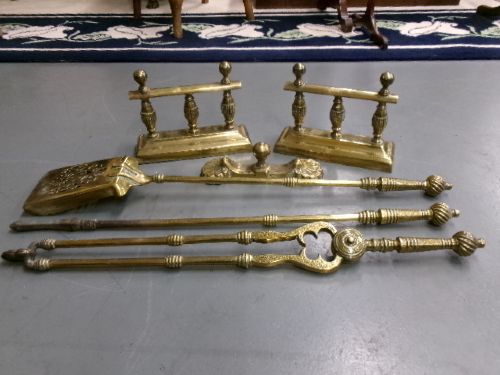
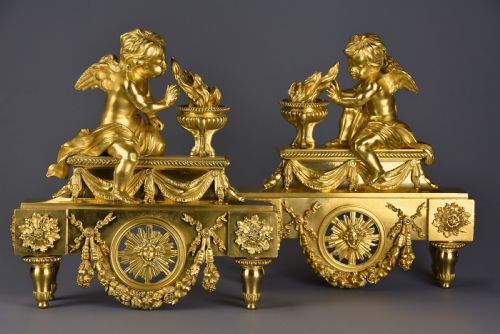
Foundries utilised cast iron and wrought iron for durability under intense heat, hammering or moulding the metal into functional uprights. Brass and ormolu provided a brighter finish for formal drawing rooms, frequently cast with decorative motifs like sunflowers or hunting scenes.
Pottery figures such as Staffordshire greyhounds and comforter spaniels were earthenware creations, shaped in moulds and hand-painted with coloured glazes. Makers combined cast brass elements with iron bars to balance decorative front facades against sturdy rear supports.
Antique Fireplace Dogs Retail Price Guide 2026
Typical asking prices for fireplace dogs among the pieces listed under this phrase on Sellingantiques today, from the lower quarter to the upper quarter. They describe what is for sale here now, not the wider market.
Staring back from the hearth, ceramic spaniels earned the nickname comforter dogs because Victorian owners believed they kept loneliness at bay.
Judging quality and execution
Superior pairs display crisp casting detail and heavy gauge metal that resist warping from coal and wood fires over generations. Hand-finished chasing on brass or bronze chenets separates masterwork foundry items from repetitive commercial production.
William Tonks·Thomas Jeckyll
The Antique Fireplace Dogs Glossary
- Andiron
- A horizontal support iron raised on legs, used to hold logs in an open fireplace. Pairs typically feature decorative front standards facing the room.
- Chenet
- The French term for an andiron, commonly associated with ornate ormolu and bronze work from the Regency and Rococo periods. These decorative front pieces often complemented matching fire fenders.
- Fire dog
- An alternative term for an andiron used interchangeably across English and continental metalwork. They date back centuries as primary hearth furniture.
- Grate
- A metal basket or framework holding fuel above the hearth floor to improve airflow. Many historical examples incorporate dogs or rest directly upon andirons.
- Staffordshire dog
- Earthenware mantel and hearth figures modelled as spaniels, poodles, or greyhounds during the nineteenth century. They served as comforting decorative companions beside the fireplace.
Antique Fireplace Dogs: Frequently Asked Questions
What is the difference between fire dogs and andirons?
The terms refer to the exact same hearth implement, with andiron being the traditional architectural name and fire dog the colloquial alternative. Both describe the metal supports that elevate firewood.
Regional preferences and period terminology usually dictated which word makers and merchants printed on their inventories.
How were fireplace dogs used in a historic hearth?
These metal supports held logs above the hearth floor to allow oxygen to circulate underneath for a cleaner burn. They also stopped heavy logs from rolling forward into the room.
Front standards often incorporated hooks or rests to hold fire irons close at hand.
Are ceramic Staffordshire dogs meant to go inside the fireplace?
Staffordshire pottery dogs sat on the hearth floor or mantelpiece rather than supporting burning logs inside the fire basket. They functioned as domestic ornaments rather than functional ironmongery.
Their presence near the hearth gave rise to the term fireplace dogs in popular collecting terminology.
How do I date a pair of antique iron fire dogs?
Dating relies on identifying stylistic markers like Gothic Revival tracery, Aesthetic Movement motifs, or Victorian cast iron fabrication techniques. Tool marks and construction methods also reveal whether a piece dates to the eighteenth or nineteenth century.
Heavier wrought iron tends to suggest earlier hand-forged origins, while mass-produced cast brass often points to later Victorian foundries.