


Cast Iron Andirons
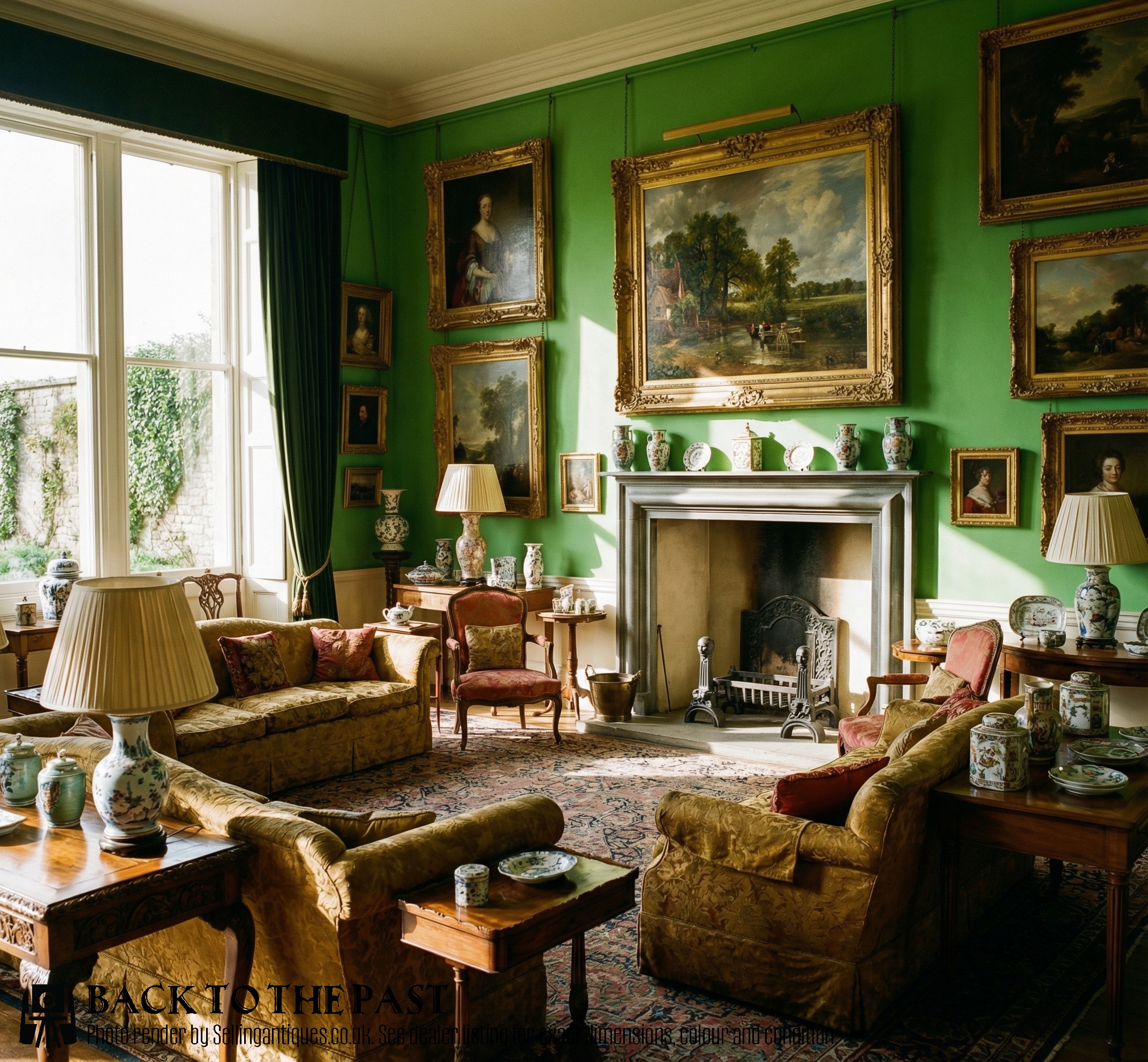
Cast iron andirons steady logs within an open hearth while adding architectural weight to a period fireplace.
Cast Iron Andirons
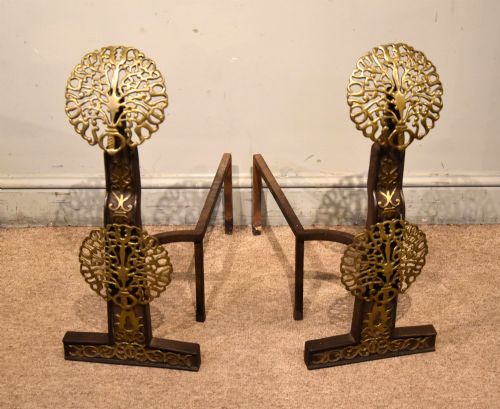
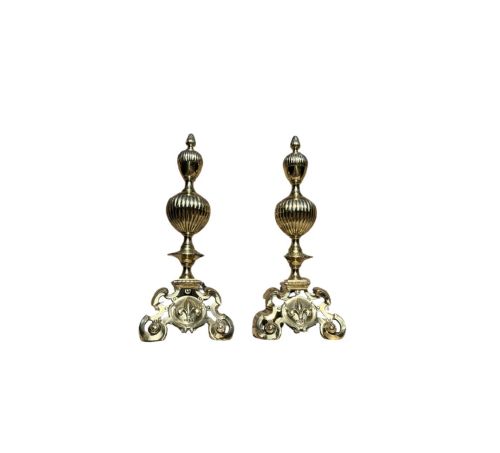
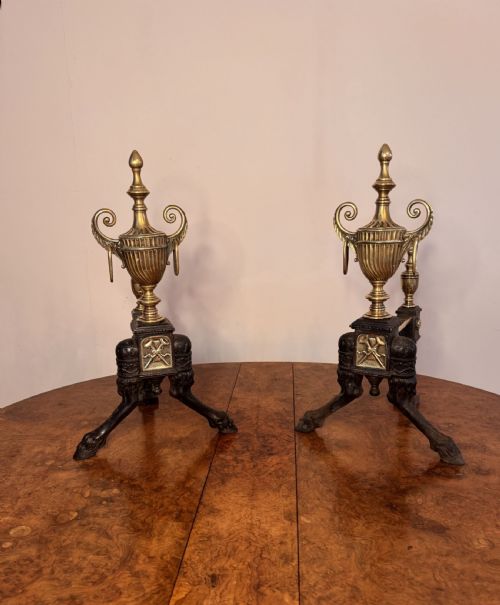
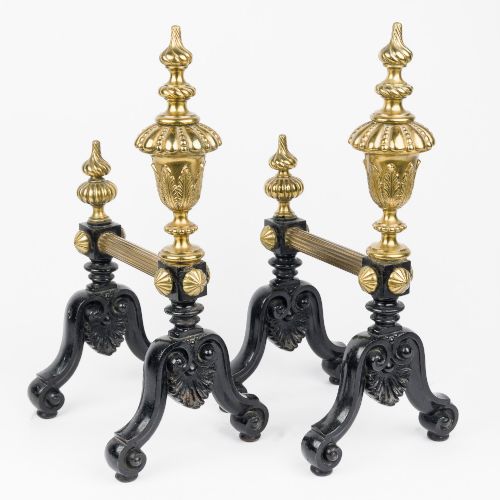
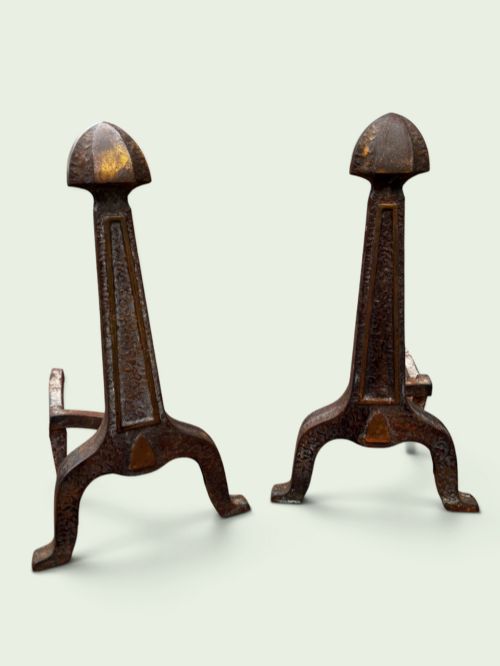
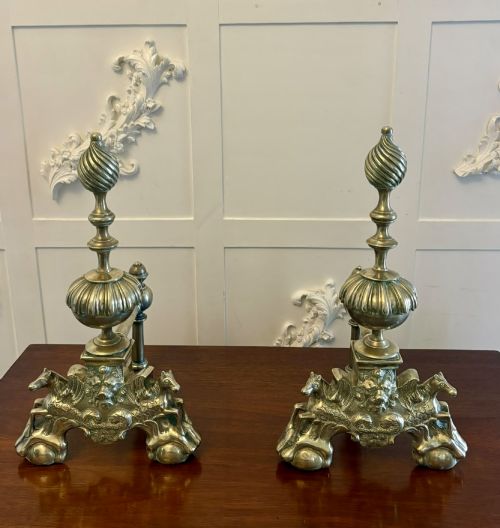
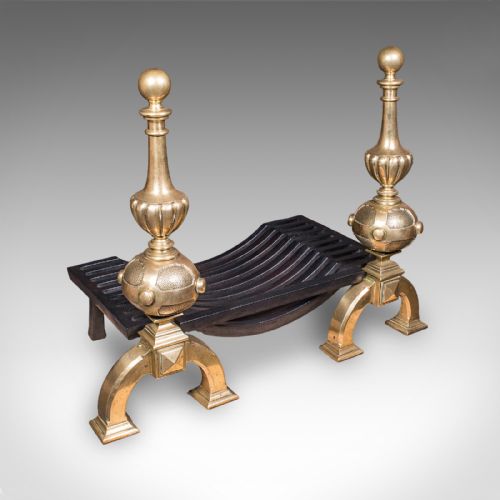
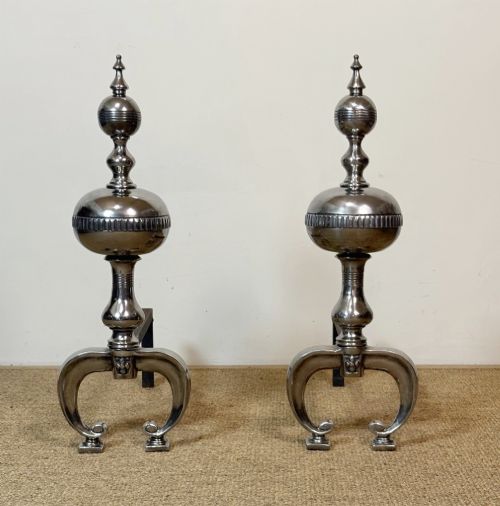
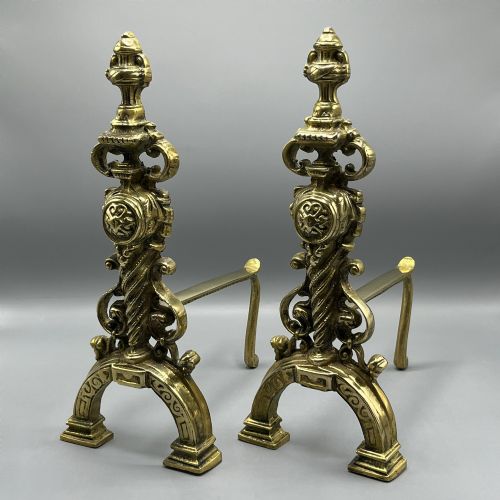
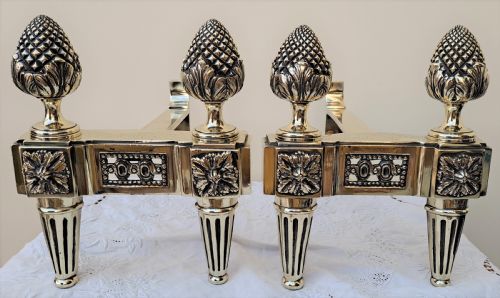
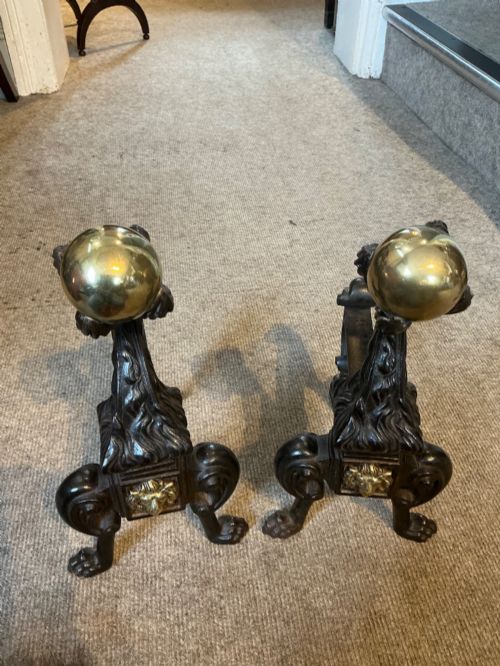
Cast iron andirons, also known as fire dogs, support fuel wood above the hearth floor to allow proper airflow beneath the fire. The pieces seen here range from simple utilitarian supports to substantial matched pairs integrated with fire baskets and grates.
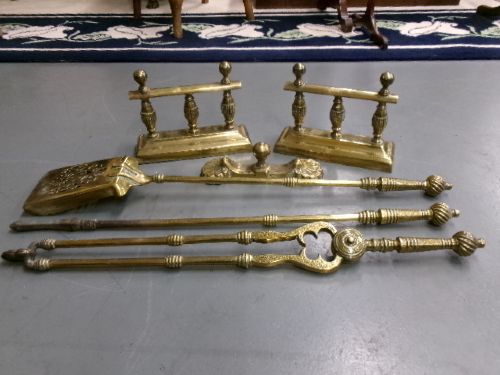
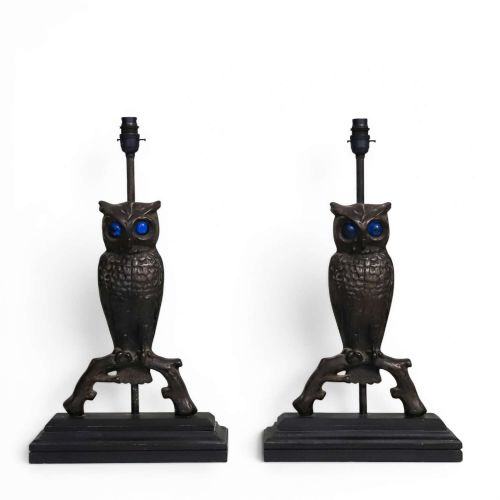
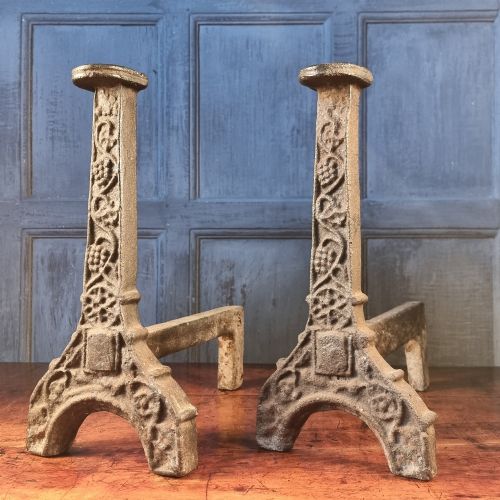
Victorian and nineteenth-century examples dominate the selections, alongside earlier sixteenth-century designs and later adaptations such as converted lamp bases. Buyers frequently encounter sets paired with matching fenders, tool suites, or heavy inglenook grates.
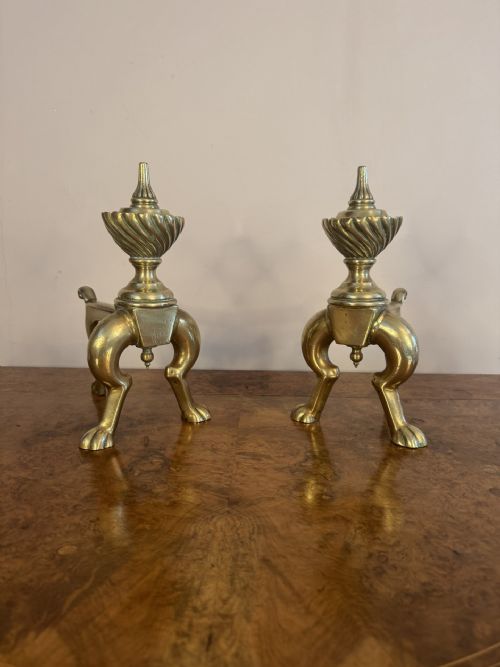
The forms vary from plain cast metal profiles to elaborate sculptural shapes incorporating lions, unicorns, sphinxes, and owls. Many incorporate brass terminals, wrought iron billets, or steel elements mounted on the primary cast body.
Factors of quality
The definition and depth of the casting separate standard utility pairs from exceptional sculptural examples. Crisp detailing in figures such as lions or heraldic motifs indicates superior pattern-making and careful foundry work.
Substance and structural integrity dictate the utility of the piece, with heavier pairs offering greater stability for supporting large logs in open fireplaces. The integration of high-grade brass components and original hand-forged iron log rests further elevates the standard of a set.
Cast Iron Andirons Retail Price Guide 2026
Typical asking prices for cast iron andirons among the pieces listed under this phrase on Sellingantiques today, from the lower quarter to the upper quarter. They describe what is for sale here now, not the wider market.
Listings feature cast iron alongside solid brass, wrought iron, steel, glass, and wood across multiple centuries.
Carron Foundry
The Cast Iron Andirons Glossary
- Andiron
- A horizontal metal support raised on legs, used in pairs to hold burning logs in a fireplace. They are also frequently referred to as fire dogs.
- Fire basket
- An iron basket designed to contain coal or wood, often manufactured with integrated or matching andirons. These units sit within the hearth opening.
- Billet bar
- The horizontal iron bar extending backward from the front standard of an andiron to support the fuel wood. This component bears the direct weight and heat of the fire.
- Finial
- The decorative terminal ornament mounted at the top of an andiron front, commonly cast in brass or bronze. These details often reflect Georgian or Victorian stylistic preferences.
Cast Iron Andirons: Frequently Asked Questions
How do I choose the right size andirons?
Measure the depth and width of your hearth opening to ensure the log bars fit comfortably without crowding the space. Larger inglenook fireplaces require substantial nineteenth-century pairs, while smaller hearths need compact designs.
Consider the scale of your fire basket or grate if you intend to use the andirons as part of a complete fireplace arrangement rather than standalone supports.
Can these andirons still be used in an active fireplace?
Cast iron andirons are inherently robust and designed to withstand high temperatures, making them suitable for burning wood in open hearths. Solid iron and heavy wrought components handle regular heat exposure without losing structural integrity.
Inspect the metal for deep structural cracks before active use, particularly on older sixteenth-century or nineteenth-century examples that may have grown brittle over time.
How do I clean and maintain cast iron andirons?
Remove accumulated soot and ash using a soft dry brush, avoiding harsh chemical cleaners that strip the protective finish. Light applications of natural oil or grate polish help prevent surface oxidation on exposed iron.
Brass components benefit from gentle cleaning with a non-abrasive cloth to preserve the metal surface without altering the antique patina.
What is the difference between andirons and fire dogs?
The terms are used interchangeably in historical listings to describe the same utilitarian fireplace supports. Regional preferences and period terminology often dictate which word a dealer or cataloguer employs.
Both descriptions refer to paired metal objects featuring a front upright and a rear log support designed for open hearth fires.