





Antique Hearth Furniture
These antique hearth furniture pieces bring warmth and functional craft to the fireplace, spanning centuries of ironwork, brass and polished wood.
Antique Hearth Furniture
When you search for antique hearth furniture, you encounter practical items designed to manage fires and warm rooms in earlier centuries. The selection ranges from robust footmen and sturdy andirons to decorative pole screens and coal scuttles.
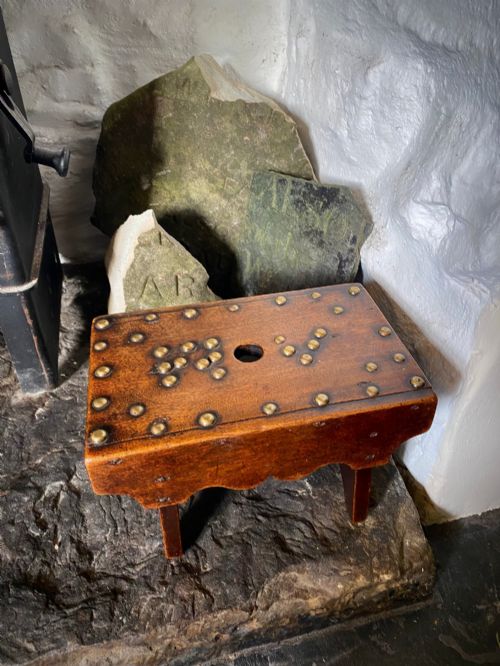
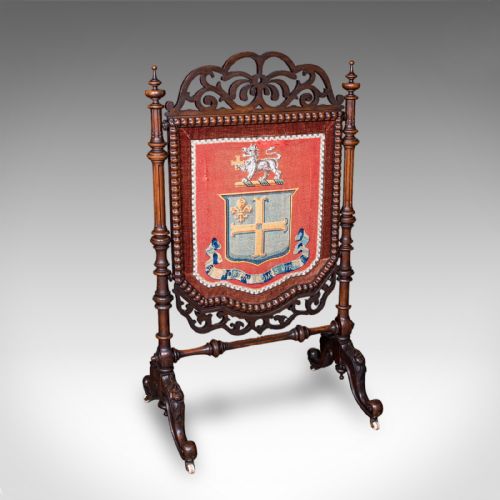
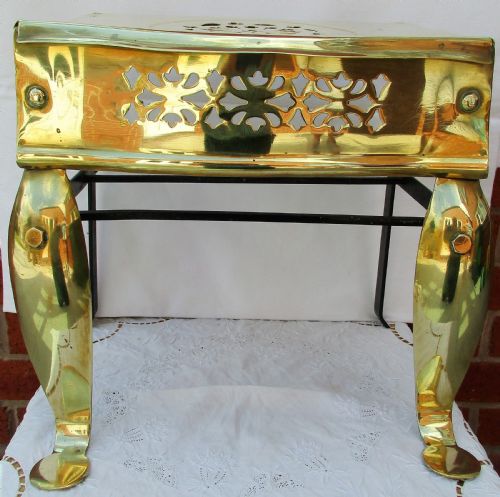
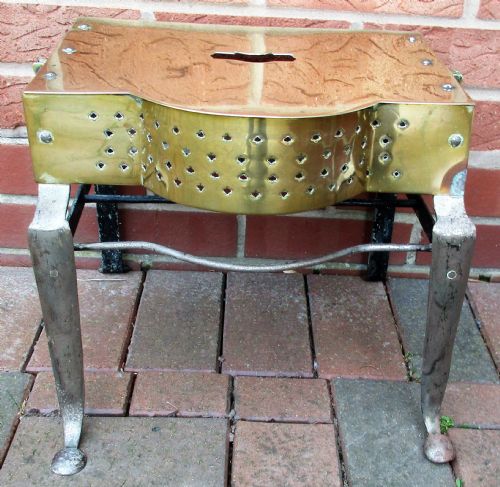
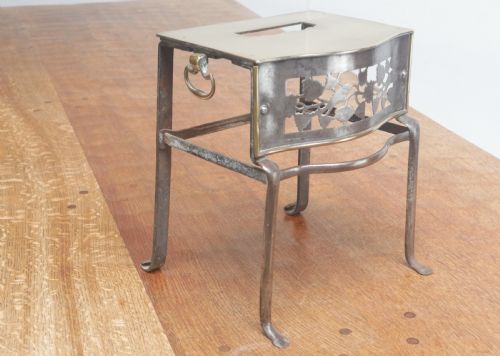
You are most likely to meet nineteenth century brass and steel footmen alongside Victorian and Georgian pole screens with needlework panels. Country stools in oak, elm and beech also appear regularly among the fireside equipment.
The objects originate from English, Irish, Scottish, Dutch, Spanish, French, Italian and Swedish workshops, reflecting varied domestic heating traditions. Styles stretch from restrained George III and Regency designs to ornate Victorian Rococo revival and Art Nouveau interpretations.
Materials and construction methods
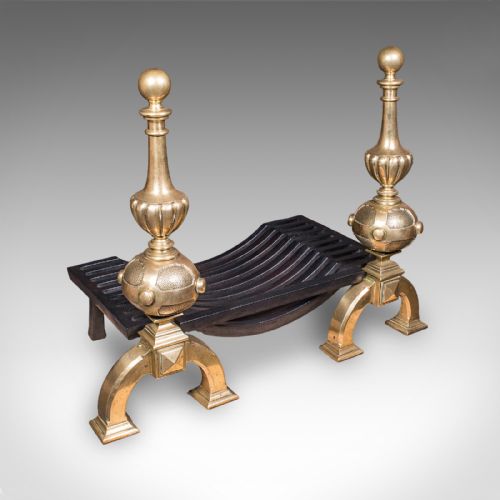
Makers shaped heavy hearth equipment from cast brass, forged steel and wrought iron, building durable pieces to withstand intense fireplace heat. Footmen and andirons frequently combine polished brass surfaces with blackened iron frames.
Cabinetmakers utilised rich timber species like rosewood, walnut, oak and mahogany for pole screens, coal boxes and stools. Textile elements feature intricate needlepoint, embroidery and tapestry panels mounted securely into wooden frames.
Antique Hearth Furniture Retail Price Guide 2026
Typical asking prices for hearth furniture among the pieces listed under this phrase on Sellingantiques today, from the lower quarter to the upper quarter. They describe what is for sale here now, not the wider market.
The listings on this site span multiple materials including brass, oak, rosewood, textile, steel, iron, walnut and tapestry across various periods.
Distinctions in craftsmanship
The highest standard of antique hearth furniture displays crisp casting in brass and meticulous hand-forging in steel, avoiding coarse surface pitting or clumsy joints. Fine needlework panels on pole screens show precise tension and well-preserved silk or wool threads.
Proportion and decorative restraint set superior Georgian and Regency pieces apart from heavier or more derivative nineteenth century items. Solid timber construction in coal boxes and stools indicates better original intent than secondary veneering over softer woods.
The Antique Hearth Furniture Glossary
- Footman
- A metal stand placed beside or over the hearth fire to keep food or kettles warm. These sturdy brass and steel accessories usually feature short legs and carrying handles.
- Andirons
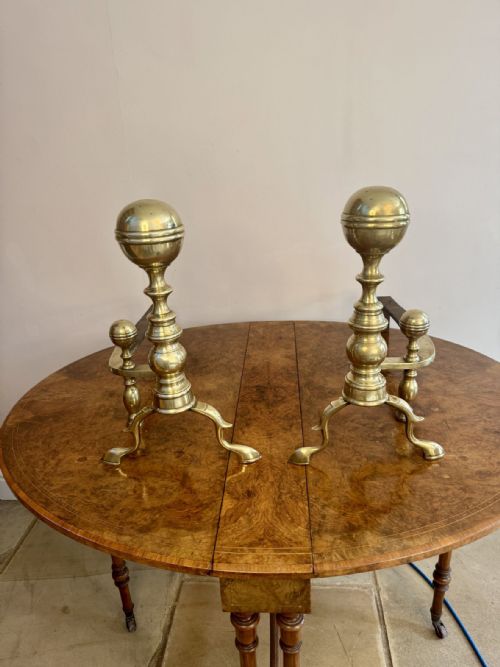
- Heavy metal supports placed horizontally in a fireplace to hold burning logs. They often feature decorative cast brass or bronze terminals facing into the room.
- Pole screen
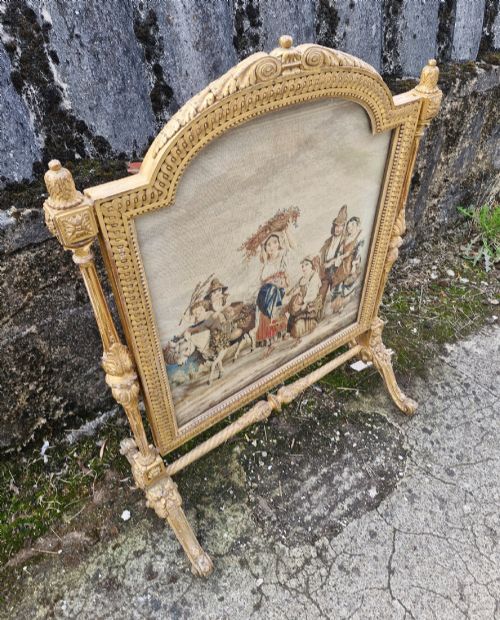
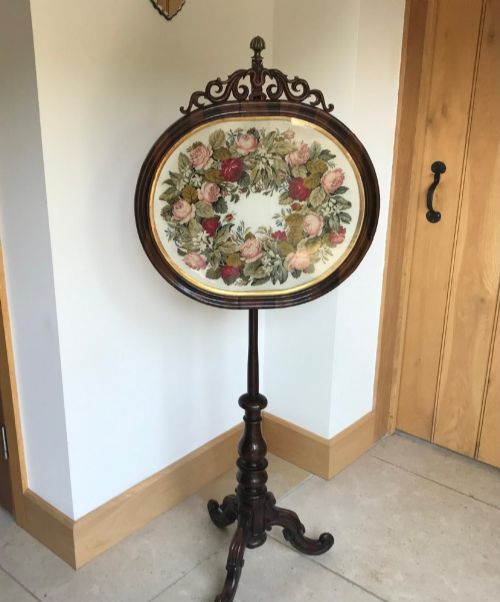
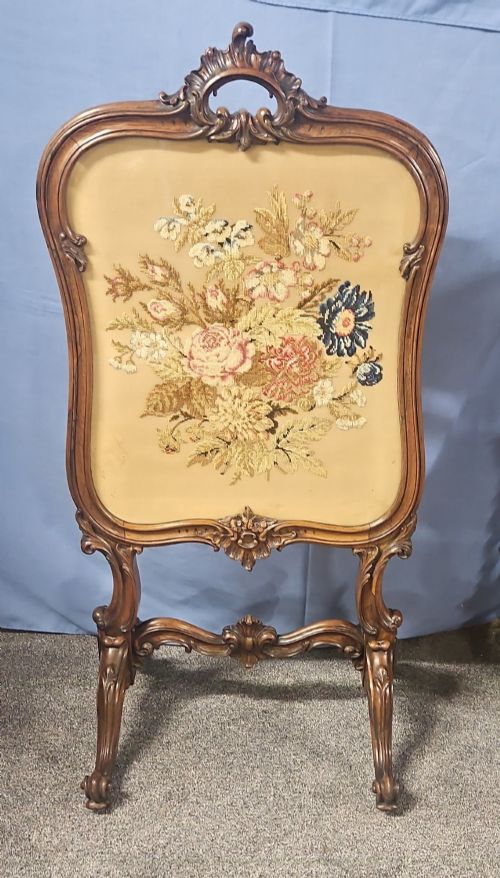
- An adjustable vertical panel mounted on a slender wooden pole to shield a person's face from the direct heat of an open fire. The panels frequently display embroidered needlework or glass reflectors.
- Coal scuttle
- A container designed for holding and transporting coal to the hearth. Examples range from brass helmet buckets to inlaid rosewood and walnut boxes.
- Fender
- A low metal guard placed around the hearth to contain stray embers and ashes. Adjustable club versions offer adaptable placement options.
Antique Hearth Furniture: Frequently Asked Questions
How do pole screens work?
Pole screens protected sitters from the intense heat of open wood and coal fires. The adjustable vertical panel could be slid up and down a turned wooden shaft to block radiant warmth.
Wealthy households favoured versions featuring intricate needlework, embroidery or glass panels that doubled as decorative room art.
What distinguishes andirons from fire dogs?
Andirons and fire dogs essentially describe the same heavy metal supports used to hold logs off the fireplace floor. The terms often interchange depending on regional preference and period terminology.
Both items elevated fuel to allow proper airflow beneath the fire, while presenting ornate cast brass or iron fronts to the room.
How do I care for antique brass hearth items?
Antique brass hearth pieces require gentle cleaning to preserve their aged appearance rather than aggressive polishing. Using mild soap and a soft cloth prevents damage to historical patination.
Keeping iron and steel components lightly oiled protects them from moisture and active fireplace soot accumulation.