


Antique Hearth Dogs
These antique hearth dogs bring solid metal and ceramic presence to a fireplace, holding logs steady and adding character to a mantel or hearth.
Antique Hearth Dogs
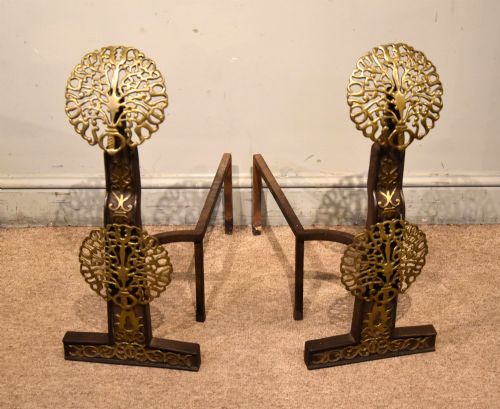
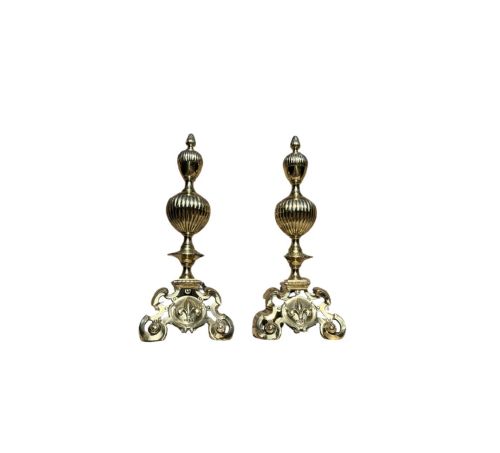
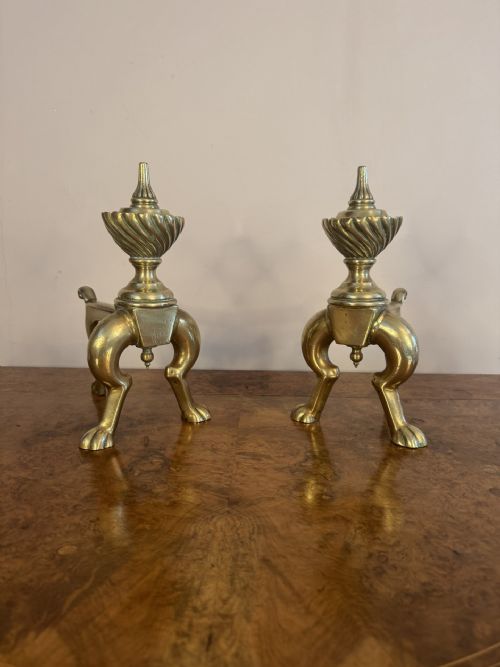
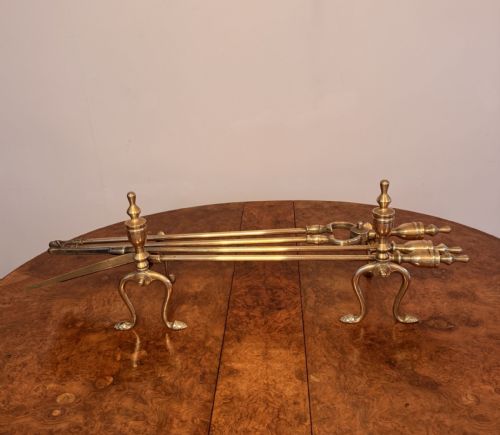
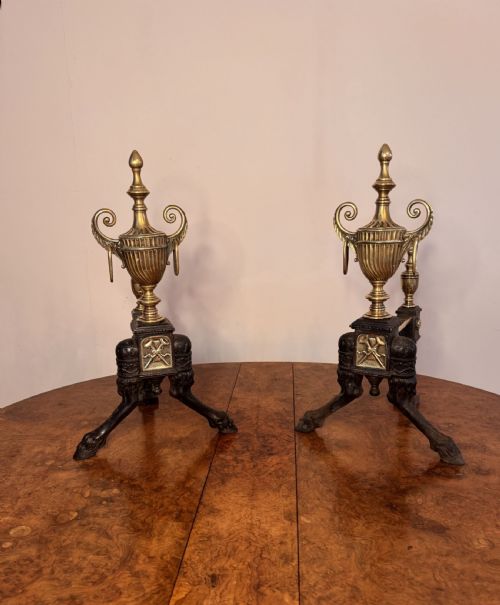
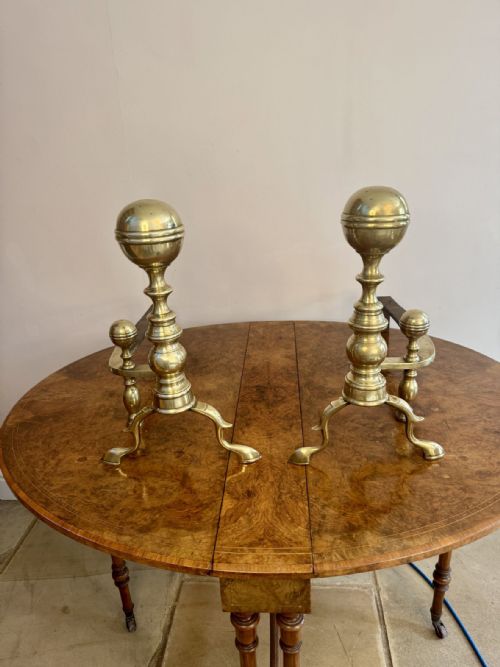
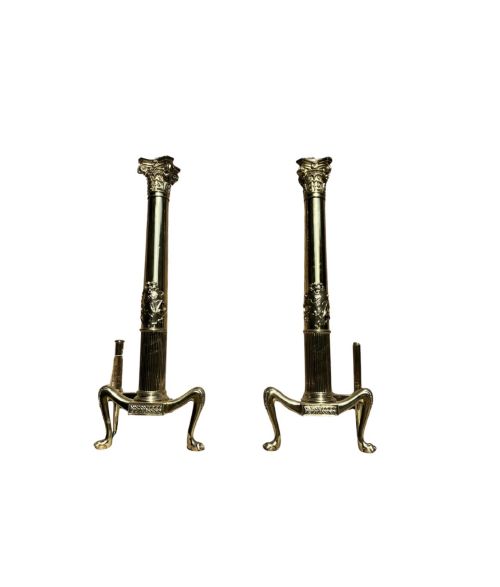
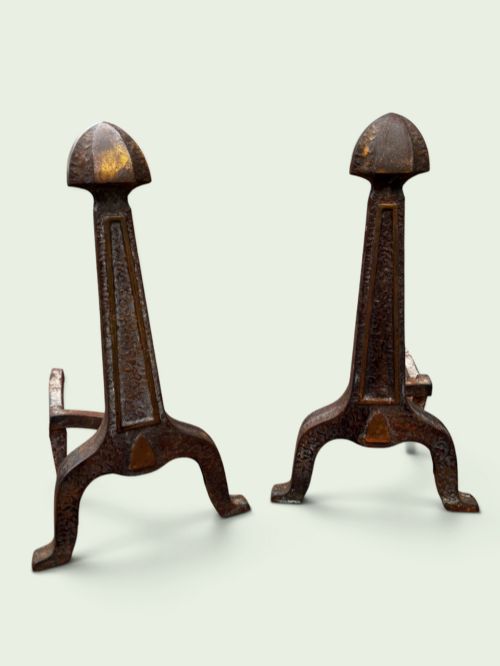
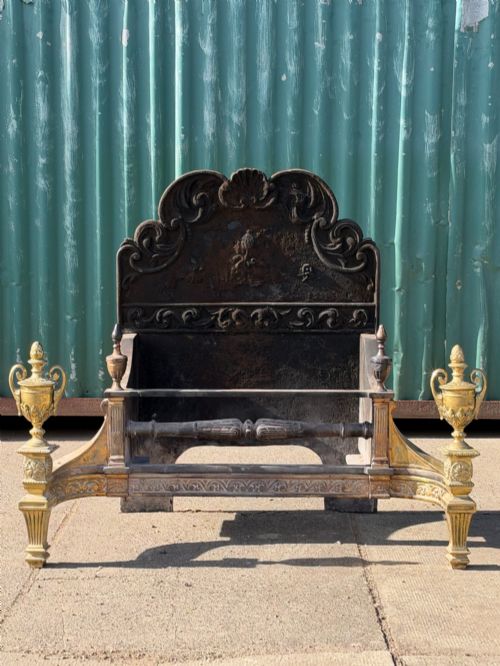
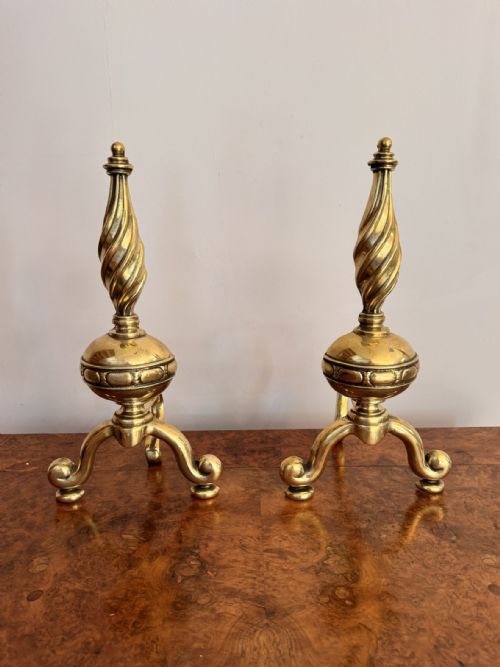
When you search for antique hearth dogs, you encounter functional metal andirons designed to support logs in an open fireplace alongside ceramic mantel figures from Staffordshire. The metal forms range from heavy iron and wrought iron to polished brass and bronze, often styled with French rococo curves or Gothic lines.
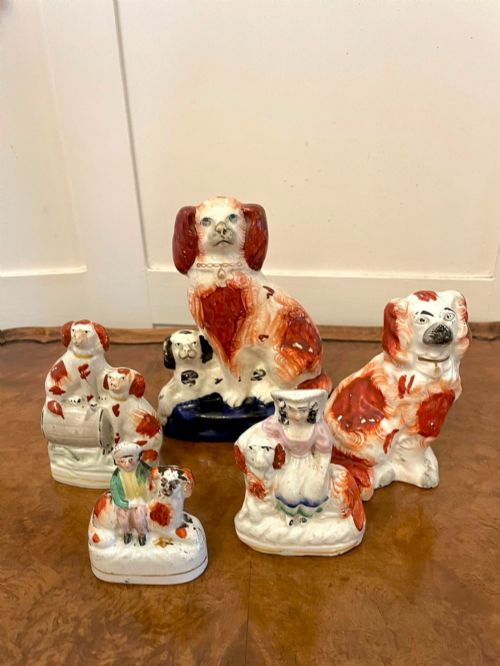
The ceramic variation is heavily represented by Staffordshire pottery dogs, including poodles, spaniels, and terriers, which historically sat on hearths or window sills. Metal pairs dominate the utilitarian end of the selection, whilst the ceramic pairings serve as decorative mantel ornaments from the Victorian era.
Origins span English, French, and American makers, moving through Georgian, Regency, and Victorian aesthetics. Buyers will frequently find solid brass and cast iron examples alongside hand-painted earthenware figures.
Materials and construction
Metal hearth dogs rely on cast iron, wrought iron, brass, and bronze, sometimes accented with ormolu or enamel. Smiths and founders shaped iron by forging and hammering, or poured molten brass and iron into sand moulds to achieve crisp decorative motifs.
Staffordshire ceramic pieces are shaped from earthenware or porcelain, fired in kilns, and finished with hand-painted glazes. These pottery figures often feature moulded details like fur and collars highlighted with metallic lustres or distinct colour washes.
Antique Hearth Dogs Retail Price Guide 2026
Typical asking prices for hearth dogs among the pieces listed under this phrase on Sellingantiques today, from the lower quarter to the upper quarter. They describe what is for sale here now, not the wider market.
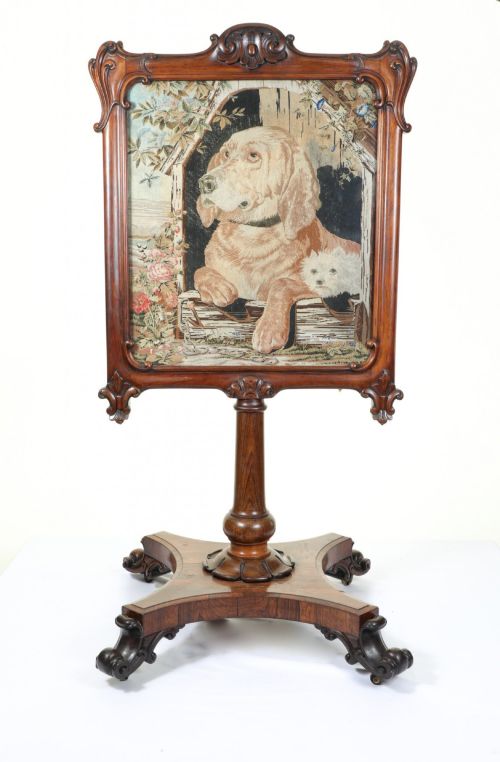
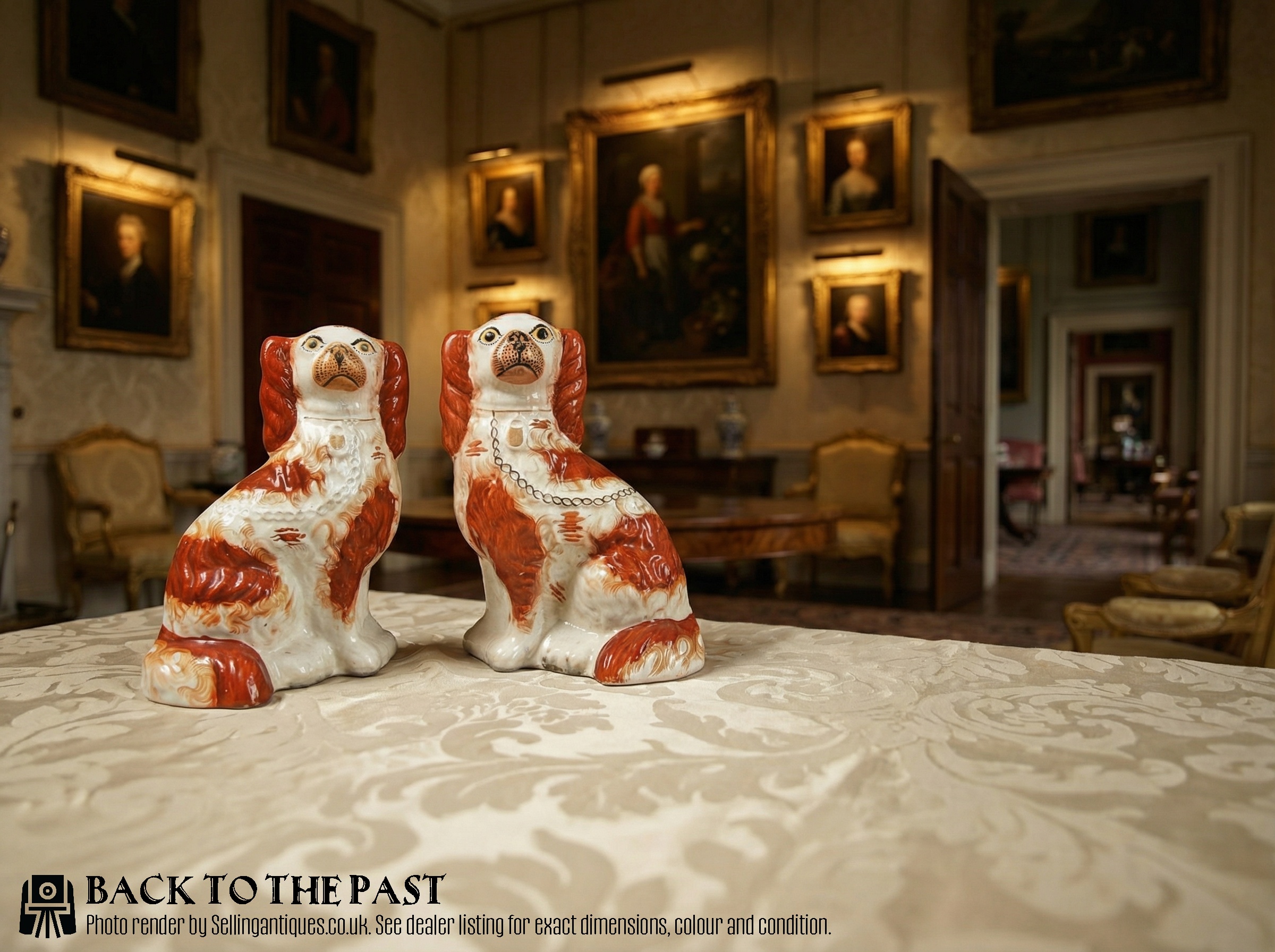
Ceramic spaniels stare loyally outward from the mantelpiece, having guarded Victorian hearths from drafts for generations.
Markers of quality
Quality in metal andirons rests on weight, metal purity, and the crispness of chased or cast details such as foliage, scrolls, and animal motifs. Substantial thickness in the iron or brass shaft ensures the piece endures intense hearth heat without warping.
For ceramic Staffordshire dogs, quality shows in the fineness of the hand-painted glaze, the symmetry of the moulded pair, and the preservation of the original facial expressions and gilt accents without heavy restoration.
William Tonks·Thomas Jeckyll
The Antique Hearth Dogs Glossary
- Andiron
- A metal support used in pairs to hold burning logs above the hearth floor for better air circulation. They often feature an upright decorative front and a horizontal bar behind.
- Chenet
- The French term for an andiron, frequently associated with decorative bronze, brass, and ormolu designs from the Rococo or Empire periods. These prioritize ornate visual appeal on the hearth.
- Comforter spaniel
- A type of Staffordshire pottery dog popular in Victorian parlours, modeled after King Charles spaniels and traditionally displayed in pairs on mantelpieces. They bring a domestic animal motif to the fireside.
- Fire grate
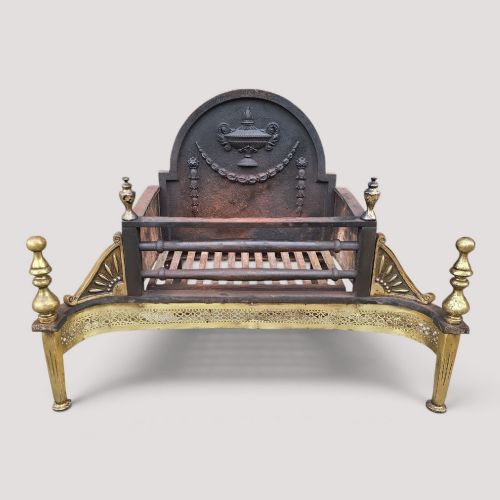
- A metal basket or framework holding fuel within a fireplace, sometimes incorporating integrated andirons or dogs at the sides. It keeps coal or wood contained safely above the hearth stone.
- Ormolu
- Gilded bronze or brass used as a decorative surface finish on French and English hearth accessories. It provides a bright, durable metallic sheen that catches the firelight.
Antique Hearth Dogs: Frequently Asked Questions
What is the difference between hearth dogs and andirons?
Hearth dogs and andirons are generally terms for the same supportive metal firedogs placed on either side of an open hearth. The phrase hearth dogs often leans toward the decorative or animal-form variants, whilst andirons emphasises the structural iron bars.
Both items serve to elevate logs for airflow, though many historical pairings functioned as purely decorative mantel ornaments rather than active fireplace supports.
Were brass and iron hearth dogs used together?
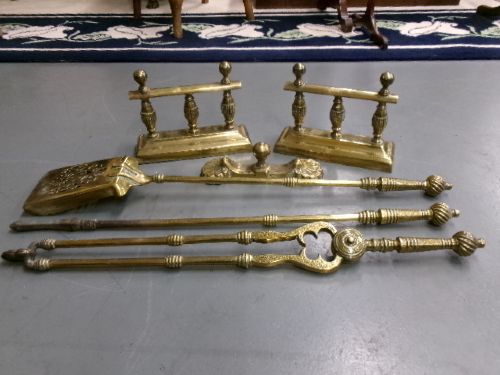
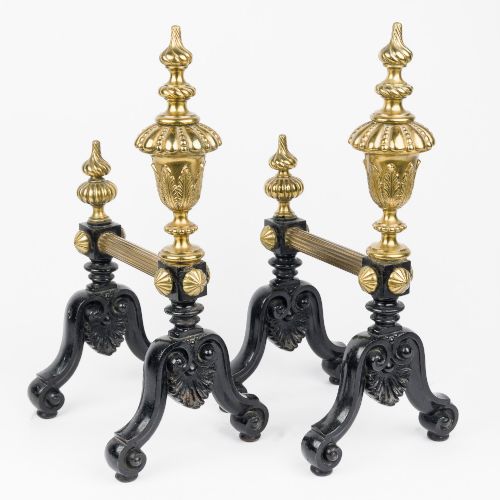
Many hearth sets combine cast iron bars for heat resistance with brass or bronze fronts for visual display. This mixed construction allowed the pieces to withstand high temperatures while presenting a polished appearance to the room.
Foundries utilised iron for the weight and strength required near the fire, reserving brass for the decorative finials and feet.
How should I clean antique brass and iron dogs?
Maintenance depends on the metal, requiring dry dusting for wrought iron and minimal intervention for aged brass patinas. Aggressive chemical polishes strip the historical character that collectors value on nineteenth-century surfaces.
Light brushing removes soot and ash buildup without harming the underlying metal or the hand-painted details on ceramic alternatives.