


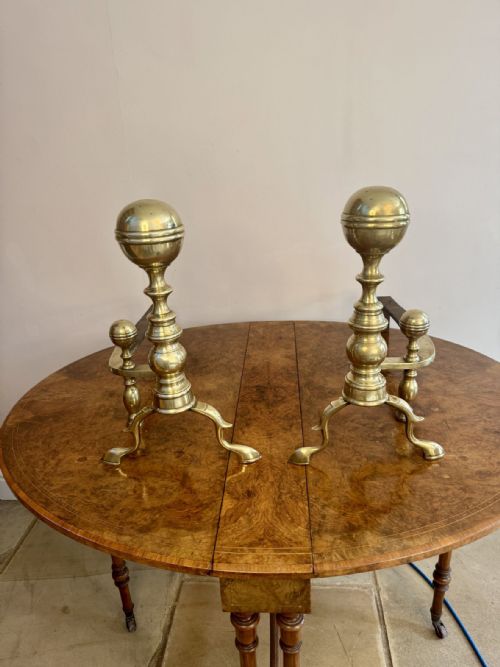
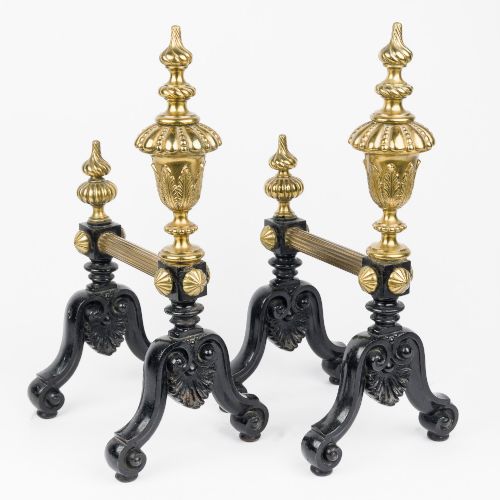
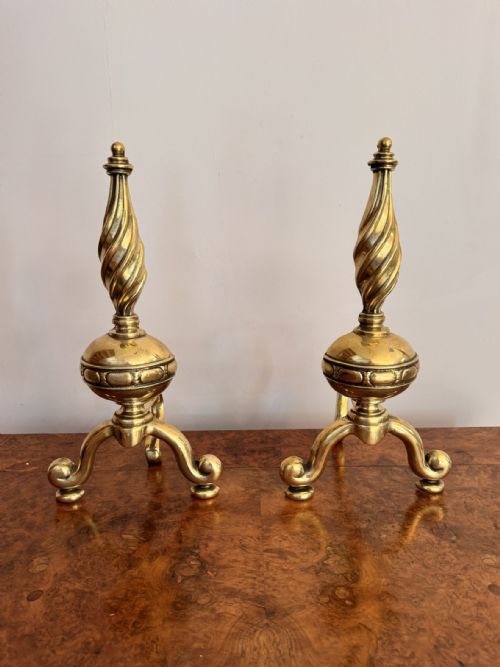
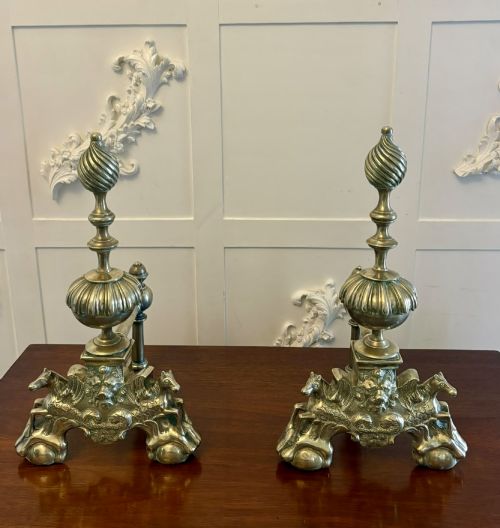

Victorian Brass Andirons
Victorian brass andirons are hearth furniture designed to support logs in an open fireplace, bringing period metalwork and decorative design to a room.
Victorian Brass Andirons
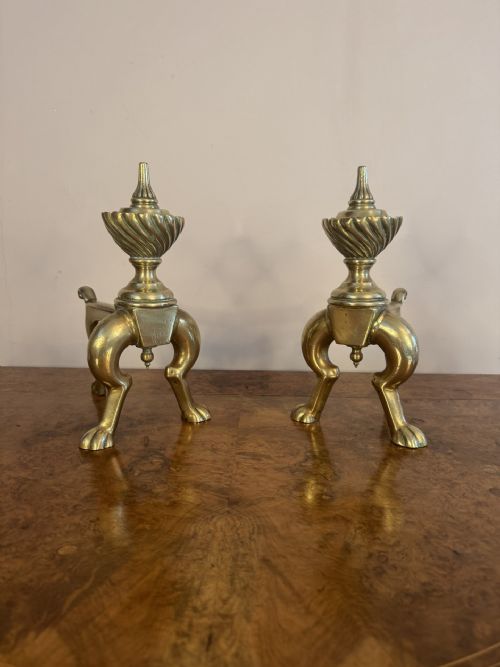
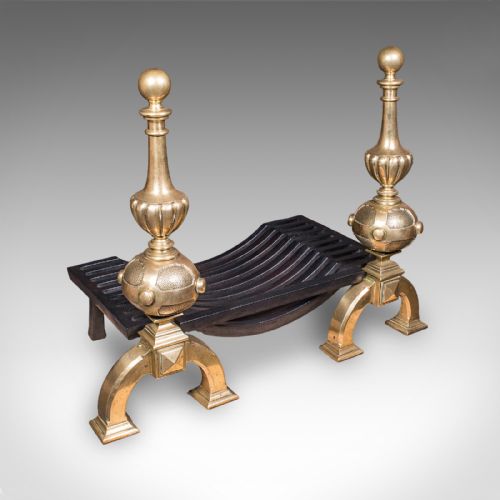
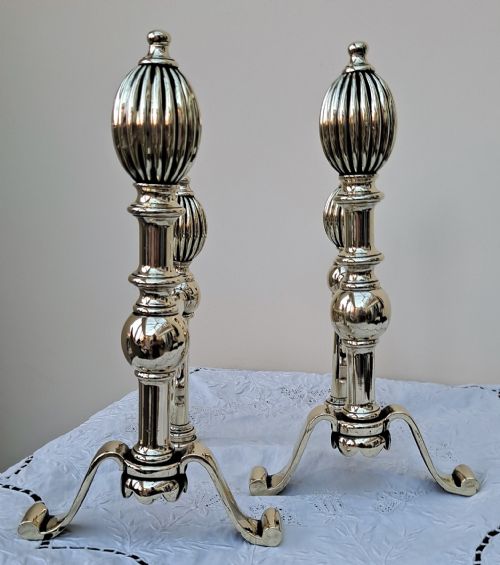
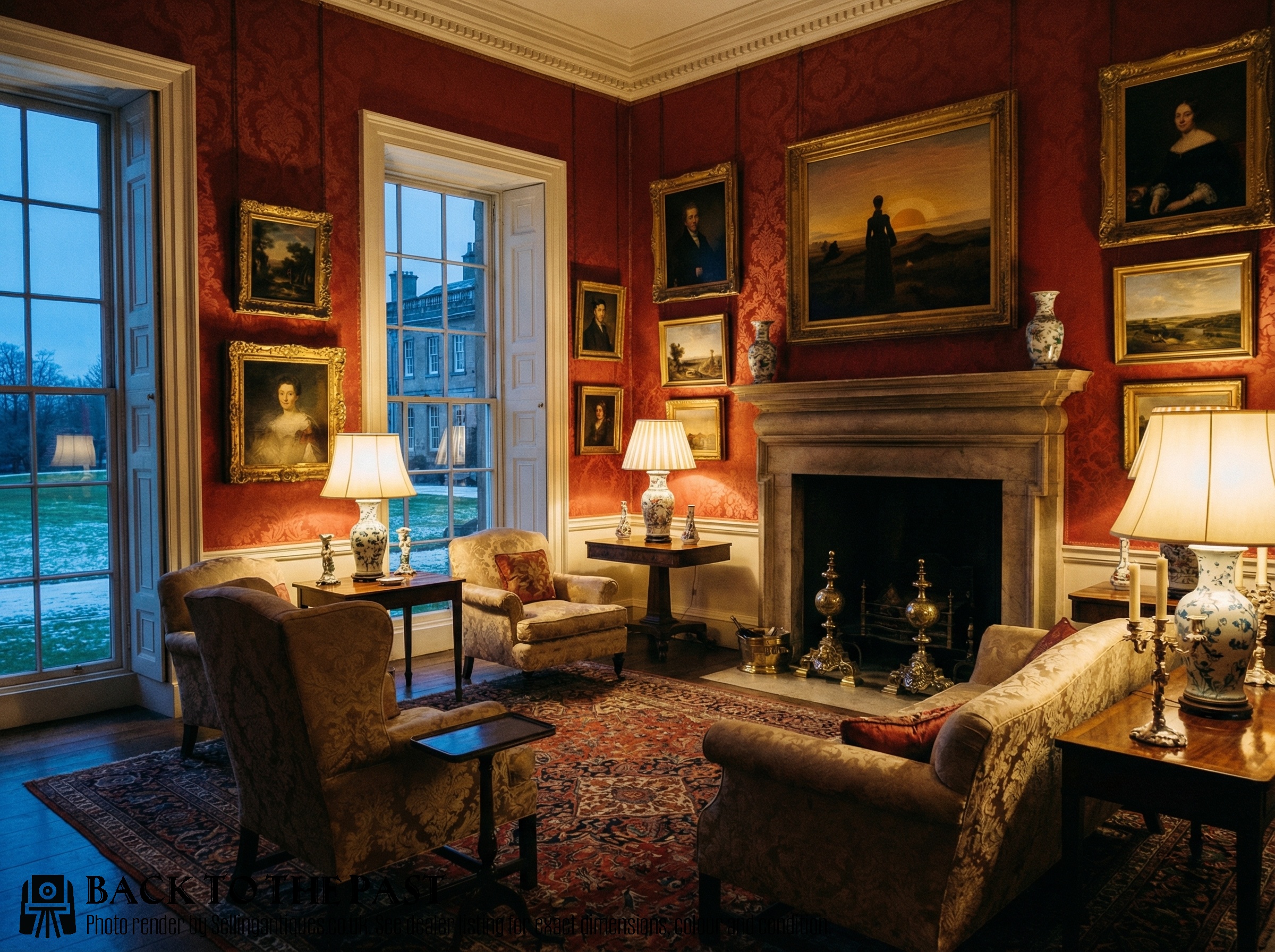
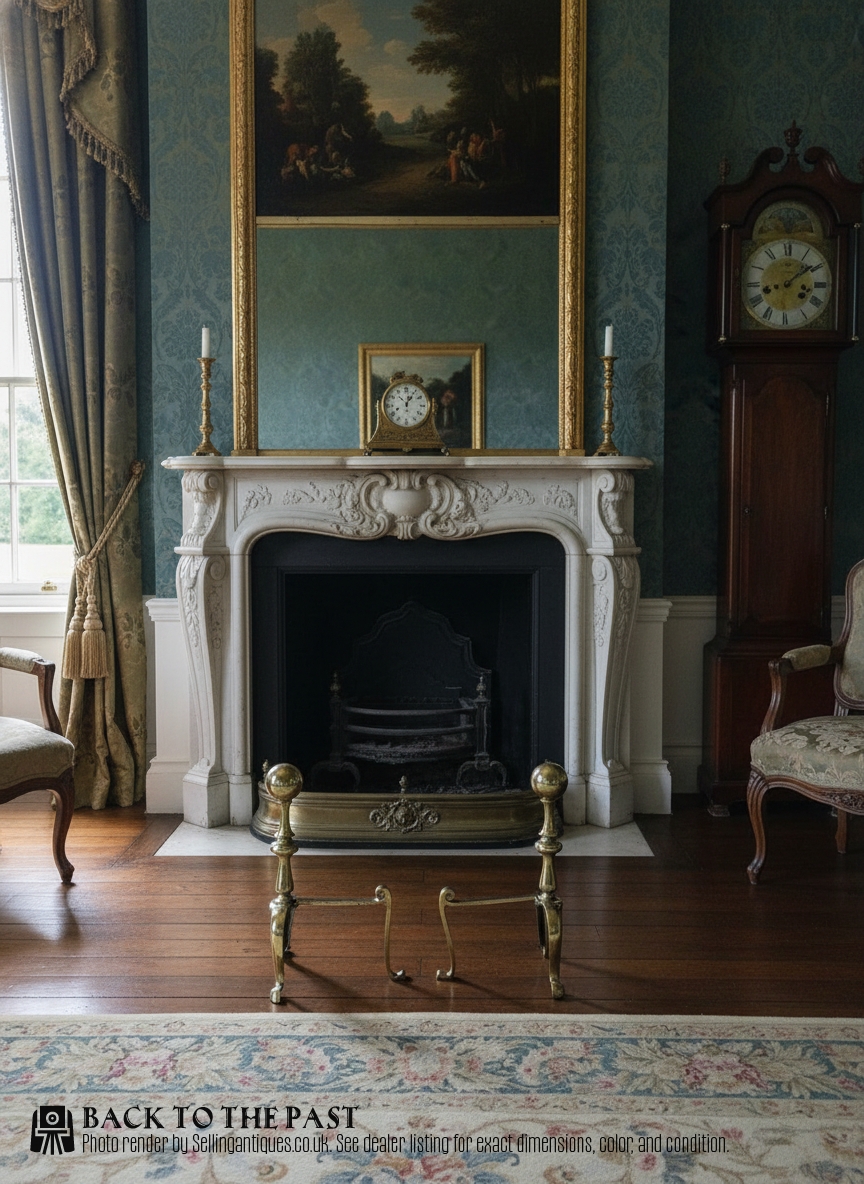
Victorian brass andirons serve to hold fuel wood above the hearth floor, allowing air to circulate beneath the fire for better burning. They appear in forms ranging from simple upright shafts with decorative finials to ornate pairs paired with companion sets and fire baskets.
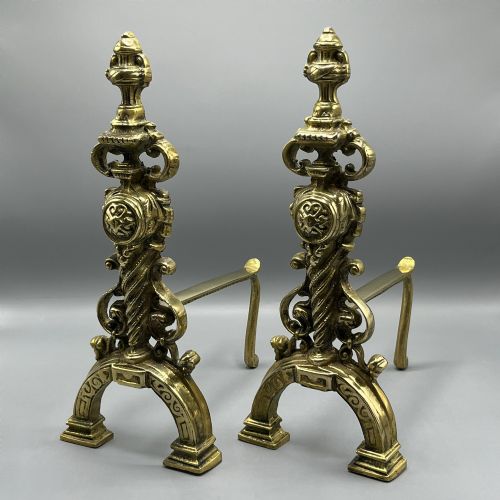
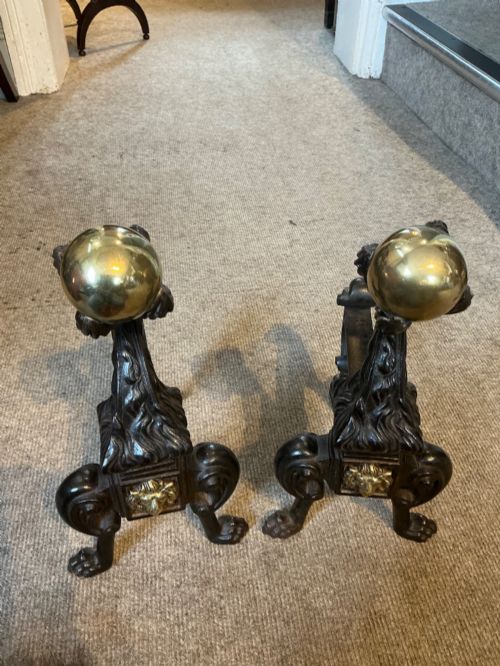
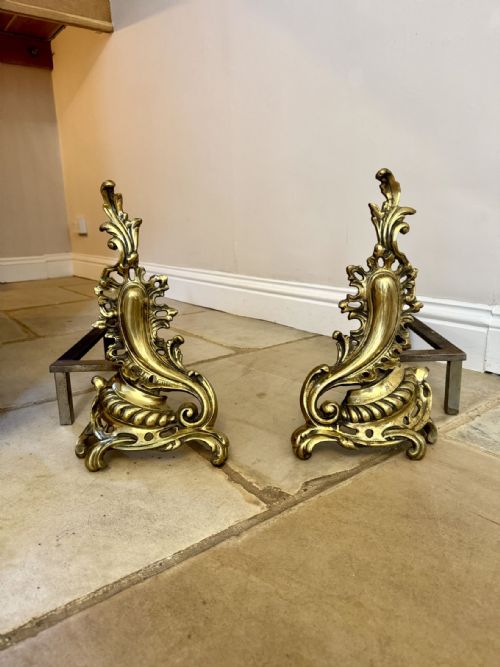
The pieces on this page span the nineteenth century, including specific dates from eighteen sixty to nineteen twenty, alongside broader Victorian and revival periods. Buyers encounter English and French origin points reflecting styles from French Rococo and Gothic Revival to Arts and Crafts and Aesthetic Movement designs.
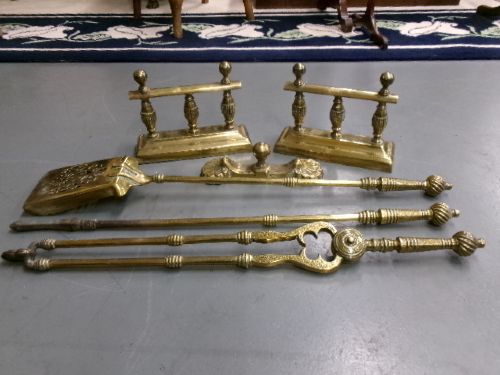
Many examples incorporate cast iron, wrought iron, or steel structural components combined with solid brass or cast brass fronts. They frequently accompany matching fire irons such as pokers, tongs, and shovels, forming complete fireside suites.
Materials and methods
Foundry work relied heavily on casting, producing solid brass and cast iron components that gave these hearth supports significant weight and stability. Makers also utilised wrought iron and steel for bars and shafts subjected to high heat.
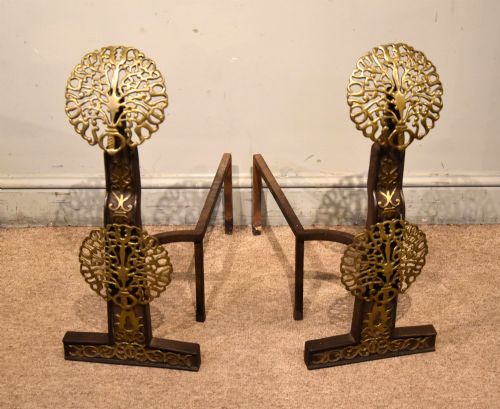
Decorative surfaces display detailed chasing, polishing, and applied copper elements to achieve varied textures. Individual makers combined cast brass ornamentation with heavy iron frames to balance decorative front standards with robust load-bearing utility.
Victorian Brass Andirons Retail Price Guide 2026
Typical asking prices for victorian brass andirons among the pieces listed under this phrase on Sellingantiques today, from the lower quarter to the upper quarter. They describe what is for sale here now, not the wider market.
Hearth accessories occasionally feature distinct animal visages, including solid brass owl faces keeping watch over the fireplace.
Judging quality
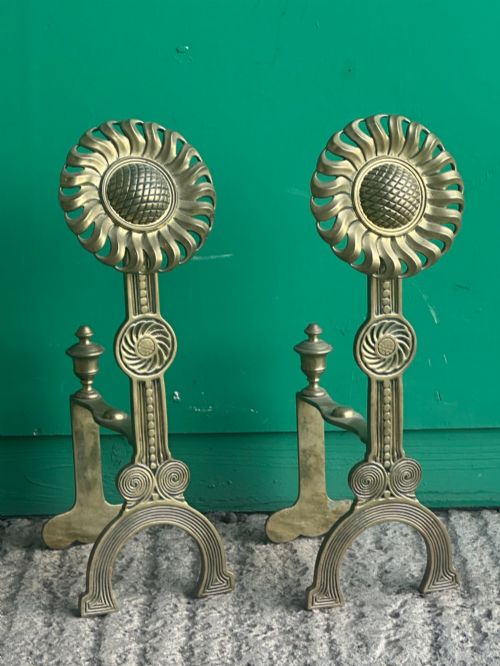
Quality rests in the crispness of the casting and the thickness of the metal used in the construction. Superior examples show deeply defined ornamentation on motifs like sunflower designs or animal faces rather than shallow, softened surface details.
Substantial weight and the use of solid brass rather than thin plated alternatives distinguish better pieces in the range. The integration of robust iron support bars behind the decorative front standards indicates higher manufacturing standards.

William Tonks·James Cartland & Sons
The Victorian Brass Andirons Glossary
- Andirons
- Supports made of metal used to hold logs in an open fireplace. They typically feature a decorative front pillar supported by a horizontal bar extending backward.
- Chenets
- The French term for andirons or fire dogs. These items often display more pronounced Rococo or scrollwork ornamentation.
- Fire dogs
- An alternative term for andirons. They derive their name from the animal-like or upright dog forms historically utilised on hearths.
- Companion set
- A matched collection of fireside tools usually comprising a poker, tongs, shovel, and stand. They are frequently found alongside andirons of the same period.
- Finial
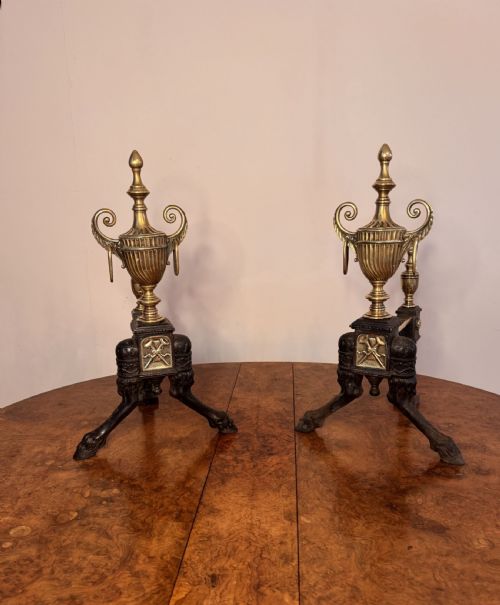
- The decorative topmost ornament on an andiron standard. Victorian makers shaped these into floral, urn, or figurative designs.
Victorian Brass Andirons: Frequently Asked Questions
How do I use andirons?
Andirons sit inside the hearth fireplace to hold logs slightly above the floor. This position lets air circulate underneath the wood for a cleaner, steadier burn.
They also protect the back and base of the fireplace opening while framing the hearth visually. Modern users place them in working open fires or utilise them purely as decorative focal points.
Were andirons sold alone?
Many pairs were produced as standalone items for the hearth. However, nineteenth-century makers also offered them as part of larger companion suites.
These expanded sets included matching fire irons like pokers, shovels, and tongs designed to complement the decorative style of the fire dogs.
How do I clean brass andirons?
Maintenance typically involves dusting and occasional gentle cleaning with a soft cloth to preserve the metal finish. Strong chemical cleaners can strip away historical patina that collectors value.
Polishing depends entirely on whether the owner prefers a bright golden shine or a darker, aged appearance.
What styles are common?
Victorian designs encompass a wide variety of historical revivals and contemporary movements. Pieces range from French Rococo scrolls and Gothic Revival points to Aesthetic Movement and Arts and Crafts creations.
Motifs can include geometric patterns, floral shapes like sunflowers, or animal figures such as owls.