


Victorian Fire Dogs
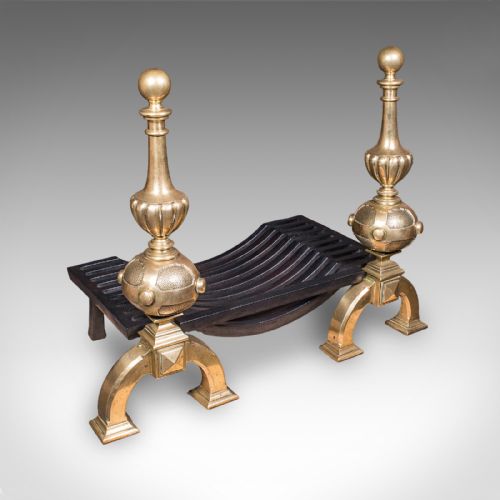
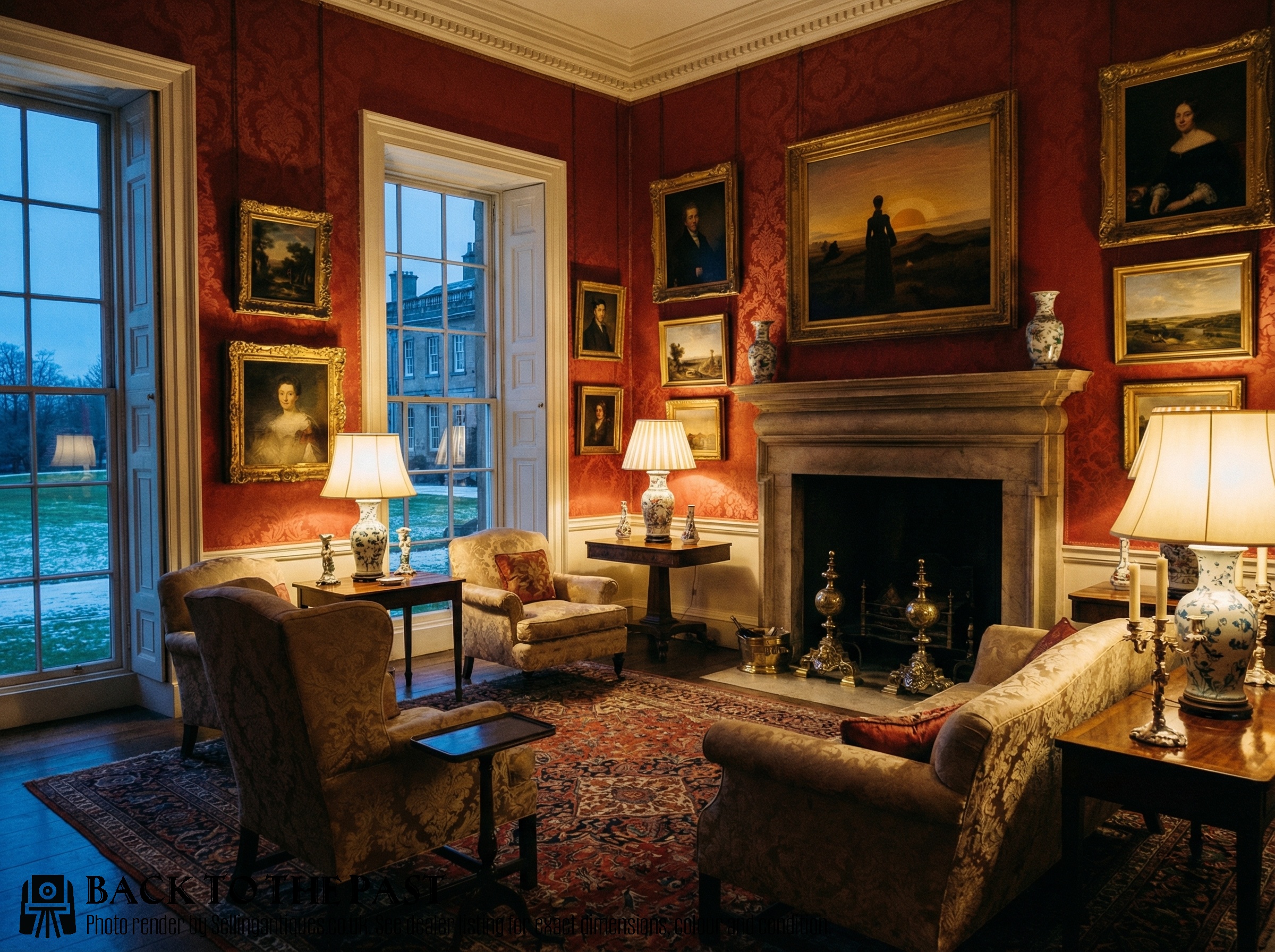
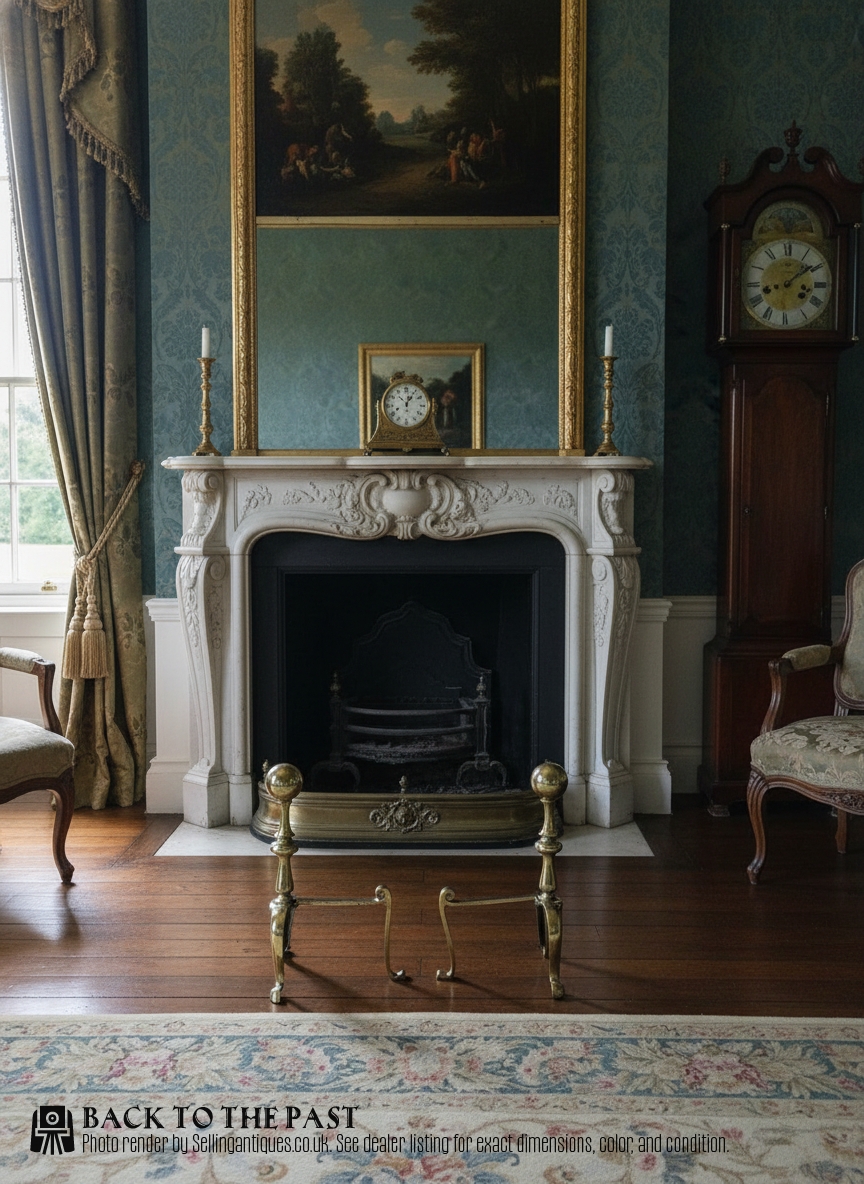
Victorian fire dogs support logs within a hearth while introducing distinct period character to a fireplace.
Victorian Fire Dogs
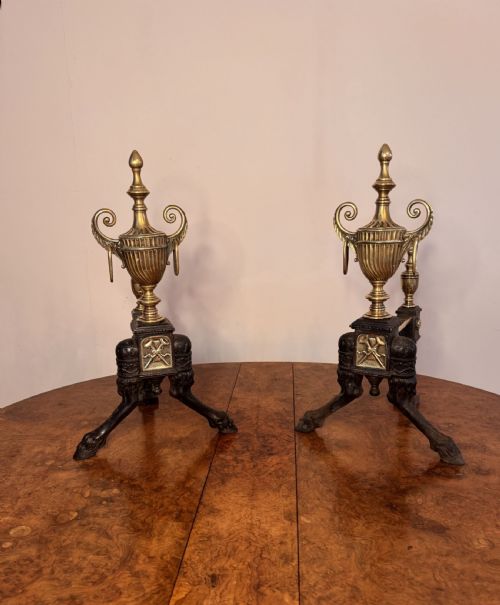
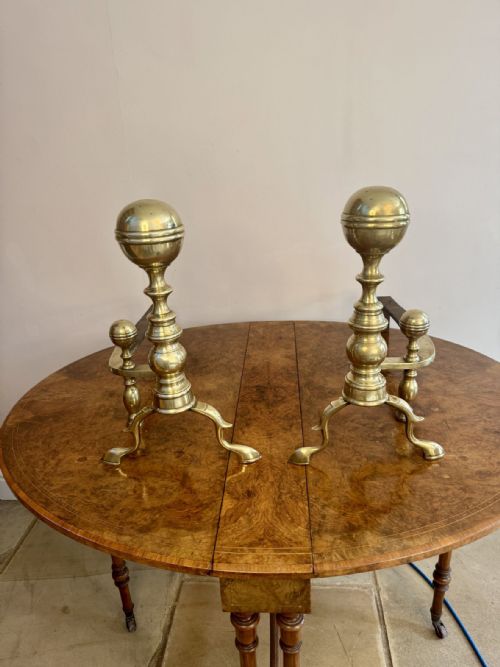
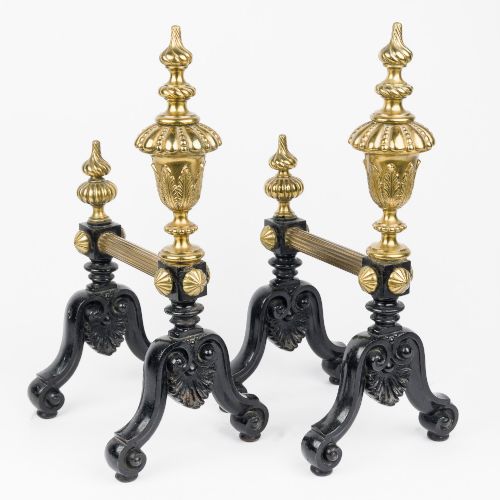
When you search for Victorian fire dogs, you encounter functional hearth furniture designed to elevate logs for better airflow and combustion. The pieces on this page span the nineteenth century and into the early twentieth century, taking the form of pairs intended to sit at either side of an open grate or hearth.
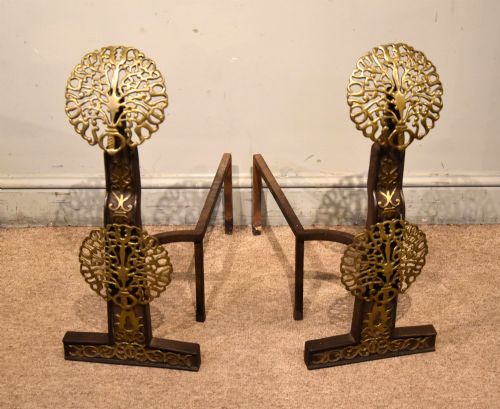
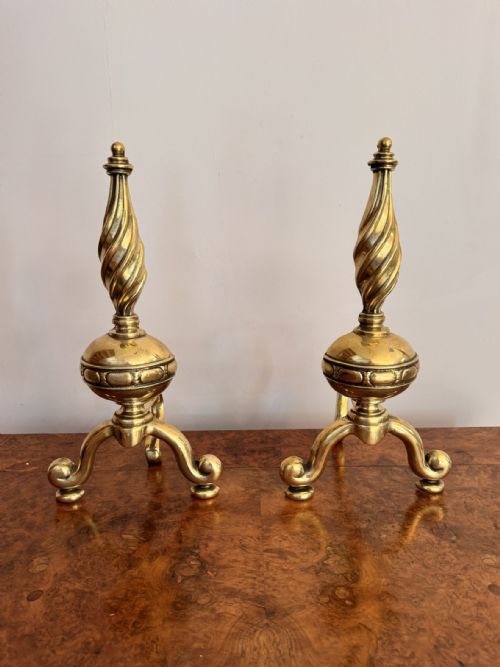
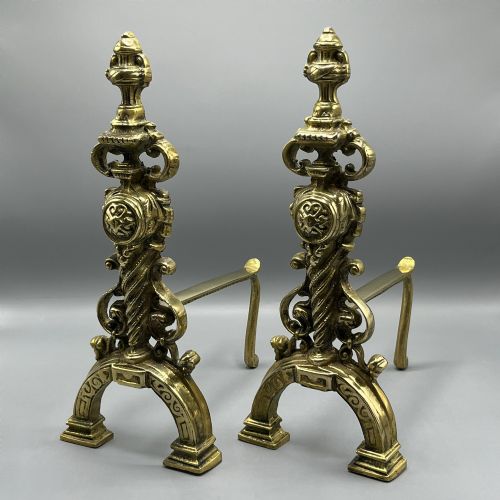
Brass is the predominant metal seen across these listings, often accompanied by cast iron, wrought iron, steel, and copper. Alongside plain utilitarian pairs, many examples incorporate decorative styles such as Gothic Revival, Arts and Crafts, French Rococo, and the Aesthetic Movement.
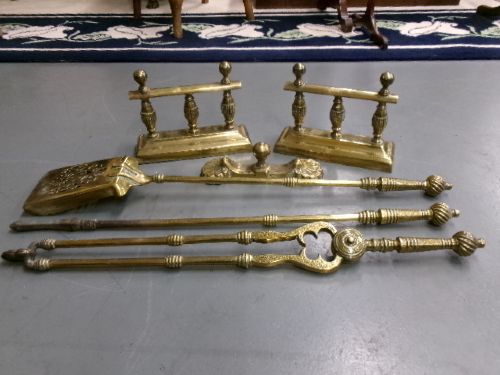
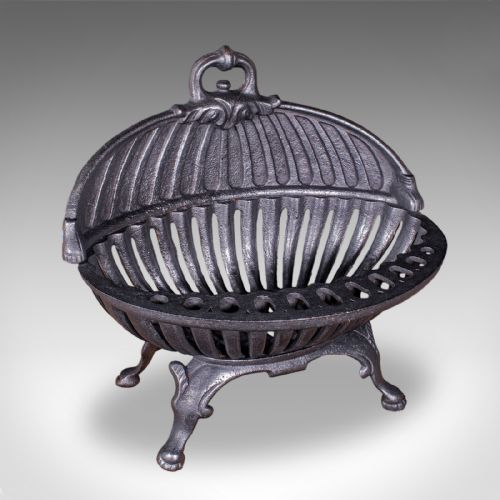
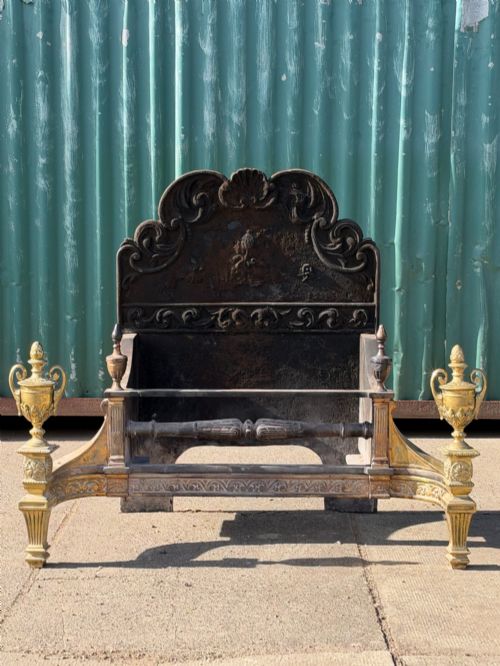
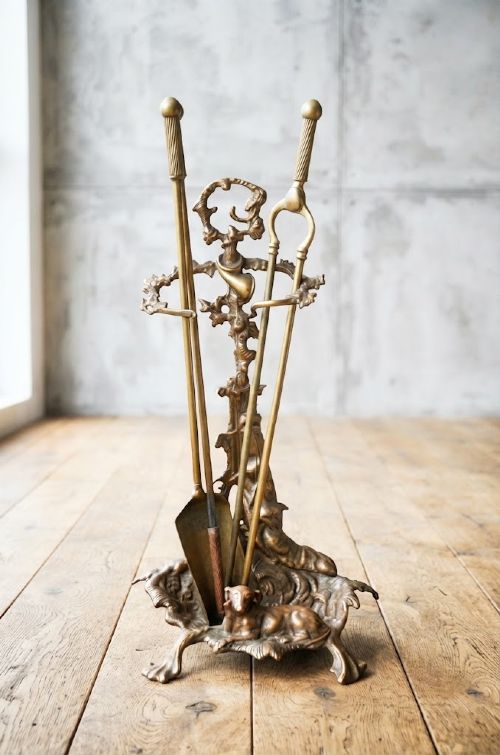
The objects frequently appear alongside complementary fireplace accessories, including fire grates, companion stands, tool rests, and fender sets. Pairs range from modest, neat heights to monumental and heavy constructions designed for large inglenook fireplaces.
How they were made
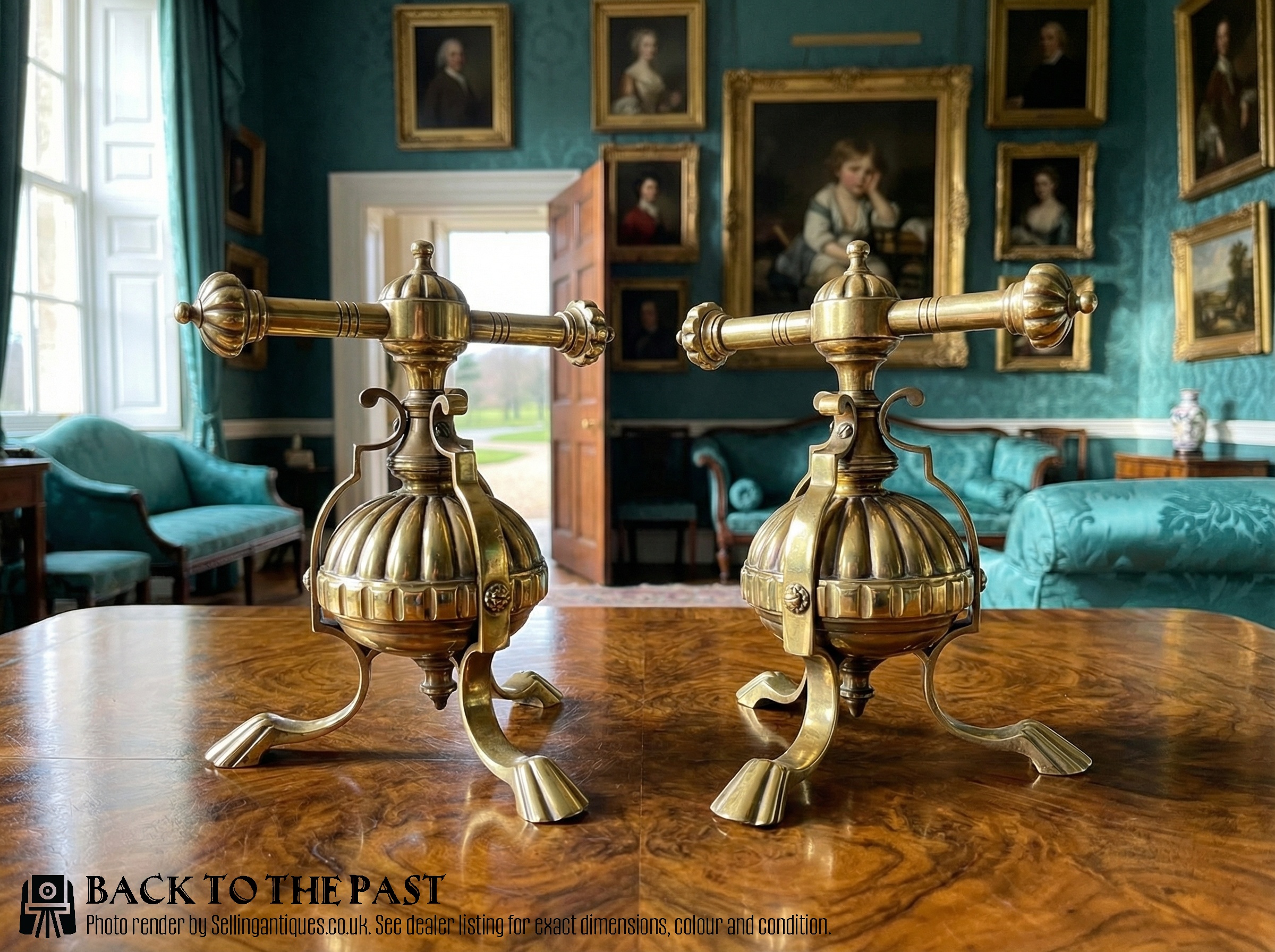
Foundry casting formed the basis of many brass and iron examples, allowing makers to produce solid, heavy components and detailed ornamentation like paw feet, sunflowers, and mythological motifs. Molten metal poured into moulds created substantial bodies capable of withstanding intense hearth heat.
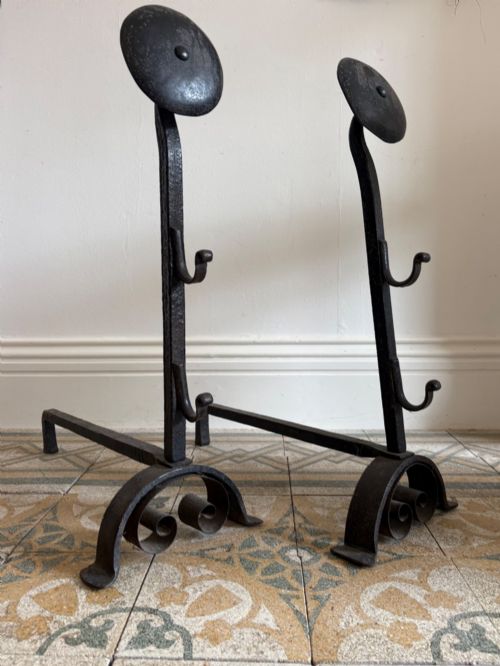
Wrought iron and steel pieces relied on traditional blacksmithing techniques, involving hammering, bending, and joining metal bars to achieve tall structural forms and Arts and Crafts silhouettes. Copper elements were occasionally added as contrasting highlights or accents to brass and iron frameworks.
Designers and manufacturers utilised specific artistic idioms of the period, from the geometric linearity favoured by Christopher Dresser and Thomas Jeckyll to elaborate cast rococo scrolls and neo-Gothic tracery.
Victorian Fire Dogs Retail Price Guide 2026
Typical asking prices for victorian fire dogs among the pieces listed under this phrase on Sellingantiques today, from the lower quarter to the upper quarter. They describe what is for sale here now, not the wider market.
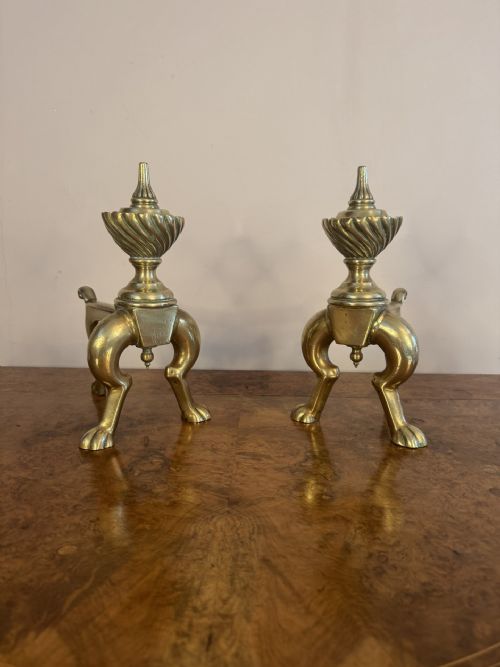
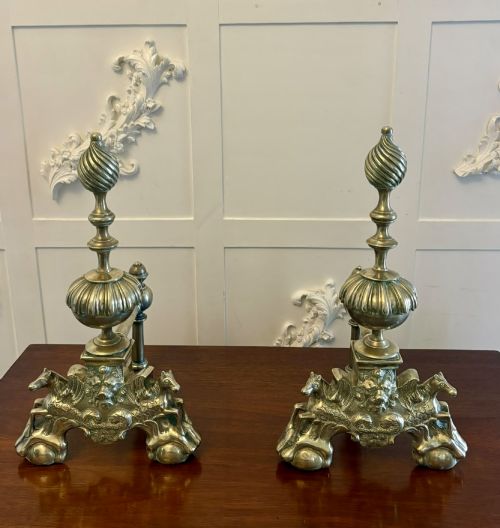
Several pairs feature steadfast lion paw feet, ready to stand guard over the hearth through every season.
What varies in quality
The distinction between ordinary and superior pairs lies in the weight of the metal and the crispness of the casting. Substantial solid brass and heavy iron examples display deeply chased or sharply defined surface details, whereas lesser items rely on shallow moulding and lighter gauge metals.
Artistic ambition also separates the range, with workshop pieces reflecting specific design movements like the Aesthetic Movement or Arts and Crafts showing considered proportions and individual character compared to mass-produced foundry output.
James Cartland and Sons·William Tonks·Thomas Jeckyll·Christopher Dresser
The Victorian Fire Dogs Glossary
- Andirons
- Supports used in an open fireplace to raise logs above the hearth floor. They typically feature a horizontal billet bar and an upright decorative front.
- Fire Grate
- A metal basket or rack holding coal or wood within a fireplace. These frequently accompany pairs of fire dogs.
- Companion Stand
- A matching holder or rack designed to keep fire irons such as pokers, tongs, and shovels orderly. They share stylistic traits with the accompanying fire dogs.
- Gothic Revival
- A nineteenth-century design style drawing inspiration from medieval architecture and ornamentation. Pieces in this style often incorporate pointed arches and heavy tracery.
Victorian Fire Dogs: Frequently Asked Questions
What is the difference between fire dogs and andirons?
The terms are generally used interchangeably to describe the same hearth supports. Both refer to the metal uprights placed at the front of a fireplace to hold logs.
Historically, andirons occasionally included integrated spit racks or baskets, while fire dogs specifically denote the ornamental front supports found in Victorian settings.
How do I choose the right size for my fireplace?
Measure the width and depth of your hearth space before selecting a pair. Tall or monumental pairs require generous inglenook openings, whereas neat, smaller iron or brass variants suit standard domestic grates.
Proportion is essential so the dogs do not overwhelm the hearth or leave insufficient room for the fire basket.
Can these fire dogs be used with a modern working fire?
Most period examples are constructed from durable cast iron, solid brass, or wrought iron intended for actual combustion use. They were built to withstand high temperatures and support heavy logs.
It remains wise to check for structural integrity and ensure any restored joints remain secure before lighting an open fire.
How do I identify Arts and Crafts fire dogs?
Arts and Crafts pieces emphasise honest construction, hand-worked surfaces, and simplified forms inspired by designers like Christopher Dresser. They often utilise wrought iron or brass with stylised plant motifs rather than ornate classical scrolls.
The aesthetic values simplicity and craftsmanship over industrial mass production.