


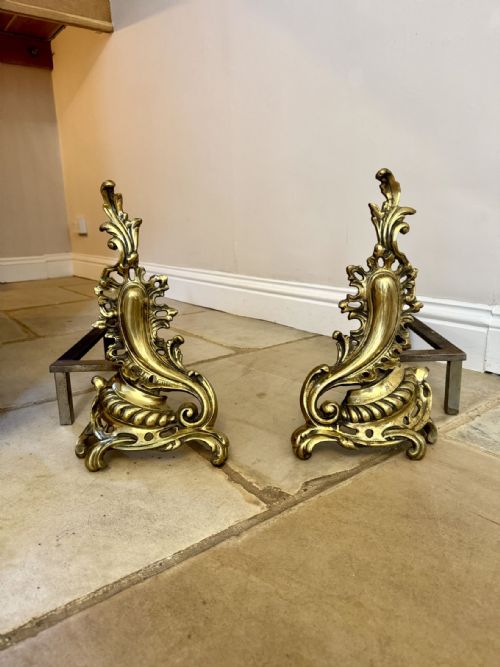
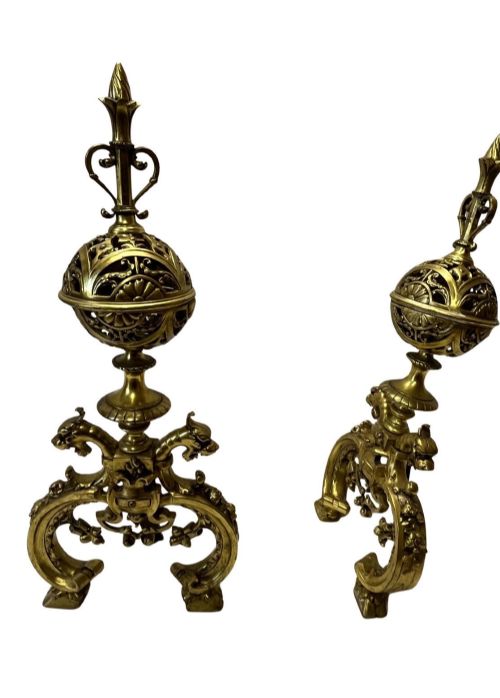
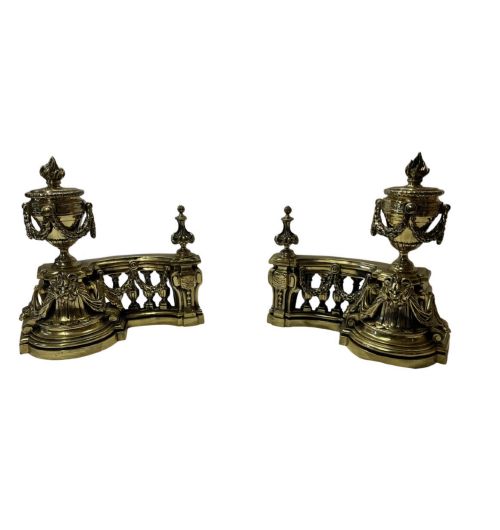


Ornate Brass Fire Dogs
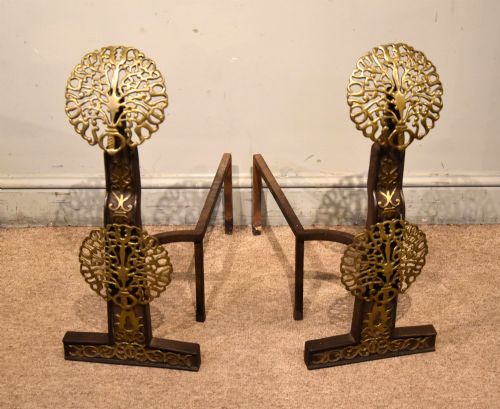
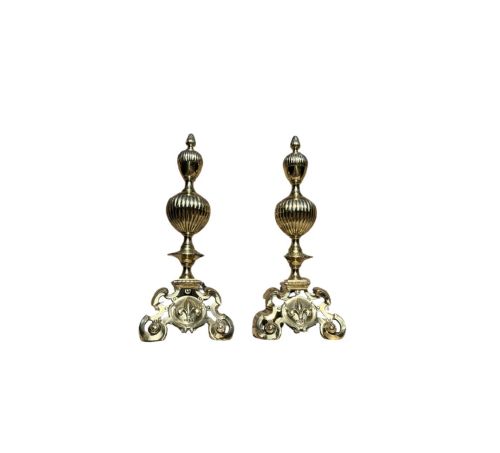
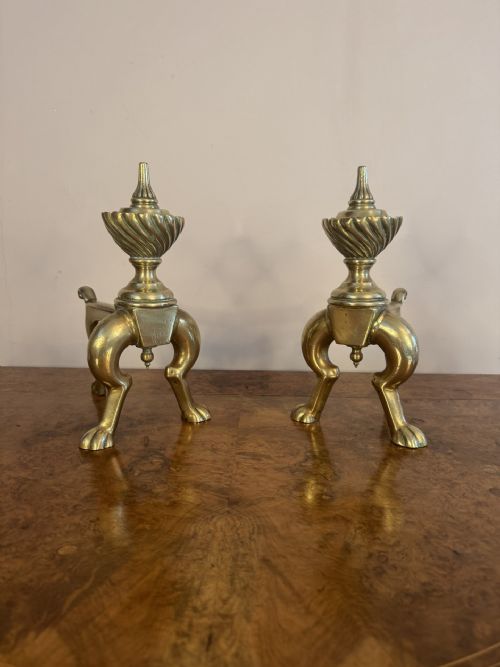
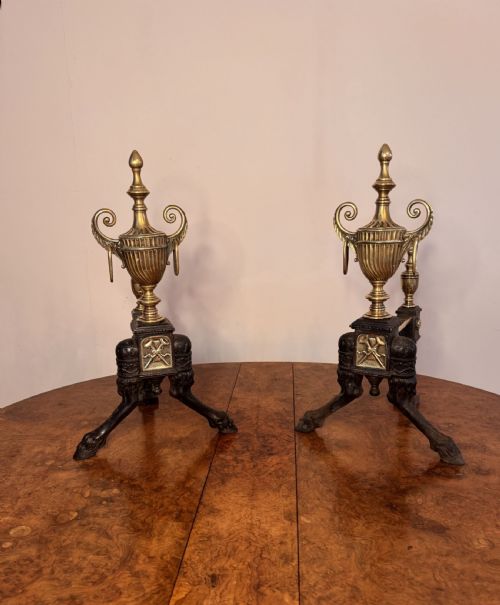
These ornate brass fire dogs support logs while holding a room with their sculptural cast metalwork.
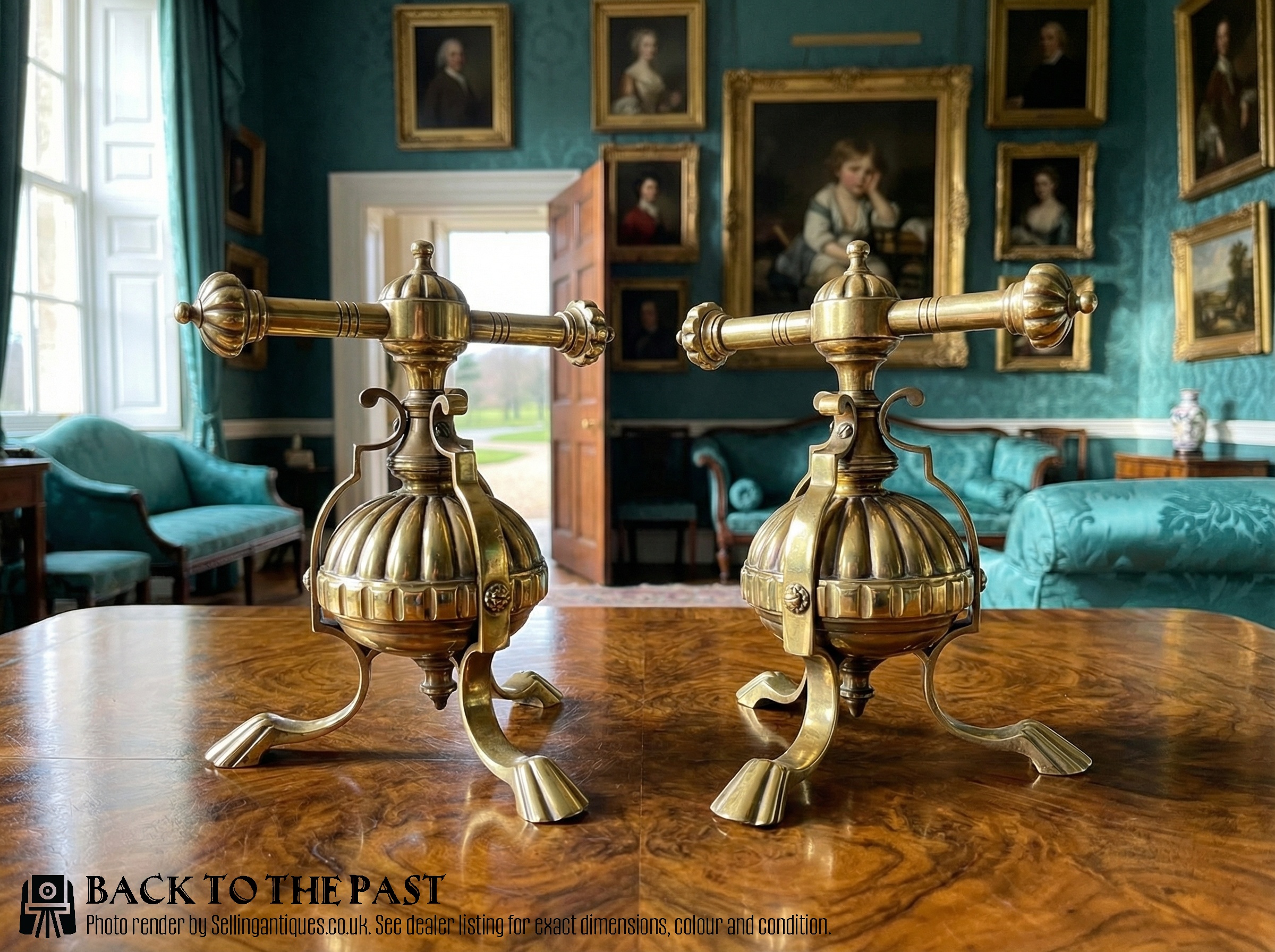
Ornate Brass Fire Dogs
Ornate brass fire dogs stand at the hearth to elevate firewood and prevent logs from rolling onto the floor. Buyers look for substantial pairs that bring decorative weight to an open fireplace.
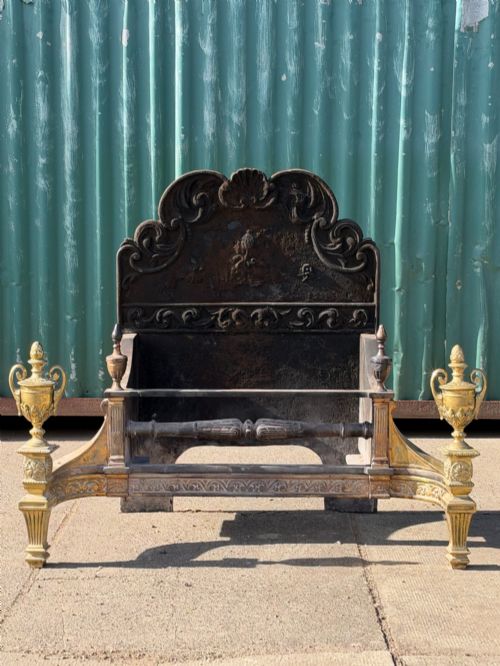
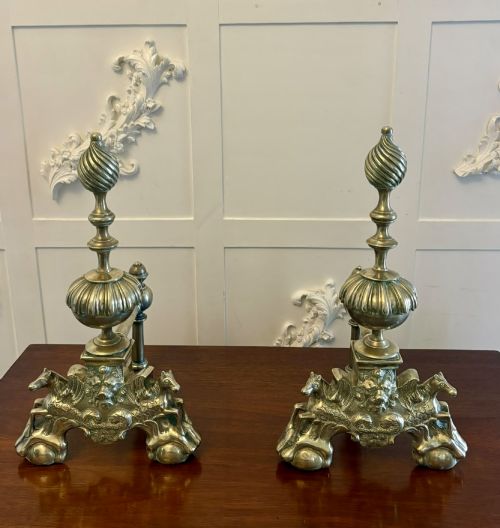
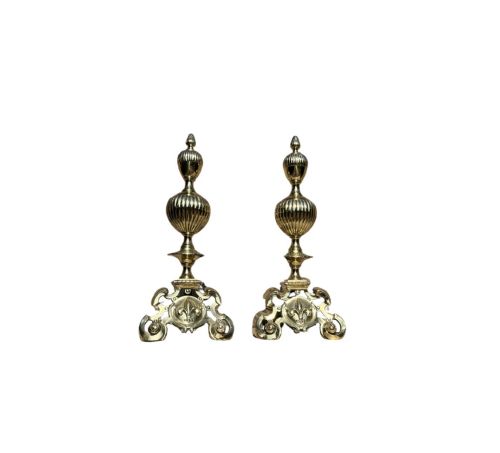
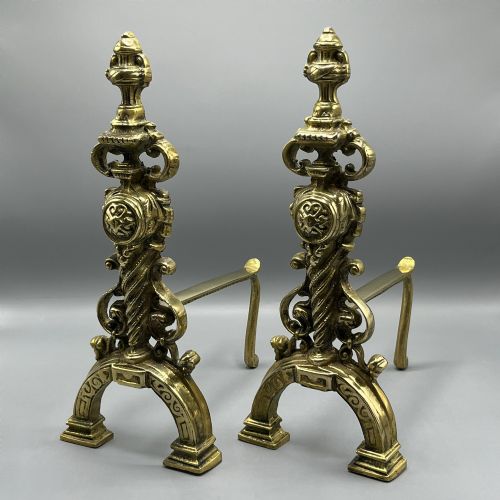
The versions most common on this page date from the nineteenth century, including Victorian examples and French pieces influenced by Rococo and Baroque styles. They take the form of paired chenets, andirons or firedogs designed to sit forward in the hearth opening.
Many incorporate iron components for structural strength beneath the decorative metal fronts. They frequently appear alongside matching fireplace fenders and grates to complete the hearth arrangement.
How they were made
Maker's workshops cast metal using brass, cast iron, gilt brass, ormolu and gilt bronze to achieve complex sculptural relief. Molten metal poured into moulds captured deep scrolls, acanthus leaves and asymmetrical shell motifs.
Finishing involved hand-chasing and polishing the cast elements to sharpen the details before assembly with iron framing. Wrought iron provided the sturdy horizontal billets and rear uprights necessary to bear the weight of burning wood.
Ornate Brass Fire Dogs Retail Price Guide 2026
Typical asking prices for ornate brass fire dogs among the pieces listed under this phrase on Sellingantiques today, from the lower quarter to the upper quarter. They describe what is for sale here now, not the wider market.
Listings feature items from the nineteenth century, including specific production dates like 1850, 1880, 1890, 1900 and 1920.
What varies in quality
Quality rests in the crispness of the casting and the depth of the chased surface detail. Superior pairs show sharp relief along the scrollwork and animal motifs, whereas simpler examples rely on flatter, more mechanical surface patterns.
The choice of materials also separates standard production from exceptional work. Heavy solid brass and fire-gilded ormolu carry a deeper lustre and substantial weight compared to lighter cast alloys.
James Cartland & Sons
The Ornate Brass Fire Dogs Glossary
- Andirons
- Supports for firewood in an open fireplace, comprising a vertical decorative front on legs with a horizontal bar behind. They are also known as firedogs.
- Chenets
- French term for fire dogs, often denoting decorative metal pieces designed in the Rococo or Baroque taste. They sit at the front of the hearth.
- Ormolu
- Finely ground high-carat gold applied to a bronze or brass base using a mercury amalgamation process, or later electroplating. It gives a rich golden finish to nineteenth-century decorative metalwork.
- Billet bar
- The horizontal iron bar extending backward from the front standard to support the burning logs. It bears the thermal strain of the fire.
Ornate Brass Fire Dogs: Frequently Asked Questions
What do ornate brass fire dogs do?
These pieces elevate logs inside an open fireplace to improve air circulation and help wood burn more efficiently.
They also serve a decorative purpose, filling the hearth space with polished metalwork and sculptural forms when the fire is unlit.
How do I clean ornate brass fire dogs?
Dust them regularly with a soft dry cloth to prevent soot buildup in the recesses of the casting. Avoid harsh chemical cleaners that strip the historic patina from the brass or gilt surfaces.
For stubborn residue, warm soapy water and a soft brush will clean the metal without scratching the finish.
Are these fire dogs safe for use?
Most antique pairs combine cast brass fronts with sturdy iron billet bars designed to withstand high heat. They support standard fireplace logs effectively during regular use.
Ensure the horizontal bars and rear supports are stable before placing heavy wood upon them.
How do I date nineteenth-century fire dogs?
Dating relies on stylistic clues such as the sweeping asymmetry of French Rococo revival designs or the heavier neoclassical motifs popular in Victorian rooms. Maker marks, where present, help pinpoint the decade of manufacture.
The construction methods, such as the use of cast iron combined with brass elements, also point to nineteenth-century foundry practices.