


Gilt Bronze Chenets
These gilt bronze chenets anchor a hearth with warm metallic brilliance, offering the decorative weight of nineteenth-century French reception rooms.
What gilt bronze chenets are
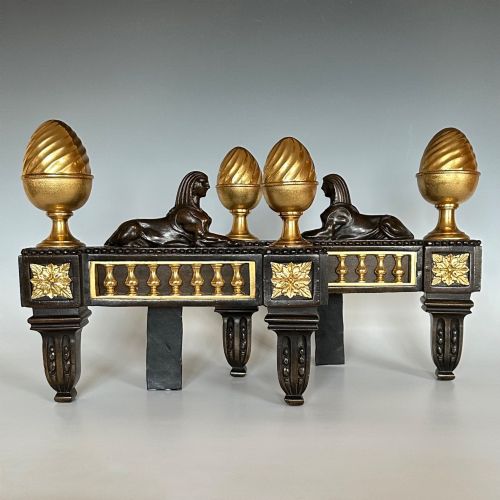
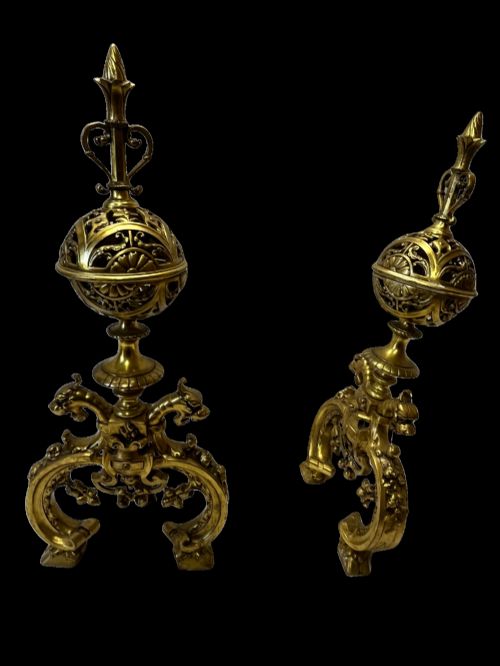
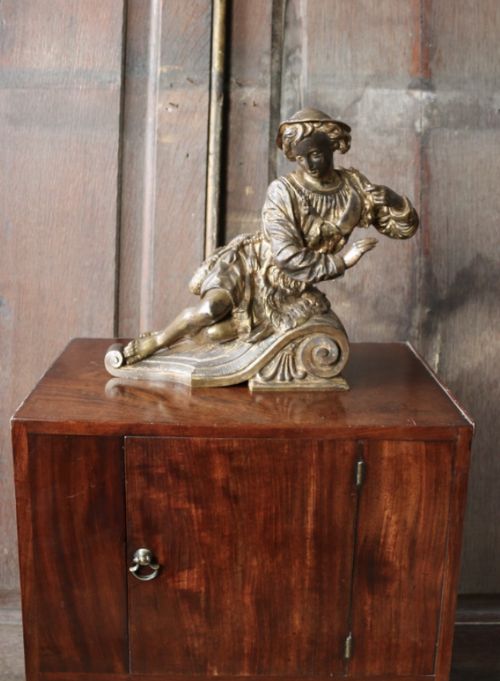
Gilt bronze chenets, also known as fire dogs, stand at the front of a hearth to support logs and complete the architectural arrangement of a fireplace. These heavy metal supports appear in nineteenth-century forms ranging from early 1800 examples to later Victorian revivals.
Buyers encountering this selection will most frequently meet nineteenth-century French designs, particularly pieces reflecting Louis XIV and Louis XV revivals. The inventory spans matching pairs and individual fire dogs, often accompanied by associated grates or fenders.
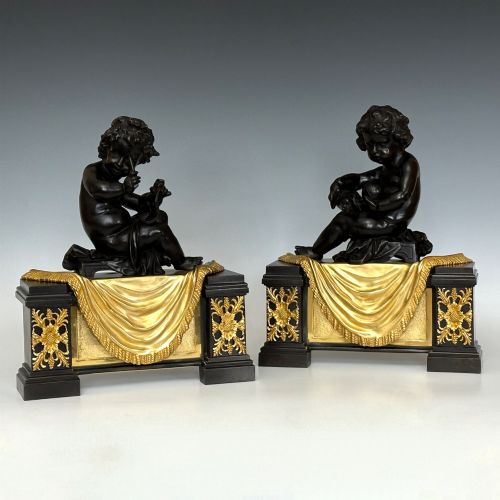
The decorative vocabulary draws heavily on French Rococo and chateau aesthetics, incorporating figural elements, cherubs, and putti alongside scrolling cast metalwork. These accessories function as sculptural ornaments for the fireplace even when no fire burns.
How they were made
Maker's workshops built these pieces using durable base metals including bronze, cast iron, and gilded brass, layered with ormolu and parcel gilt finishes. The casting process captured intricate figural details like cherubs and scrolling foliage before the application of surface gilding.
Advanced examples incorporate functional engineering such as adjustable width mechanisms to fit various hearth sizes while maintaining their decorative symmetry.
Retail Price Guide 2026
Typical UK retail prices for gilt bronze chenets, calculated from the Sellingantiques database of over a million retail prices indexed since 2003. This retail price guide relies exclusively on Sellingantiques data; no external sources or auction records are used, so the figures do not describe the wider market.
Listings feature nineteenth-century pieces incorporating ormolu, bronze, cast iron, and gilded brass across Louis XIV and French Rococo styles.
What varies in quality
Weight and structural integrity also separate the grades, with better items utilising substantial bronze bodies and robust iron billets designed to withstand intense hearth heat.
The Gilt Bronze Chenets Glossary
- Chenet
- A metal support placed horizontally in a fireplace to hold wood above the hearth floor. Also referred to as a fire dog.
- Ormolu
- Finely ground high-carat gold applied to a bronze base using a mercury amalgamation technique, or modern electroplating methods that simulate the same lustre. This rich surface treatment defines the appearance of high-status French fireplace fittings.
- Parcel Gilt
- A decorative finish where only specific portions of an object receive gilding, leaving contrasting areas of patinated bronze or dark metal exposed.
- Putto
- A plump, naked male child figure frequently depicted in classical and Renaissance art, often appearing as a cherub on nineteenth-century hearth ornaments.
- Fire Fender
- A low metal guard placed around the hearth to contain sparks, frequently matched stylistically with a pair of chenets.
Frequently Asked Questions
How do I use chenets in a modern fireplace?
These pieces sit on the hearth floor inside the fireplace opening, where they can hold logs in traditional open fires or simply stand as decorative ornaments. Many collectors place them in non-working fireplaces to maintain a period aesthetic.
Ensure the width of your hearth accommodates the base of the chenets, and utilise adjustable models if your fireplace opening varies in size.
What is the difference between chenets and fire dogs?
The terms are largely interchangeable when describing ornamental hearth supports from the nineteenth century. Historically, fire dogs often included an integrated horizontal bar for holding wood, while chenets sometimes emphasised decorative frontal sculpture.
Both terms appear frequently in period descriptions to designate matching pairs of metal firedogs used at the front of a hearth.
How do I date a nineteenth century chenet?
Dating relies on stylistic clues such as the transition from early nineteenth-century restraint to the ornate flourishes of later Rococo and Louis XIV revivals. The specific cast metal composition and manufacturing marks also help narrow down the decade of production.
Consulting the overarching design period, such as 1850 or 1880 markers, provides a reliable window into the object's age.
Are these pieces suitable for outdoor use?
These decorative metal objects were designed exclusively for indoor domestic hearths and reception rooms. Exposure to moisture will damage the delicate ormolu, parcel gilt, and patinated bronze surfaces.
Keep them inside away from damp environments to preserve the integrity of the gilded brass and bronze materials.