
Antique Fireplace Andirons
Antique fireplace andirons are the structural metal supports that hold fuel wood above the hearth floor to improve draught.
Antique Fireplace Andirons
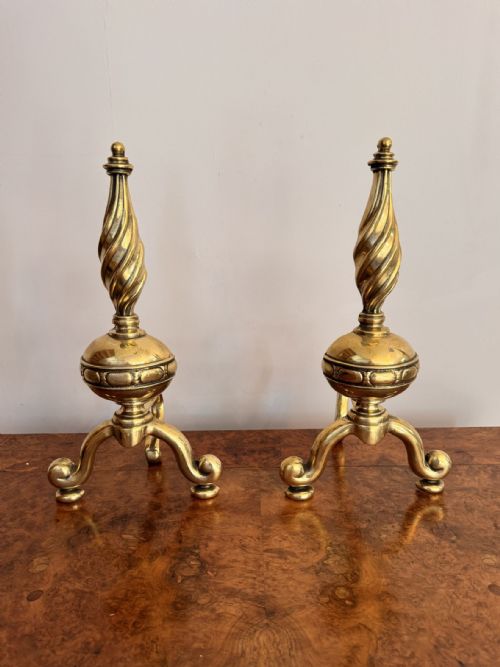
Antique fireplace andirons, also known as fire dogs, are heavy metal supports placed inside a hearth to hold logs clear of the hearth floor. This arrangement allows air to circulate underneath the wood, feeding the flames and improving combustion.
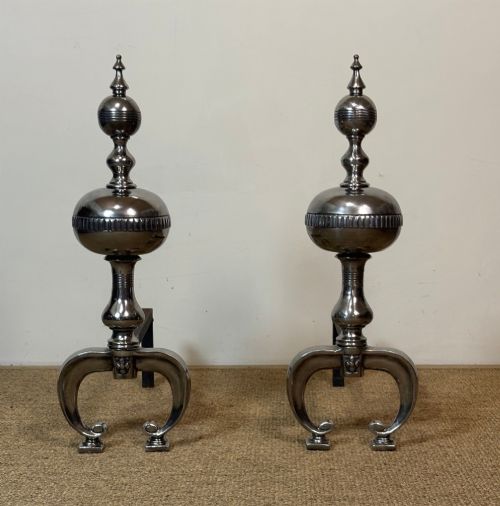
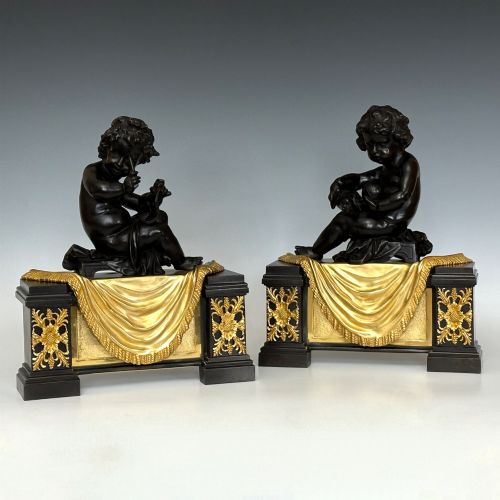
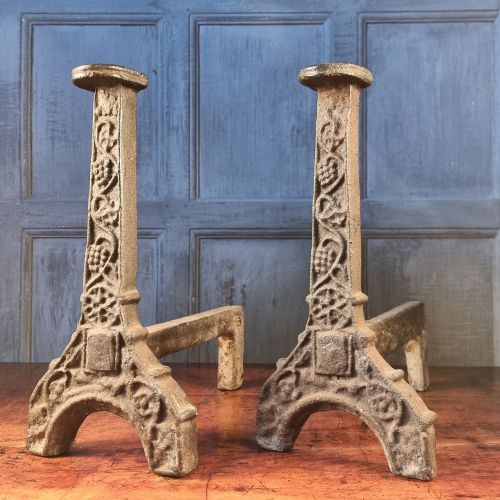
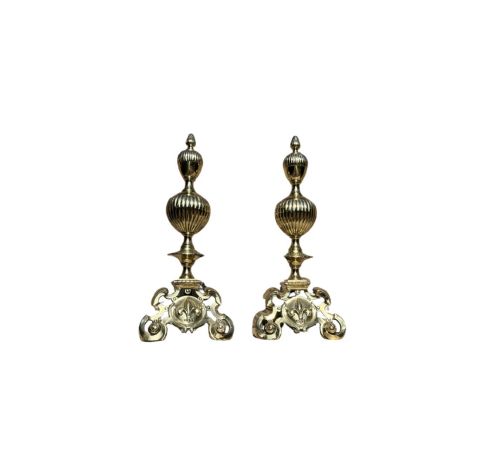
The pieces listed on this page span several centuries, with a strong representation of 19th-century Victorian and Edwardian examples alongside earlier Georgian and 18th-century forms. Buyers encounter both utilitarian iron versions and highly decorative brass, bronze, and ormolu designs suited to formal reception rooms.
How they were made
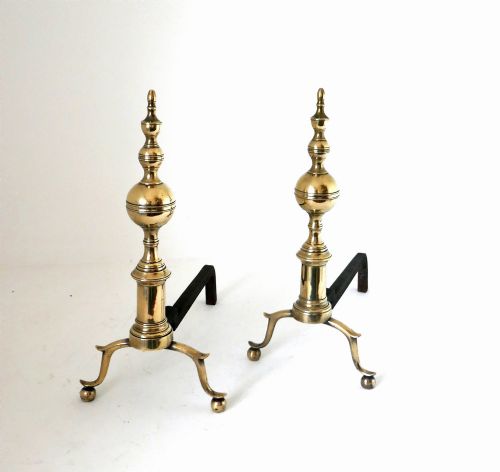
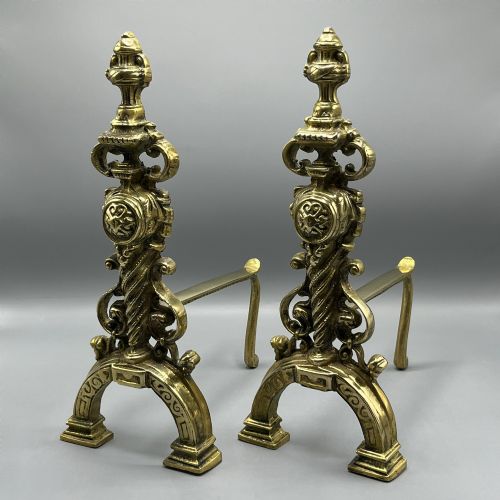
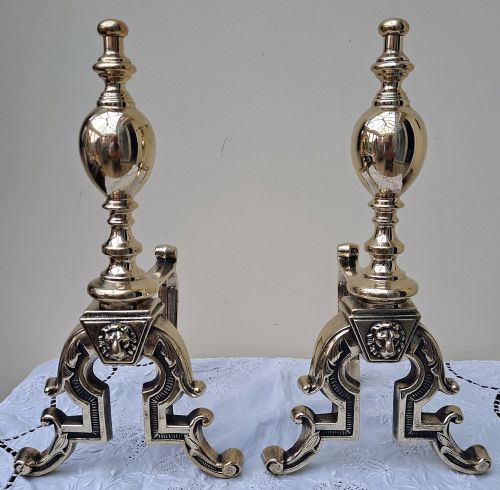
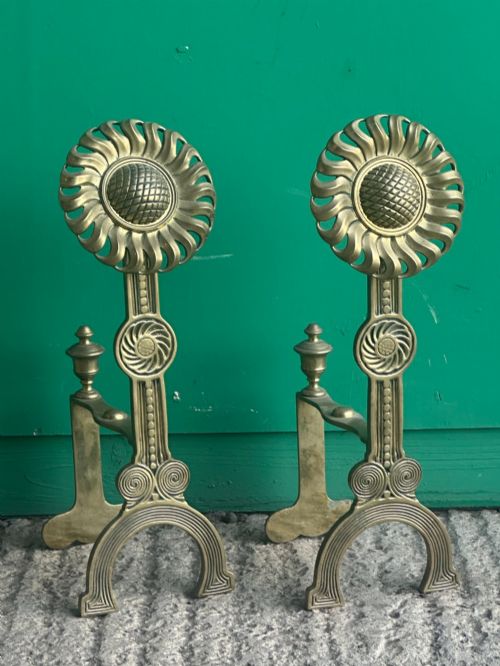
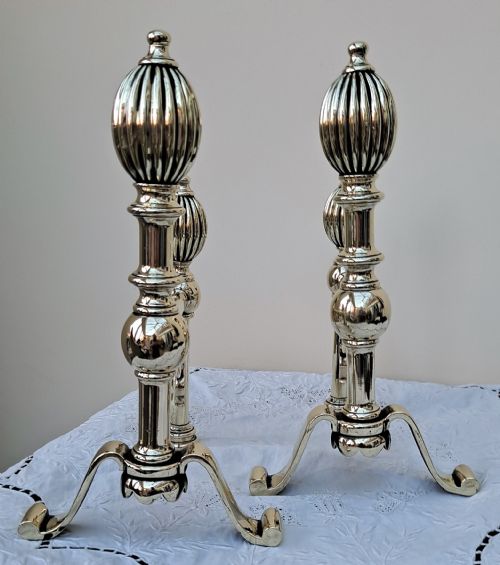
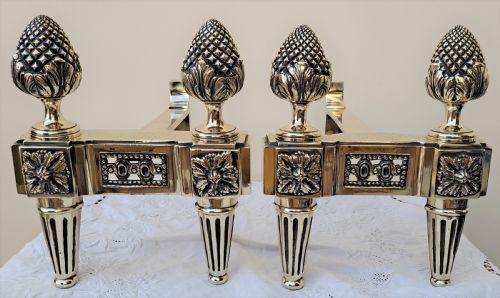
Makers utilised durable metals capable of withstanding intense hearth temperatures, relying heavily on cast iron, wrought iron, and steel for structural strength. For decorative effect, brass, bronze, and gilt ormolu were cast and applied to the front standards.
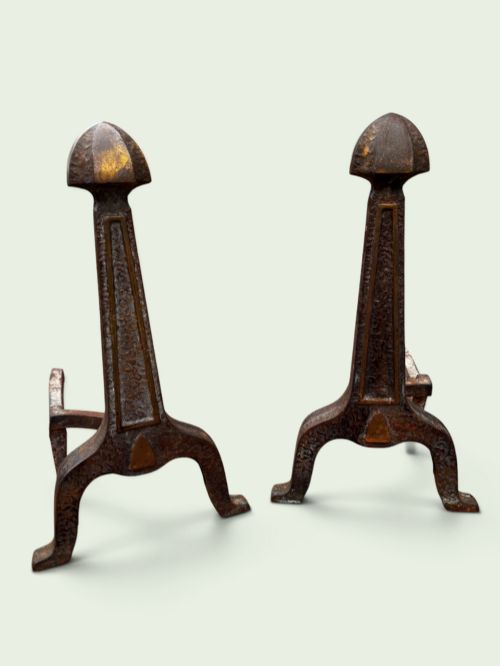
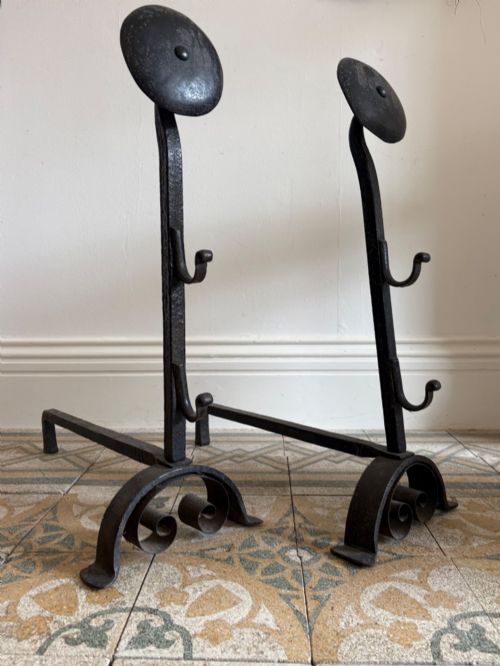
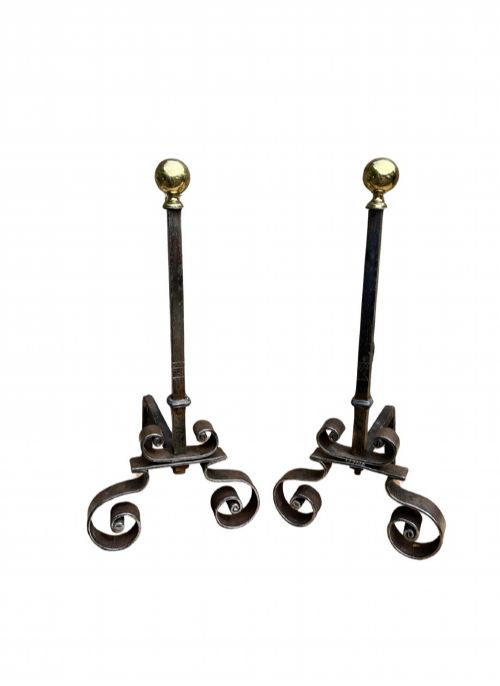
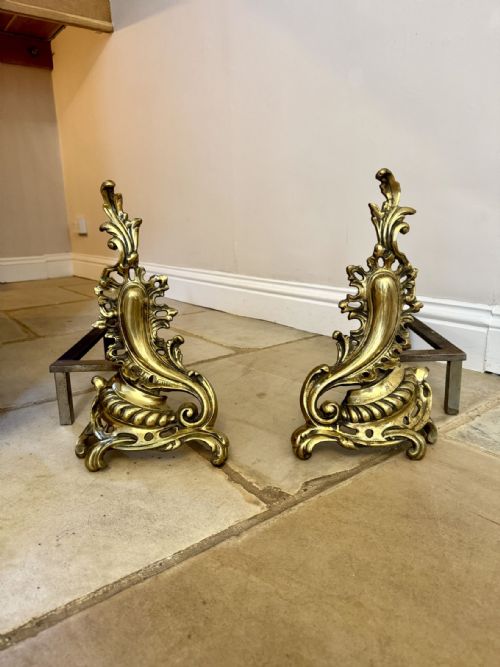
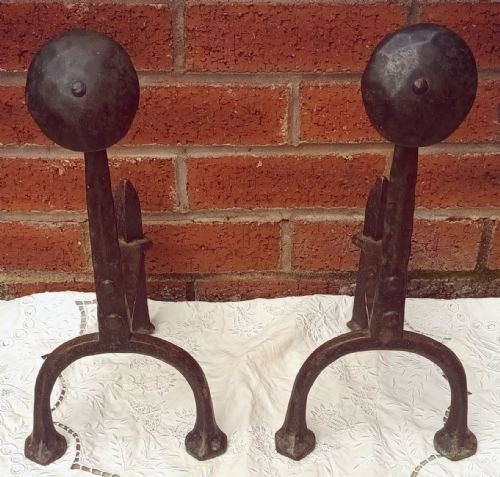
Casting allowed workshops to produce intricate details such as rococo scrolls, gothic tracery, and figural statuettes. Wrought iron variants relied on traditional blacksmithing techniques, shaping hot metal by hand into sturdy legs and bilateral horizontal billets.
Antique Fireplace Andirons Retail Price Guide 2026
Typical asking prices for fireplace andirons among the pieces listed under this phrase on Sellingantiques today, from the lower quarter to the upper quarter. They describe what is for sale here now, not the wider market.
Several Victorian and Edwardian sets include matching mulling irons for warming evening beverages right by the hearth flames.
What varies in quality
Quality rests primarily in the weight of the metal and the crispness of the casting. Substantial, heavy pairs use thick gauge brass or dense cast iron that resists warping under heat, whereas lesser examples employ thinner metal components.
Artistic execution also separates standard production items from finer works. Detailed hand-chasing on bronze and ormolu surfaces or carefully forged wrought-iron joinery indicates superior craftsmanship from dedicated workshops.
Thomas Jeckyll·William Tonks
The Antique Fireplace Andirons Glossary
- Andiron
- A metal support for holding logs in a fireplace, consisting of a horizontal bar on legs with an upright standard at the front. They are often found in matching pairs.
- Chenet
- The French term for an andiron, frequently applied to decorative ormolu and bronze hearth supports made in France.
- Billet bar
- The horizontal iron bar extending backward from the front standard that directly supports the weight of the firewood.
- Ormolu
- Gilt bronze mounted onto furniture or metalwork, created by applying a gold amalgam to a bronze base.
- Fire basket
- A metal grate holding fuel, often integrated directly with andirons or companion pieces on the hearth floor.
Antique Fireplace Andirons: Frequently Asked Questions
How do andirons work in a fireplace?
Andirons sit on the hearth floor with their horizontal bars pointing toward the back of the fireplace. Wood rests across these bars, lifting the fuel off the bricks.
This elevation creates a space beneath the logs where air flows freely. The improved draught helps the fire burn hotter and cleaner with less smoke.
Can I use antique andirons in an open fire?
Most solid cast iron and wrought iron andirons remain entirely functional for burning wood in an open hearth today. Their robust construction handles high temperatures without losing structural integrity.
Delicate ormolu and fine French chenets are better suited for decorative hearth display or use with gas log inserts to prevent soot damage.
How do I date an antique pair?
Dating relies on stylistic clues and manufacturing methods visible on the front standards. Victorian pieces often display heavy brass casting, while 18th-century examples show simpler hand-forged iron work.
Design motifs such as Gothic Revival tracery or French rococo scrolls also point toward specific periods of popularity during the 19th century.
What is the difference between andirons and fire dogs?
The terms describe the exact same object and are used interchangeably in historical records and modern listings. Both refer to the metal supports that hold logs in a hearth.
Regional preference often dictates the choice of word, with fire dogs appearing frequently in older British contexts and andirons in formal trade descriptions.