


Fireplace Log Supports
Fireplace log supports keep wood elevated above the hearth to improve airflow and combustion.
Fireplace Log Supports
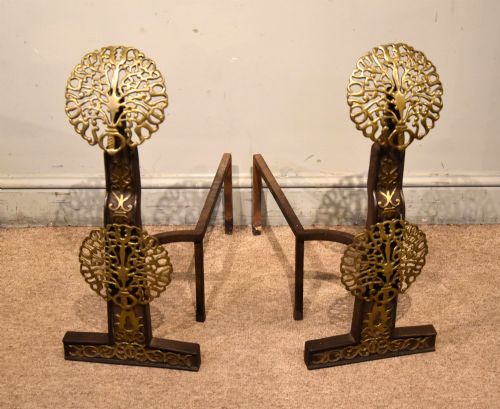
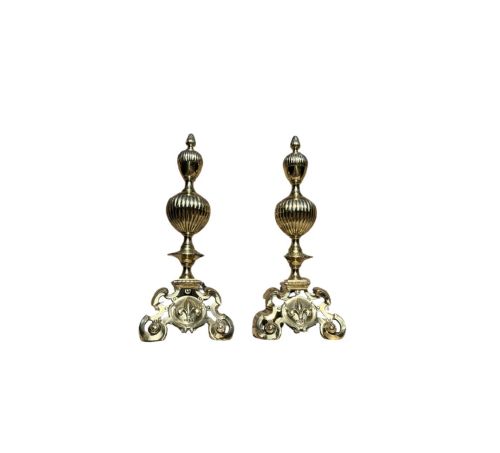
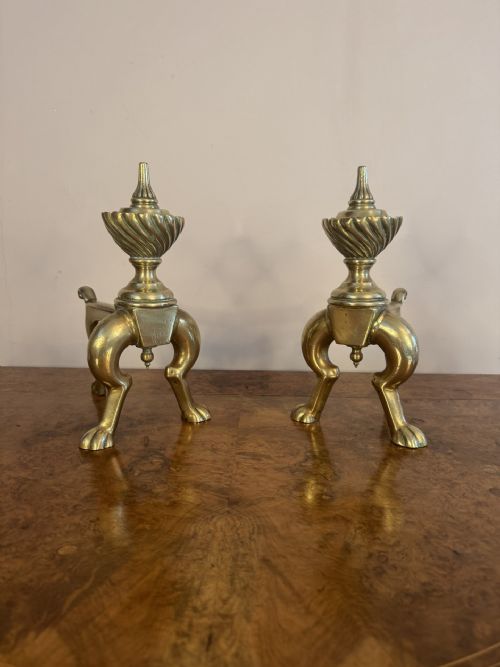
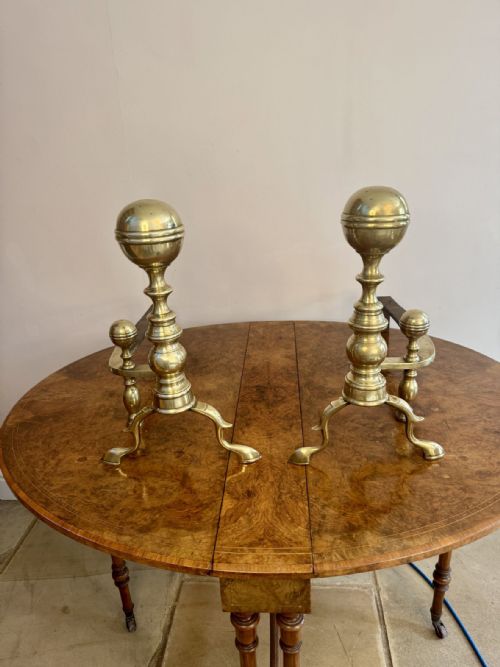
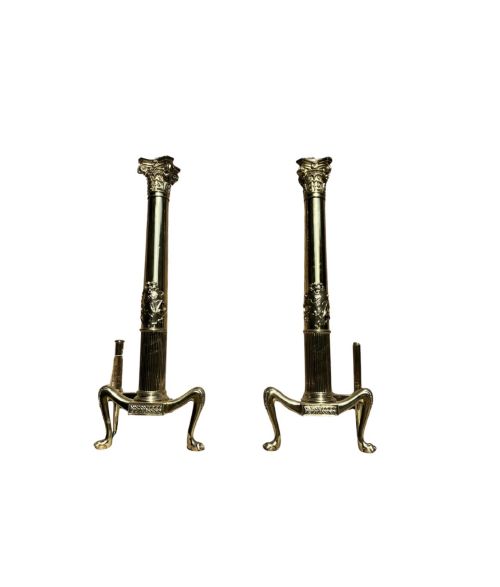
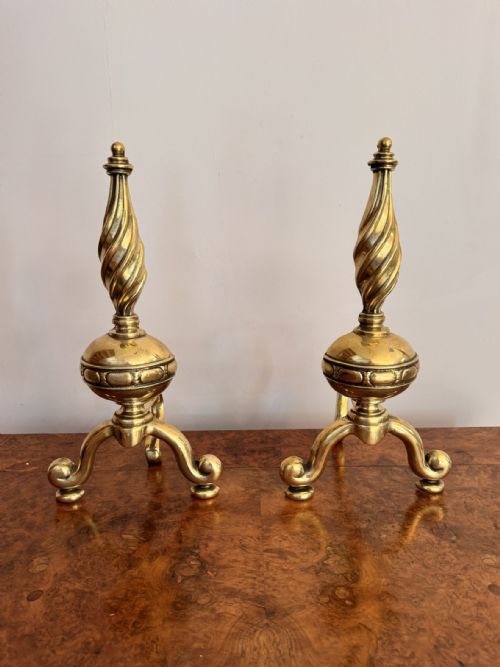
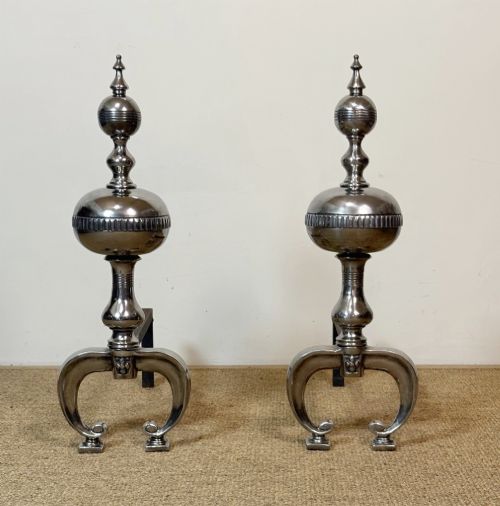
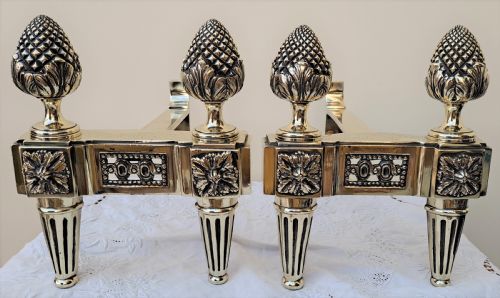
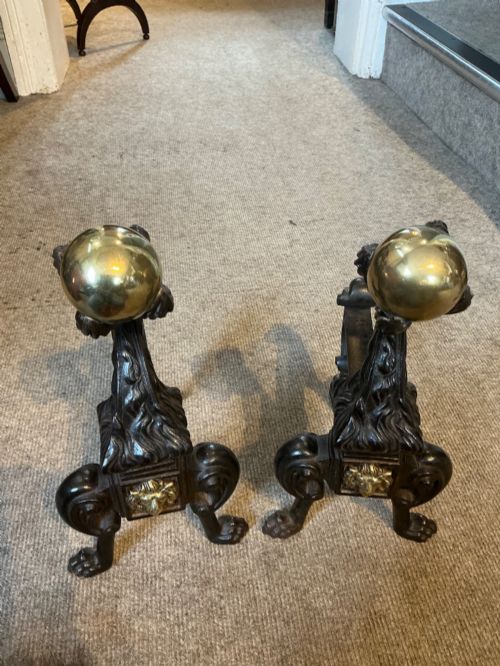
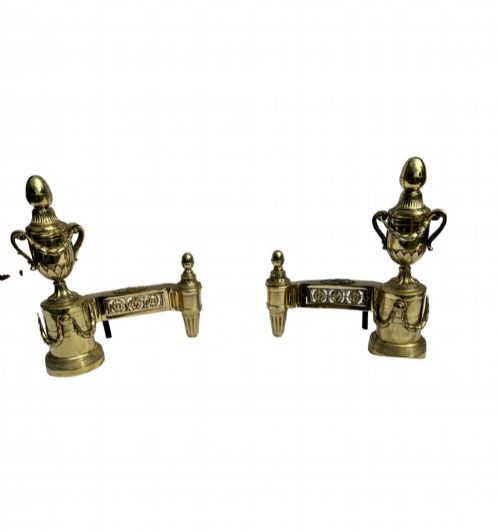
Fireplace log supports encompass practical hearth equipment designed to hold timber securely inside an open grate. When exploring fireplace log supports, buyers encounter various historical terms including fire dogs, andirons, and firedogs.
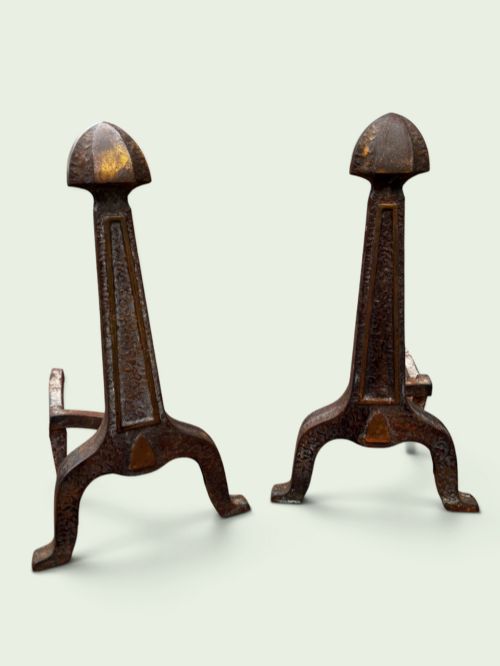
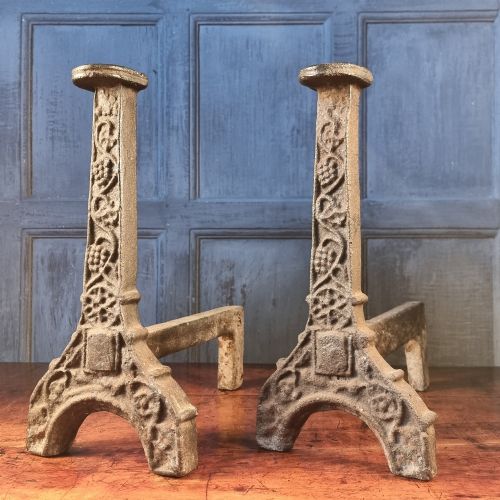
The selections span multiple eras, with nineteenth-century Victorian and Georgian examples appearing frequently alongside earlier sixteenth-century ironwork and later Arts and Crafts creations. These objects serve both a functional role in supporting fuel and a decorative purpose within the hearth setting.
Origin points vary across English, French, Italian, and Dutch workshops, offering distinct regional interpretations of domestic hearth furniture. Most examples survive as matched pairs intended to flank the fire basket.
Materials and Method
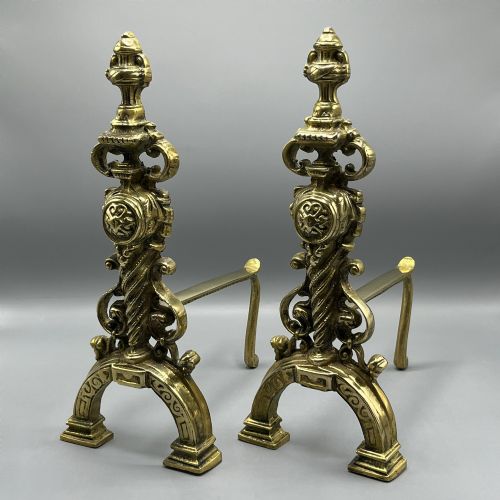
Smiths and founders utilised metals such as brass, cast iron, wrought iron, steel, bronze, and copper to fabricate these hearth items. Cast elements provided intricate relief detail for ornate Victorian and Renaissance revival designs, while forged iron offered robust strength for earlier pieces.
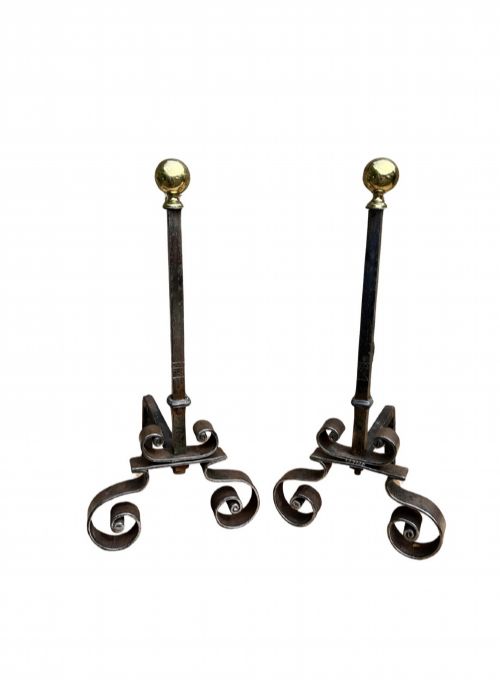
Hand-forging techniques shaped heated bars of wrought iron into sturdy uprights and billet bars, often finished with decorative finials. Brass components were frequently cast and polished, sometimes paired with iron bases for added stability during daily use.
Fireplace Log Supports Retail Price Guide 2026
Typical asking prices for fireplace log supports among the pieces listed under this phrase on Sellingantiques today, from the lower quarter to the upper quarter. They describe what is for sale here now, not the wider market.
At least one nineteenth-century pair doubles as planters, proving that even heavy ironwork occasionally retires to a second career in horticulture.
Judging Quality
The calibre of a piece depends heavily on the crispness of the casting and the proportional balance of the upright standard to the horizontal support bar. Heavier gauge metals and substantial overall weight indicate superior utility and material density.
Refinement in surface finish and the articulation of stylistic details, such as figural bronze mounts or hand-hammered Arts and Crafts surfaces, distinguish finer examples from standard production. Original matched pairs maintain greater coherence than assembled sets.
The Fireplace Log Supports Glossary
- Andiron
- A horizontal bar supported on legs with an upright standard at the front, designed to hold logs above the hearth floor. They often feature decorative brass or iron terminals.
- Billet bar
- The horizontal iron bar extending backward from the front standard to support the weight of the logs. It absorbs the direct heat of the fire.
- Finial
- The decorative terminal ornament at the top of the upright standard. Common forms include urns, spheres, and figural casts.
- Gothic Revival
- A nineteenth-century design style drawing inspiration from medieval architecture and ornament. It frequently manifests in pointed arches and heavy ironwork.
- Arts and Crafts
- A design movement prioritising traditional craftsmanship and visible hand-forging techniques over mass-produced industrial ornamentation.
Fireplace Log Supports: Frequently Asked Questions
What is the difference between andirons and fire dogs?
The terms are generally interchangeable names for the same functional hearth furniture used to elevate wood fuel. Regional preferences and historical periods often dictated which term was preferred by makers and owners.
Both serve to hold logs above the hearth base, allowing air to circulate underneath for a cleaner burn.
How do I know the period of a set?
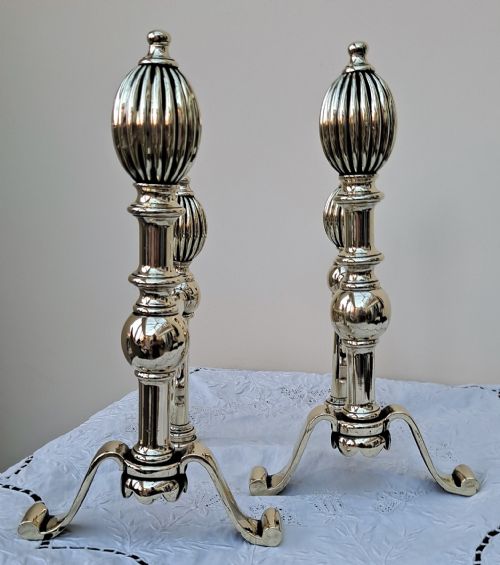
Stylistic markers, manufacturing techniques, and material choices offer clear indicators of historical origin. For instance, sixteenth-century examples typically display heavy cast iron with Elizabethan or Gothic motifs, while Victorian pieces often utilise polished solid brass.
Examining the construction methods on the reverse and internal components helps confirm the period of manufacture.
Can these be used in a modern fireplace?
Many historical log supports remain entirely functional and suitable for active hearths, provided dimensions match the fire basket. Wrought iron and cast iron versions handle high temperatures well, though delicate brass or bronze pieces require careful handling.
Buyers should measure the depth and width of their hearth space before selecting a pair.
Why do some pairs include tool rests?
Certain configurations incorporate integrated hooks or crossbars specifically designed to hold fireside accessories like pokers and tongs. This kept essential tending tools close at hand beside the fire opening.
Such additions reflect the practical evolution of hearth furniture during the nineteenth century.