


Period Fireplace Accessories
Period fireplace accessories bring authentic hearthside character to a room, offering both robust utility and centuries of metalworking heritage.
Period Fireplace Accessories
When searching for period fireplace accessories, a buyer encounters a focused selection of hearth equipment spanning several centuries. The items available include fire irons, fenders, firebacks, grates, and andirons.
Most pieces seen on this page date from the Georgian and 19th Century eras, though occasional examples stretch back to the 17th century. These functional items reflect the changing domestic habits and interior designs of historic British homes.
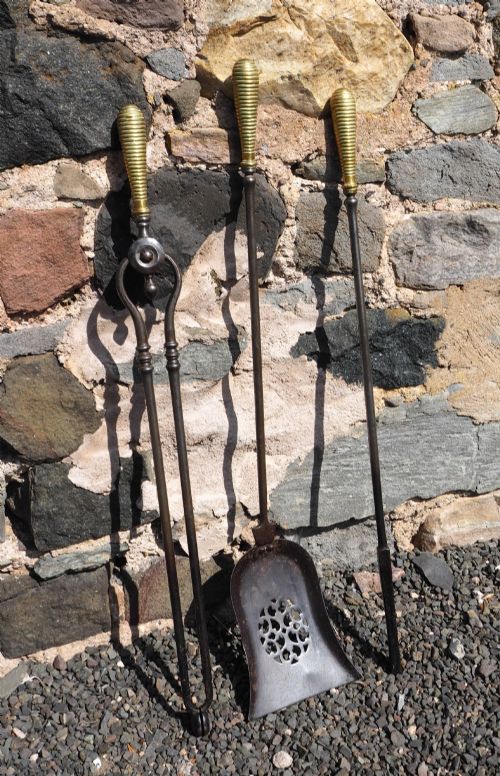
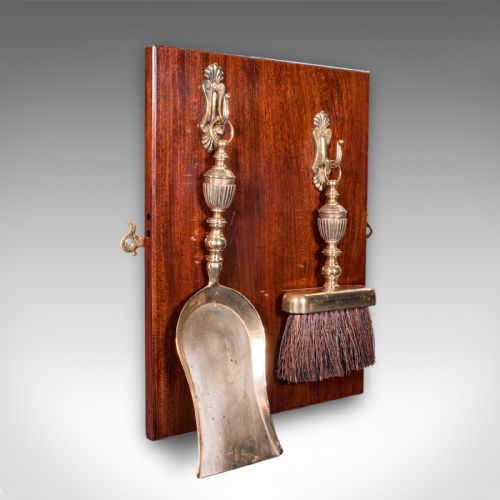
Common forms on display range from simple cast iron firebacks to complete sets of steel and gilt brass fire irons. Buyers often find modular assemblies such as fire baskets paired with mulling andirons.
Materials and Construction
The objects listed rely heavily on durable metals suited to high temperatures and heavy hearth use. Cast iron, steel, wrought iron, brass, and gilt brass form the foundation of these pieces.
Makers utilised casting for heavy components like firebacks and grates, allowing for decorative relief patterns and thick, heat-resistant walls. Wrought iron and steel were forged and shaped for slender fire irons and adjustable fenders.
Retail Price Guide 2026
Typical UK retail prices for period fireplace accessories, calculated from the Sellingantiques database of over a million retail prices indexed since 2003. This retail price guide relies exclusively on Sellingantiques data; no external sources or auction records are used, so the figures do not describe the wider market.
Materials span cast iron, steel, wrought iron, brass, and gilt brass.
Assessing Quality
Quality in these hearth items lies in the weight of the metal and the clarity of any cast decoration. Heavy, thick castings on firebacks and solid gauge steel on fire irons indicate superior durability and original intent.
Finishes also separate standard utilitarian items from finer examples. The inclusion of gilt brass details or sophisticated brass mounts points to a higher status of manufacture intended for formal reception rooms.
The Period Fireplace Accessories Glossary
- Fireback
- A heavy metal plate placed at the back of an open hearth to reflect heat into the room and protect the masonry. They are frequently cast with heraldic or pictorial designs.
- Fender
- A low metal guard placed on the hearth floor in front of the fireplace to contain embers and ash. Victorian and Georgian examples often combine brass and steel.
- Andiron
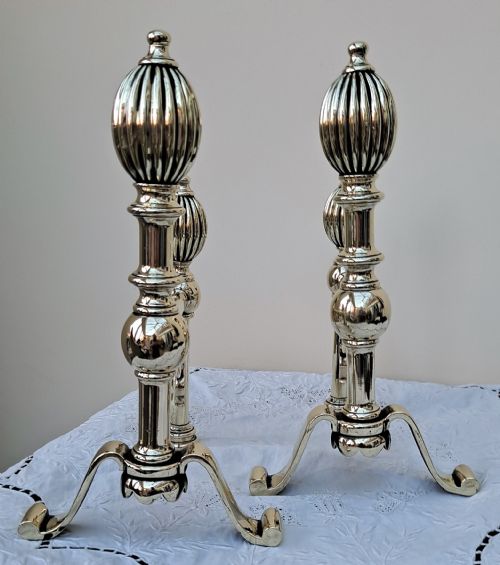
- A horizontal support raised on legs, used in pairs to hold logs above the hearth floor for better airflow. They often feature decorative fronts visible at the hearth opening.
- Mulling andiron
- A specialised hearth support historically used for heating liquids as well as holding wood. These combine practical cooking utility with standard fire iron functions.
- Fire basket
- An open metal grate designed to hold coal or wood within the fireplace opening. They range from simple iron frames to elaborate decorative units.
Frequently Asked Questions
What are period fireplace accessories?
These are functional metal items used around historic hearths, including tools, guards, and heat shields. They served practical roles in managing coal and wood fires.
They span periods from the seventeenth century through the Victorian era, reflecting shifts in British metalworking and domestic life.
How were firebacks used?
Firebacks stood upright against the rear brickwork of an open fireplace to absorb and radiate heat outward. They also protected the back wall from intense flames.
Their heavy cast iron construction ensured they could withstand decades of continuous high temperatures.
What metals are most common?
Cast iron and steel appear most frequently across these listings, valued for their strength and heat tolerance. Wrought iron is also common for forged tools and hardware.
Brass and gilt brass were typically reserved for decorative accents on fenders and fire iron handles to catch the room light.
How do I identify a Georgian piece?
Georgian items often feature refined proportions and specific material combinations such as steel paired with gilt brass. Their design reflects the classical styles popular during the eighteenth century.
Makers of this era focused on both slender elegance in tools and robust construction in grates and fenders.
Can these items still be used?
Many of these pieces remain structurally robust enough for active fireplaces, provided dimensions match your hearth. Heavy cast iron firebacks and solid iron grates are built for daily utility.
Buyers often select them to restore historical function as well as visual authenticity to a period room.