


Antique Fire Irons
Antique fire irons bring the functional design of past centuries into the hearth, offering functional pokers, tongs and shovels alongside corresponding fireplace accessories.
Antique Fire Irons
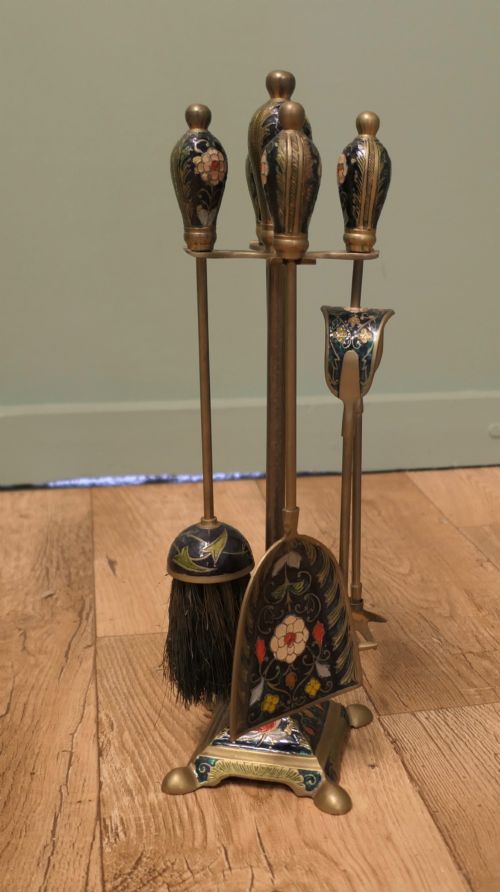
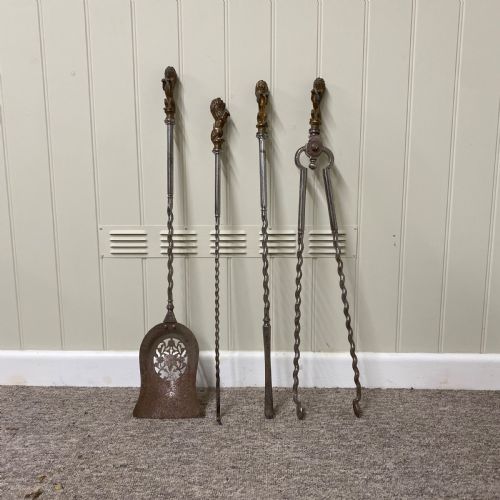
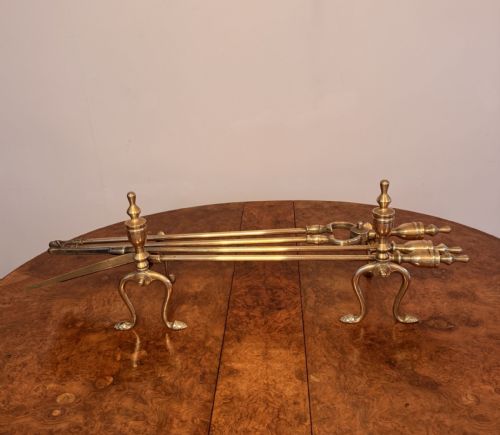
When searching for antique fire irons, a buyer encounters sets of fireplace tools designed to tend coal and wood fires within domestic hearths. The selection spans Georgian, Victorian, Regency and Edwardian eras, encompassing complete companion sets alongside individual pokers, tongs and shovels.
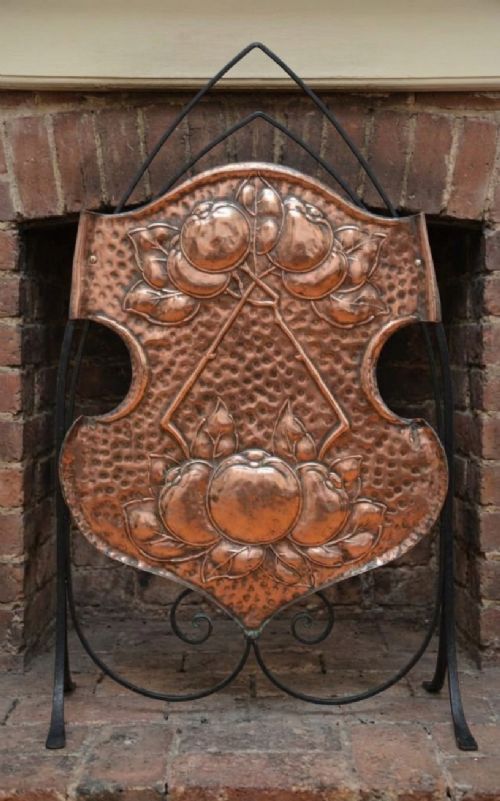
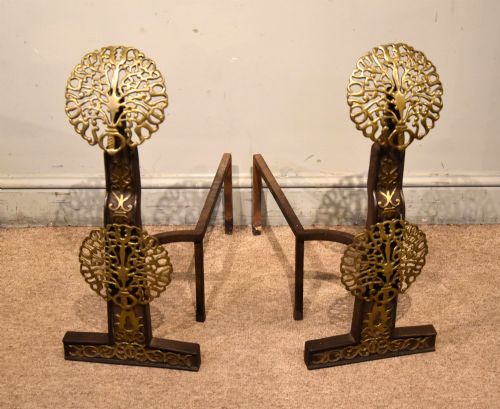
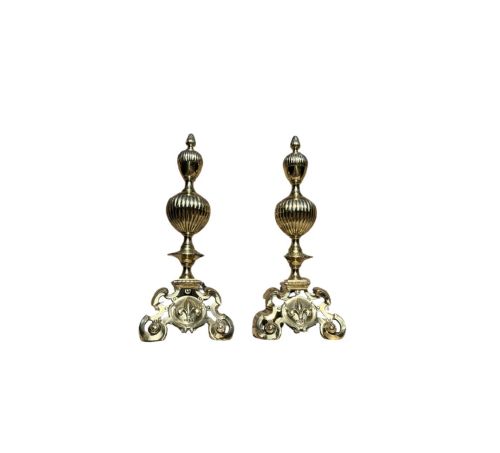
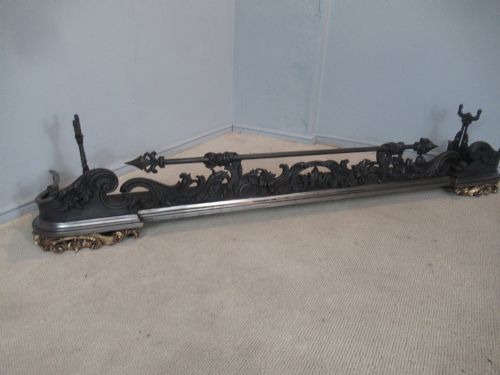
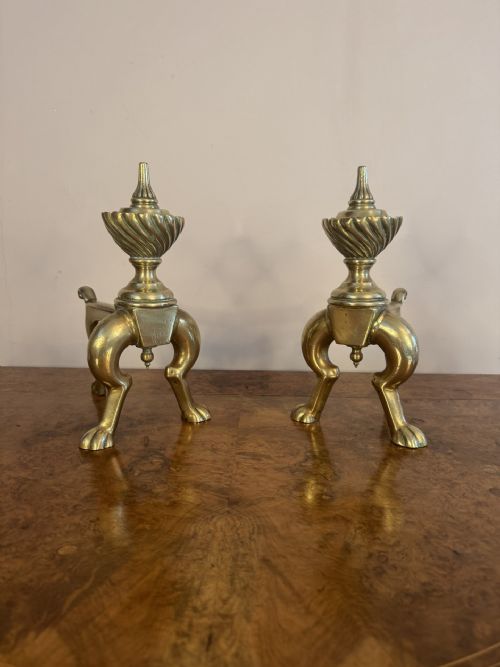
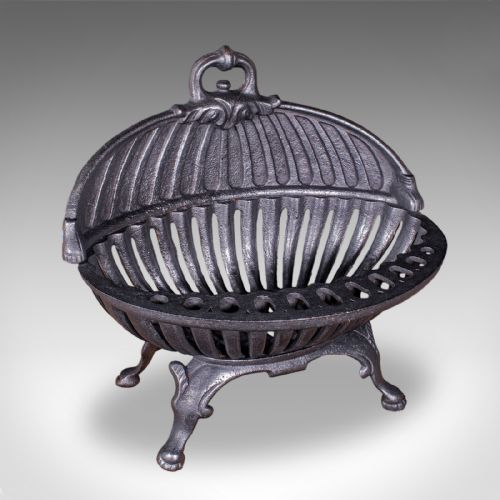
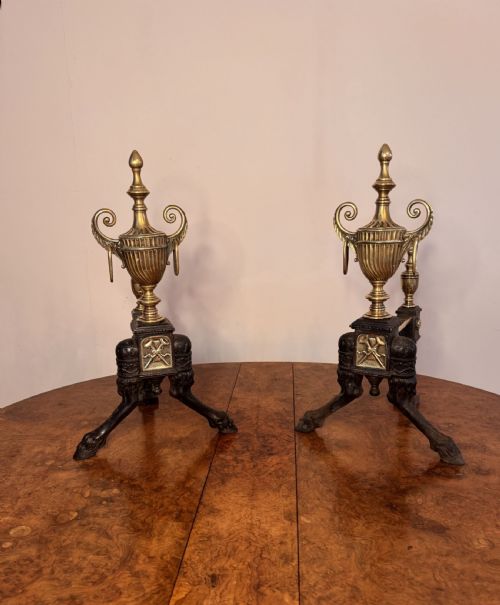
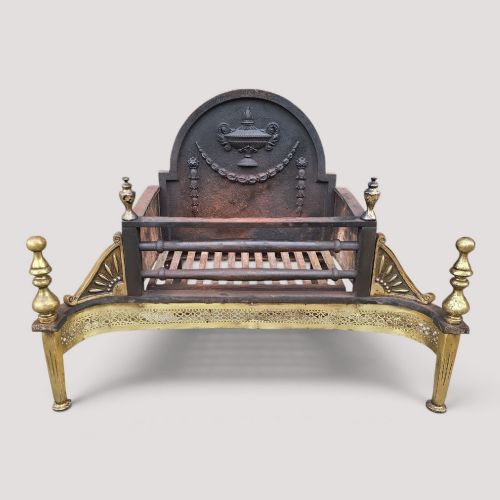
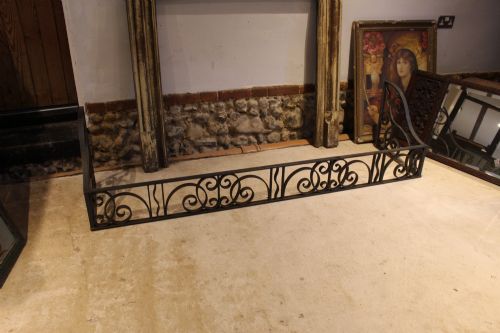
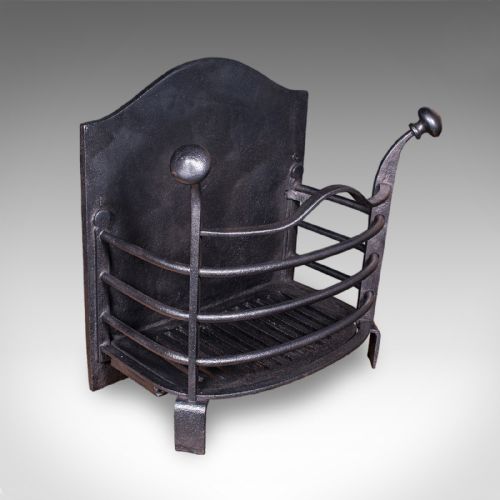
Beyond standalone tool sets, the category frequently incorporates matching fenders, fire dogs and grates that establish a cohesive scheme for the fireplace. Pieces range from utilitarian iron implements forged for country houses to polished brass sets intended for formal drawing rooms.
The physical formats vary from hanging wall racks to floor stands, alongside companion sets engineered to rest neatly against fenders. Most examples date from the nineteenth century onwards, reflecting the industrial methods and domestic habits of that period.
Materials and construction
The construction relies heavily on metals suited to high temperatures and heavy physical use, predominantly cast iron, wrought iron, steel and brass. Blacksmiths shaped wrought iron by hand on the anvil, whilst foundries cast iron and brass into decorative profiles for handles and stands.
Steel provided the necessary spring and rigidity for slender tools like tongs and pokers, resisting the bending forces applied during daily hearth maintenance. Brass components offered visual warmth and corrosion resistance, often combined with iron shafts to balance durability with decorative appeal.
Antique Fire Irons Retail Price Guide 2026
Typical asking prices for fire irons among the pieces listed under this phrase on Sellingantiques today, from the lower quarter to the upper quarter. They describe what is for sale here now, not the wider market.
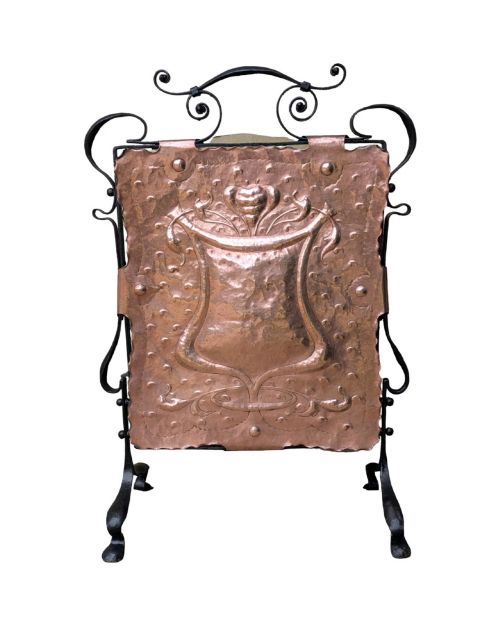
Listings feature brass, cast iron, wrought iron, steel and copper across periods from the sixteenth century to the 1930s.
Craftsmanship and finish
Quality rests on the integrity of the metalwork, the weight of the individual pieces and the precision of the joints. Superior examples feature well-balanced shafts that sit comfortably in the hand, with handles securely fastened rather than loose or poorly pinned.
Finer sets display crisper detailing in cast brass finials and more purposeful forging in iron tools, avoiding the flat, uniform appearance of mass production. Complete sets that retain their original matching stands or fenders achieve a higher degree of historical integrity.
Christopher Dresser·Coalbrookdale·James Bruce, Glasgow·Bentham and Froude
The Antique Fire Irons Glossary
- Andiron
- A horizontal metal support raised on legs, designed to hold logs in an open fireplace.
- Fender
- A low metal guard placed around the hearth to contain stray embers and ash.
- Companion set
- A matched group of fireplace tools, usually comprising a poker, tongs, shovel and brush.
- Fire back
- A heavy iron plate placed at the back of a fireplace to reflect heat into the room and protect the masonry.
Antique Fire Irons: Frequently Asked Questions
What is included in a set?
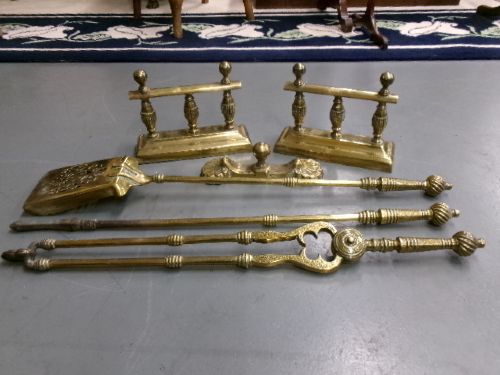
A standard set comprises a poker for prodding fuel, a pair of tongs for gripping logs or coal, and a shovel for clearing ash. Many collections also include a companion brush to sweep the hearth.
These implements usually hang from a dedicated stand or rest against a matching fender, keeping the fireside orderly when the hearth is unlit.
How do I date iron tools?
Dating relies on manufacturing marks, stylistic clues such as Regency urn finials or Arts and Crafts motifs, and the method of construction. Hand-forged ironwork generally points towards earlier Georgian or provincial origins.
Later Victorian and Edwardian examples often reveal machine finishing, more standardised components, and broader adoption of cast brass ornament.
Can I use them daily?
Most antique tools are robust enough for regular use, provided the metal has no deep structural fatigue or thinning from historical rust. Steel and iron implements handle heat well, though polished brass requires gentle maintenance to preserve its surface.
Using delicate or highly decorative nineteenth-century sets requires care to avoid damaging original finishes and finials.
Are brass and iron mixed?
Many sets combine iron shafts with cast brass handles or finials to balance structural strength with decorative contrast. Iron provides the rigid backbone needed for heavy lifting, while brass offers a bright visual accent for the drawing room.
This pairing appears frequently across the Georgian and Victorian periods, uniting two distinct metallurgical techniques in a single ensemble.