


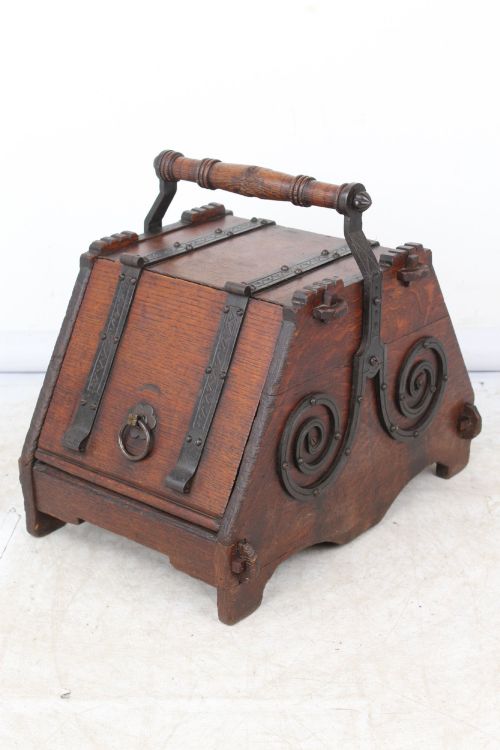
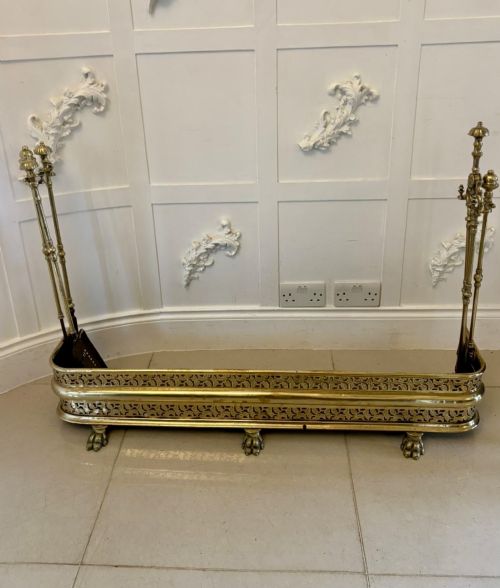
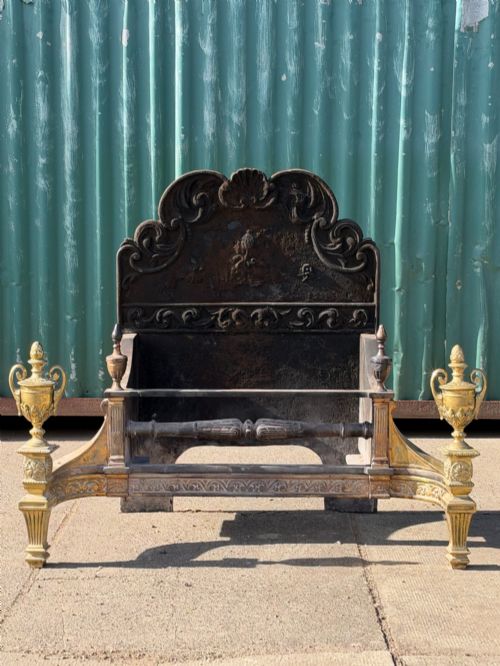
Victorian Fire Irons
Victorian fire irons comprise poker, tongs and shovel sets designed for tending coal fires in nineteenth-century hearths.
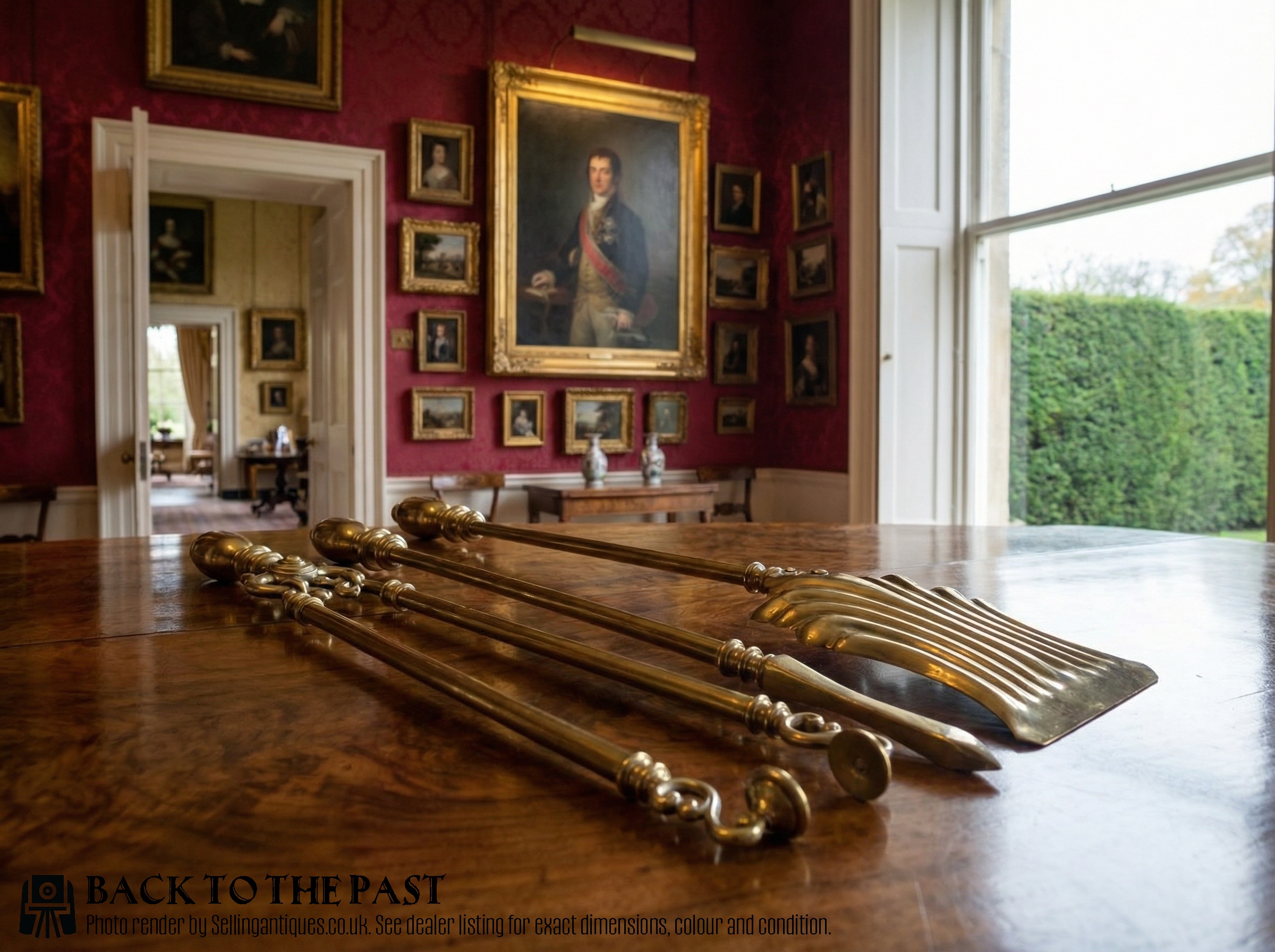
Victorian Fire Irons
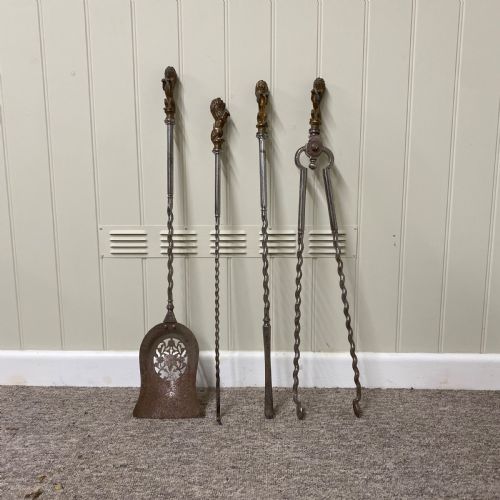
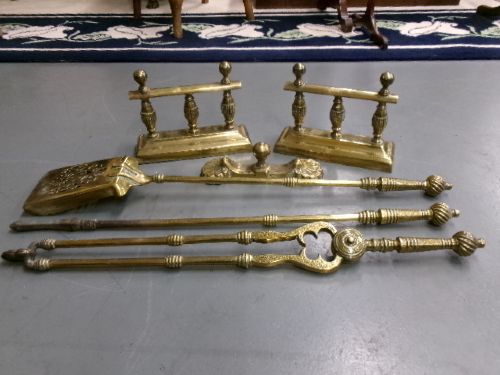
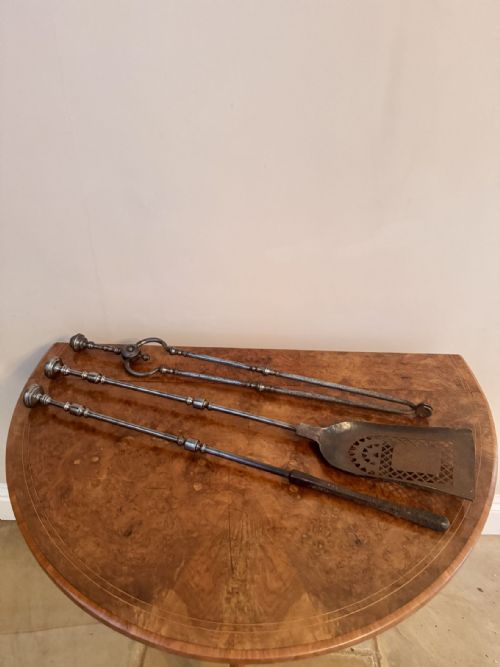
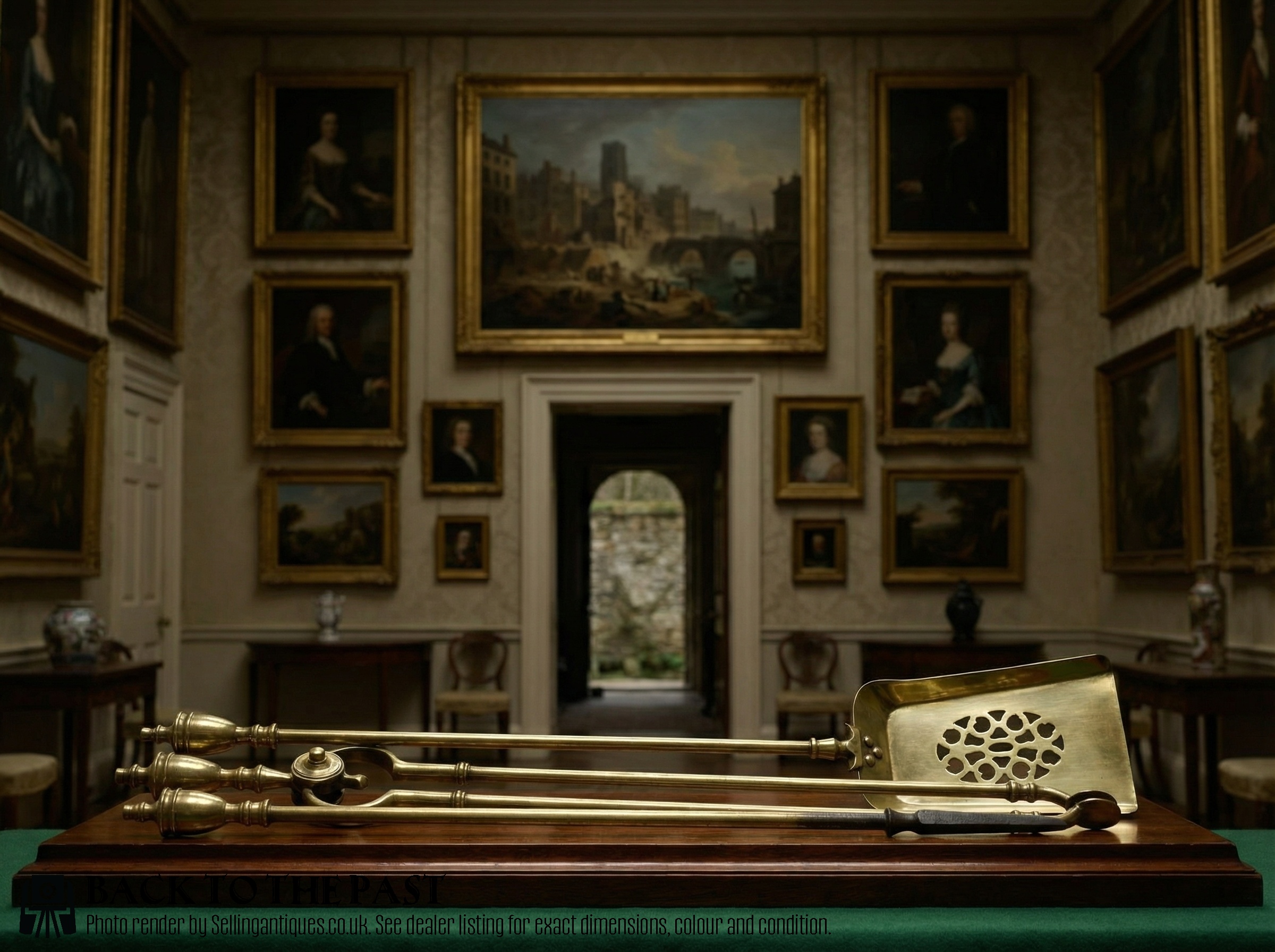
Victorian fire irons are functional fireside implements comprising pokers, tongs, shovels and occasionally companion stands intended for daily use in nineteenth-century hearths. The most common versions encountered on this page are matched sets manufactured from polished steel or cast and spun brass.
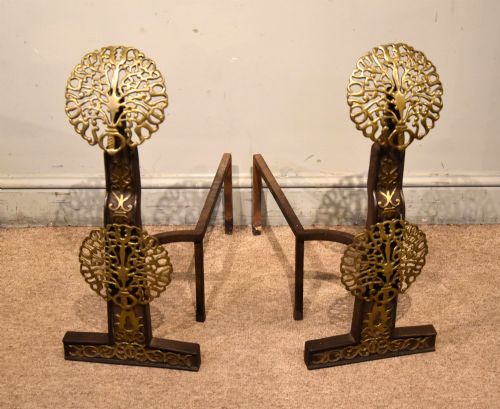
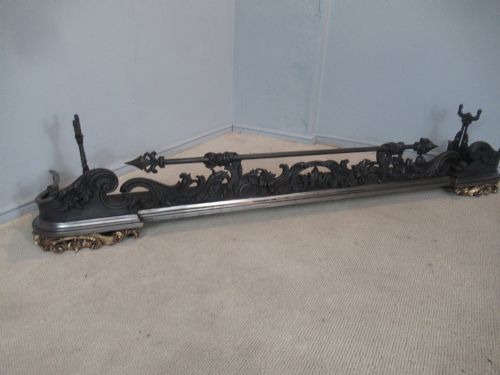
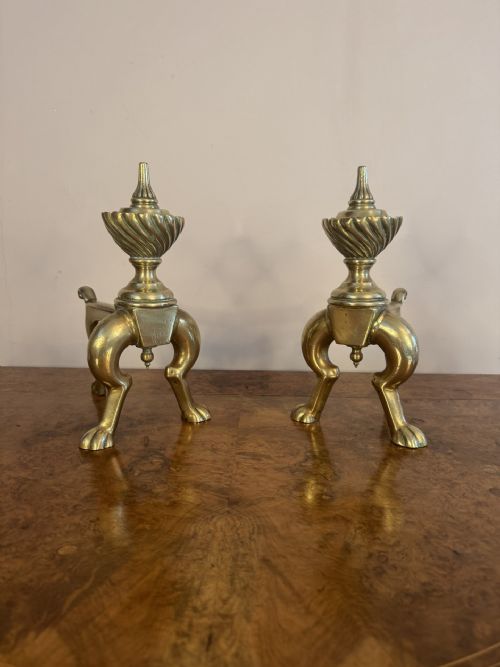
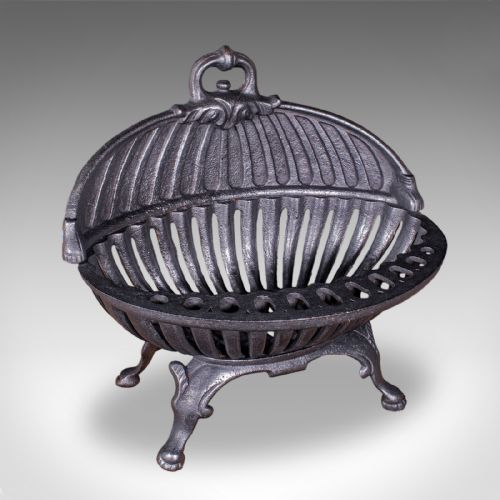
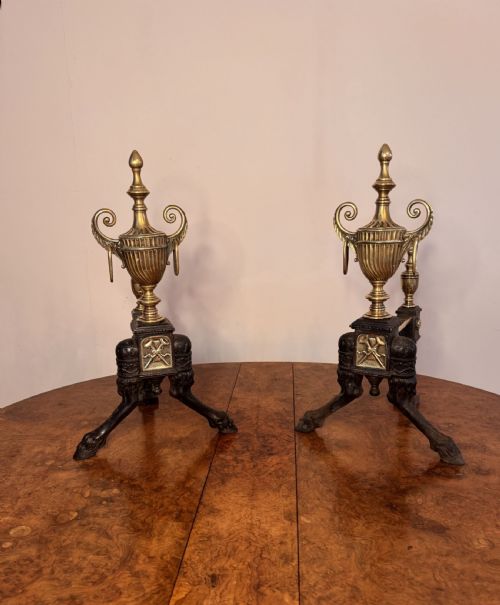
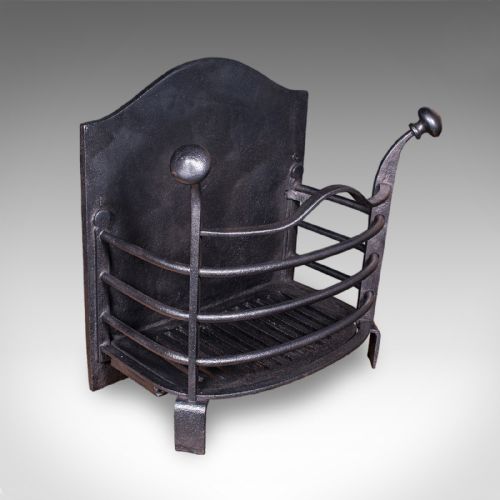
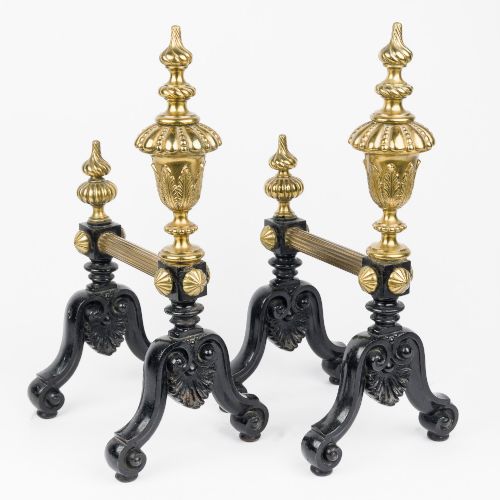
These tools typically accompany larger fireplace furnishings such as fenders, fire baskets, and andirons from the same period. They reflect the domestic interior requirements of nineteenth-century households, where coal fires formed the primary source of room heating.
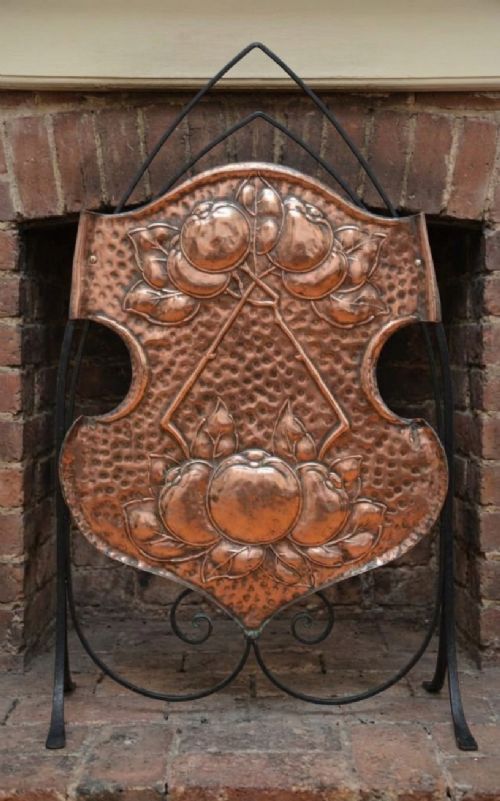
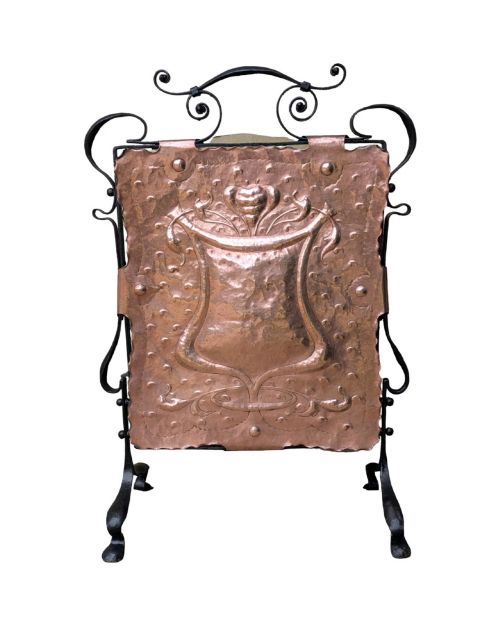
Surviving examples span from the mid-nineteenth century through to the early twentieth century, incorporating stylistic shifts from plain utility formats to ornate Gothic Revival and Arts and Crafts designs.
How they were made
Makers utilised forged steel, wrought iron, and cast or spun brass to produce these implements. Steel provided the necessary rigidity and strength for pokers and tongs, while brass offered decorative brightness for handles and shafts.
Techniques combined blacksmithing for iron and steel components with foundry casting and lathe turning for brass handles and terminals. Individual elements were then assembled using threaded joints, rivets, or brazing to withstand regular thermal stress.
Victorian Fire Irons Retail Price Guide 2026
Typical asking prices for victorian fire irons among the pieces listed under this phrase on Sellingantiques today, from the lower quarter to the upper quarter. They describe what is for sale here now, not the wider market.
Listings demonstrate materials spanning cast iron, wrought iron, steel, brass, and copper across the Victorian period.
What varies in quality
Quality in these implements rests on the heft of the metal and the integrity of the joints connecting shafts to handles. Superior examples maintain balance and weight, whereas lesser pieces feel hollow or display misalignment.
Surface finish and decorative detail further divide the range, distinguishing mass-produced utilitarian sets from hand-finished companion pieces with turned or cast brass grips.
The Victorian Fire Irons Glossary
- Fire irons
- Implements used for tending a domestic fire, typically consisting of a poker, tongs and a shovel. These were often housed in a matching stand or rested against a fender.
- Poker
- A metal rod utilised for stirring and adjusting burning fuel within a grate. Examples from this era often feature decorative turned brass or iron handles.
- Fender
- A low metal guard placed in front of a fireplace to contain stray embers and ash. They frequently incorporated tool rests or accompanied sets of fire irons.
- Andiron
- A horizontal iron support raised on legs, used to hold logs in an open fireplace. Also known as fire dogs, they often matched the metalwork of the companion fire irons.
- Companion set
- A collection of fireside tools presented together with a dedicated stand or rack. These groupings formed a unified decorative scheme for the hearth.
Victorian Fire Irons: Frequently Asked Questions
What are Victorian fire irons made of?
These implements are constructed primarily from iron, steel and brass, often combining materials within a single set. Steel and iron provided the robust shafts required for heavy lifting and stirring, while brass added decorative polish to the handles and mounts.
Craftsmen selected these metals to withstand intense hearth heat while complementing contemporary domestic metalwork such as fenders and coal scuttles.
How were fire irons used?
Each tool in the set served a specific hearth duty during the nineteenth century. The poker stirred the coal bed to encourage airflow, the tongs positioned fuel pieces precisely, and the shovel cleared ash from the grate.
Users kept them readily accessible beside the fireplace, frequently suspended from a dedicated stand or rested horizontally across the hearth fender.
How do I identify a complete set?
A complete set typically comprises a poker, a pair of tongs, and a shovel sharing identical handle motifs and metal finishes. Matching turns in the brass grips or corresponding wrought iron details indicate that the pieces were manufactured together.
Individual tools often accumulated replacements over time, making matched sets particularly notable for their uniform appearance.
How do I care for antique fire irons?
Maintenance involves keeping the metal dry and occasionally removing light surface tarnish with a soft cloth. Avoiding harsh chemical cleaners preserves the original patina developed over generations of use.
Displaying the tools away from damp environments prevents corrosion on the iron and steel components while maintaining the polished finish of the brass.