
Vintage Fireplace Accessories
These vintage fireplace accessories are practical hearth pieces that bring period character and function to a working fireplace.
Identifying vintage fireplace accessories
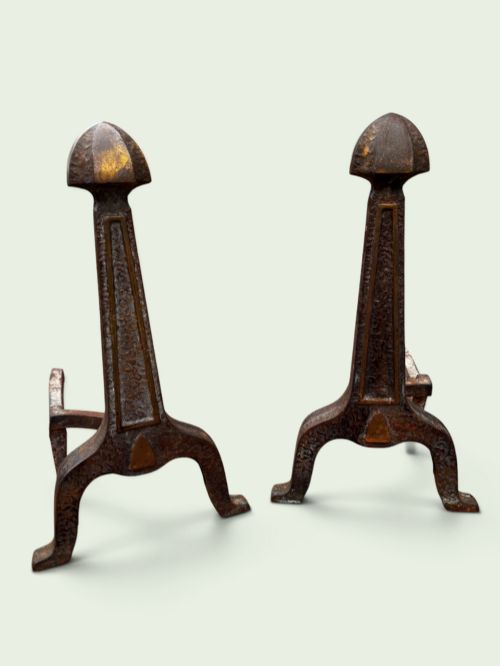
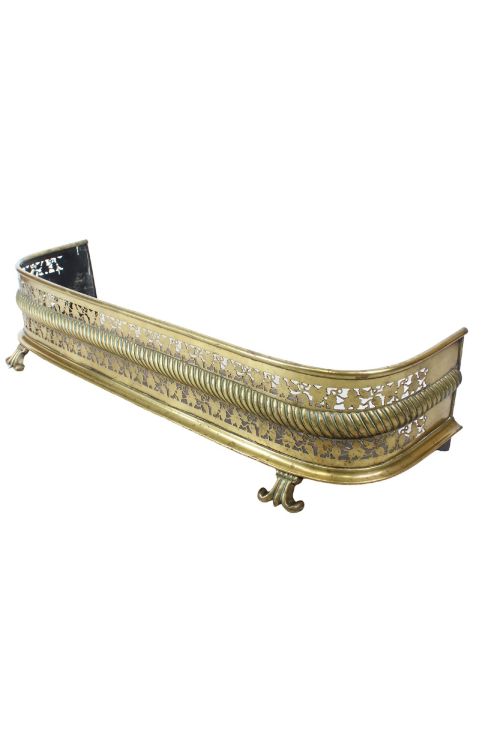
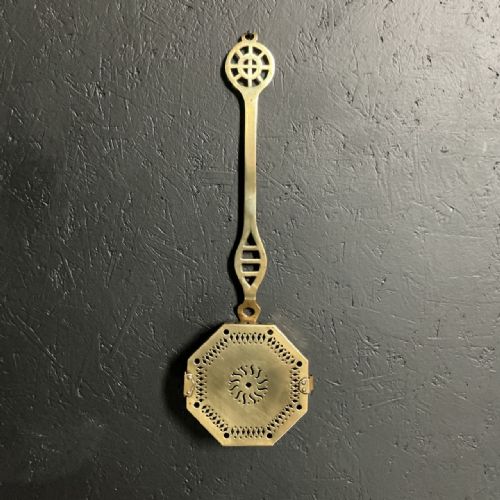
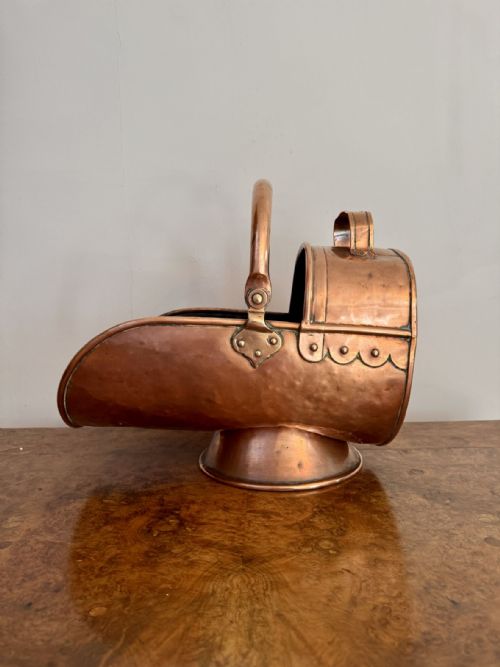
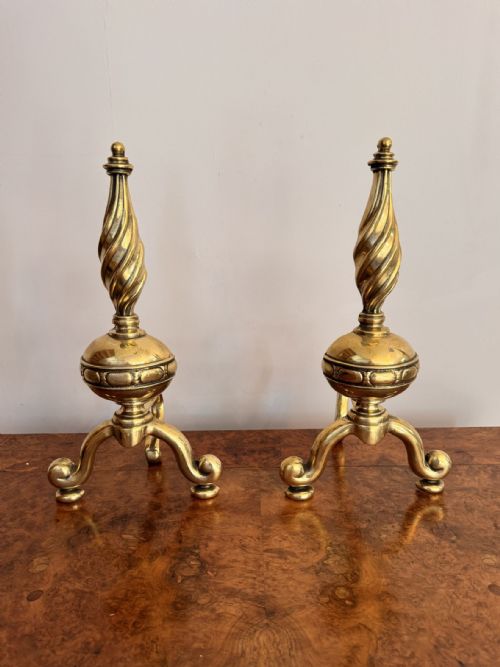
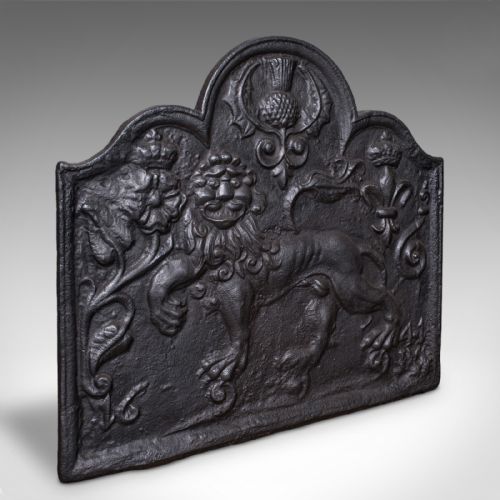
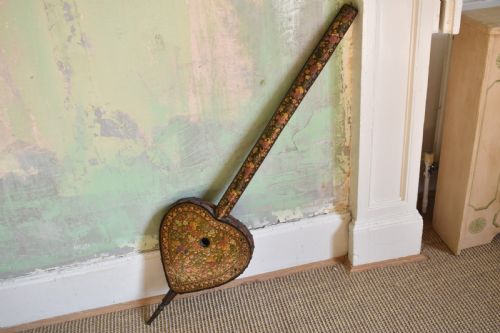
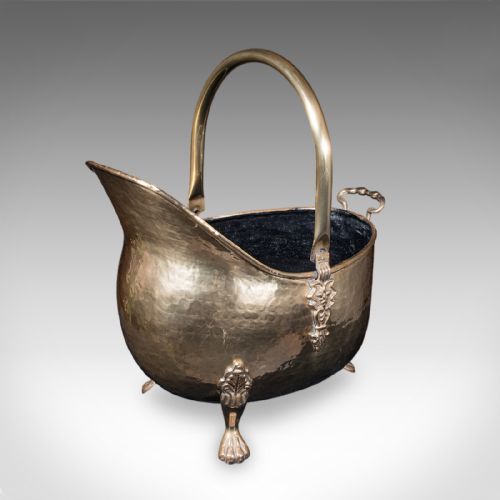
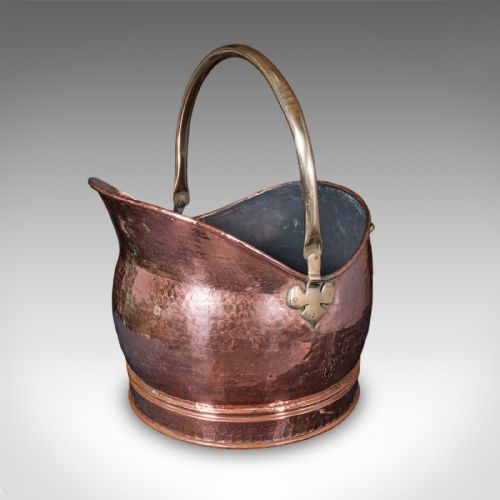
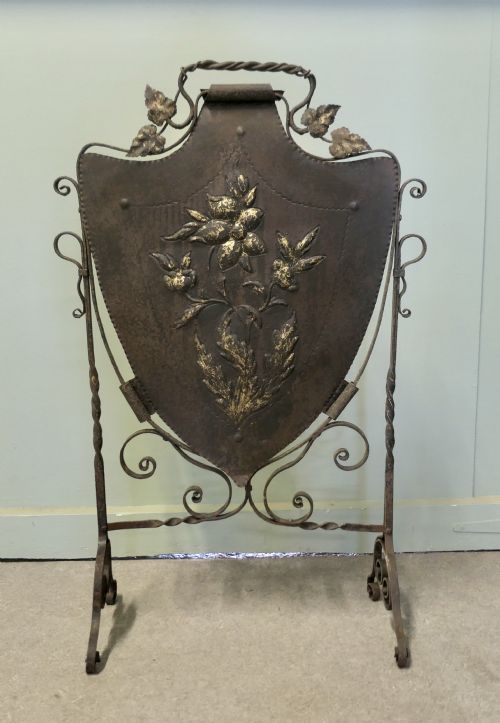
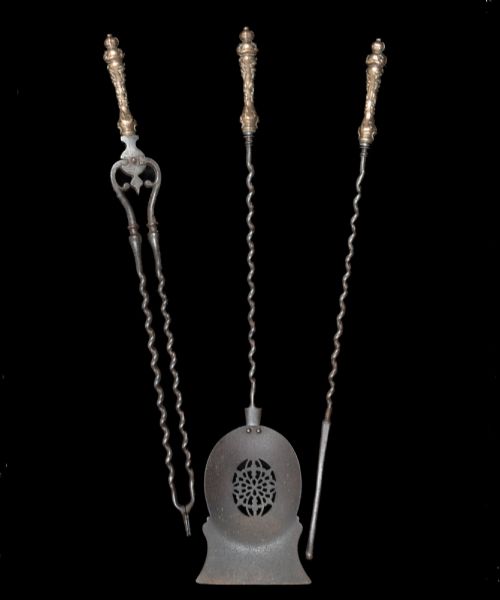
Vintage fireplace accessories encompass a range of hearth equipment including fire irons, tools, coal scuttles, buckets, and fire dogs designed for domestic use. The pieces appearing here span the Victorian, Edwardian, and Arts and Crafts eras, with dates ranging from the middle of the nineteenth century through the early twentieth century.
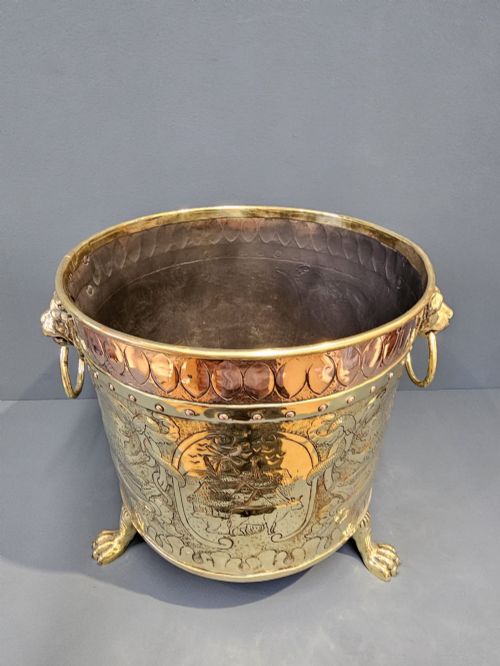
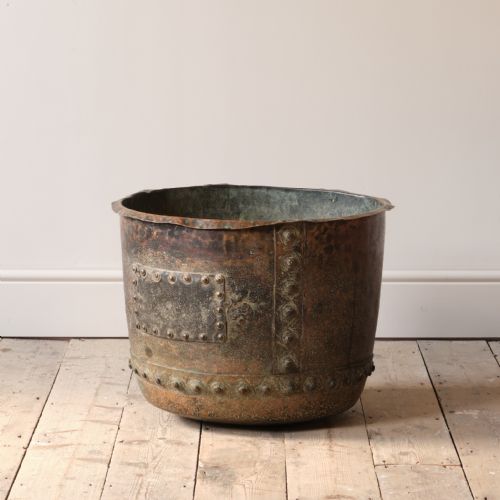
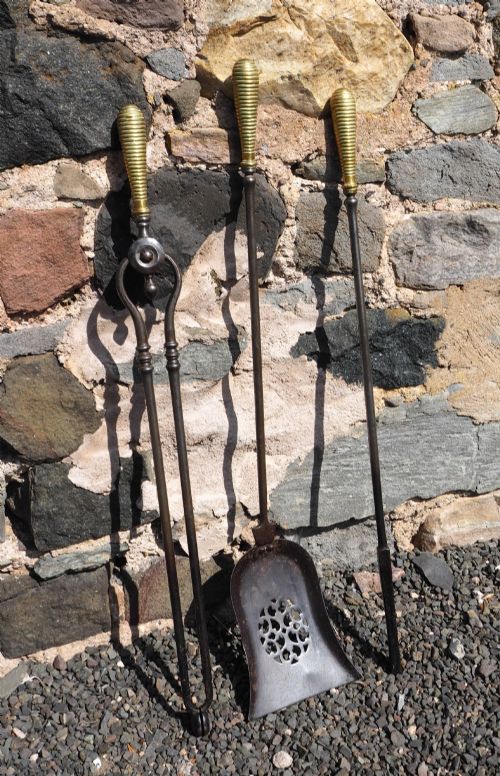
Buyers will most frequently encounter brass fire tool sets alongside oak and copper coal buckets and painted iron boxes. These objects were central to the daily maintenance of period coal and wood fires, combining utilitarian build with decorative appeal for the principal rooms of the house.
Materials and construction
Metalworking techniques dictate the construction of these hearth items, utilising cast and forged brass, steel, copper, and painted iron. Fire irons and tools are fashioned from durable steel and brass to withstand daily use, while coal containers employ robust timber frames bound in copper or formed entirely from painted metal.
Retail Price Guide 2026
Typical UK retail prices for vintage fireplace accessories, calculated from the Sellingantiques database of over a million retail prices indexed since 2003. This retail price guide relies exclusively on Sellingantiques data; no external sources or auction records are used, so the figures do not describe the wider market.
Current selections include pieces from the Victorian and Edwardian eras, utilising brass, steel, oak, copper, and painted iron.
Assessing quality and craftsmanship
The distinction between standard utility items and superior examples lies in the heft of the metal, the fidelity of the period style, and the integrity of the joinery. Arts and Crafts pieces show hand-finished details and thoughtful material pairing, whereas simpler items rely on standard industrial production methods of the era.
Material selection and decorative restraint separate finer workshop output from plain utilitarian equipment. Heavy gauge brass, substantial steel forgings, and tightly fitted copper bands on oak bodies indicate a higher standard of manufacture from the outset.
The Vintage Fireplace Accessories Glossary
- Fire irons
- A matched set of implements used to tend a domestic fire, typically comprising a poker, tongs, and a shovel.
- Fire dogs
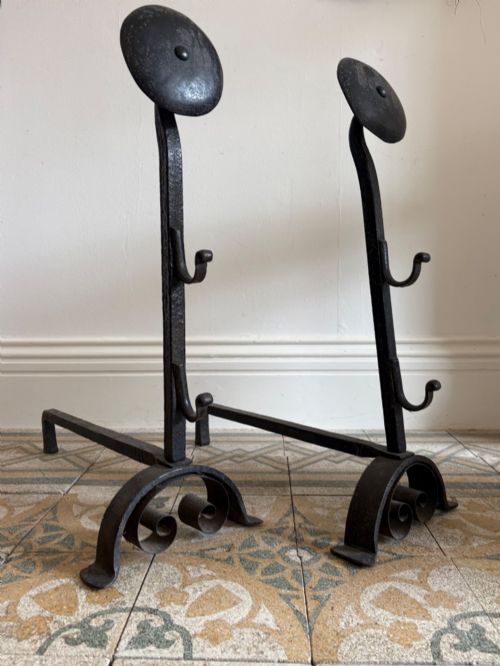
- Metal supports placed on the hearth to hold logs above the floor of the fireplace, allowing air to circulate underneath.
- Coal scuttle
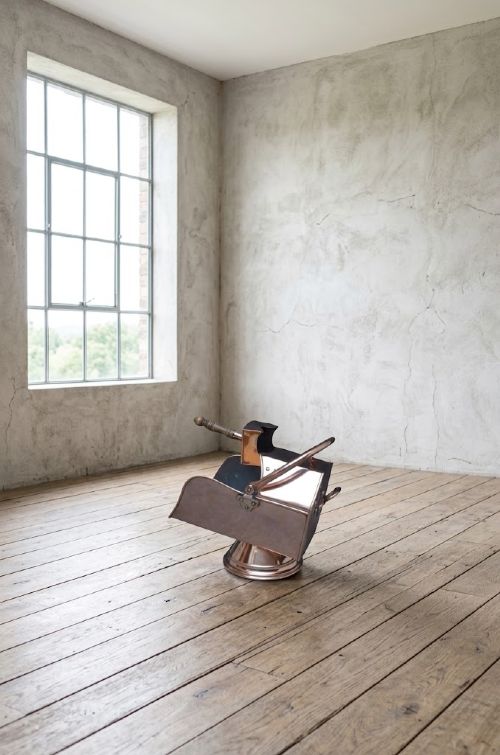
- A container designed to hold coal for replenishment, often featuring a hinged lid and a carrying handle.
- Arts and Crafts
- A design movement valuing traditional craftsmanship, simple forms, and visible construction methods over mass-produced ornamentation.
Frequently Asked Questions
What tools are included in a fire set?
A standard set includes a poker for adjusting logs or coal, tongs for grasping fuel, and a shovel for clearing ash and embers.
These three implements were usually displayed together on a stand or beside the hearth in matching metal finishes.
How do I date these brass and iron pieces?
Stylistic indicators such as Victorian ornamentation, Edwardian proportions, or Arts and Crafts hand-working help establish the era of manufacture.
Makers also utilised specific metalworking techniques and material combinations that align with nineteenth and early twentieth century production.
Are coal buckets suitable for daily use?
Many vintage coal scuttles and buckets remain structurally sound enough to hold fuel or logs beside a modern hearth.
Buyers should consider the internal lining and general stability of the metal or wood before placing heavy fuel inside.
What is the difference between brass and painted iron?
Brass accessories offer a bright metallic finish that was polished for formal reception rooms, while painted metal provided a durable, utilitarian coating.
Painted iron and tin boxes were often less costly to produce than solid brass or copper-bounded oak vessels.