


Antique Fireplace Irons
These heavy metal implements bring purposeful structure and period character to the hearth.
Antique Fireplace Irons
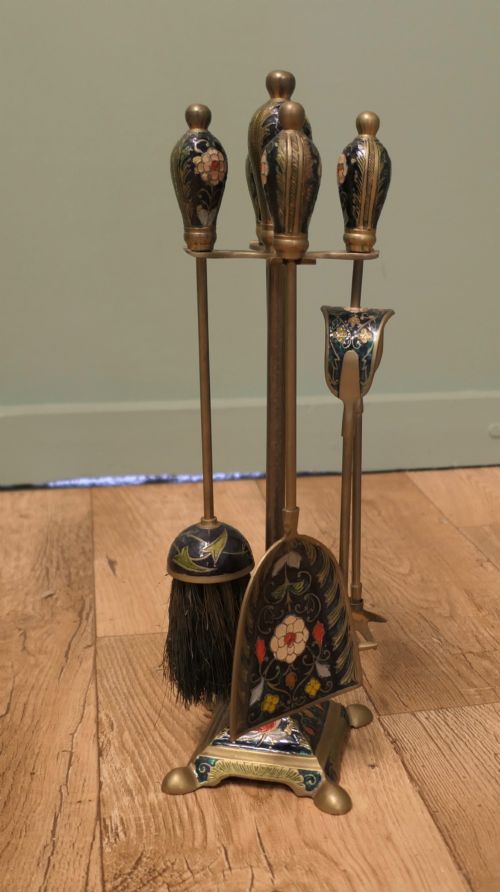
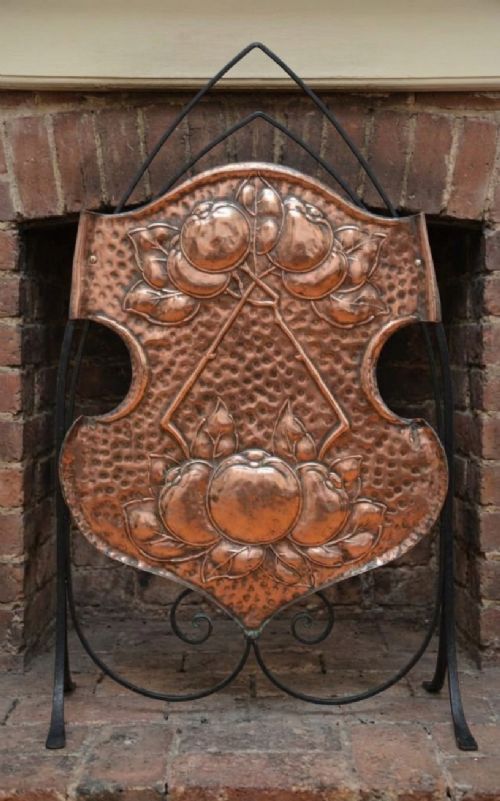
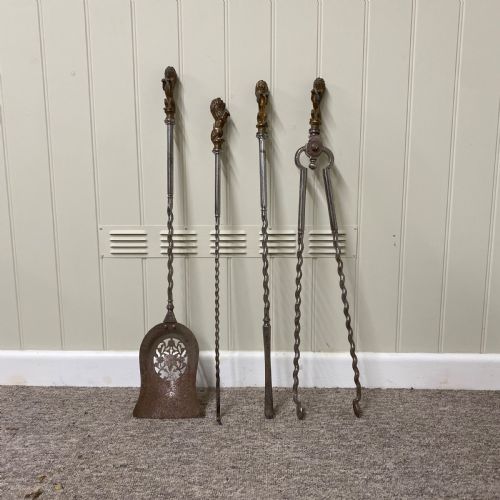
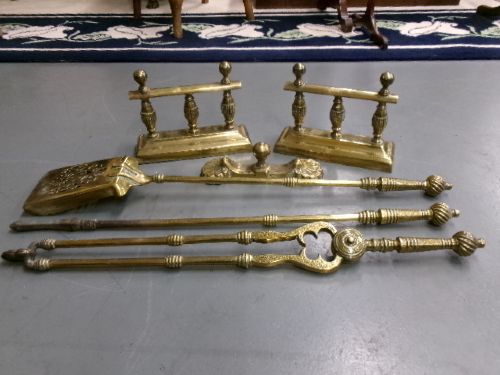
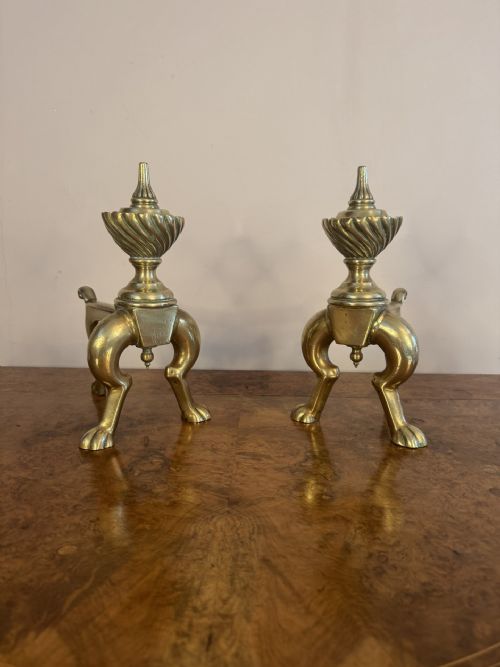
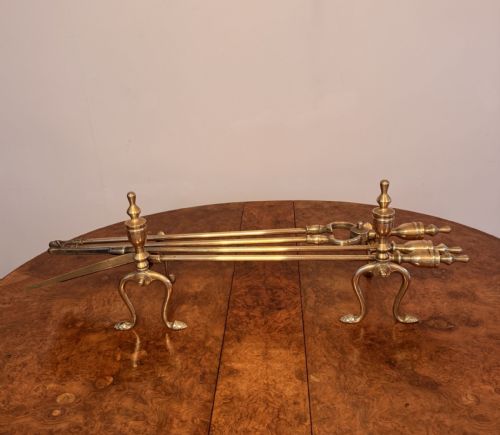
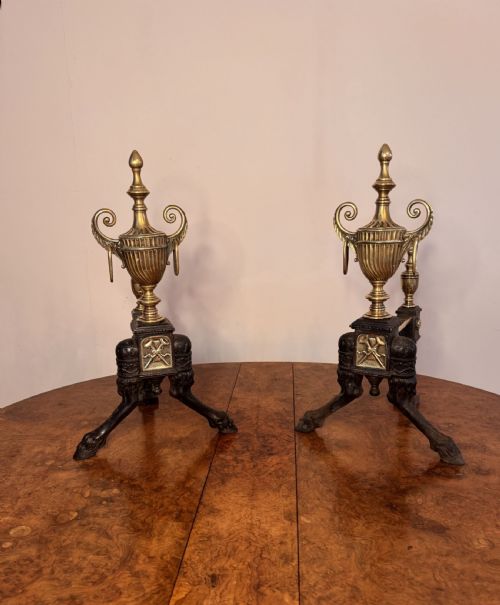
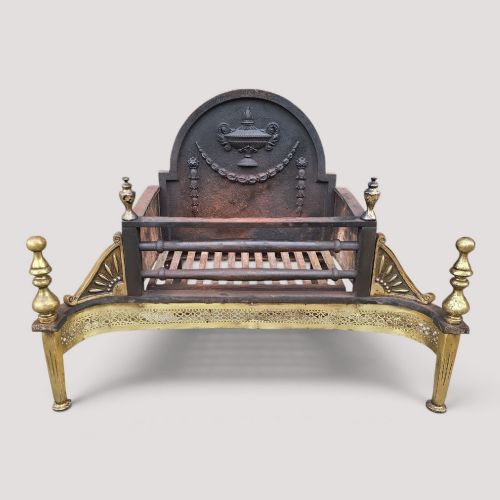
When you examine antique fireplace irons, you encounter utilitarian hearth equipment spanning the eighteenth and nineteenth centuries, designed to manage wood and coal fires efficiently. The selection ranges from matched sets of pokers, tongs, and shovels to structural andirons, firedogs, and grates that sit within the opening. These pieces serve both a functional role in supporting fuel and an ornamental purpose within Victorian, Georgian, and Regency domestic interiors.
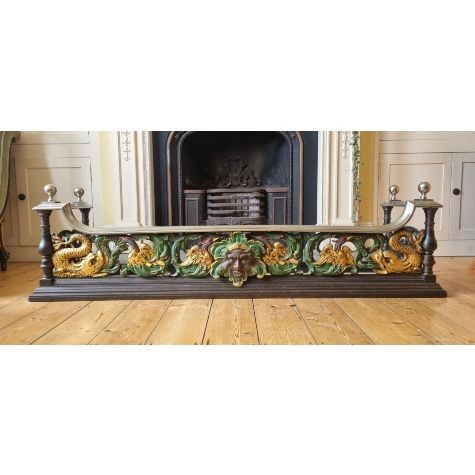
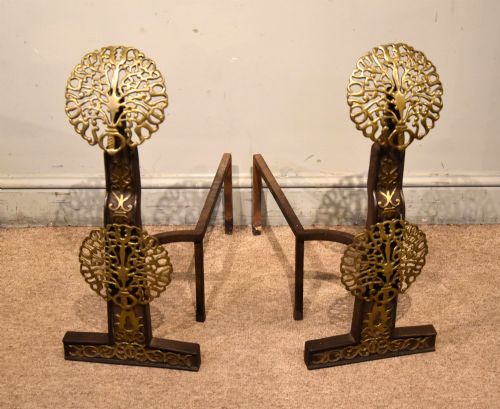
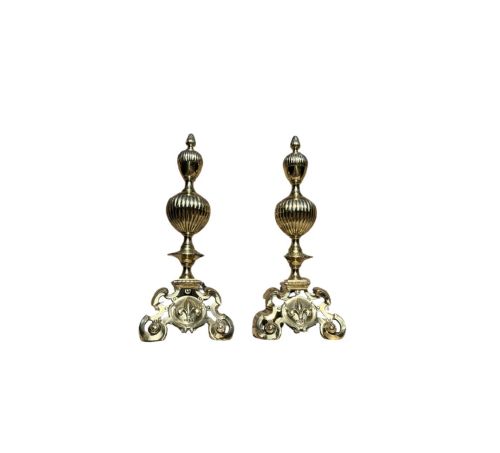
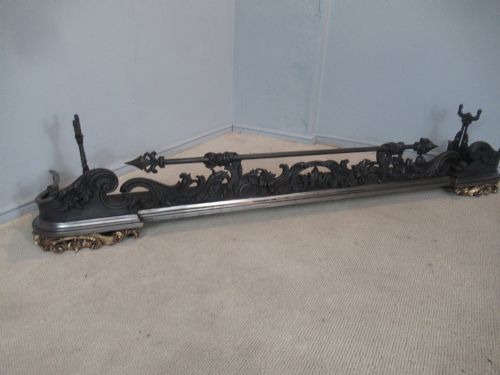
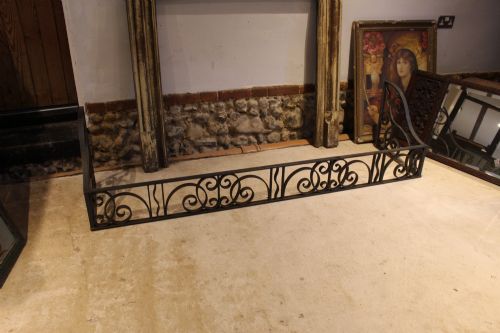
You are most likely to meet cast iron, wrought iron, and brass variations on this page, reflecting the prevalent manufacturing centres of Britain, France, and America. Items appear in diverse forms, from Gothic Revival coal scuttles and fenders to classical hob grates and companion sets. Whether forged by hand or cast in moulds, the surviving examples demonstrate the heavy domestic demands placed upon the hearth.
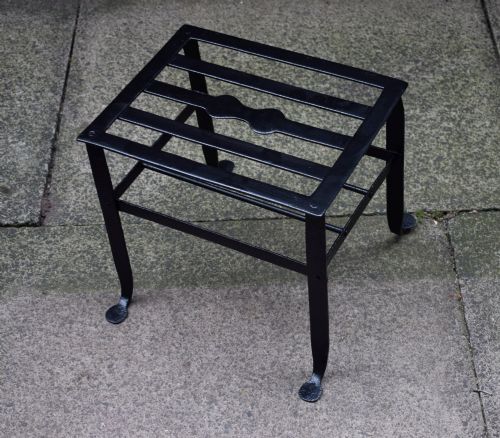
The assortment includes specialised items such as chimney jacks, footmen, and trammel hooks alongside standard fire irons and rests. Pieces range from plain country-house wrought iron to decorative French rococo and ormolu designs. Each object points to the traditional methods once utilised to heat and cook within period rooms.
Materials and production methods
Blacksmiths shaped wrought iron and steel by hand on the anvil, hammering hot metal to create durable pokers, tongs, and structural andirons. This method produced tough, fibrous structures capable of withstanding intense hearth temperatures without failing.
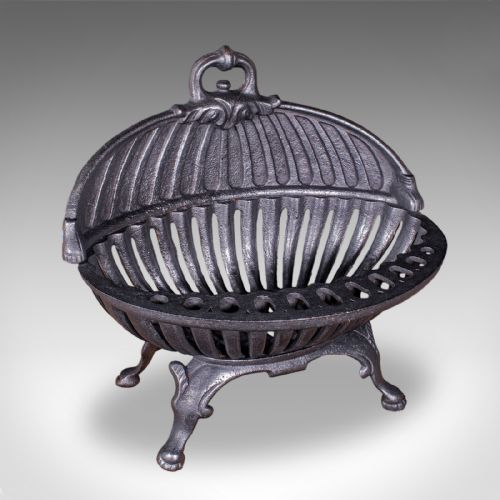
Foundries utilised cast iron and brass for heavier structural components such as fire grates, fenders, and ornate chenets, pouring molten metal into detailed moulds. Finishing often involved polishing steel parts or applying ormolu and bronze details to brass mounts.
Makers combined materials within single objects, pairing steel shafts with cast brass handles or incorporating copper elements into hearth furniture. This composite construction balanced thermal resilience with decorative impact.
Antique Fireplace Irons Retail Price Guide 2026
Typical asking prices for fireplace irons among the pieces listed under this phrase on Sellingantiques today, from the lower quarter to the upper quarter. They describe what is for sale here now, not the wider market.
Listings feature items from the sixteenth century through the Edwardian period, spanning wrought iron, cast iron, brass, and copper.
Distinctions in construction and design
Superior examples display crisp casting detail and precise hand-forging where individual tool marks indicate deliberate craftsmanship rather than mass production. Better sets maintain matching components where every poker, shovel, and pair of tongs shares consistent gauge and decorative motifs.
The weight of the metal and the integrity of joints dictate durability, with heavier gauge iron and solid brass outlasting thinner stamped sheet metal. Quality reveals itself in how securely handles attach to shafts and how evenly the surfaces take a polished finish.
Christopher Dresser·Coalbrookdale·Deville And Cie
The Antique Fireplace Irons Glossary
- Andirons
- Supports for logs in an open fireplace, consisting of a horizontal bar raised on legs with an upright pillar at the front. They are also known in French contexts as chenets.
- Fender
- A low metal frame placed on the hearth in front of a fireplace to contain rolling coals and sparks. They frequently incorporate matching tool rests or brass rails.
- Hob grate
- A fireplace grate featuring raised side platforms used for keeping kettles warm. These units became popular during the Georgian and Regency periods.
- Trammel hook
- An adjustable wrought iron hook hung inside a chimney to suspend pots and kettles over the fire at varying heights. They are commonly found in eighteenth-century country-house settings.
- Fire basket
- An open metal container designed to hold coal or wood off the hearth floor for improved airflow. They often sit forward of a fire back or between a pair of andirons.
Antique Fireplace Irons: Frequently Asked Questions
What are antique fireplace irons used for?
These implements manage burning fuel, arrange logs, and clear ash from open hearths safely.
They provide both the mechanical leverage needed to tend a coal or wood fire and the structural support required to hold fuel off the hearth floor.
How do I clean antique brass and iron?
Gentle dusting and dry cloth wiping preserve the historic surface patination without removing aged character.
Harsh chemical polishes strip the oxidized layers that accumulate over centuries of use, diminishing the visual depth of the metal.
Are these fire irons suitable for daily use?
Solid wrought iron and steel tools withstand regular handling and actual fire-tending without sustaining damage.
Thinner decorative pieces or delicate ormolu mounts are better suited to static display within a period fireplace setting.
How can I tell Georgian irons from Victorian ones?
Georgian examples generally favour restrained classical lines, severe steelwork, and hand-forged wrought iron construction.
Victorian pieces frequently display heavier ornamentation, Gothic Revival motifs, or standardised cast brass components reflecting industrial production methods.