
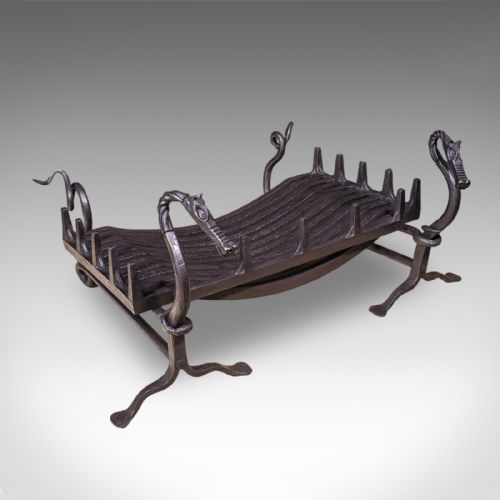


Traditional Hearth Grate
A traditional hearth grate anchors the fireplace with structural ironwork and heavy basket forms designed to hold solid fuel securely.
Traditional Hearth Grate
A traditional hearth grate serves as the functional and decorative centrepiece of an open fireplace, designed to hold coal, logs or turf while allowing ash to drop through to the hearth below. Buyers seeking a traditional hearth grate encounter forms ranging from freestanding fire baskets and hob grates to complete register grates and heavy inglenook assemblies.
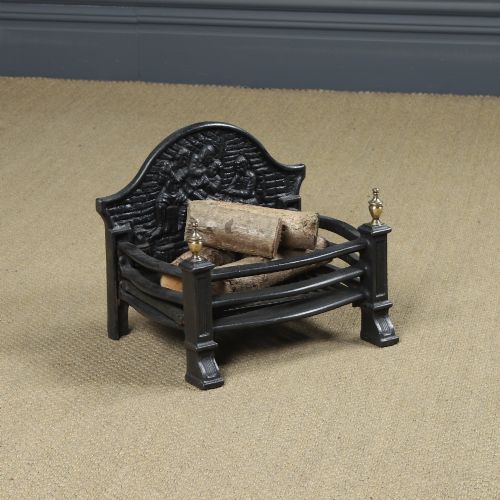
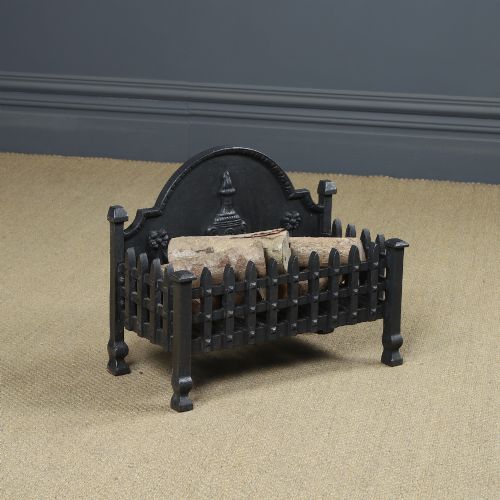
The pieces available span several centuries of British domestic heating, with particular emphasis on Victorian, Edwardian and Georgian examples alongside revival pieces from the early twentieth century. Common configurations include fire baskets paired with andirons, heavy cast iron fire backs, and intricate basket grates suited to period hearths.
How they were made
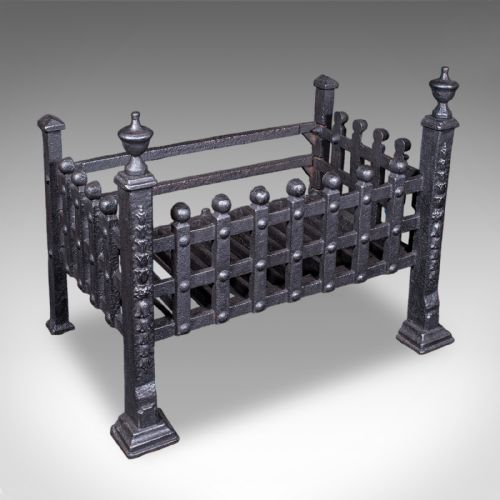
Makers utilised cast iron for structural fire backs and intricate decorative motifs, pouring molten metal into sand moulds to achieve crisp detail. Wrought iron and steel were worked by hand into sturdy fire baskets, andirons and bars capable of withstanding intense, repeated heat.
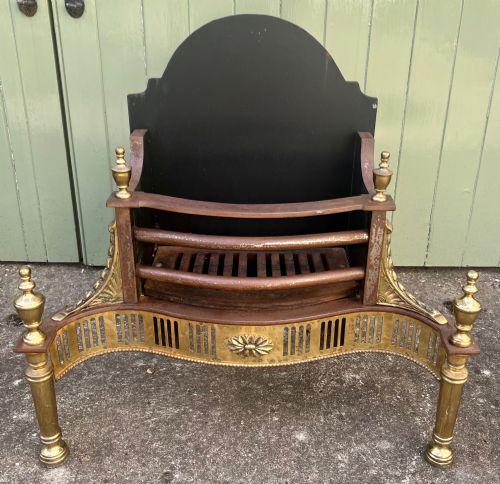
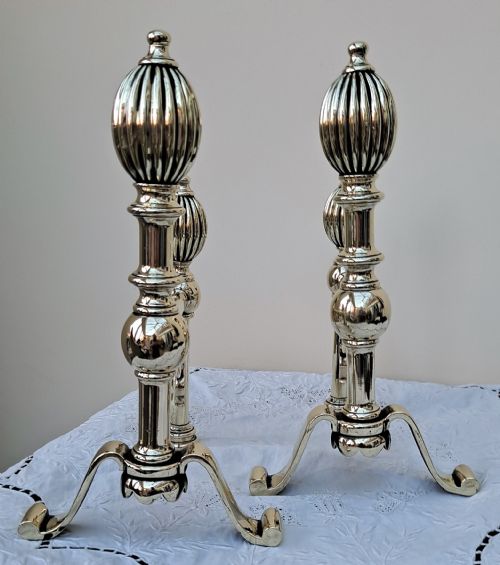
Brass featured prominently in decorative elements, including fire dogs, finials and ornamental mounts, contrasting with the dark surfaces of the iron. Firebrick linings were frequently incorporated to insulate the hearth and protect the surrounding metal from direct flame.
Listings feature cast iron, wrought iron, brass, steel and firebrick across Victorian, Georgian, Regency and Arts and Crafts styles.
What varies in quality
The distinction between standard utility grates and superior examples lies in the weight of the metal and the crispness of the casting. Finer pieces display refined detailing in styles such as Adam, Gothic Revival or Regency, with well-balanced proportions and heavy gauge iron that resists warping under heat.
Craftsmanship in secondary materials also sets finer items apart, such as hand-hammered wrought iron work on Arts and Crafts baskets or substantial cast brass components on Victorian fire dogs. The integration of matching fire backs, fenders and andirons indicates a more deliberate, cohesive design scheme rather than a disparate assembly of parts.
The Traditional Hearth Grate Glossary
- Hob grate
- A type of fireplace grate featuring raised flat platforms on either side, known as hobs, which were used for keeping kettles warm.
- Fire dog
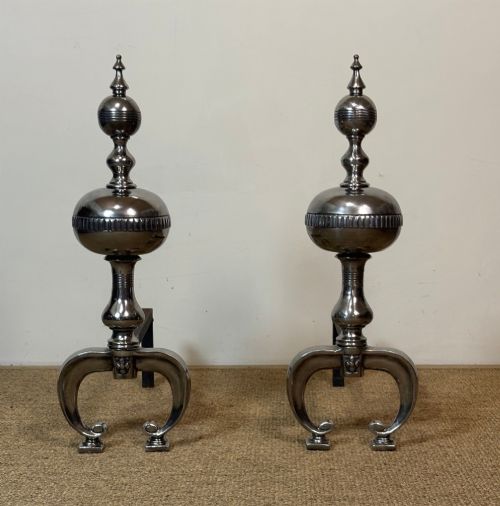
- A horizontal support iron raised on legs, used in pairs to hold logs above the hearth floor; often synonymous with andirons.
- Register grate
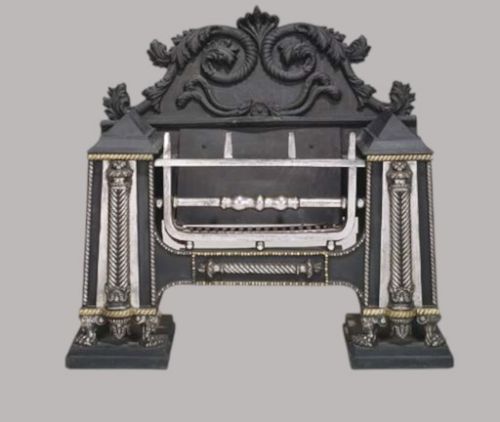
- An inset fireplace featuring a metal flap or register in the chimney throat to control the draught and smoke.
- Fire back
- A heavy iron plate placed at the back of a fireplace to protect the masonry and radiate heat forward into the room.
- Andiron
- A horizontal metal support raised on short legs, used to hold wood burning in an open fireplace.
- Fire basket
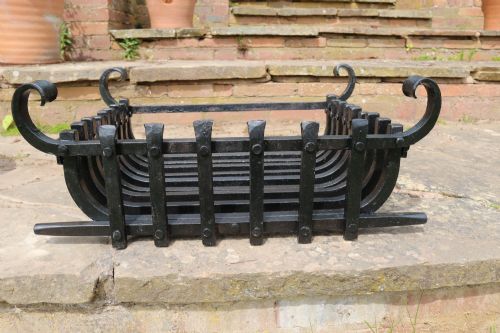
- A self-contained metal basket designed to hold coal or logs within an open hearth.
Traditional Hearth Grate: Frequently Asked Questions
How do I choose the right size grate?
Measure the width, depth and height of your fireplace opening carefully to ensure adequate clearance around the basket. Traditional hearth grates must fit securely within the hearth while leaving sufficient space for airflow.
Consider the scale of the surround and the room volume when selecting larger inglenook grates or heavy cast iron assemblies. Proportion is key to achieving a balanced look in a period fireplace.
Can these grates burn real wood?
Many traditional hearth grates are built from robust cast iron and wrought iron designed to handle solid fuel fires. However, checking for firebrick linings and internal bar thickness helps determine suitability for frequent wood burning.
Lighter decorative pieces or specific register grates may be better suited for display or gas conversion rather than heavy log fires. Consulting the construction details of each specific basket ensures safe usage.
How do I clean and maintain cast iron?
Regular maintenance involves brushing away ash and soot using a soft bristle brush to prevent moisture absorption and rust formation. Applying a suitable grate polish helps protect the iron surface and maintains a deep dark finish.
Avoid using harsh chemical cleaners or water on antique ironwork, as moisture causes rapid oxidation. Gentle dry cleaning preserves the original patina built up over decades of use.
What is the difference between a basket and a register grate?
A fire basket is an open, freestanding unit designed to sit within an existing fireplace opening or inglenook. It relies on the chimney structure above to draw smoke away.
A register grate is a more enclosed, fixed assembly set directly into the wall, featuring an adjustable metal plate to regulate the chimney flue. Both styles offer distinct aesthetic qualities suited to different architectural periods.