



Cast Iron Grate Insert
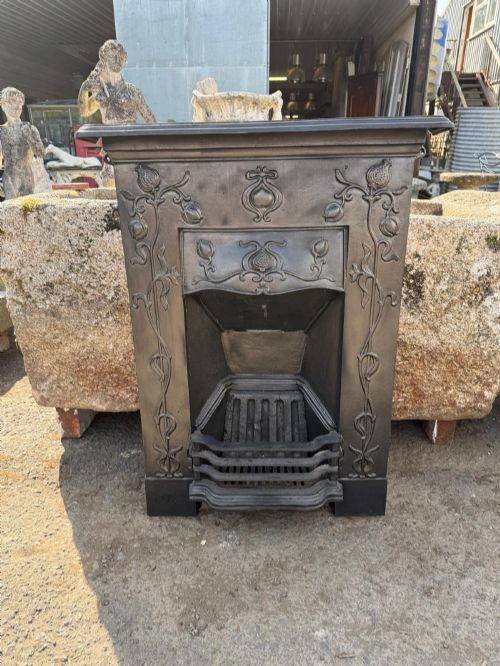
These cast iron grate insert examples are functional hearth fittings spanning Georgian to Edwardian periods, bringing period character to a fireplace opening.
Cast Iron Grate Insert
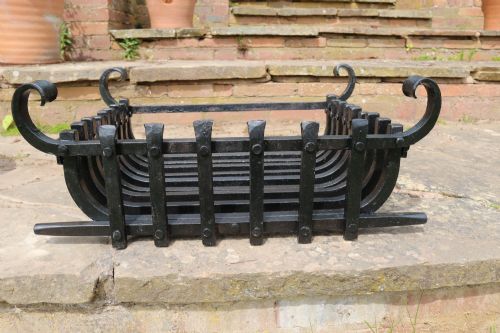
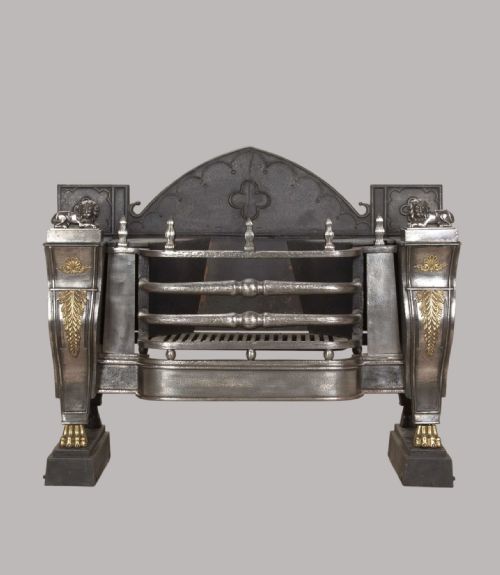
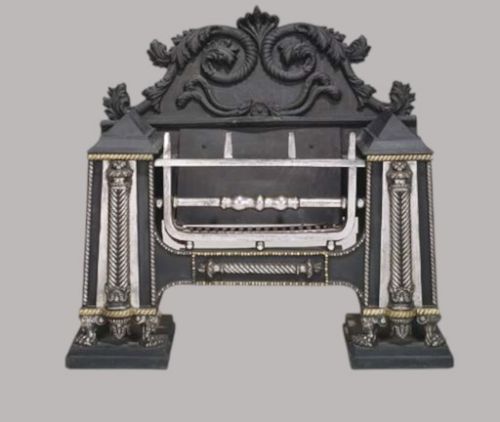
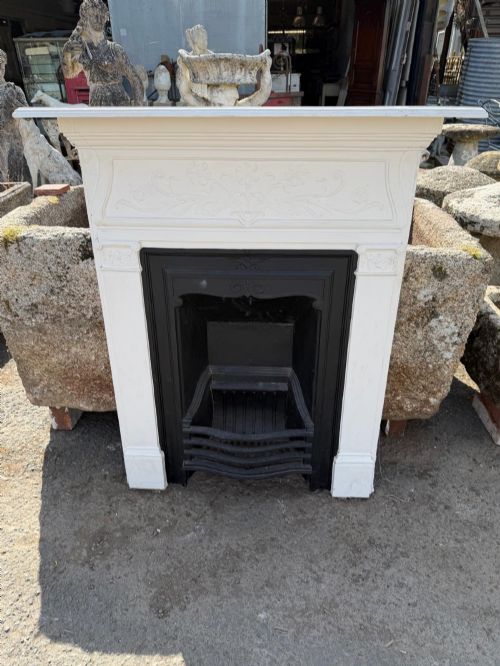
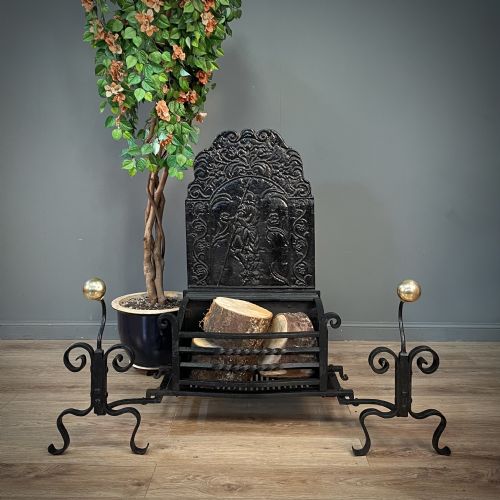
When you search for a cast iron grate insert, you find heavy metal hearth furnishings designed to contain fuel within a fireplace. The examples on this page span Georgian, Regency, Victorian, and Edwardian periods, taking forms such as hob grates, register grates, combination fireplaces, and free-standing fire baskets.
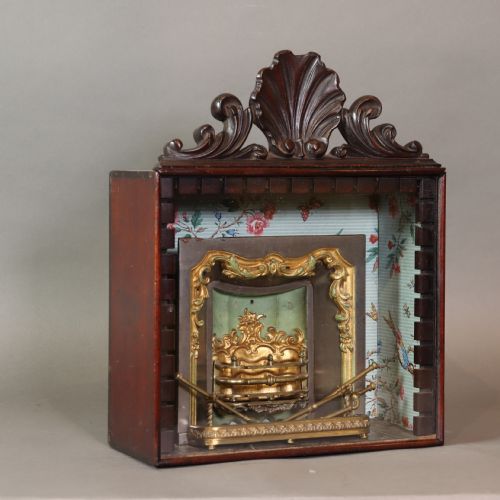
You are most likely to meet Victorian and 19th-century pieces, often pairing cast iron with wrought iron, brass, or firebrick. They range from large functional fire grates with backs to small proportions and miniature salesman samples.
The styles recorded across these listings include Adam style, Arts and Crafts, Jacobean Revival, and Neoclassical designs. Each configuration reflects the heating requirements and decorative tastes of its original domestic setting.
How they were made
Maker operations combined cast iron and wrought iron components, frequently incorporating brass details, timber elements, and internal firebricks to withstand intense heat. Foundries poured molten iron into sand moulds to create decorative plates, grates, and backs with crisp architectural relief.
Wrought iron parts were hand-forged for structural strength, particularly in fire baskets and andirons where movement and load-bearing were necessary. Assembly relied on traditional mechanical joints, bolts, and mounting plates to secure the heavy metal sections together.
A Victorian miniature salesman sample allows a travelling representative to demonstrate a full-sized fireplace on a tabletop.
What varies in quality
The standard of a cast iron grate insert depends on the crispness of the casting and the refinement of the chased or polished brass embellishments. Superior examples display sophisticated classical or Adam style ornamentation with deeply defined mouldings rather than shallow, blurred surface relief.
Structural integrity also separates individual pieces, visible in the weight of the metal and the proper integration of wrought iron bars with cast frames. Maker attribution, such as Coalbrookdale production, elevates an object through documented foundry output.
Coalbrookdale
The Cast Iron Grate Insert Glossary
- Hob grate
- A fireplace grate featuring raised flat platforms or hobs on either side of the fire for heating kettles or pans. This form was common during the Georgian and Regency periods.
- Register grate
- A metal fireplace insert equipped with an adjustable flap or damper plate to control the draught up the chimney. These units fitted flush within the fireplace opening.
- Andirons
- Horizontal fire dogs supporting logs in an open hearth, often used alongside a fire basket. They typically feature decorative vertical fronts in brass or iron.
- Combination fireplace
- A single-unit cast iron fireplace comprising the mantel, jambs, and grate cast as one integrated piece. They became widespread during the Victorian era.
- Firebrick
- A block of refractory ceramic material used to line the interior of the fire basket and reflect heat into the room.
Cast Iron Grate Insert: Frequently Asked Questions
How do I measure for a cast iron grate insert?
Measure the height, width, and depth of the internal fireplace opening carefully before selecting a grate. Consider the clearance needed for firebricks and back panels.
Take measurements at multiple points because older openings can be irregular. Compare these dimensions with the specific proportions listed for each insert.
Can these grates burn real wood and coal?
Many of these pieces were originally built for coal or wood burning in period hearths. The presence of firebrick liners helps protect the metal from high temperatures.
Consult a specialist before lighting any historic grate to ensure the flue and surrounding masonry are safe. Some miniature or decorative pieces are not intended for active fires.
How do I clean and maintain cast iron?
Remove ash and debris regularly using a soft brush to prevent moisture accumulation and subsequent rusting. Apply a suitable grate polish or black lead sparingly according to traditional methods.
Avoid using harsh chemical cleaners that can strip the historic surface finish. Keep the metal dry and well-ventilated in the room.
How do I identify the period of a fireplace insert?
Examine the decorative motifs, such as Neoclassical urns on Georgian pieces or geometric lines on Arts and Crafts examples. Construction methods, including the use of wrought iron versus cast iron, also indicate the era.
Consult the stylistic details recorded across Victorian, Edwardian, and earlier listings to compare casting techniques and design proportions.