

Antique Brass Fire Curb
An antique brass fire curb is a hearth accessory that frames an open fire and protects the rug from stray embers.
What They Are
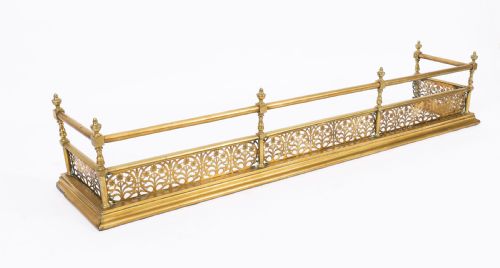
An antique brass fire curb defines the hearth area while keeping logs and coals safely contained within the fireplace. These functional furnishings sit directly on the floor in front of the hearth to anchor the fireplace surround.
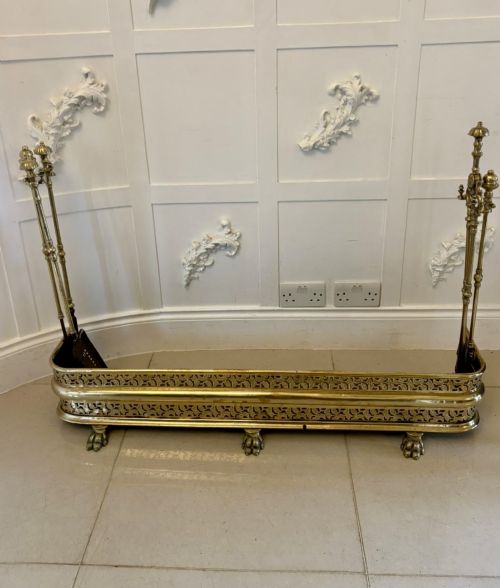
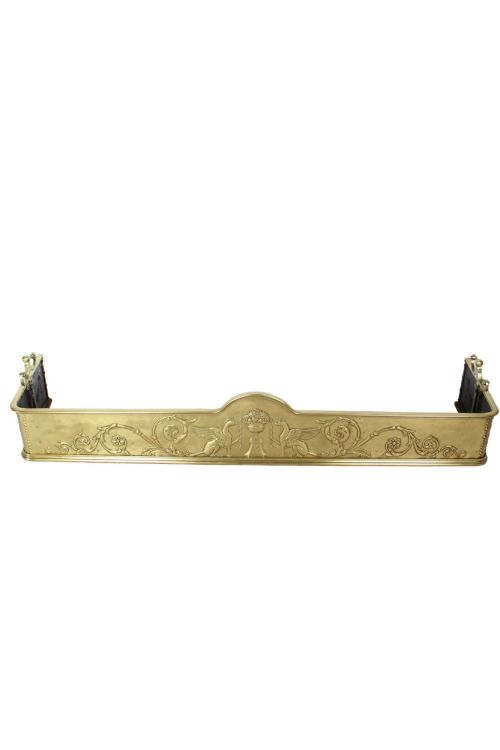
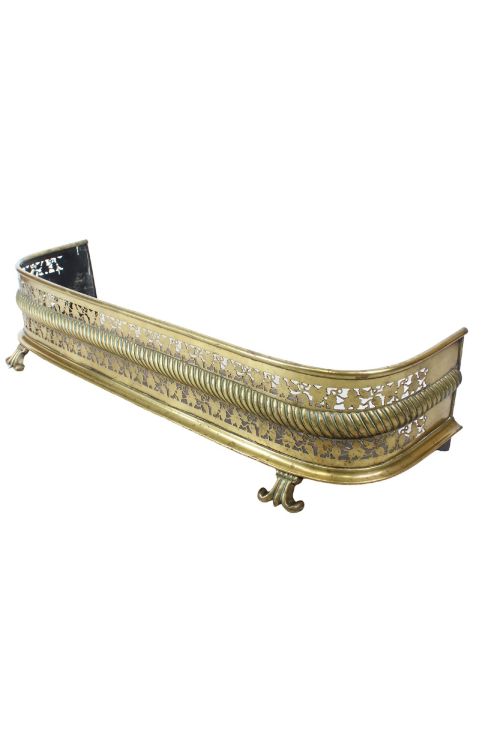
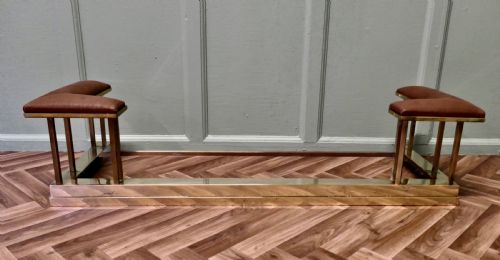
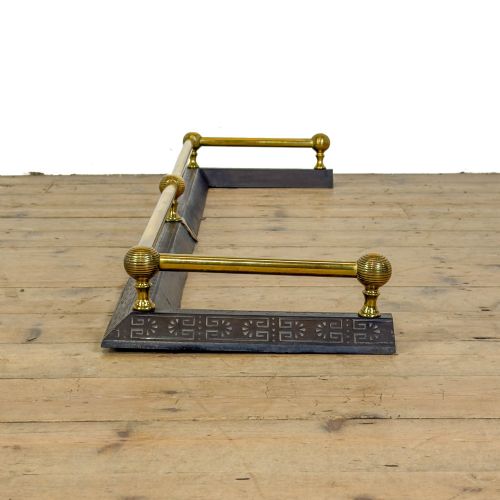
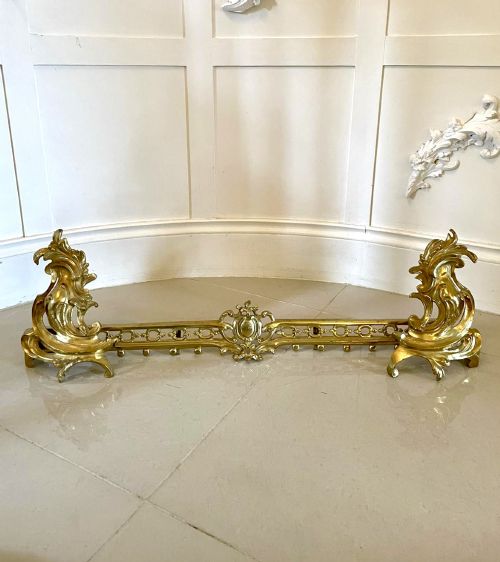
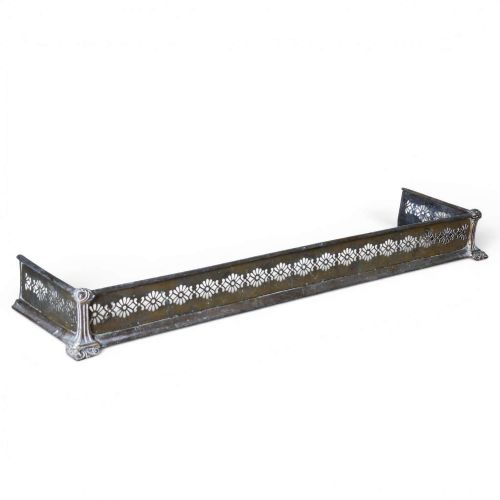
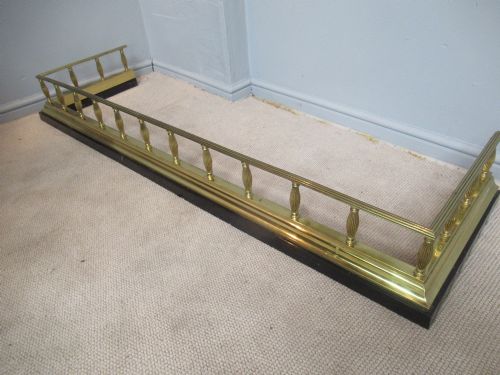
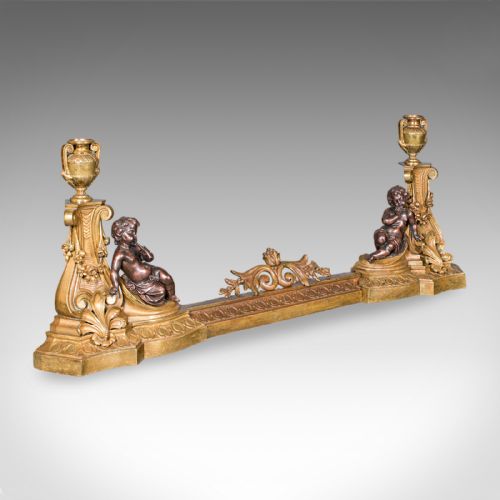
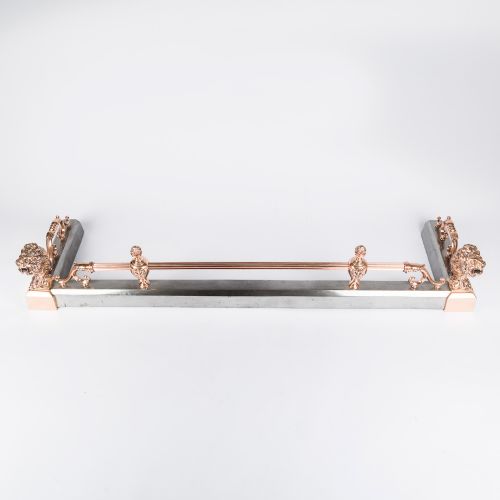
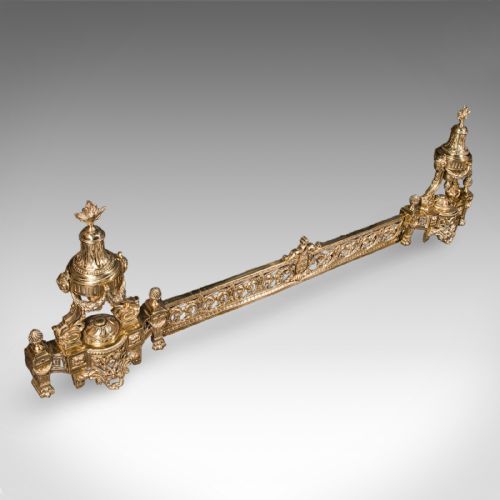
The selections on this page span several distinct periods including Victorian, Georgian, and the twentieth century. Forms range from simple polished channels to ornate Louis XV style frames and Arts and Crafts designs.
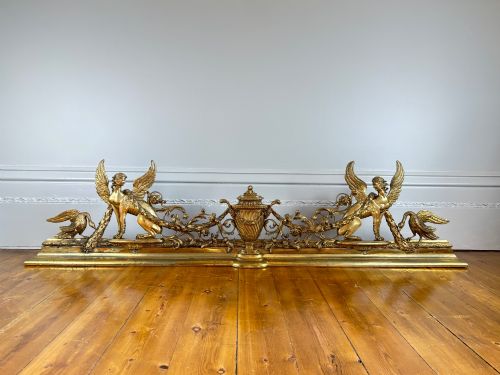
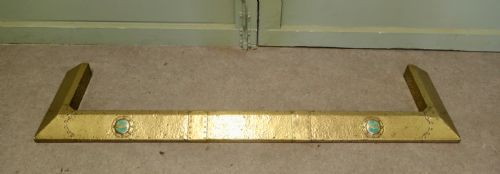
Buyers frequently encounter pieces incorporating green enamel cabochons, parcel gilt details, or heavy industrial forms alongside lighter neoclassical profiles derived from Adam designs.
How They Were Made
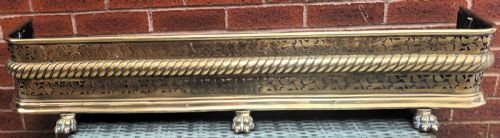
Manufacturers utilised metals such as brass, bronze, gilt bronze, and ormolu to construct these hearth surrounds. Metalwork techniques involved casting, polishing, and parcel gilding to create decorative surface contrasts.
Certain examples integrate coloured glass or enamel cabochons set directly into the metal frame for added visual texture. Heavy construction methods yielded substantial fender weights designed to withstand high hearth temperatures.
Retail Price Guide 2026
Typical UK retail prices for brass fire curb, calculated from the Sellingantiques database of over a million retail prices indexed since 2003. This retail price guide relies exclusively on Sellingantiques data; no external sources or auction records are used, so the figures do not describe the wider market.
Some fenders sport green enamel cabochons that catch the flicker of the hearth fire.
What Varies in Quality
Quality in these pieces rests on the weight of the metal and the crispness of the casting. Heavier components and deeply rendered decorative motifs indicate superior workshop production.
The refinement of stylistic details separates standard production from finer examples. Pieces referencing specific historical aesthetics like French Rococo or Adam designs demonstrate greater sculptural ambition in their mounts and mouldings.
The Antique Brass Fire Curb Glossary
- Fender
- A low metal guard placed before an open fireplace to contain falling coals and sparks. This is the primary term used for the object.
- Chenet
- A French term for an andiron used to support logs within the hearth. These often accompany or coordinate with the main fender.
- Cabochon
- A convex, polished gemstone or enamel inset without facets. Arts and Crafts examples frequently utilise green enamel cabochons.
- Ormolu
- Finely ground high-carat gold applied to a bronze base using mercury amalgamation. It provides a rich, durable golden finish on decorative mounts.
- Parcel Gilt
- Partial gilding applied only to specific raised portions of an object. This technique highlights particular ornamental details against a darker metal background.
Frequently Asked Questions
What is an antique brass fire curb?
An antique brass fire curb is a hearth barrier designed to keep burning fuel and embers safely contained inside the fireplace. It establishes a decorative boundary between the fire and the room.
These pieces sit flat on the floor and coordinate with other fireside metalwork such as andirons and grates. They reflect historical design movements from the Georgian period through the Victorian era.
How do I measure for a fender?
Measure the width of your fireplace opening and the hearth stone space available to ensure the fender fits correctly between the walls or surround piers. Allow adequate clearance for the hearth rug.
Take note of the depth as well, since heavier industrial Victorian styles or ornate French Rococo pieces require more floor space in front of the hearth.
Are all these pieces solid brass?
The listings include a mix of materials such as standard polished brass, heavy bronze, gilt bronze, and ormolu. Some items also incorporate enamel cabochons.
Manufacturing methods varied by period and workshop, leading to different metal weights and surface finishes across Victorian, Georgian, and later pieces.
How do I clean polished brass?
Polished brass requires gentle cleaning with a soft cloth to maintain its sheen without removing historical patination. Avoid harsh abrasives that can scratch the metal surface.
Pieces with parcel gilt or applied ormolu need particular care to protect delicate gilding from vigorous rubbing or chemical damage.