
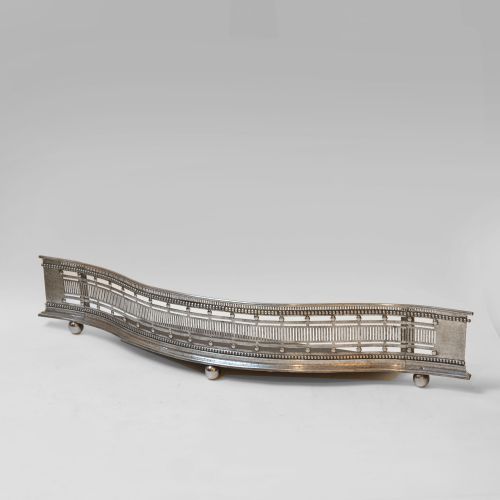
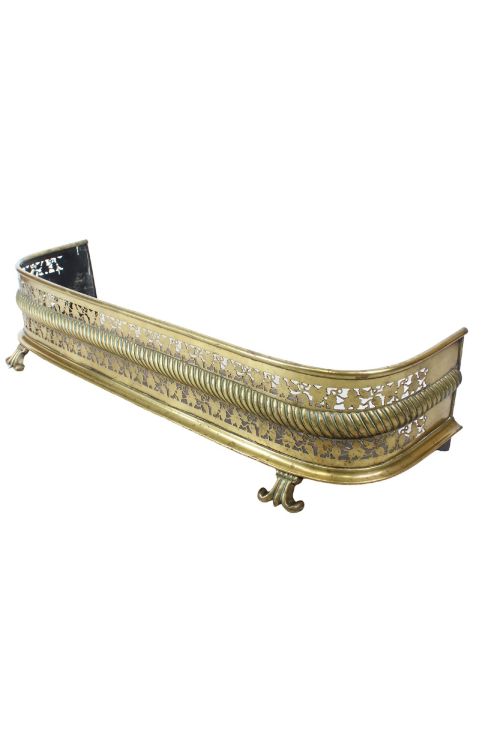
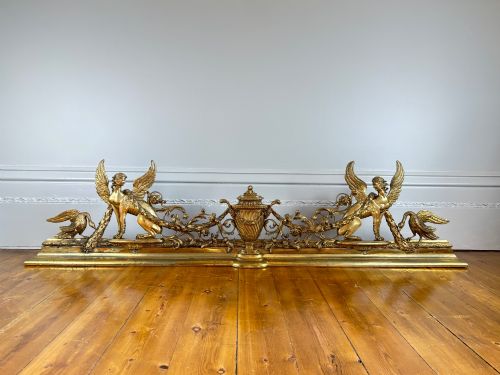
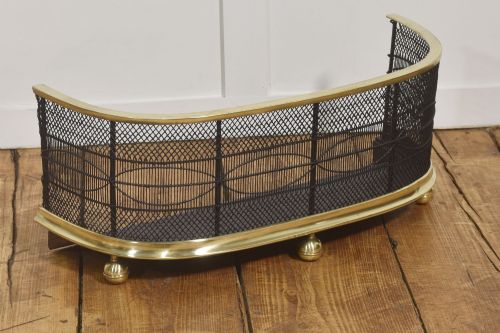
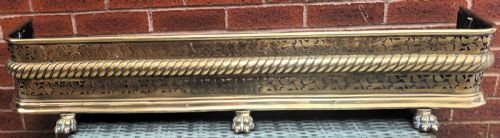
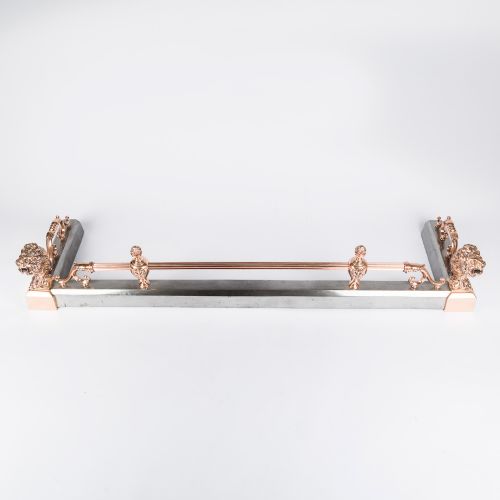
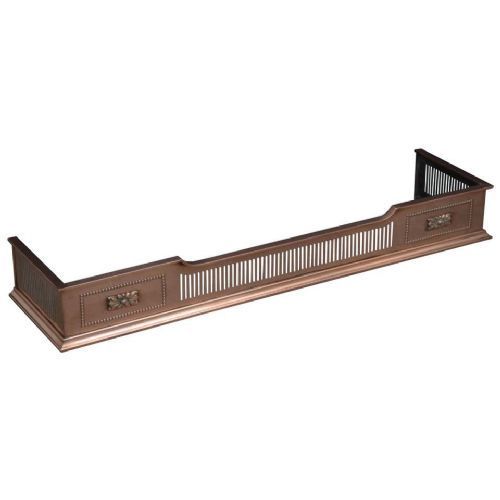

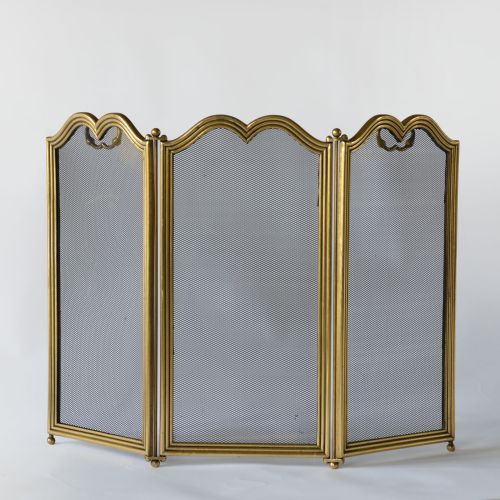

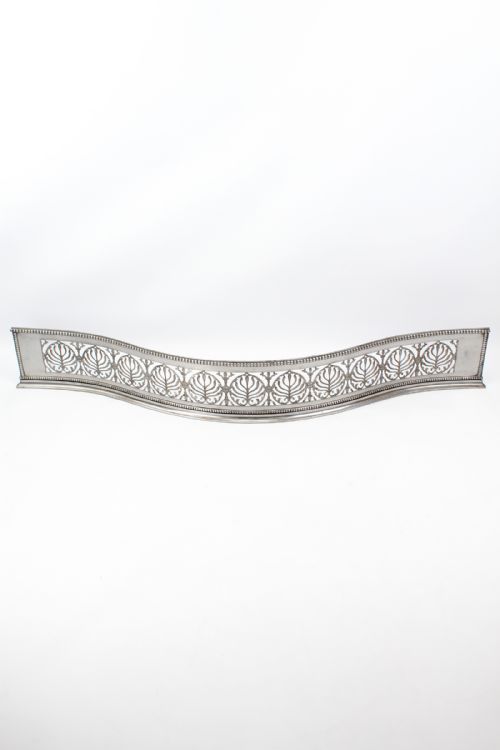

Antique Metal Fender
An antique metal fender protects the hearth and frames the fire, bringing period character and solid craftsmanship directly to the fireplace.

Antique Metal Fender
The selections here range from simple steel and iron kerbs to elaborate pierced brass designs and leather-topped club fenders. Formats include bowfront and serpentine shapes alongside extending versions designed to fit varying hearth dimensions.
Beyond standard hearth guards, the inventory includes specialised forms such as nursery fenders with integrated clothes rails and wirework fire guards. These pieces combine practical utility with distinct period styling spanning the eighteenth century through the early twentieth century.
How they were made
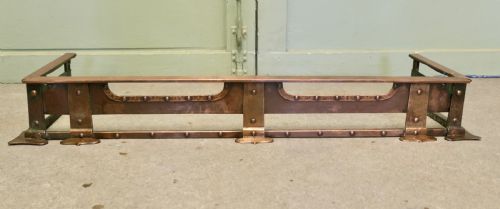
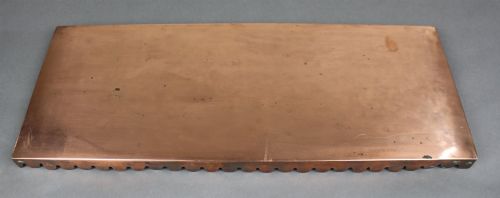
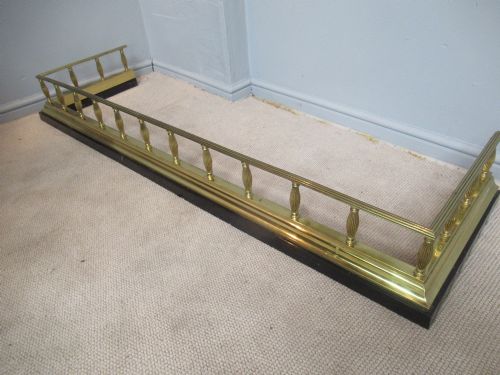
Maker workshops utilised heavy metals including brass, cast iron, polished steel, copper, and bronze, often combining materials within a single piece. Steel frames frequently paired with bright brass mouldings or copper plates to create visual contrast around the fireplace.
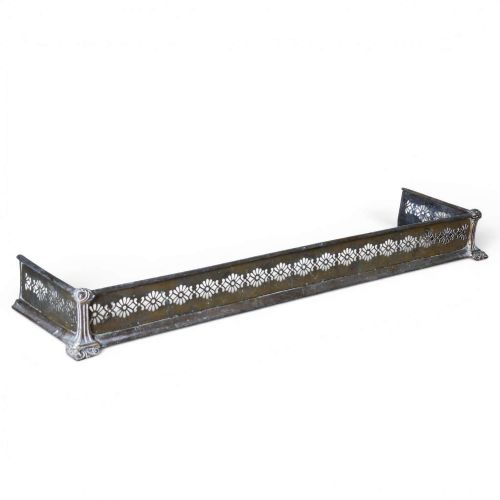
Craftsmen shaped sheet metal through piercing, engraving, and beating techniques, visible in floral patera, geometric perforations, and riveted joints. Leather upholstery appeared on club fenders, padded for seating and secured with brass studs.
Listings feature periods spanning from Georgian and Regency eras through Victorian, Edwardian, and early twentieth-century designs.
What varies in quality
Construction weight and metal gauge dictate the structural integrity of each piece, distinguishing heavy cast and forged elements from lighter folded sheet metal. Fine hand-engraving, crisp pierced detailing, and robust joinery separate standard production from exceptional workshop output.
Surface finish and original patination reveal the handling of the metal over time, particularly on polished steel and patinated copper surfaces. The integration of specialised components like heavy leather squab cushions or cast brass ornamentation marks the higher tier of design.
E F Caldwell New York
The Antique Metal Fender Glossary
- Club fender
- A low fireside guard featuring upholstered top rails designed for seating, traditionally covered in leather.
- Serpentine front
- An undulating, curved outline curving outward at the centre and inward at the ends, common on Georgian steel hearth pieces.
- Pierced brass
- Sheet metal perforated with decorative patterns using punches or saws, allowing light and heat to pass through.
- Patera
- A circular ornamental bas-relief resembling a classical libation dish, frequently carved or stamped with floral motifs.
- Kerb
- The low stone or metal boundary enclosing a hearth area to prevent hot coals from rolling onto the floor.
Antique Metal Fender: Frequently Asked Questions
How do I choose the right size fender?
Measure the width and depth of your hearth opening accurately before selecting an antique metal fender to ensure proper clearance.
Take note that extending models offer adjustable widths, while rigid serpentine or bowfront designs require exact floor measurements.
What is a club fender used for?
A club fender provides a low barrier around the fire while incorporating cushioned seats on top for warming close to the hearth.
Victorian and Edwardian country houses utilised these seating guards to accommodate guests comfortably in social fireside settings.
How do I clean polished steel and brass?
Maintain polished steel and brass surfaces with dry cloths or specialised metal wools, avoiding harsh abrasive chemicals that strip patination.
Preserving the historic surface appearance relies on gentle dusting and occasional light waxing where appropriate for the specific metal.
How do I date an antique metal fender?
Examine the fastening methods, material combinations, and decorative styles such as neoclassical brass pierced work or Arts and Crafts riveted copper.
Georgian pieces typically feature hand-forged steel with serpentine profiles, whereas later Victorian examples often employ bright stamped brass and iron.