


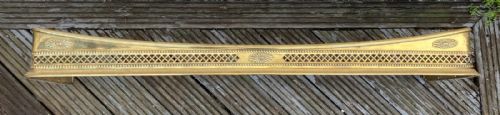


Georgian Hearth Curb
A georgian hearth curb secures the open fire, keeping the room tidy while framing the hearth with brass, steel, and cast iron.
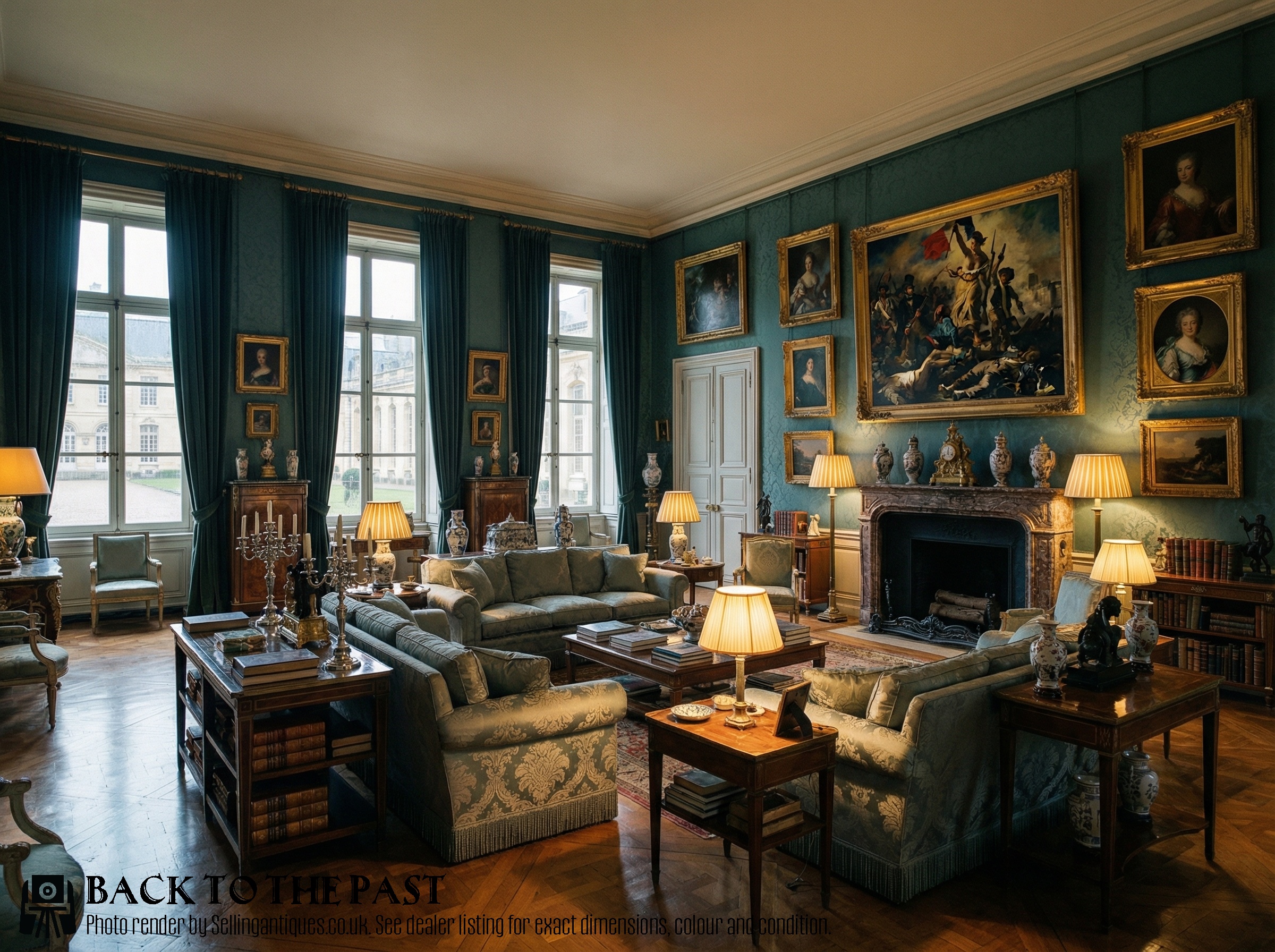
Georgian Hearth Curb
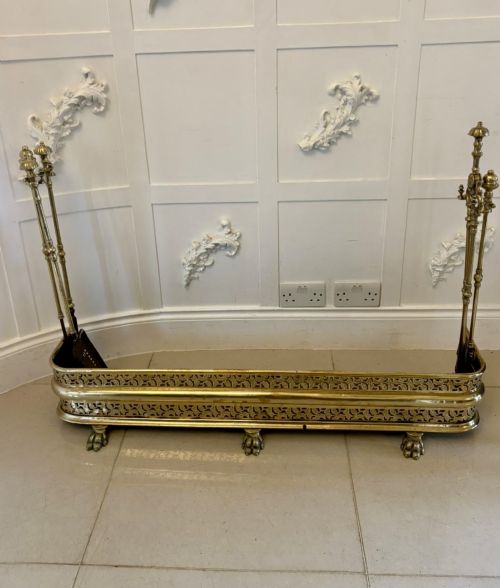
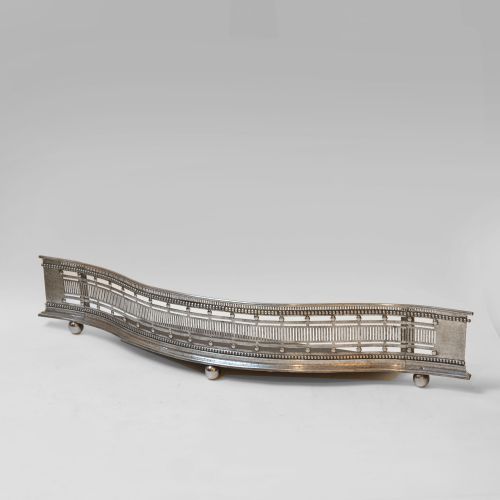
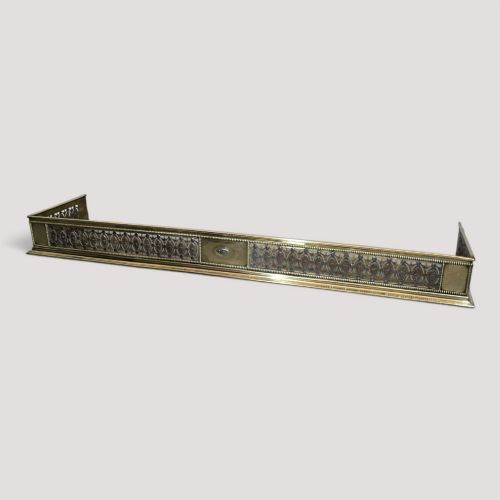
A georgian hearth curb sits directly on the floor in front of a fireplace, containing ash and sparks while anchoring the entire fire surround. These hearth pieces appear in brass, steel, polished steel, and cast iron, taking forms from simple straight lines to curved and bowfront shapes.
The versions most commonly met on this page date from the Georgian and Regency periods, alongside later 19th-century interpretations in the Neoclassical or Adam style and Victorian tastes. Makers shaped them with pierced galleries, engraved surfaces, and scrolled details to suit formal drawing rooms and country houses.
Object types vary slightly in designation between fireplace fenders, fire fenders, and curb fenders, yet all serve the same practical and decorative boundary. They range from compact domestic examples to large four-foot-six serpentine designs intended for substantial grates.
Materials and technique
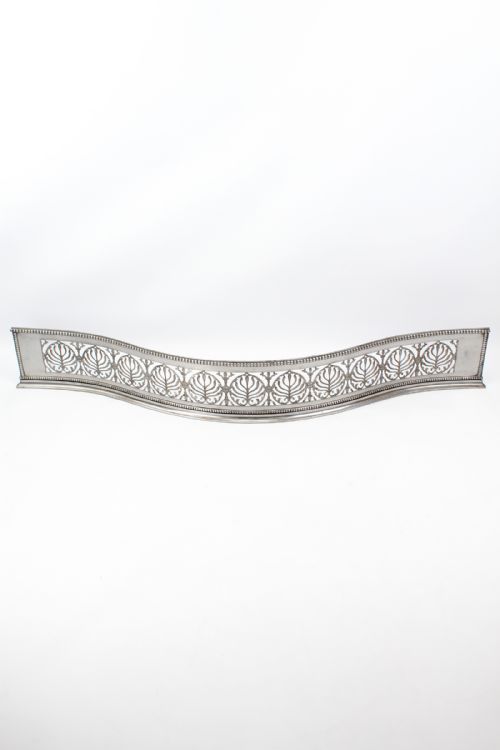
Metalworkers formed these curbs using heavy sheets of brass and steel, often combining polished steel bodies with cast brass mounts and feet. Pierced decoration relied on careful hand-punching through iron or steel plates to create intricate geometric and floral patterns.
Serpentine and bowfront shapes required blacksmiths and metalworkers to heat and bend thick bars of iron and steel with considerable precision. Engraving added surface detail, while cut steel studs and brass galleries provided the decorative finish characteristic of the period.
Georgian Hearth Curb Retail Price Guide 2026
Typical asking prices for georgian hearth curb among the pieces listed under this phrase on Sellingantiques today, from the lower quarter to the upper quarter. They describe what is for sale here now, not the wider market.
Several examples include their original fire irons, proving that hearth pokers were just as easy to mislay two centuries ago as they are today.
Distinctions in quality
Quality rests on the thickness of the metal gauge and the crispness of the hand-pierced or engraved decoration. Heavy cast brass components and substantial steel plates show superior workshop standards compared to thinner, pressed alternatives.
Design complexity also separates standard utility pieces from exceptional ones, particularly where serpentine curves demand precise forging and matching fire irons survive intact.
The Georgian Hearth Curb Glossary
- Serpentine
- A gentle curving shape with a convex centre flanked by concave sweeps. This profile appeared frequently on higher-end Georgian grates.
- Pierced
- Metalwork perforated with decorative holes or patterns. Artisans used punches to create light, open designs along the steel or brass gallery.
- Polished steel
- Iron alloy treated to a bright, reflective finish. It required careful maintenance in period households to prevent rust.
- Cut steel
- Small faceted steel studs riveted individually to a metal backing. This technique caught the firelight in formal Regency rooms.
- Bowfront
- A curved front section projecting outward in a smooth arc. This shape helped fit the curb neatly around hearth stones.
Georgian Hearth Curb: Frequently Asked Questions
What is a georgian hearth curb used for?
These metal barriers contain burning embers, ash, and rolling logs within the hearth area. They protect carpets and floorboards from stray sparks while completing the visual arrangement of the fireplace.
They also provide a solid boundary that kept furniture at a safe distance from the open heat of the fire in period rooms.
How do I measure for a fender?
Measure the width of your fireplace opening and the hearth stone space available in front of the surround. Curbs need to sit squarely on the hearth floor without overlapping the outer edges.
Depth matters just as much as length to ensure the piece accommodates your grate and any accompanying fire irons properly.
Are brass and steel fenders original to the fireplace?
Many hearth accessories were purchased separately from the main register grate or surround to match the room's metalwork. Brass and steel were often paired together on the same piece during the Georgian and Regency eras.
Matching the period style of the curb to your fireplace surround creates a cohesive appearance, even if they originated from different workshops.
How do I clean an antique metal curb?
Dust the surface regularly with a soft dry cloth to prevent dirt accumulation. Avoid harsh chemical polishes that can strip away original patination or damage historic steel finishes.
Polished steel requires specific rust-preventative maintenance, while brass can be gently cleaned with a suitable traditional metal cleaner applied sparingly.