






Cast Iron Fire Fender
These cast iron fire fender pieces anchor a hearth with weight and structure, offering the solid containment every fireplace needs.
Cast Iron Fire Fender
A cast iron fire fender guards the floorboards from stray embers while framing the hearth with period authority. When you search for a cast iron fire fender, you encounter heavy metal hearth boundaries designed for coal and wood fires.
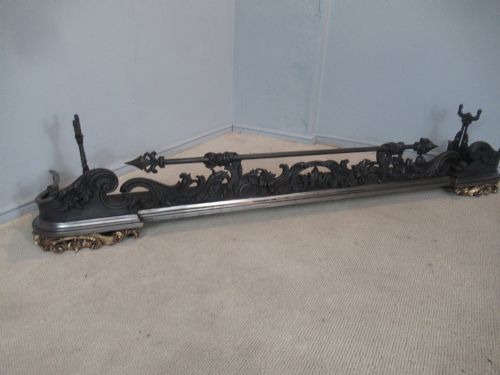
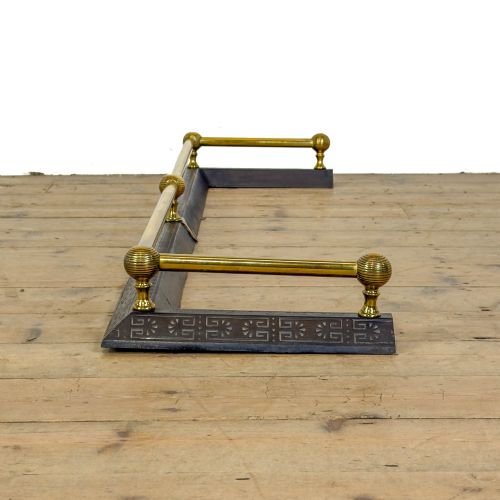
The pieces on this page span Victorian, Georgian, and nineteenth century eras, alongside French Empire and Rococo styles. Most examples lean towards Victorian and nineteenth century utility, paired with brass, steel, or bronze detailing.
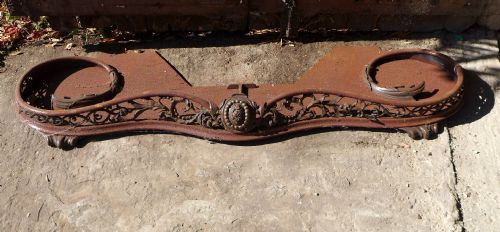
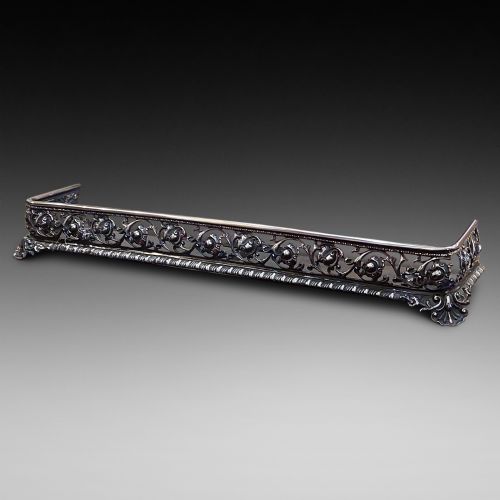
Forms range from simple straight kerbs to adjustable widths, curved frames, and assemblies incorporating grates or button plates with floral motifs. These accessories served as the traditional barrier between the open fire and the room.
How They Were Made
Foundry work relied on sand casting to shape molten iron into decorative hearth surrounds and heavy plinths. This process produced rigid bars and detailed motifs that could withstand intense fireplace heat.
Many items combine cast iron with contrasting brass, steel, gilt-brass, or bronze elements. Metal components were riveted, bolted, or joined together to create adjustable frames and secure corners.
Cast Iron Fire Fender Retail Price Guide 2026
Typical asking prices for cast iron fire fender among the pieces listed under this phrase on Sellingantiques today, from the lower quarter to the upper quarter. They describe what is for sale here now, not the wider market.
Some nineteenth century examples include button plates with floral motifs, proving that even ash containment required a touch of garden charm.
What Varies in Quality
The distinction between standard utility items and finer examples lies in the crispness of the casting and the depth of decorative motifs. Floral patterns and moulded details show sharper relief on superior pieces.
Material combinations also elevate the object, as seen in items blending heavy cast iron bases with substantial brass rails or bronze mounts. Weight and solidity distinguish the more robust hearth furnishings from lighter versions.
The Cast Iron Fire Fender Glossary
- Cast iron
- Iron poured into a mould to create rigid, decorative shapes. This material forms the heavy structural body of the fender.
- Fire kerb
- A low border enclosing a hearth to contain ash and embers. It sits directly on the floor around the fireplace opening.
- Gilt-brass
- Brass treated with a thin layer of gold or gold-coloured finish. This material provides bright decorative contrast against dark iron.
- Button plate
- A flat metal panel incorporated into the fender structure, often decorated with cast motifs. It adds visual weight to the fireside assembly.
Cast Iron Fire Fender: Frequently Asked Questions
How do I measure for a fire fender?
Measure the width and depth of your hearth space to ensure the frame sits properly outside the fireplace opening. Adjustable versions offer some flexibility if your hearth dimensions are unusual.
Take into account the clearance needed for fire tools and the projection of the grate into the room.
Were these used with coal or wood?
These pieces appeared in rooms burning coal or wood in open grates and kitchen ranges. The metal construction contained rolling embers and protected nearby carpets.
Heavier nineteenth century examples frequently accompanied larger coal grates in formal drawing rooms.
How do I clean cast iron?
Dust the surface regularly with a dry cloth to prevent soot accumulation. Avoid harsh chemical cleaners that can strip the historic finish.
Apply a light coat of specialist grate polish or wax if the metal requires conditioning.
How do I date a cast iron fender?
Examine the casting quality, the fastening methods, and the decorative style to estimate the period. Victorian and Georgian pieces often display distinct ornamentation like floral motifs or French Rococo curves.
Component materials such as brass rails or steel rods also offer clues to the manufacturing decade.