
Antique Hearth Fender Guard
An antique hearth fender guard frames the fireplace while protecting the room from stray embers, bringing solid metalwork and period character to the hearth.
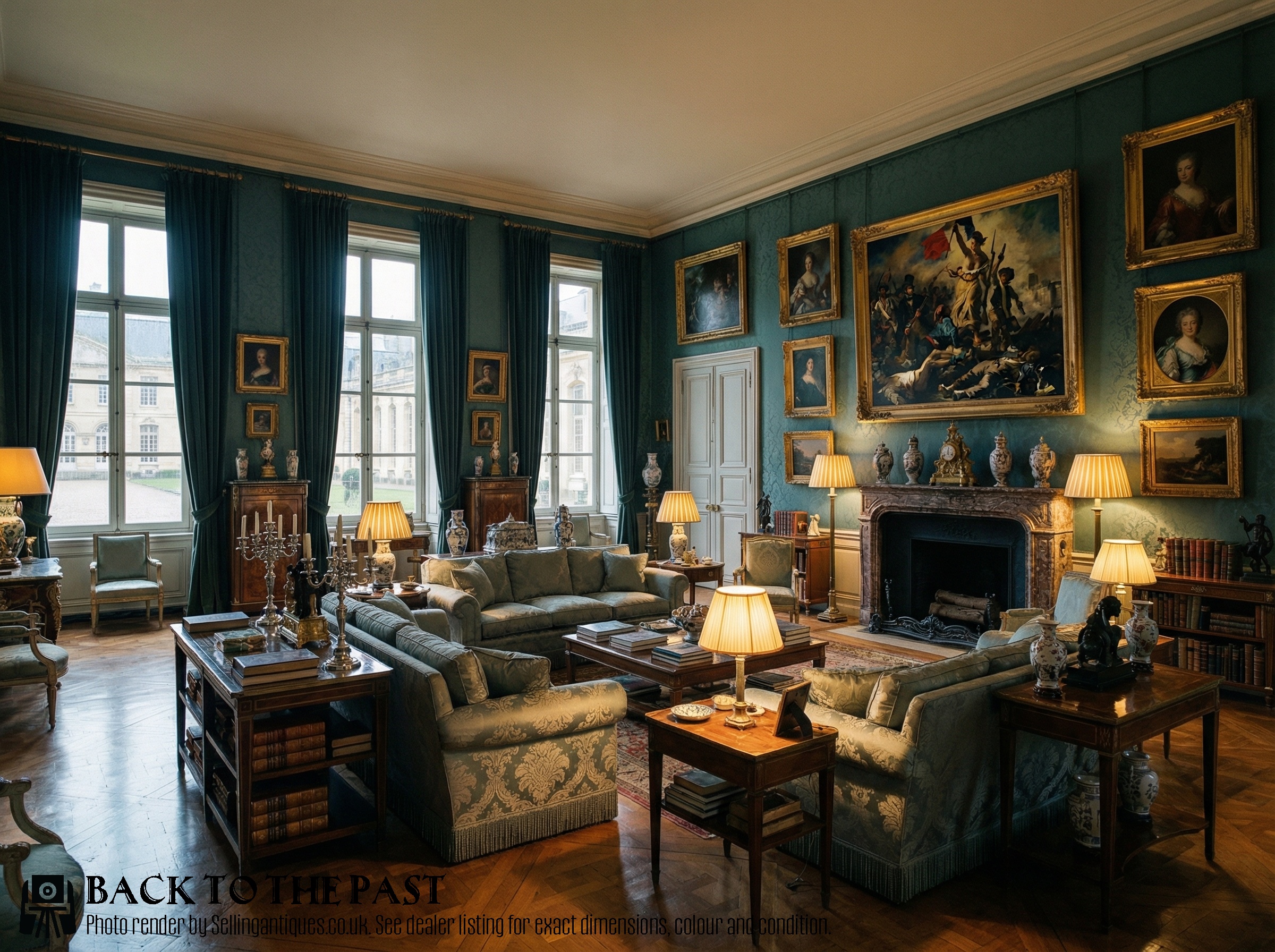
Antique Hearth Fender Guard
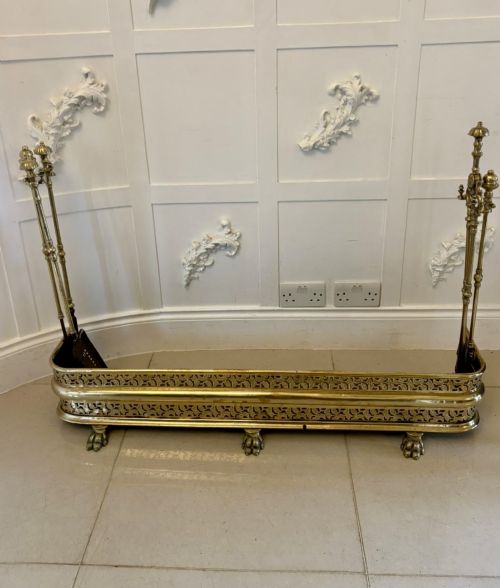
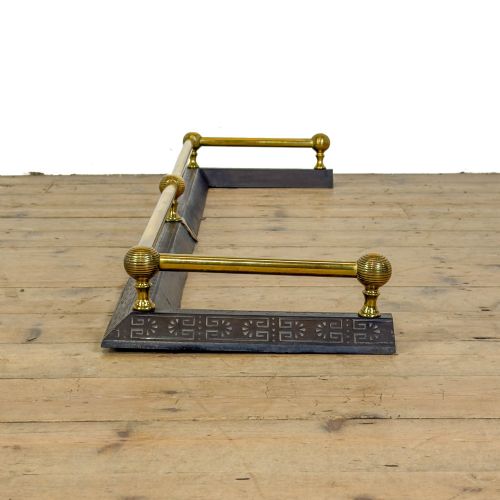
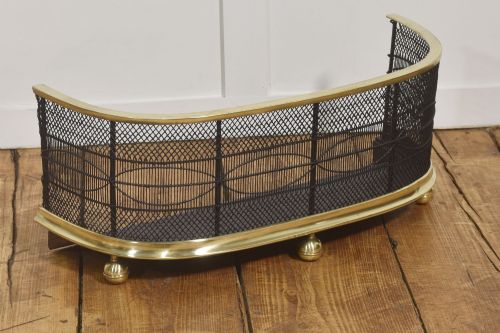
An antique hearth fender guard spans the fireplace base, acting as both a physical barrier for sparks and a structural anchor for the fireplace ensemble. These pieces range from low metal kerbs to taller guards fitted with wire mesh or leather-topped seats.
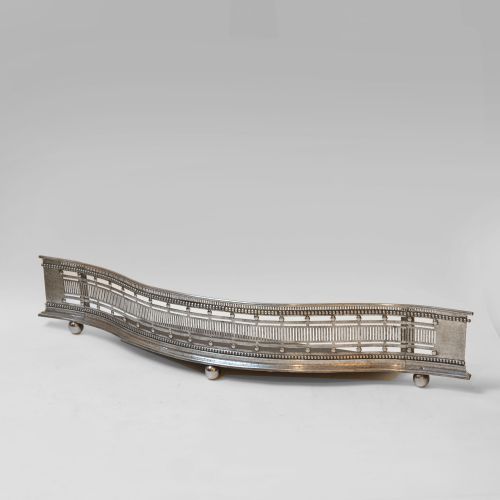
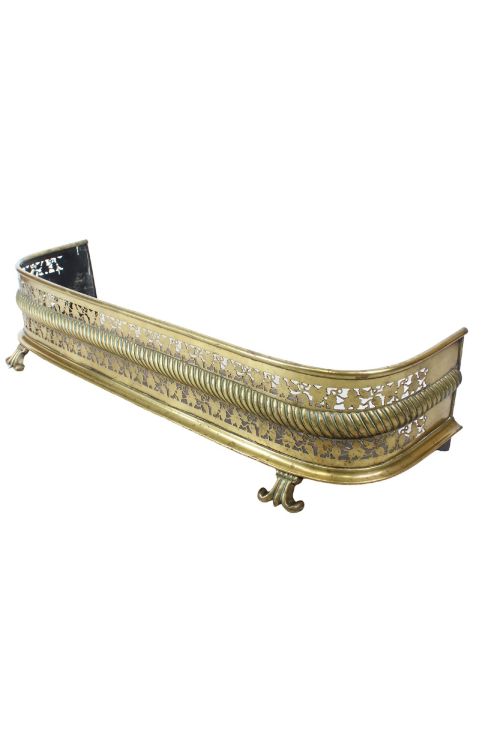
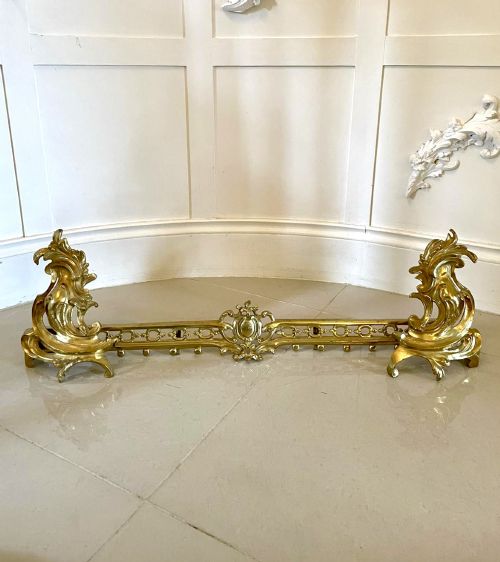
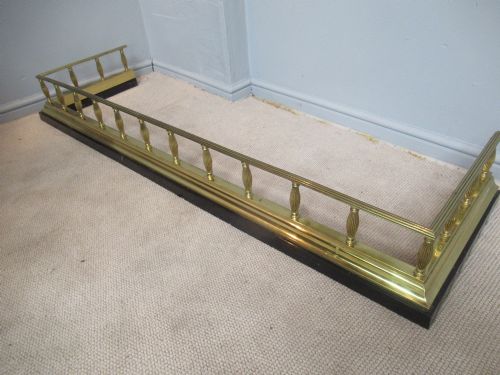
The selections span the Georgian, Victorian, and Edwardian eras, with nineteenth-century examples dominating the available stock in brass, steel, and iron. Buyers frequently encounter adjustable brass designs alongside formal pierced or serpentine hearth guards from the Victorian period.
Materials and Construction
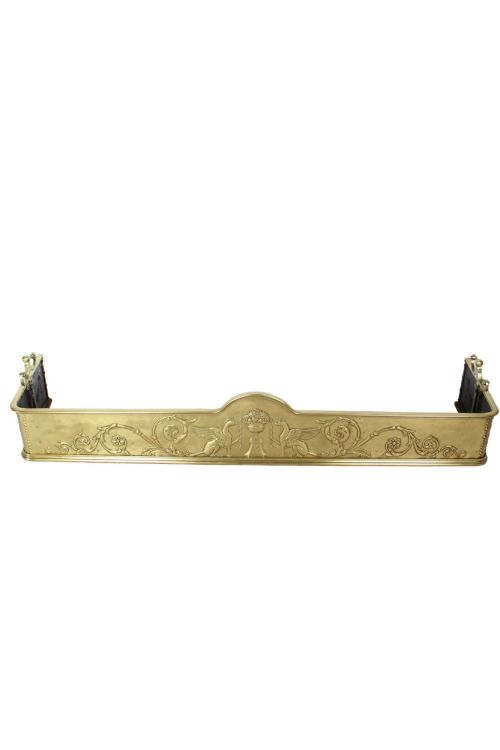
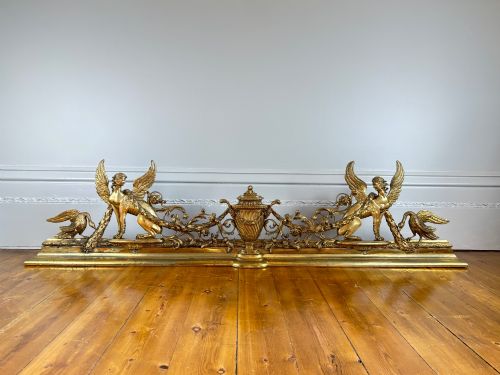
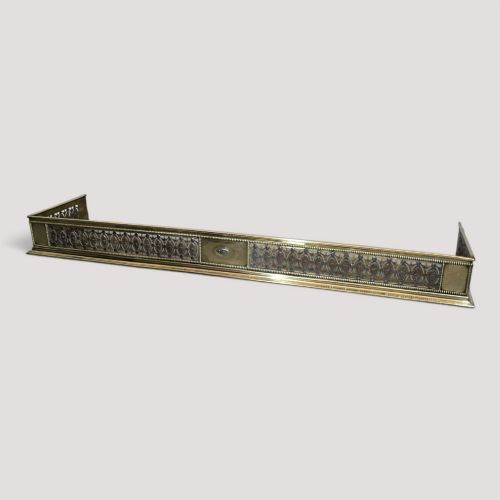
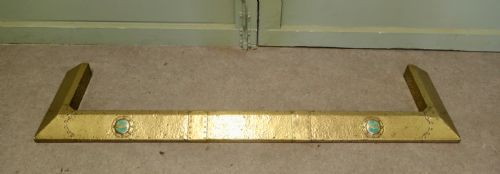
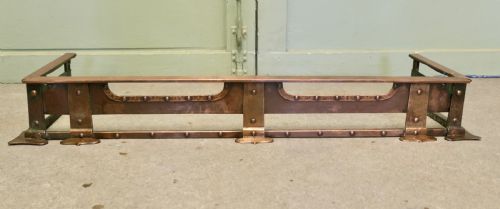
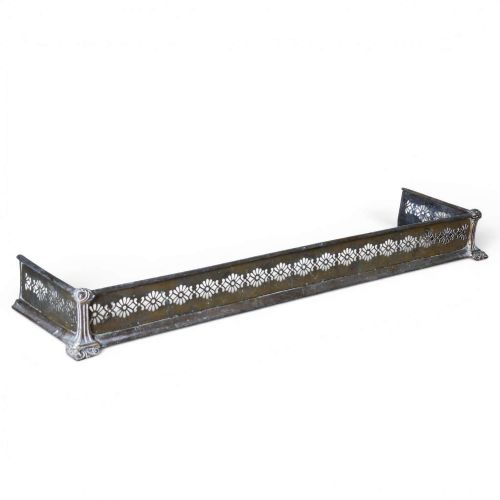
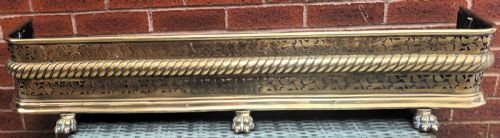
Metalworking techniques define these pieces, utilising cast iron, forged steel, and heavy brass assembled through riveting, piercing, and soldering. Copper and bronze appear alongside iron frameworks, often detailed with embossed patterns, beaded decoration, or enamelled cabochons.
Upholstered club fenders integrate leather seating pads directly onto brass or steel structures, requiring precise carpentry and metal fitting. Wire mesh and spark guards rely on fine iron wirework woven securely into rigid metal frames.
Materials span brass, steel, iron, leather, cast iron, copper, wire mesh, and bronze across the Victorian, Georgian, and Edwardian eras.
Design and Execution
The distinction between standard production and exceptional work lies in the crispness of the casting, the depth of hand-engraving, and the weight of the metal gauge. Pierced brass work with sharp, clean apertures and substantial gauge plate indicates superior workshop execution.
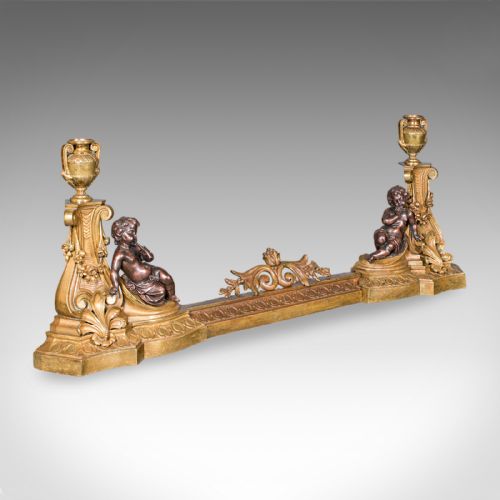
Detailing such as applied bronze mounts, hand-riveted copper plates, and original fire irons elevate specific examples. The presence of functional adjustment mechanisms and sound leather upholstery on club fenders further separates utilitarian items from refined parlour pieces.
E F Caldwell New York
The Antique Hearth Fender Guard Glossary
- Club fender
- A low fireplace guard featuring cushioned seats along the top edge, designed originally for seating close to the fire. These typically combine brass or steel frames with leather upholstery.
- Nursery fender
- A taller protective guard enclosing the hearth entirely to keep children away from open flames. They often incorporate a integrated rail or folding mesh panels.
- Serpentine
- A sweeping, undulating curve shaped into the front rail of the fender. This decorative profile is frequently seen on Georgian steel and brass guards.
- Patera
- A circular ornamental motif resembling a classical medallion or flower disc. These appear embossed or applied onto nineteenth-century copper and brass frames.
- Fire kerb
- A low barrier defining the hearth perimeter without tall side returns. It serves the primary function of containing rolling logs and ash.
Antique Hearth Fender Guard: Frequently Asked Questions
What is a club fender?
A club fender is a hearth guard built with upholstered top rails that serve as low seats beside the fire. They originated to provide comfortable seating within the warmth of the chimney breast.
Most examples combine brass or steel frames with leather cushions. They allow people to sit directly at hearth level while containing ash and embers.
How do I choose the right size?
Measure the width and depth of your fireplace opening and hearth stone before selecting a guard. The fender should sit comfortably on the hearth with clearance around the fire basket.
Adjustable models offer flexibility if your hearth dimensions fall between standard sizes. Fixed guards require exact measurement to ensure the return ends sit squarely against the wall.
What is the difference between a fender and a guard?
Fenders are low frames that sit directly on the floor around the hearth base to contain logs and sparks. Guards incorporate taller barriers, wire mesh, or folding panels for heightened protection.
Many period pieces combine both functions by adding folding spark screens or raised iron frames to a standard brass base.
How do I care for antique brass and copper?
Maintain the metal surfaces by dusting regularly with a soft dry cloth. Avoid harsh chemical polishes that strip away historical patination and age.
Allow the natural metallic sheen to persist through gentle cleaning. Unlacquered brass and copper develop a rich surface character over decades of exposure to hearth warmth.