



Georgian Cast Iron Hearth
These georgian cast iron hearth pieces are heavy metal fire grates, baskets, and fenders that bring period warmth and structure to a chimney opening.

Georgian Cast Iron Hearth
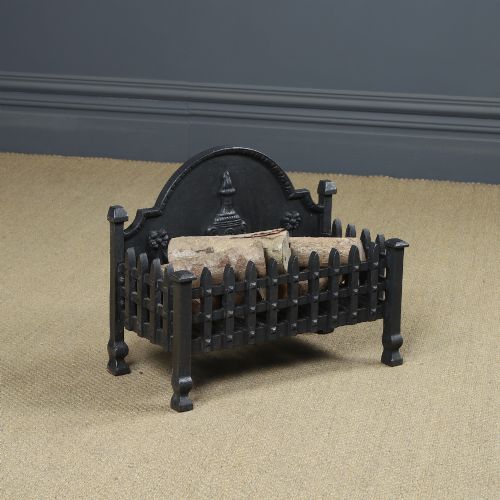
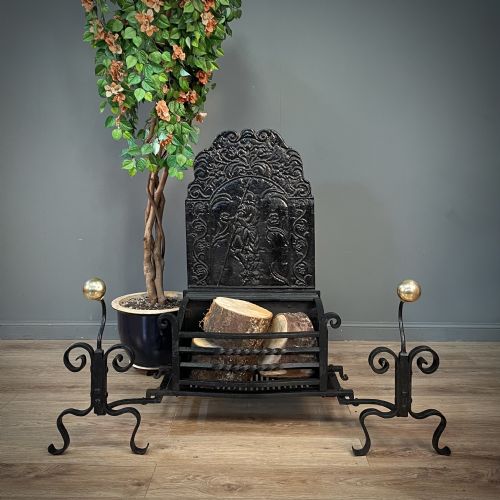
A georgian cast iron hearth comprises heavy metal fire grates, register grates, fire baskets, and fenders designed to contain fuel within a fireplace. These items form the central apparatus of a period chimney, holding burning logs or coal safely above the floorboards.
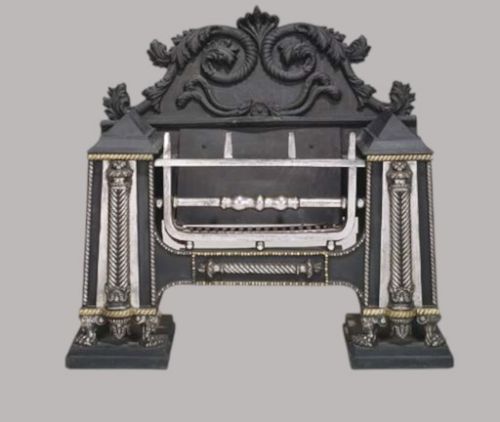
The versions most likely to be met on this page range from simple hob grates and footmen to decorative firebacks and elaborate Adam style or Regency grates. They originate from the Georgian and Victorian eras, alongside later revival pieces produced in the early twentieth century.
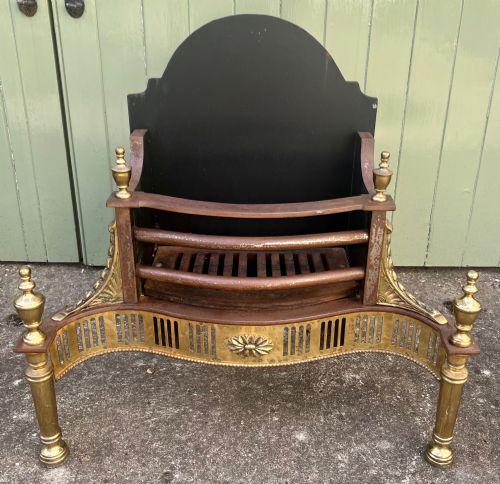
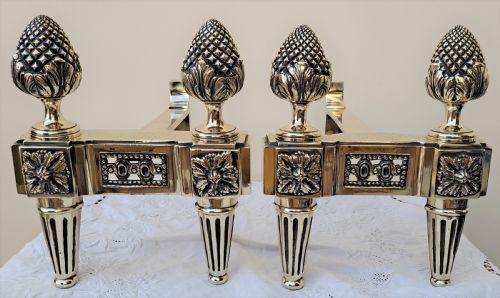
Many examples combine cast iron with brass, wrought iron, and firebrick to manage intense heat and provide structural support. The forms include free-standing fire baskets, register grates, and wide decorative fire fenders meant to sit flat on the hearth stone.
Distinctions in quality
Structural integrity separates functional pieces from damaged ones, as cast iron fractures under thermal stress if improperly cooled during initial manufacture. Quality assemblies integrate robust wrought iron bars and securely fixed brass mounts rather than loose joints or crude iron repairs.
Mulling andirons allowed Regency revellers to heat spiced wine directly beside the hearth flames.
The Georgian Cast Iron Hearth Glossary
- Hob grate
- A type of fireplace insert featuring raised side shelves, or hobs, flanking the central fire grate for heating kettles or food.
- Register grate
- A metal fireplace grate fitted with a movable flap or damper plate to control the draught passing up the chimney.
- Fireback
- A heavy iron plate placed at the back of a fireplace opening to protect the masonry and reflect heat forward into the room.
- Andirons
- Metal supports used to raise logs off the hearth floor to improve air circulation beneath the fire.
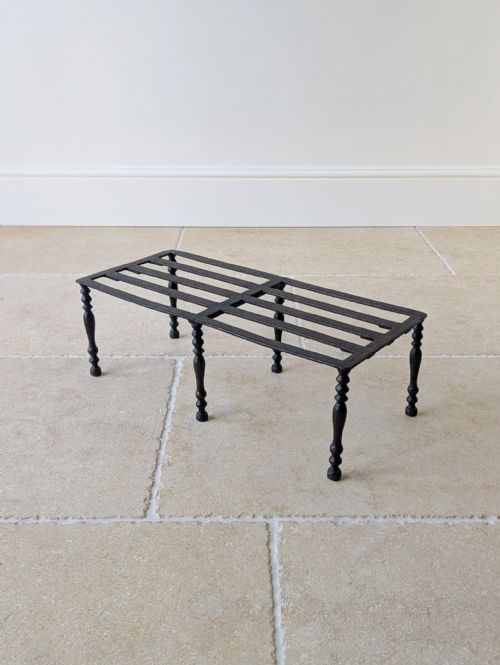
- Footman
- A metal stand with four legs and a flat top placed near the hearth to keep food warm beside the fire.
Georgian Cast Iron Hearth: Frequently Asked Questions
What is a hob grate?
A hob grate is a self-contained fireplace unit featuring flat metal shelves on either side of the grate basket. These side shelves were traditionally used for boiling kettles or keeping dishes warm.
Such grates became popular during the eighteenth century and sit directly within the masonry opening of a chimney breast.
How do I clean cast iron?
Cast iron hearth pieces benefit from gentle brushing to remove soot and ash accumulation. Harsh chemical cleaners can strip the dark protective finish and encourage surface rust.
Applying a light coat of grate polish or oil helps maintain the deep grey or black colour of the iron. Regular maintenance prevents moisture from damaging the metal over time.
Where does a fireback go?
A fireback stands upright against the rear brick wall inside the fireplace opening. It shields the vulnerable masonry from direct flame contact and absorbs heat to radiate it back into the room.
Most heavy firebacks are stable enough to stand unsupported, while others lean against specialised brackets fixed to the brickwork.
What is a fire fender?
A fire fender is a low metal barrier placed on the floor around the hearth perimeter. It stops rolling embers from escaping onto wooden floorboards and carpets.
Fenders often match the brass or cast iron details of the associated fire grate to create a unified fireside arrangement.