


Iron Fireplace Surround Guard
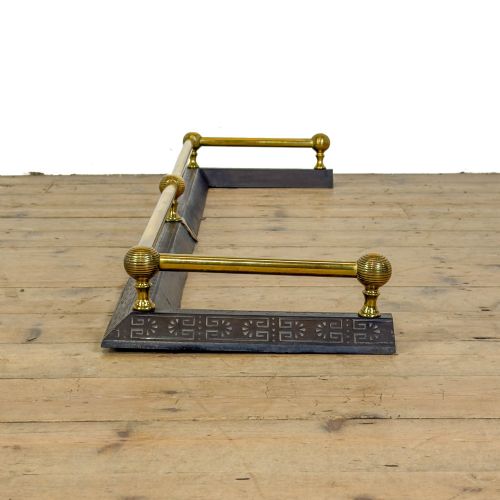
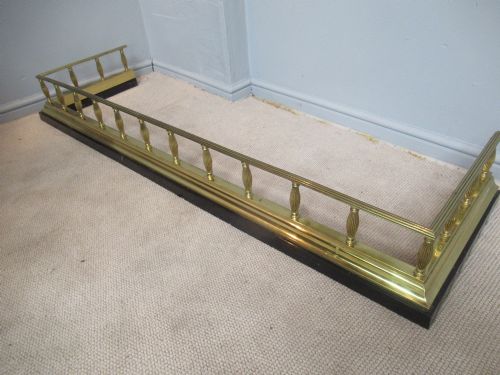
An iron fireplace surround guard anchors the hearth, protecting the room from stray sparks while framing the fire.

Iron Fireplace Surround Guard
An iron fireplace surround guard provides a physical barrier around an active hearth, keeping stray coals and embers contained. When you search for an iron fireplace surround guard, you encounter pieces designed to fit hearths of various dimensions, often combining heavy metal frames with decorative detailing.
The selections span distinct historical periods, including Georgian, Victorian, and Edwardian examples. Alongside standard hearth guards, you will find club fenders incorporating leather or upholstered seating, as well as nursery fenders fitted with wire mesh for heightened child safety.
Materials vary beyond plain metal, with many designs pairing iron with brass, steel, bronze, and gilt-brass. Certain variants incorporate wooden tops in mahogany or oak, while others arrive accompanied by matching fire irons and tools.
Materials and Construction
Makers utilised cast iron and wrought iron for structural rigidity, frequently pairing them with polished brass, steel, and bronze components. These metals were combined to create robust kerbs that could withstand daily heat exposure while offering contrasting metallic finishes.
Upholstered elements on club fenders relied on materials such as tan leather, supported by internal wooden frameworks in oak or mahogany. Wire mesh was also integrated into specialised nursery guards to form protective vertical screens.
Some Victorian club fenders let you warm your toes and sit comfortably at hearth level without scorching your ankles.
Assessing Quality and Craftsmanship
Quality rests in the weight and thickness of the cast iron, alongside the precision of joints in steel and brass. Superior pieces display crisp detailing in ornamentation, particularly on Victorian and French-influenced rococo or empire designs.
The condition of secondary materials like leather upholstery or wire mesh greatly influences overall integrity. Examples retaining original bronze mounts, balanced proportions, and integrated fire irons demonstrate higher standard manufacture.
The Iron Fireplace Surround Guard Glossary
- Club fender
- A low, padded hearth guard featuring upholstered corner seats or tops. Originally designed for gentlemen's clubs to allow seating close to the fire.
- Nursery fender
- A taller safety guard incorporating fine wire mesh screens. This variation prevented children and pets from getting too close to open flames.
- Cast iron
- Iron poured into a mould while molten to form complex shapes. It provides heavy, rigid frames for traditional hearth surrounds.
- Gilt-brass
- Brass treated with a thin layer of gold or gold-coloured finish. This technique added decorative brilliance to fireplace accessories.
Iron Fireplace Surround Guard: Frequently Asked Questions
What is an iron fireplace surround guard?
An iron fireplace surround guard is a protective barrier placed around a hearth to contain sparks and hot embers. These metal frames sit on the floor, enclosing the fireplace opening.
They range from simple iron kerbs to complex designs featuring seating, mesh screens, and decorative brass or bronze mounts.
How do I choose the right size?
Measure the width and depth of your hearth area carefully before selecting a guard. The piece must fit securely around the opening without obstructing foot traffic or hearth tools.
Some period pieces offer adjustable widths, though most traditional fenders require exact floor measurements to match your fireplace surround.
What are club fenders used for?
Club fenders incorporate upholstered leather or wooden seats along the top rails. They provide extra seating directly by the hearth, a traditional arrangement in period homes.
Victorian and Edwardian makers produced these dual-purpose items to maximise warmth and comfort in the main reception rooms.
How do I clean an iron guard?
Dust iron and steel surfaces regularly with a dry cloth to prevent surface corrosion. Avoid harsh chemical cleaners that might damage antique patination or brass accents.
Leather tops on club fenders benefit from occasional conditioning with appropriate balms to keep the material supple and prevent cracking.