




Antique Metal Fire Surround
These antique metal fire surround pieces anchor a room with period weight, offering substantial hearth protection and enduring architectural character.
Antique Metal Fire Surround
When you search for an antique metal fire surround, you encounter a variety of hearth furnishings designed to frame, protect, and elevate a fireplace opening. The selections span periods from the Georgian era through the Victorian decades and into the Edwardian years, reflecting shifts in domestic heating and interior design.
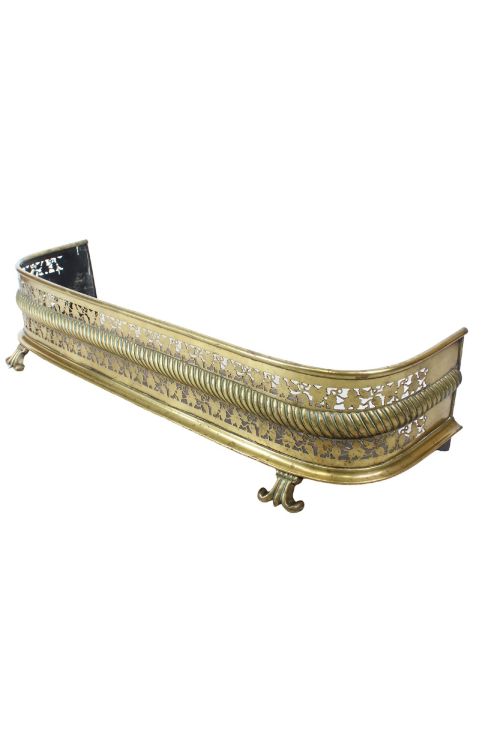
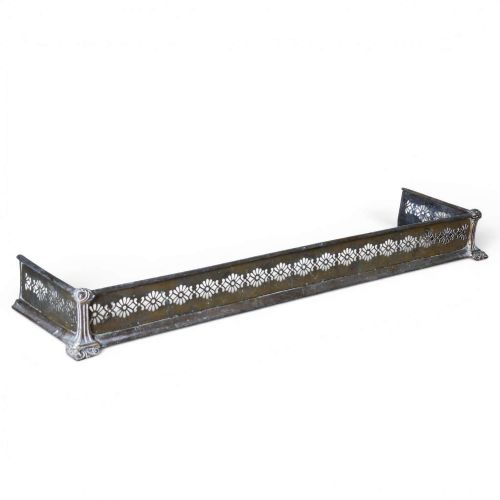
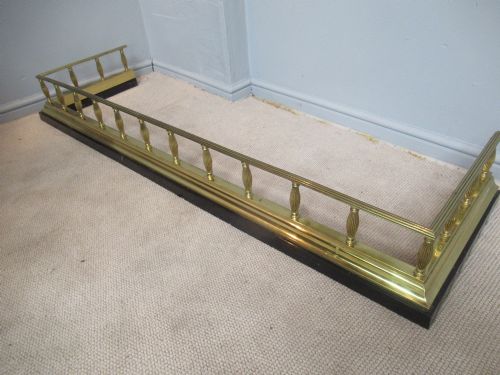
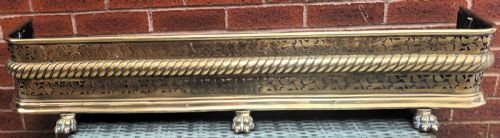
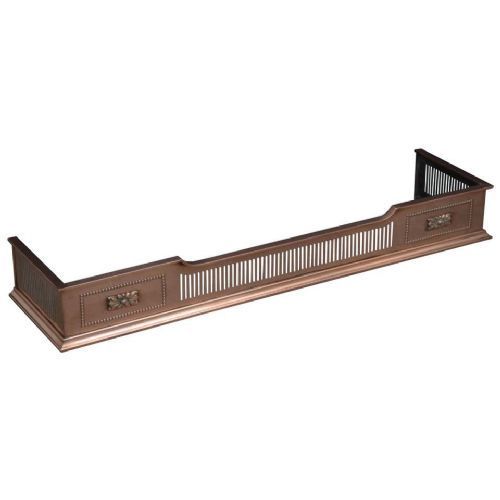
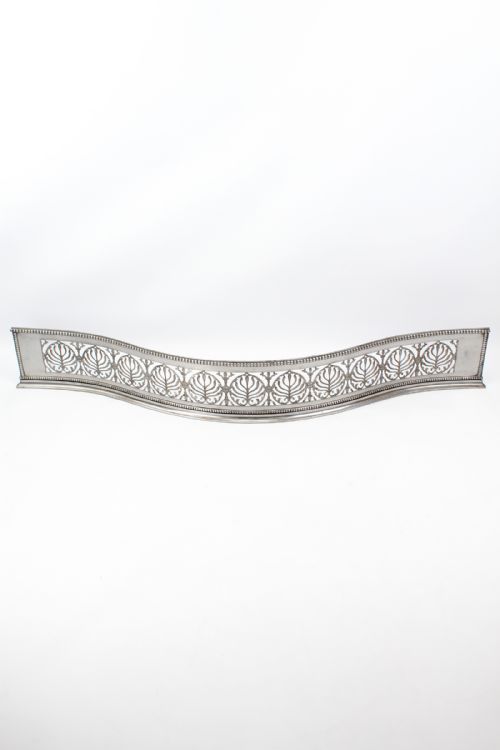
The most common forms on this page are fire fenders and kerbs, constructed from heavy metals to sit directly on the hearthstone and contain embers. These range from simple pierced brass rails to elaborate serpentine steel designs and leather-topped club fenders.
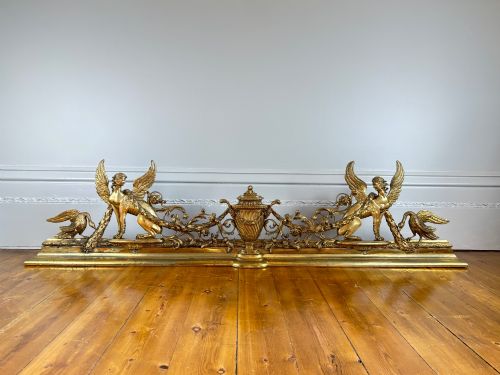
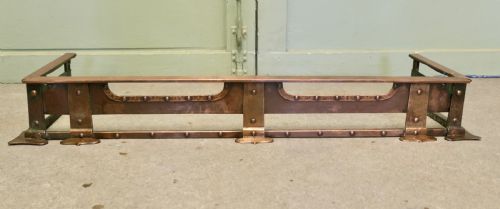
Makers and manufacturers utilised styles such as Neoclassical Revival, Arts and Crafts, and Art Nouveau, ensuring that an antique metal fire surround matches the architectural epoch of a period property.
Materials and construction methods
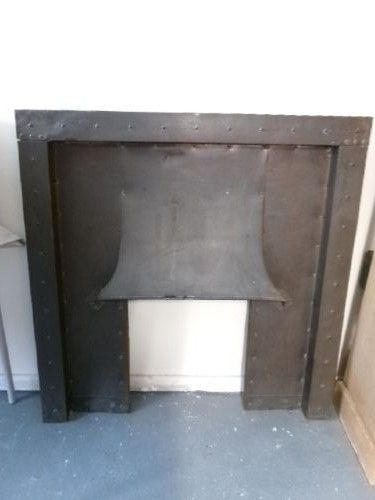
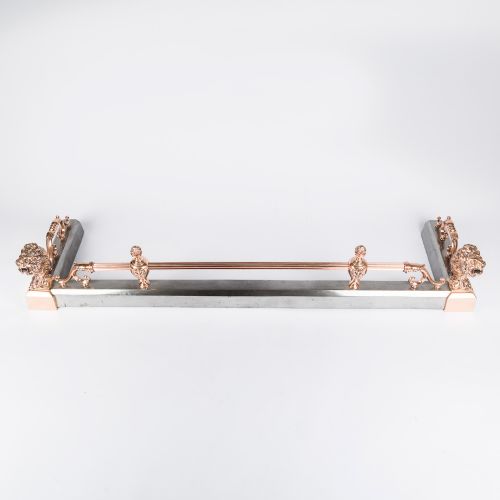
Makers fashioned these hearth pieces primarily from cast iron, polished steel, and brass, often combining metals within a single frame for visual contrast. Iron provided structural heft and heat resistance, while brass and copper introduced bright reflectivity or warm, hammered surfaces.
Techniques varied from hand-beaten copper panels and pierced brass galleries to riveted joints and delicate ormolu mounts. Fenders frequently incorporate secondary materials like leather upholstery on club seats or wire mesh on nursery guards, balancing utility with decorative refinement.
Materials recorded across the inventory include brass, steel, copper, iron, cast iron, leather, gilt bronze, and ormolu.
Distinguishing quality in metal hearth furniture
The distinction between ordinary production and superior craftsmanship rests in the weight of the metal and the crispness of decorative detail. Heavier gauge steel and thick cast brass indicate a robust build designed to withstand decades of hearthside use without warping or loosening at the joints.
Finishing work defines the top tier of examples, seen in hand-chased ornamentation, precise piercing, and patinated surfaces that retain integrity. Simpler stamped components represent more utilitarian output, whereas integrated decorative motifs like flower patera or lion mounts demonstrate deliberate artistry.
E F Caldwell New York·George Bullock
The Antique Metal Fire Surround Glossary
- Fender
- A low metal guard placed in front of an open fireplace to keep burning coals and ash contained on the hearth. They often double as footrests or support fire irons.
- Club fender
- A low, U-shaped hearth guard featuring upholstered leather seats on either side. These originated in country houses to provide close seating warmth around the fire.
- Pierced brass
- Metal sheet perforated with repetitive geometric or floral patterns using punches and chisels. This technique lightened the visual weight of heavy brass rails.
- Serpentine
- A curved shape characterised by a convex centre flanked by concave sweeps. Georgian steel fenders frequently utilised this profile to follow the hearth line.
- Ormolu
- Gilded bronze cast and finished with mercury amalgamation or electroplating to create a bright gold appearance. It appears on finer decorative fireplace inserts and mounts.
Antique Metal Fire Surround: Frequently Asked Questions
What is a club fender?
A club fender is a low hearth guard built with integrated upholstered seats, allowing people to sit directly beside the fireplace.
These pieces appeared frequently in country houses where maximising warmth around the hearth was a priority.
How do I date a metal fender?
Dating relies on identifying the prevailing stylistic motifs, such as Georgian serpentine lines or Art Nouveau organic copper beating.
Construction techniques like hand-riveting versus industrial casting also help narrow the decade of production.
Are brass fenders magnetic?
Solid brass and copper components will not attract a magnet, whereas steel and iron parts possess strong magnetic properties.
Many period pieces combine materials, so testing different sections reveals whether the core structure uses iron beneath a brass plating.
How do I clean antique brass?
Cleaning requires gentle removal of surface dust using a soft cloth without resorting to aggressive chemical polishes.
Preserving the dark patination accumulated over generations is often preferable to achieving a bright, mirror-like finish.