


Brass and Steel Fender
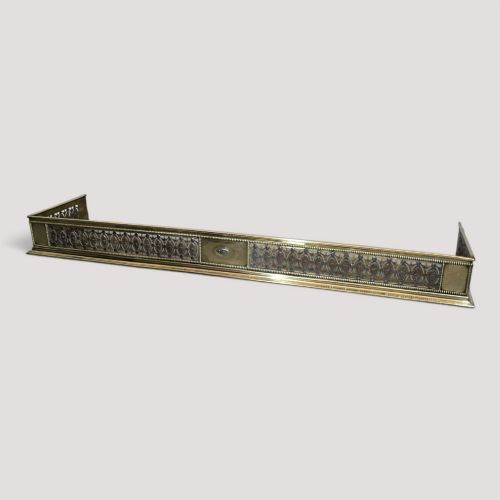
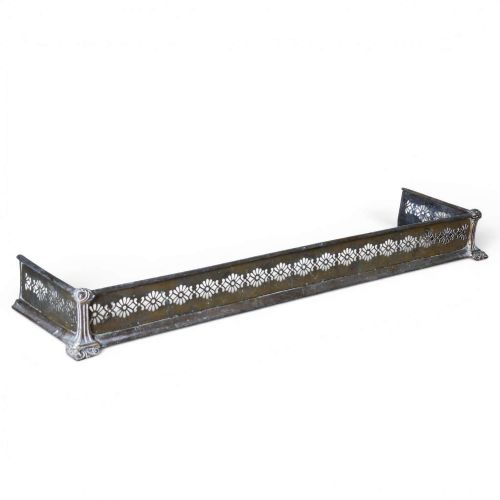
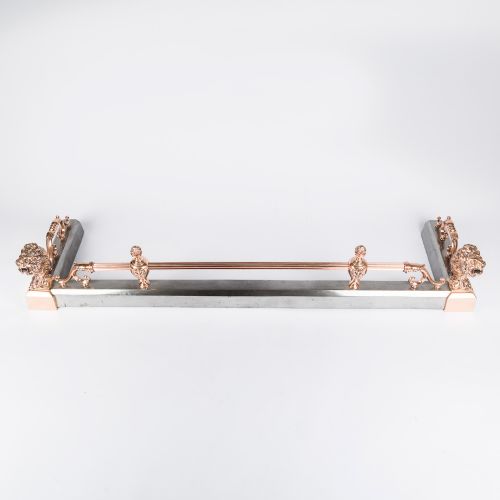
A brass and steel fender anchors a fireplace with contrasting metals, protecting the hearth while framing the fire.
Brass and Steel Fender
A brass and steel fender forms the decorative and protective barrier at the base of a fireplace, keeping stray embers contained within the hearth. You encounter various forms across this page, ranging from low hearth curbs to substantial club fenders with padded seats.
The pieces span the Georgian, Victorian, Regency, and Edwardian periods, alongside later twentieth century examples. Many items combine polished or cast steel bodies with bright brass rails, pierced galleries, and decorative mounts.
Traditional English and Neoclassical styles appear frequently alongside Arts and Crafts and Art Nouveau interpretations. Certain examples include mesh guards or integrated leather upholstery for seating around the hearth.
Judging quality
Quality rests upon the weight of the metals, the crispness of any pierced or cast ornament, and the integrity of the joinery between the brass and steel elements. Substantial gauge steel and heavy brass mouldings indicate superior workshop production.
The refinement of the polishing, the preservation of original patination, and the quality of secondary materials such as leather seating or brass fire irons separate standard utilitarian guards from distinguished examples.
One club fender originates from The In & Out Club, ready for fireside debates.
George Bullock·David Robertson
The Brass and Steel Fender Glossary
- Club fender
- A low fireside seat with upholstered cushions supported by a metal frame, allowing people to sit near the hearth. These often feature leather upholstery.
- Cut steel
- Small facets of steel riveted to a backing plate to catch the firelight. This technique provides sparkle akin to gemstones.
- Pierced fender
- A metal curb perforated with geometric or floral patterns to let heat circulate. This work is typical of Victorian production.
- Nursery fender
- An enclosing guard of wire mesh and metal designed to keep children safely away from the fire. These tall barriers surround the hearth entirely.
Brass and Steel Fender: Frequently Asked Questions
What is a club fender?
A club fender is a fireside surround built with upholstered top rails that serve as low benches. They originated in country houses to provide warm seating directly beside the hearth.
Most examples feature leather or fabric seats supported by brass spindles above a steel base. They turn the fireplace surround into a social piece of furniture.
How do I date a steel and brass fender?
Dating relies upon stylistic details, construction methods, and the specific mix of metals used. Georgian and Regency pieces show classical restraint, whilst Victorian versions often incorporate heavier cast elements and pierced decoration.
Later Edwardian and twentieth century pieces adopt simpler lines or revival styles. Examining the fasteners and the type of steel helps confirm the period of manufacture.
Can I use these with an active fire?
Most of these metal fenders were built specifically to withstand the heat and daily use of an active coal or wood fire. The combination of steel and brass handles high temperatures well.
It remains wise to check the condition of any internal mesh or lining. Regular cleaning keeps the polished surfaces safe from soot damage.
What is a nursery fender?
A nursery fender is an enclosed metal barrier designed to protect children and pets from open flames. They stand taller than standard hearth curbs and often include fine wire mesh.
These pieces prioritise safety while maintaining a decorative metal frame. They surround the entire hearth opening rather than just resting along the front edge.