
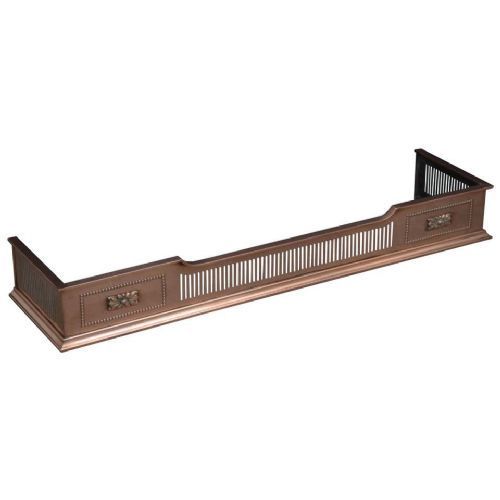


Copper Fireplace Fender
These copper fireplace fender designs frame the hearth with warmth and character, offering both protection for the floor and a distinct visual anchor for the room.
What a copper fireplace fender is
A copper fireplace fender sits directly on the hearth to contain ash and embers while defining the fireplace boundary. These pieces emerge across the Victorian, Edwardian, and Georgian periods, alongside items dated around 1800, 1890, and 1900.
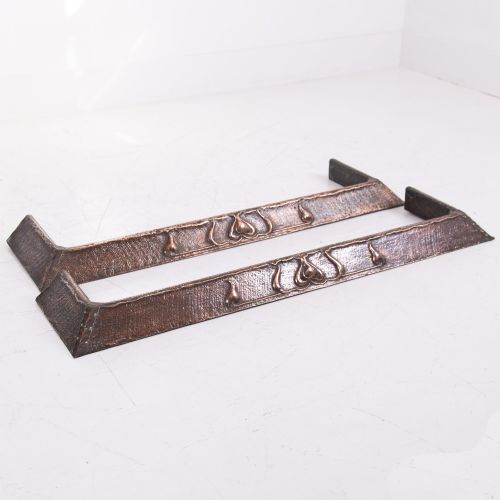
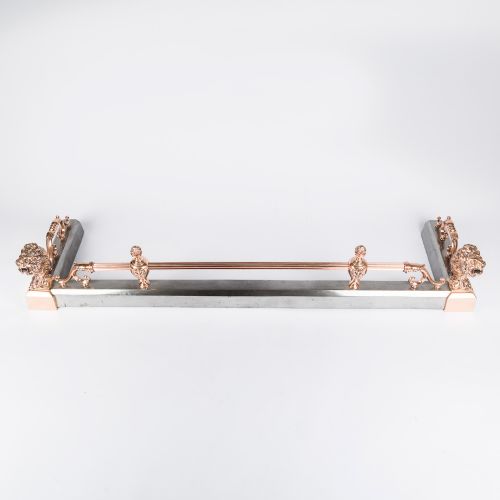
The selections available here range from club fenders and hearth plates to framed fireside kerbs and standard curb designs. Arts and Crafts, Art Nouveau, and Brutalist styles appear frequently among the listings, often combining copper with steel, brass, or leather.
How they were made
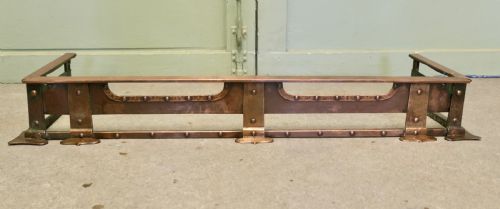
The construction relies on metals such as copper, steel, and brass, sometimes paired with leather seating elements on club variations. Metal sheets are shaped, beaten, and joined to form sturdy hearth boundaries.
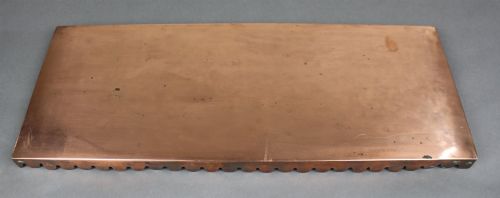
Makers utilised techniques like riveting and embossing to add decorative detail. Flower patera, beaded decoration, and scalloped edges are worked directly into the metal surface, accompanied by polished or beaten finishes.
Retail Price Guide 2026
Typical UK retail prices for copper fireplace fender, calculated from the Sellingantiques database of over a million retail prices indexed since 2003. This retail price guide relies exclusively on Sellingantiques data; no external sources or auction records are used, so the figures do not describe the wider market.
Some club fenders let you sit practically inside the fireplace without actually falling into the embers.
What varies in quality
Quality rests in the heaviness of the gauge and the precision of the hand-working, particularly in how cleanly the copper is beaten or riveted. Pieces showing crisp relief work in decorative motifs like flower patera demonstrate superior execution compared to simpler folded assemblies.
The choice of secondary materials also alters the character, where integrated steel framing or well-fitted leather upholstery elevates the piece. The integrity of the original joints and the depth of the metal polish separate standard production from finer examples.
The Copper Fireplace Fender Glossary
- Fender
- A low metal guard placed around the hearth to keep burning coals and ash contained.
- Club fender
- A specialised fender featuring upholstered leather seats on either end, designed for fireside seating.
- Patera
- A circular ornamental bas-relief resembling a classical disk, often featuring flower motifs.
- Kerb
- An alternative spelling and term for the frame or border enclosing the fireplace hearth.
- Riveted
- Joined together using metal pins that are hammered flat, visible as structural and decorative dots along the seams.
Frequently Asked Questions
What is a copper fireplace fender?
A copper fireplace fender is a protective metal barrier placed on the floor in front of a fireplace. It serves to keep stray embers and ash from damaging the surrounding flooring.
These pieces also create a formal boundary for the hearth area. They incorporate materials like brass, steel, and leather across various historical periods.
How do I measure for a fender?
Measure the width and depth of your hearth space carefully before selecting a piece. Ensure the inner dimensions fit comfortably around your fireplace opening.
Take note of the height and profile of the metal curb as well. This guarantees proper clearance for fire irons and ash pans.
Are club fenders comfortable?
Club fenders include integrated leather seats on the left and right sides. They were traditionally used for sitting close to the fire for warmth.
The upholstery provides a firm seat, though the primary function remains framing the hearth. They balance utility with fireside seating.
How do I clean copper?
Clean copper surfaces gently with a soft cloth and a dedicated metal cleaner formulated for copper. Avoid harsh abrasives that can strip away patination or damage hand-beaten textures.
Regular dusting preserves the polished or beaten finish. Allow a natural tarnish to develop if you prefer an aged appearance.
How do I date a fender?
Dating relies on stylistic clues such as decorative motifs and construction techniques. Arts and Crafts and Art Nouveau pieces often feature beaten surfaces, rivets, and floral patera typical of the 1900 period.
Georgian and Victorian examples show different edge treatments and metal combinations. Scalloped edges and simpler hearth plates often point toward earlier nineteenth or eighteenth-century origins.