
Victorian Hearth Fender
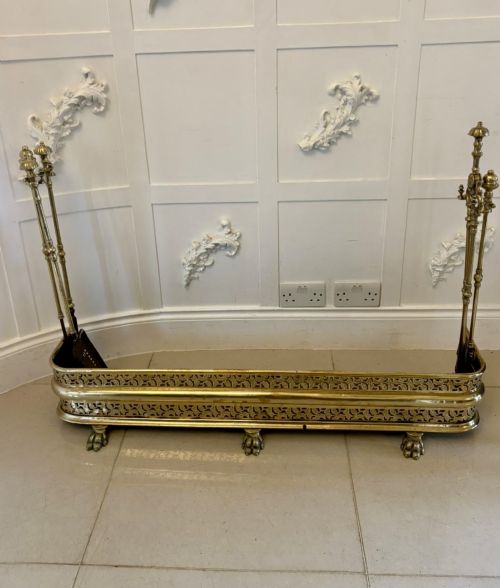
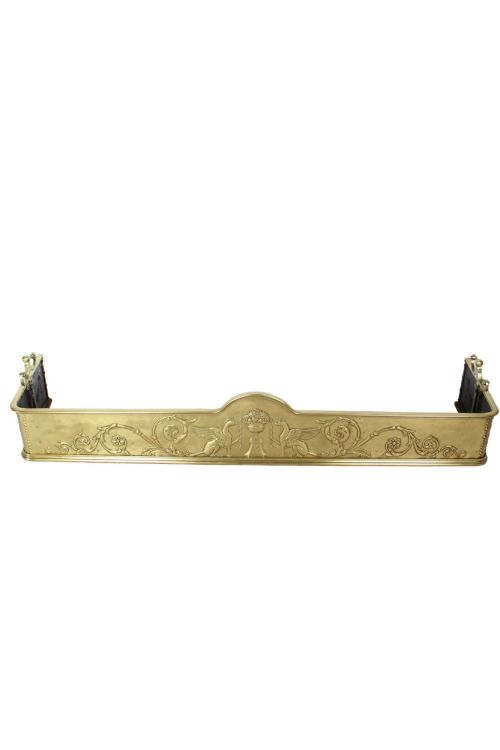
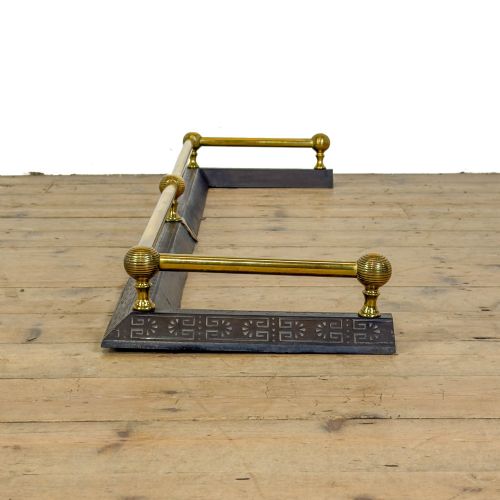
A victorian hearth fender anchors the fireplace, framing the hearth in brass, iron, or steel while keeping stray embers at bay.

Victorian Hearth Fender
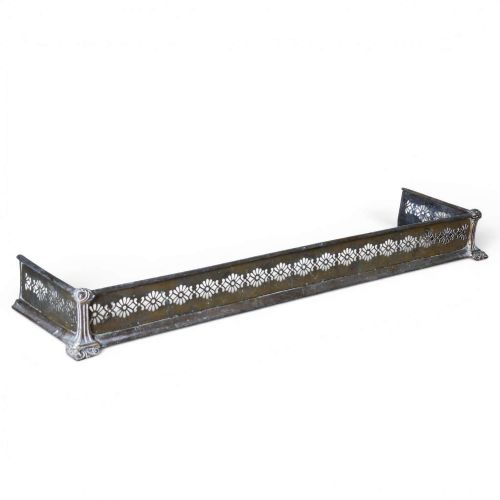
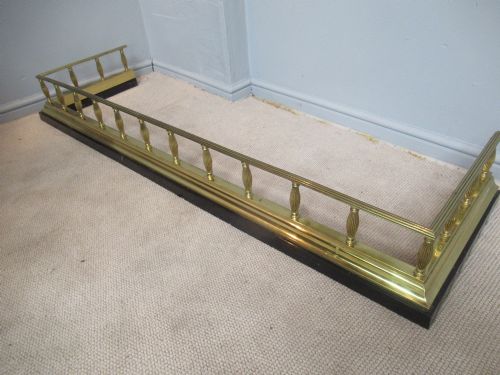
When you search for a victorian hearth fender, you encounter heavy metal frames designed to sit upon the floor directly before an open fireplace. These objects protect the room from falling coals and define the hearth space within nineteenth-century interiors.
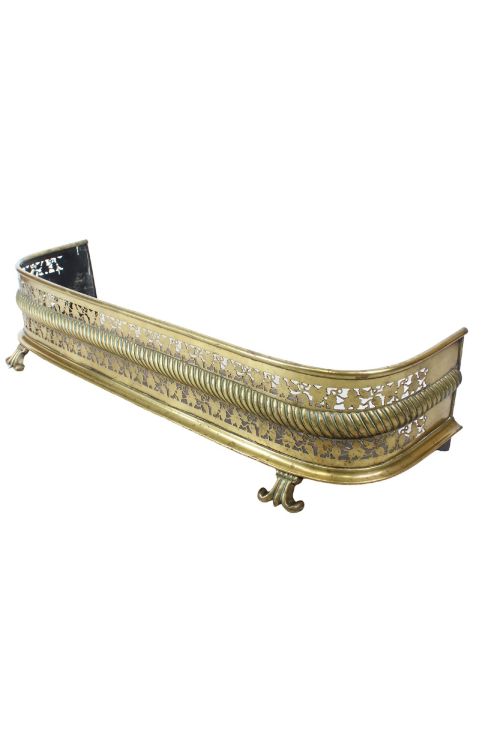
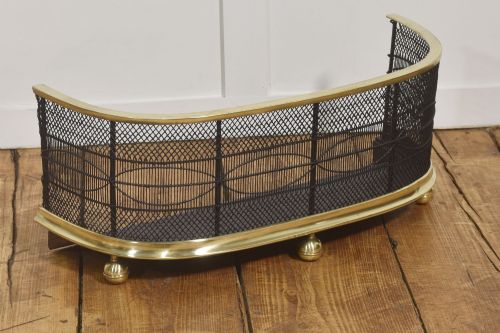
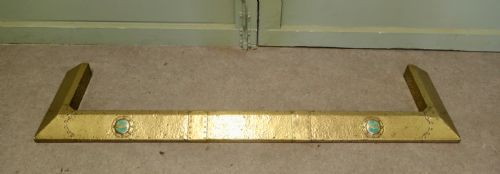
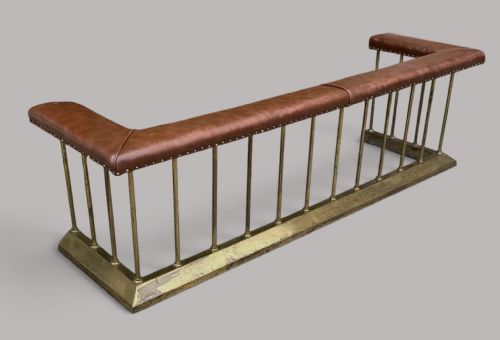
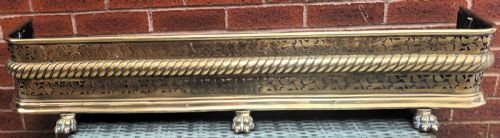
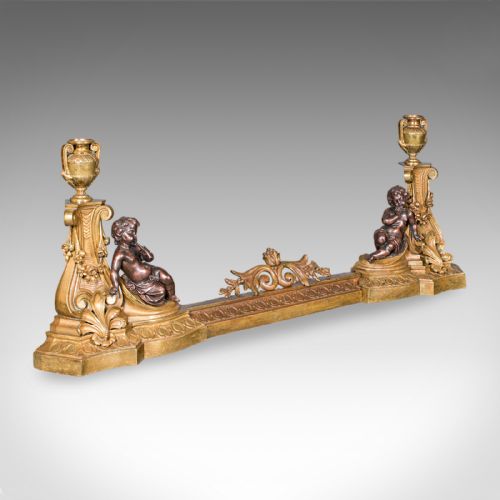
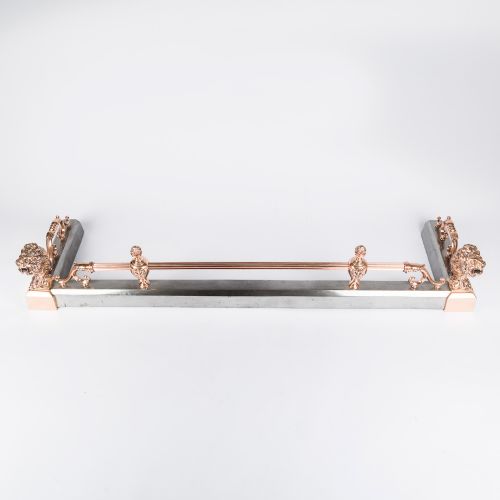
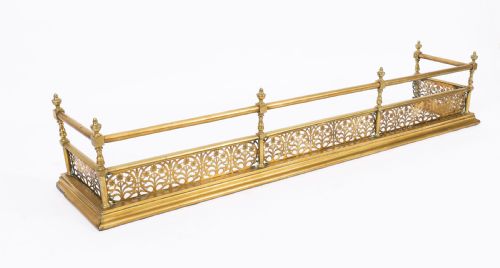
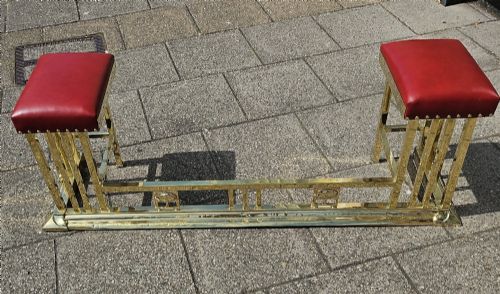
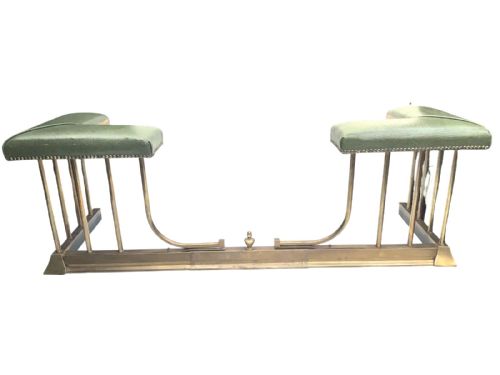
The selections available range from simple pierced brass kerbs to substantial club fenders fitted with cushioned leather seats. Brass and iron appear most frequently, often decorated with cast motifs, openwork piercing, or hand-beaten copper panels.
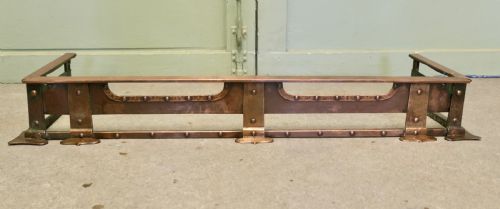
Examples span several decades of the nineteenth century and into the Edwardian period, incorporating styles from austere Gothic and Regency forms to flowing Art Nouveau lines and Arts and Crafts copperwork.
Materials and construction methods
Blacksmiths and metalworkers built these frames primarily from brass, cast iron, and steel, frequently combining metals for structural strength and decorative contrast. Pierced brass plates, wire mesh, and heavy bronze components required skilled casting, cutting, and riveting.
Upholstered club versions incorporate mature tan leather seats stretched over sturdy internal frames, while copper variants showcase hand-beaten surfaces detailed with patera and enamel cabochons. Many pieces feature adjustable mechanisms, allowing the metal kerb to expand or contract to fit varying fireplace openings.
Victorian Hearth Fender Retail Price Guide 2026
Typical asking prices for victorian hearth fender among the pieces listed under this phrase on Sellingantiques today, from the lower quarter to the upper quarter. They describe what is for sale here now, not the wider market.
Listings feature brass, iron, steel, copper, wire mesh, and bronze across Victorian, Edwardian, Arts and Crafts, and Art Nouveau styles.
Distinguishing quality across pieces
Quality reveals itself in the weight of the metal, the crispness of cast or pierced decoration, and the integrity of structural joints. Substantial gauge brass and thick iron indicate superior manufacturing compared to lighter, thinner alternatives.
The refinement of hand-beaten copper panels, the depth of patination on steel and bronze, and the quality of leather upholstery on club variants separate utilitarian items from finer examples designed for grander reception rooms.
The Victorian Hearth Fender Glossary
- Club fender
- A low, metal fireplace surround featuring padded leather seats on top. This form allowed people to sit close to the fire during cold weather.
- Fire kerb
- A low boundary marker placed around the hearth to contain ash and embers. It sits directly on the floor without the raised seating of a club fender.
- Pierced brass
- Metal sheet perforated with decorative patterns using saws or punches. This technique lightened the visual weight of heavy brass fenders.
- Patera
- A circular ornamental motif resembling a classical dish or medallion. Craftsmen stamped or cast these details into copper and brass frames.
- Nursery fender
- An extended protective metal guard designed to keep children and long garments safely away from open flames. Some examples incorporate an integrated rail for drying clothes.
Victorian Hearth Fender: Frequently Asked Questions
How do I choose the right size?
Measure the width and depth of your fireplace opening before selecting a fender. Ensure the internal dimensions of the metal frame allow adequate clearance around the hearth stone.
Take into account whether you prefer a slim kerb that sits flush to the floor or a wider club fender that extends outward into the room.
Were all club fenders used for seating?
Most club fenders with leather upholstery were indeed built to provide low seating close to the fire. The padded top offered a warm and comfortable spot during colder months.
Some lighter frames prioritize decorative metalwork over seating utility, functioning purely as guards and aesthetic boundaries.
How do I clean brass and copper?
Dust metal surfaces regularly with a soft dry cloth to prevent the buildup of soot and grime. Avoid harsh chemical polishes that strip away historic patination.
Allow brass and copper to retain their natural aged darkening, which develops over generations of use near an open hearth.
Can adjustable fenders fit any fireplace?
Adjustable models feature sliding central sections that expand or contract within a specific measurement range. This mechanism allows the frame to adapt to varying hearth widths.
Check the minimum and maximum extension lengths provided in the details to ensure compatibility with your specific fireplace surround.