


19th Century Fire Fender
These 19th century fire fender pieces anchor a hearth with solid weight and period detail, offering solid brass, steel and iron construction.
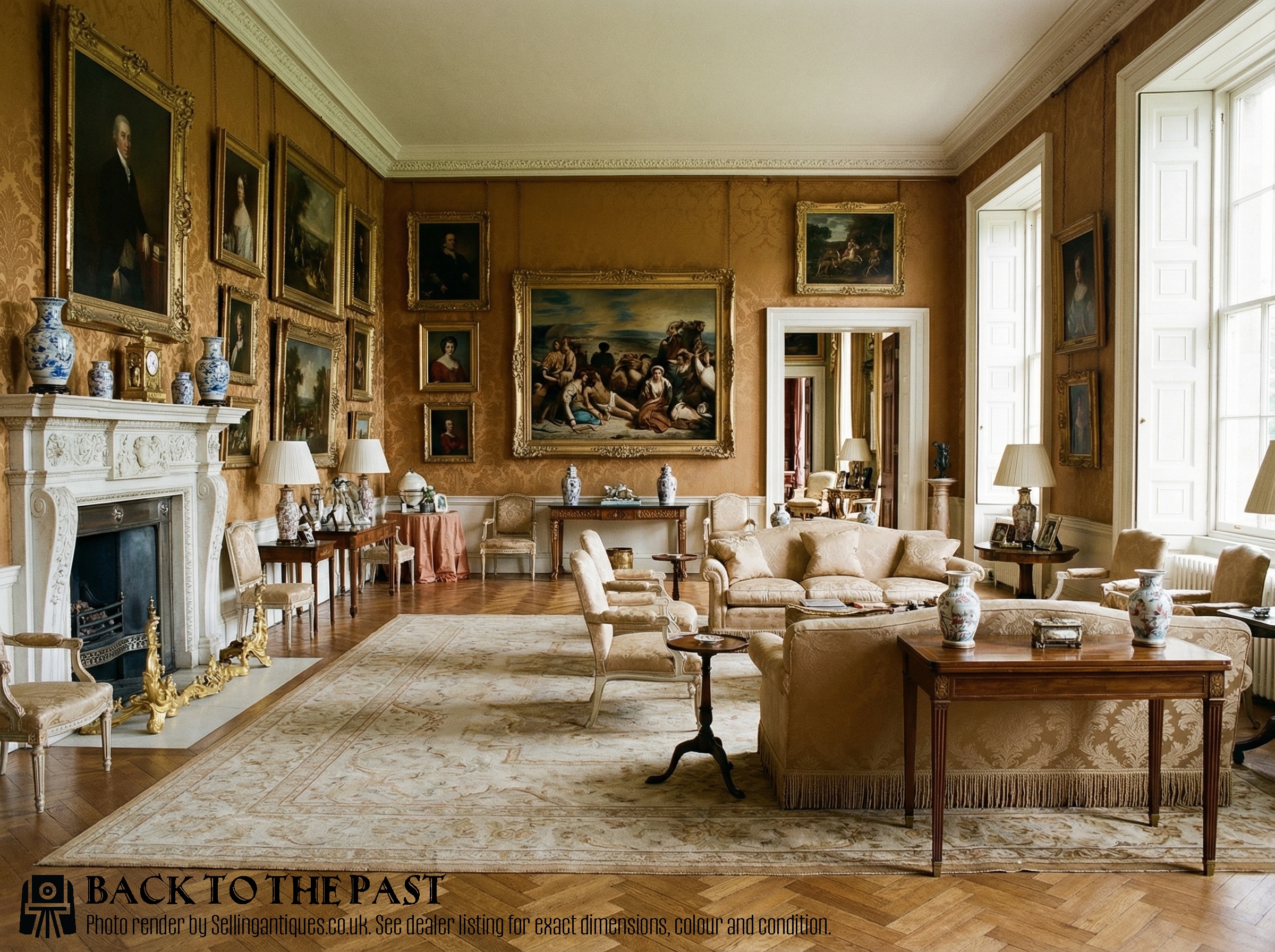
19th Century Fire Fender
A 19th century fire fender forms the metal barrier placed on the floor around a hearth to contain ash and protect the room. The selection spans standard curb fenders, nursery fire guards, and club fenders fitted with upholstered seats.
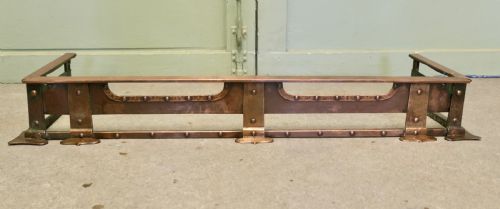
Most examples appear in brass or cast iron, often dating from the Victorian era alongside Regency and William IV periods. Styles range from simple pierced metal to ornate French Rococo and Arts and Crafts designs.
How They Were Made
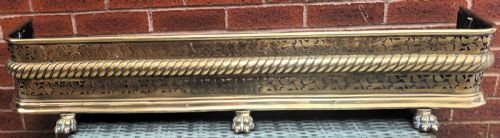
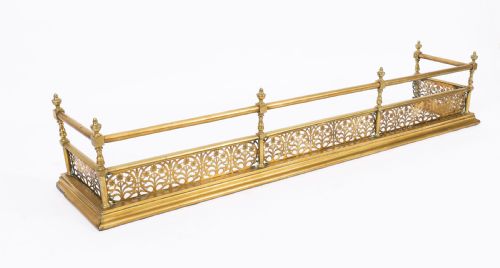
Metalworkers utilised brass, cast iron, steel, and wrought iron, frequently combining polished brass rails with heavy iron bases. Detail work involved piercing, riveting, and casting, alongside applied bronze garlands and floral motifs.
Many designs incorporated adjustable frames or extendable mechanisms to fit various hearth widths. Club variants added leather, mahogany, or oak seats supported by metal frames.
19th Century Fire Fender Retail Price Guide 2026
Typical asking prices for 19th century fire fender among the pieces listed under this phrase on Sellingantiques today, from the lower quarter to the upper quarter. They describe what is for sale here now, not the wider market.
The inventory combines brass, iron, steel, and copper, alongside upholstered leather, mahogany, and oak seating elements.
What Varies in Quality
Substance and gauge set the standard, with heavy gauge metal frames and substantial cast components marking out superior pieces. Flimser nursery guards lack the solid presence found in heavy brass curb designs.
Finishing detail separates standard production from finer work, visible in crisp piercing, detailed bronze ormolu mounts, and robust extending mechanisms. Original upholstery and patinated leather add considerable character.
George Bullock
The 19th Century Fire Fender Glossary
- Club fender
- A low metal hearth surround featuring an upholstered seat top, originally designed for fireside seating. These typically utilise leather or fabric pads over steel or brass frames.
- Curb fender
- A low metal barrier that sits directly on the floor around the hearth opening. They define the fireplace boundary and contain embers.
- Nursery fender
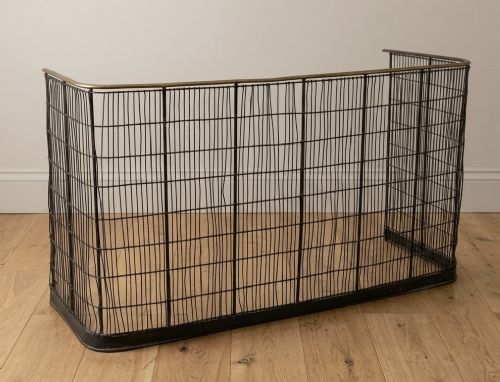
- An tall fire guard built with wire mesh or bars to protect children and pets from open flames. They often incorporate a brass top rail.
- Chenets
- Metal firedogs or ornamental irons placed at the hearth base, sometimes matched with a coordinating fender. French examples frequently display cast bronze or ormolu figures.
- Pierced brass
- Metal sheet perforated with decorative patterns such as geometric or floral cutouts. This technique lightens the visual weight of the brass.
19th Century Fire Fender: Frequently Asked Questions
How do I choose the right size?
Measure the width and depth of your hearth space before selecting a fender, keeping in mind that many period pieces feature adjustable or extendable frames to fine-tune the fit against your brickwork.
Allow a small clearance around the fireplace opening so the metal barrier sits squarely on the hearth stone without crowding the fire.
What is a club fender used for?
A club fender incorporates an upholstered top surface designed for sitting right by the fire. The padded leather or fabric edge provides comfortable fireside seating while the metal base protects the room from stray sparks.
These functional hearth surrounds became popular in gentleman's clubs and large country houses during the nineteenth century.
How do I clean brass and iron?
Maintain polished brass surfaces with a soft cloth and a gentle metal cleaner to preserve the sheen without stripping historical patina. Cast iron and steel parts benefit from a light wipe with an oiled cloth to prevent surface rust.
Avoid harsh abrasives on ormolu mounts and gilt bronze details to protect the original finish.
How do I identify a nursery fender?
A nursery fender stands taller than a standard curb fender and usually incorporates a fine wire mesh or closely spaced vertical bars. This taller barrier kept children and trailing garments safely away from open flames.
Many examples feature a sturdy brass top rail running around the perimeter of the protective mesh frame.