

Antique Fireplace Curb
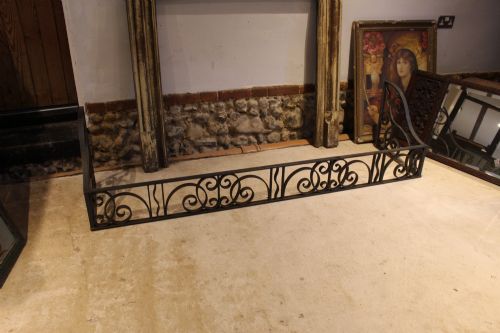
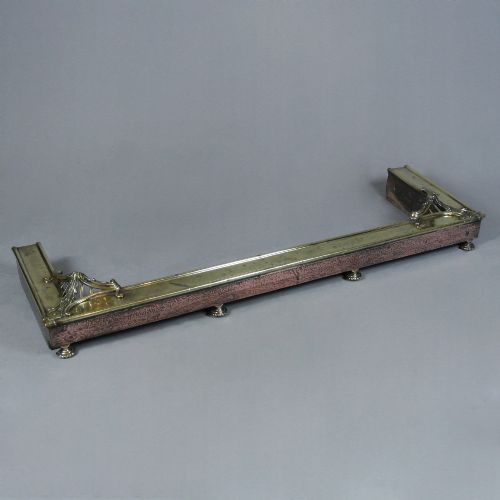
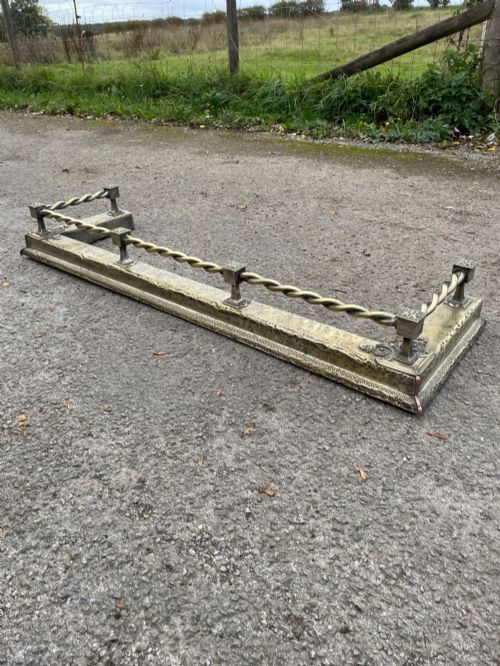
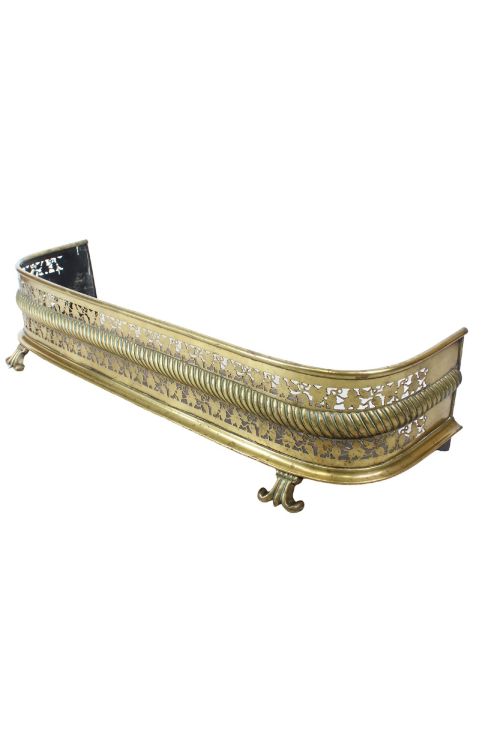
These antique fireplace curb pieces frame a hearth with character, bringing period metalwork and leather seating to the room.
Antique Fireplace Curb
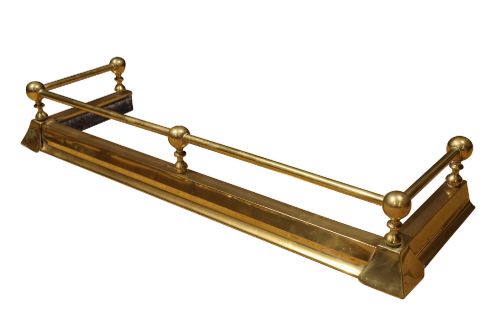
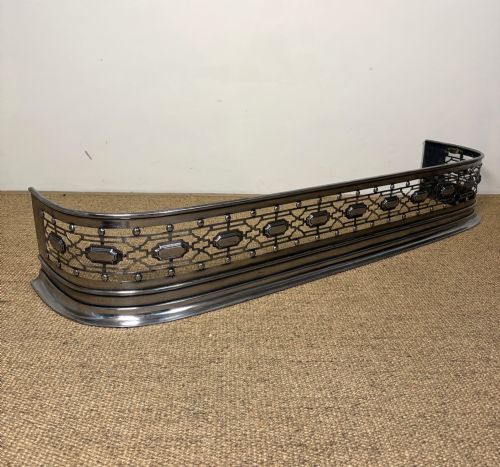
An antique fireplace curb, also known as a fender or kerb, creates a defined boundary around a hearth while containing stray embers and ash from the fire. These metal and leather surrounds range from straightforward hearth guards to substantial club fenders with integrated upholstered seats.
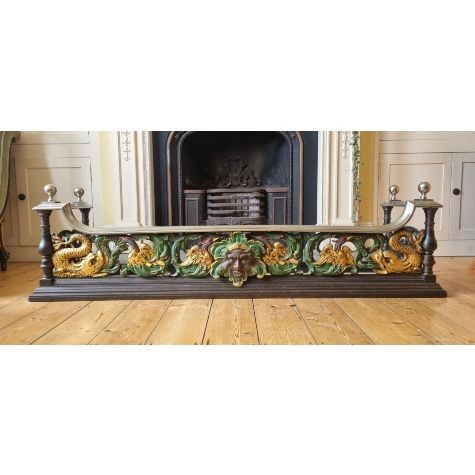
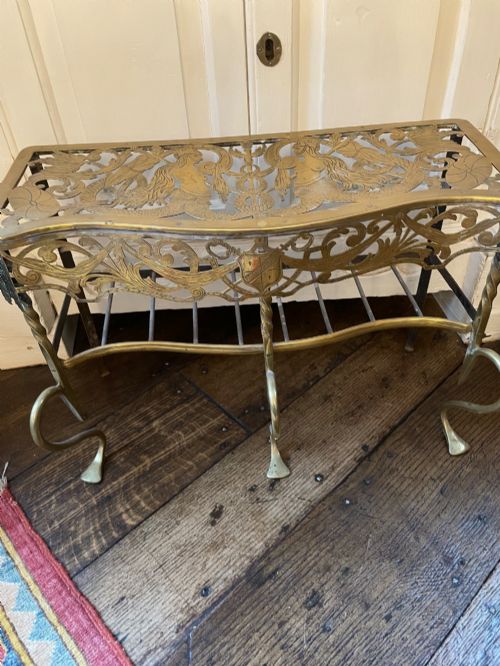
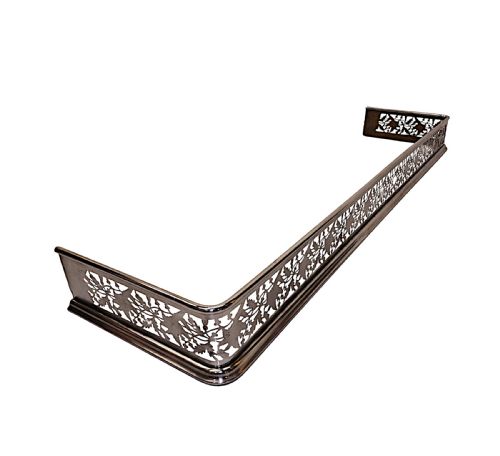
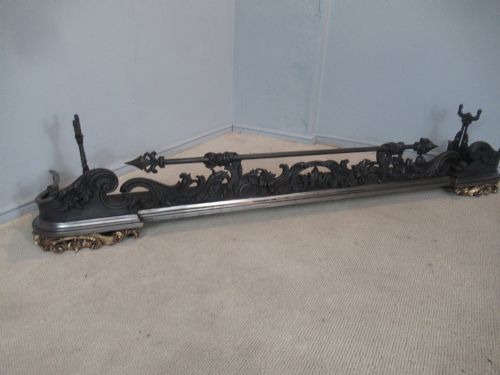
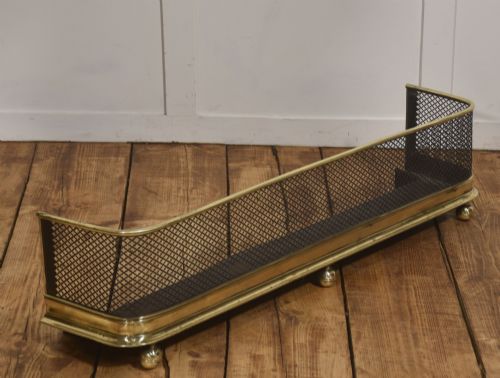
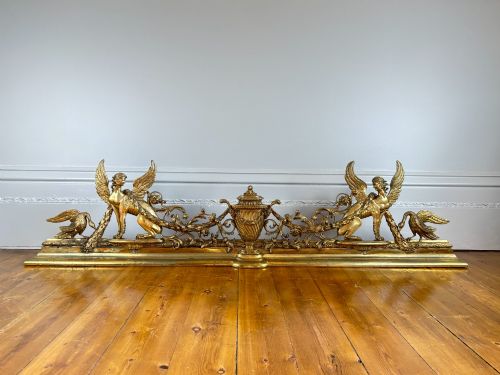
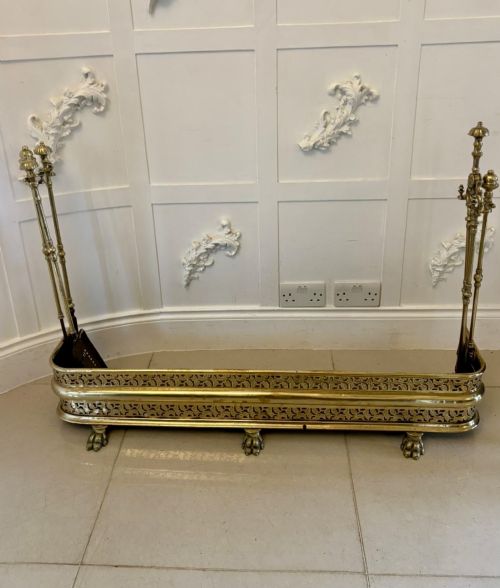
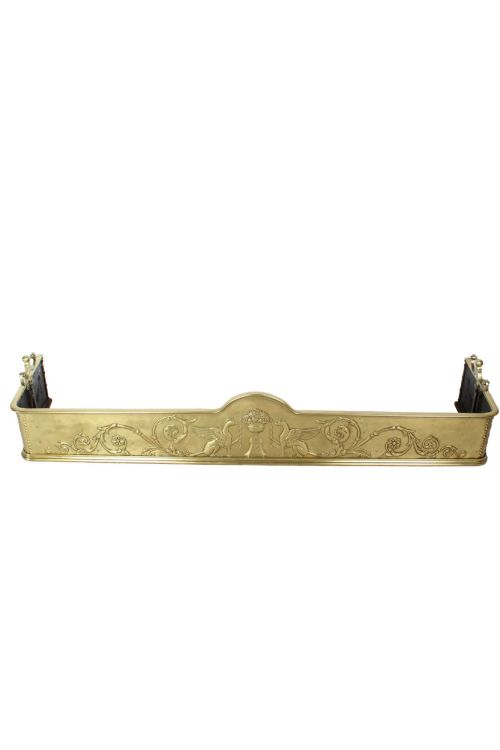
Most examples seen here date from the nineteenth century, spanning Victorian, Georgian, and Edwardian periods. Buyers encounter simple pierced brass rails alongside elaborate French rococo designs, bowfront steel frames, and Arts and Crafts copper models.
The objects serve both a practical function and a decorative role in period interiors, anchoring the fireplace assembly. They accommodate various hearth dimensions through fixed lengths or extending mechanisms.
Materials and construction methods
Makers fashioned these hearth surrounds primarily from brass, cast iron, steel, and copper, frequently combining metals for visual contrast. Cut steel embellishments, gilded bronze, and green enamel cabochons appear on finer decorative pieces.
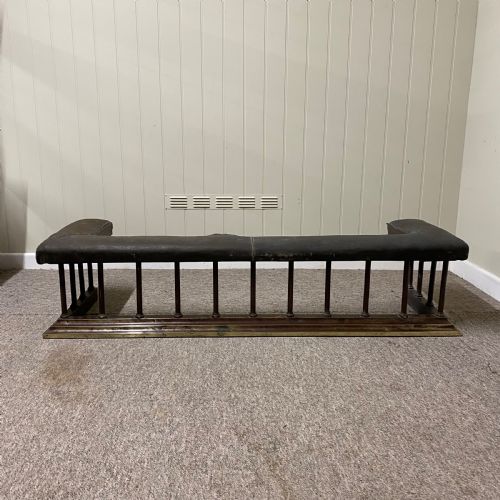
Techniques varied from pierced and engraved sheet metal to heavy cast iron and riveted copper construction. Club fenders integrated timber frames and mature leather upholstery for fireside seating.
Extending mechanisms allowed iron and brass sections to slide, tailoring the fit to individual hearths. Surface decoration relied on chased floral patera, beaded borders, and hand-beaten finishes.
Antique Fireplace Curb Retail Price Guide 2026
Typical asking prices for fireplace curb among the pieces listed under this phrase on Sellingantiques today, from the lower quarter to the upper quarter. They describe what is for sale here now, not the wider market.
Materials span brass, steel, iron, copper, gilt bronze, and leather across Victorian, Georgian, and Edwardian periods.
Distinctions in quality and execution
Quality rests in the weight of the metal and the crispness of pierced or engraved details. Heavy cast components and thick gauge brass or steel distinguish superior pieces from lighter utilitarian items.
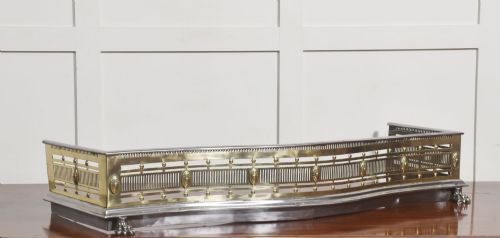
Design complexity marks the upper tier, seen in serpentine fronts, bespoke cut steel studs, and integrated leather-topped club seats with original buttoning. Finer examples retain matching fire irons and harmonious patination across all surfaces.
E F Caldwell New York
The Antique Fireplace Curb Glossary
- Fender
- A low metal guard placed around a hearth to keep coals from rolling onto the floor. It forms the primary protective barrier for an open fire.
- Club fender
- A low, U-shaped hearth surround featuring upholstered leather seats on either side. It provides practical fireside seating close to the warmth.
- Cut steel
- Small faceted steel studs riveted individually to a metal backing to create glittering geometric patterns. This decorative technique reflects firelight.
- Patera
- A circular ornamental bas-relief resembling a classical libation dish, often carved or stamped with floral motifs. It punctuates friezes and corners on Victorian and Georgian metalwork.
- Serpentine
- A gently curved front line undulating outward and inward in a continuous wave. This shape softens the geometry of formal hearths.
Antique Fireplace Curb: Frequently Asked Questions
What is a club fender?
A club fender is a specialised hearth surround that incorporates padded leather seats into its frame. It allowed Victorians and Edwardians to sit comfortably right at the edge of the fire.
These pieces combine rigid metal bases in brass or iron with upholstered top rails. They remain popular for creating a cosy focal point in traditional reception rooms.
Can these be used with modern fires?
These surrounds suit gas log fires, electric hearths, and traditional solid fuel grates alike. They continue to provide a protective boundary against stray heat and debris.
Ensure proper clearance from active heat sources, particularly when dealing with vintage leather upholstery on club styles.
How do I care for antique brass?
Maintain brass and copper components with gentle dry dusting to preserve the natural historic patina. Avoid harsh chemical polishes that strip away age-acquired character and surface depth.
Leather seats on club versions benefit from occasional specialist conditioning to keep the hide supple without altering its tone.