


Copper Fireplace Curb
A copper fireplace curb brings warmth and reflective texture to a hearth, anchoring the room with metalwork shaped during the Victorian and Edwardian eras.
Copper Fireplace Curb
A copper fireplace curb provides a defined border for a hearth, protecting the room from stray embers while framing the grate. When you search for copper fireplace curb, you encounter fenders and surrounds dating from the Victorian and Edwardian periods.
The pieces on this page span the late nineteenth century and the early twentieth century, taking the form of fireside kerbs and fenders. These accessories sit directly on the floor, enclosing the hearth space in front of an open fire.
How they were made
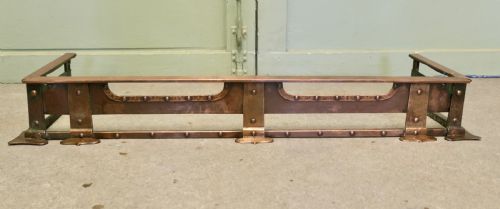
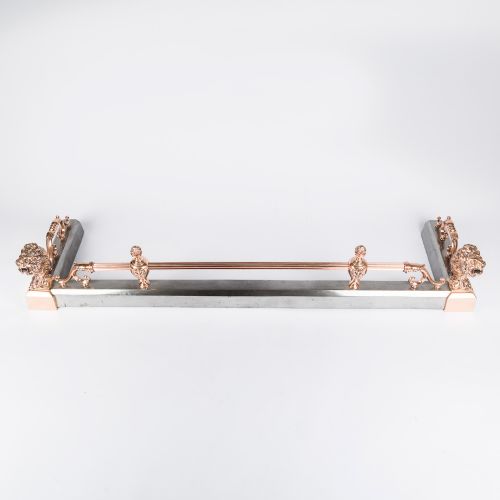
Metalworkers combined copper with iron, steel and brass, using sheet metal to wrap frames and build the structural surrounds of the hearth. Rivets secure the metal plates, whilst beaten and polished surfaces catch the flicker of the flames.
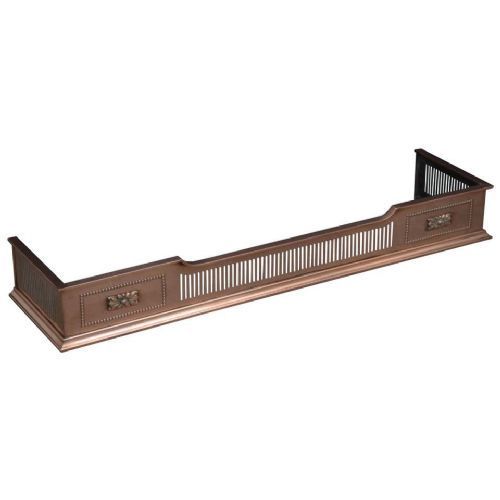
Craftsmen applied decorative details directly into the metalwork, incorporating flower patera, beaded decoration and flowing lines characteristic of the Arts and Crafts and Art Nouveau movements.
Copper Fireplace Curb Retail Price Guide 2026
Typical asking prices for copper fireplace curb among the pieces listed under this phrase on Sellingantiques today, from the lower quarter to the upper quarter. They describe what is for sale here now, not the wider market.
Listings feature pieces spanning the Victorian and Edwardian eras, incorporating copper, brass, iron and steel.
What varies in quality
Distinctions in quality arise from the depth of the hand-working on the metal and the complexity of the assembled frame. Pieces featuring heavy riveting and pronounced hand-beaten textures display a greater degree of individual maker skill than plain sheet construction.
The choice of secondary metals also marks out the hierarchy of these objects, with substantial iron and steel cores providing structural integrity beneath the copper and brass outer surfaces.
The Copper Fireplace Curb Glossary
- Fender
- A low metal guard placed in front of an open fireplace to contain falling coals and sparks. It sits flat on the hearth stone.
- Kerb
- An alternative term for a fireplace surround or fender, outlining the boundary of the hearth. These metal barriers define the fireside space.
- Patera
- A circular decorative ornament resembling a classical libation dish, often carved or stamped onto fireplace metalwork. These motifs accent the corners and borders.
- Riveted
- Joined together using metal bolts or pins hammered flat at the ends. This technique secures the copper plates to the internal iron or steel frame.
Copper Fireplace Curb: Frequently Asked Questions
What is a copper fireplace curb used for?
A copper fireplace curb serves as a physical barrier between an open fire and the room, stopping rolling embers from reaching carpets or wooden flooring.
Beyond safety, it frames the hearth area, providing a polished metal boundary that ties together the surrounding fireside accessories.
How do I date a copper kerb?
Dating relies on stylistic details, such as the flowing organic motifs of Art Nouveau or the tactile, hand-beaten surfaces typical of the Arts and Crafts movement.
Victorian and Edwardian pieces often combine copper with iron or brass, showing construction methods specific to late nineteenth and early twentieth-century metal workshops.
Are these kerbs made entirely of copper?
Most examples feature a copper outer shell or frame supported internally by sturdier metals like iron and steel for structural strength.
Brass elements also appear alongside the copper, used for decorative mounts, feet or trim work within the same fender.
How do I clean a vintage copper fender?
Cleaning depends on the desired finish, as many owners prefer to preserve the dark patination accumulated over a century of use.
If polishing is necessary, use a gentle metal cleaner suited to copper, taking care to avoid damaging any hand-beaten textures or riveted joints.