


Vintage Hearth Fender
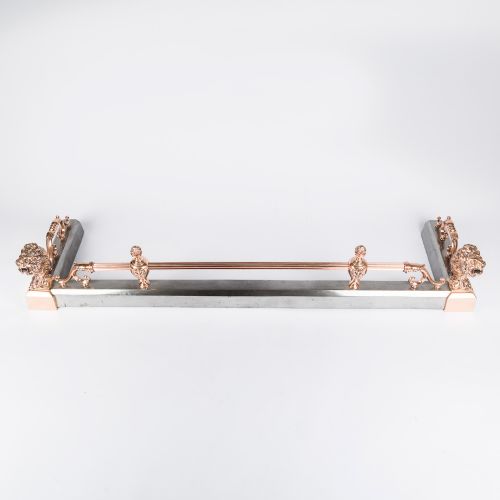
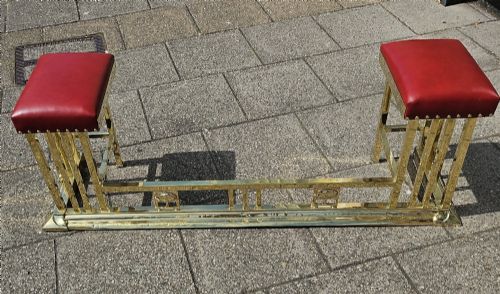
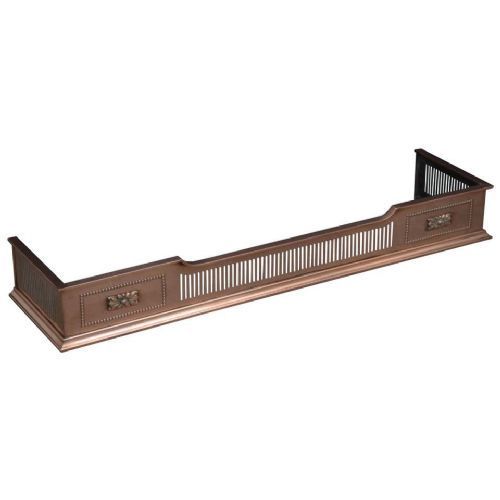
A vintage hearth fender frames the fireplace, keeping stray embers off the floor while offering a solid place to sit or warm oneself by the fire.
Vintage Hearth Fender
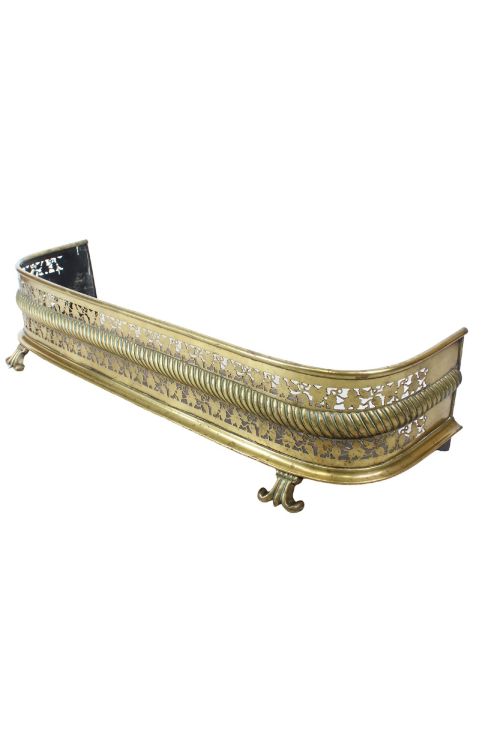
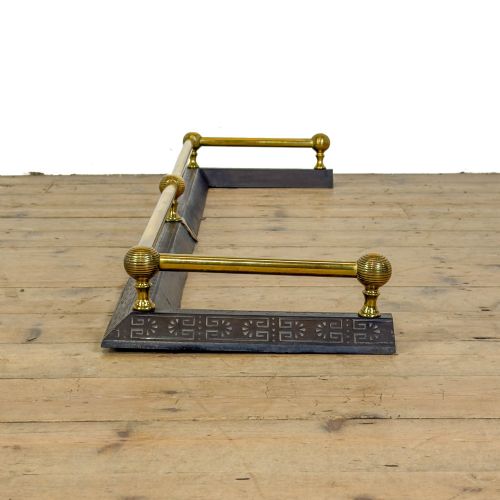
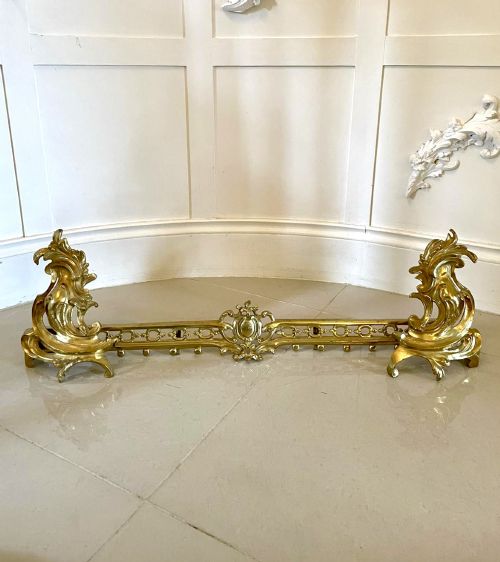
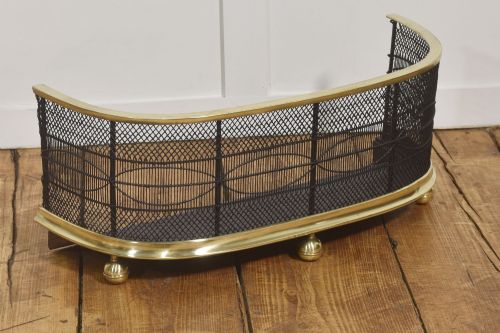
A vintage hearth fender sits directly on the floor around the base of the fireplace, defining the boundary between the fire and the room. These pieces appear across several distinct historical periods, running from the nineteenth century through the Edwardian era and into the early decades of the twentieth century.
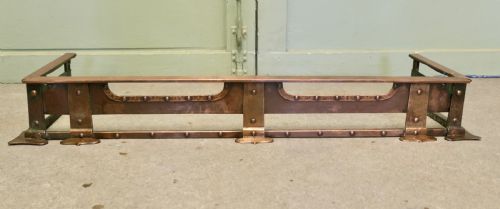
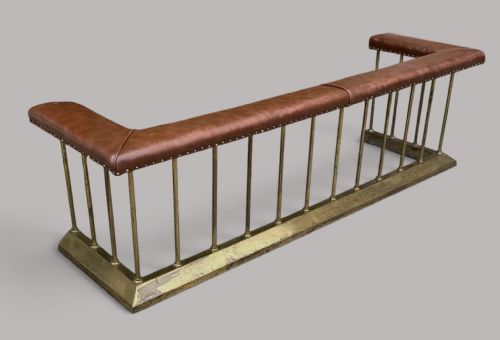
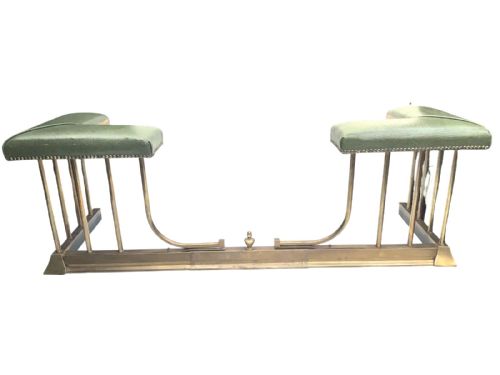
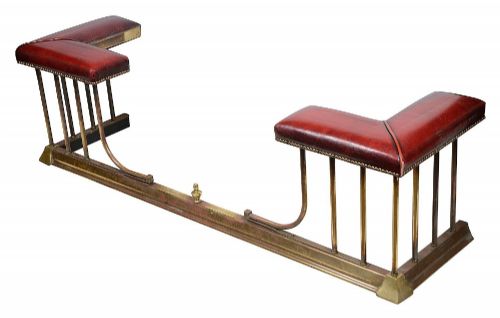
The selection here includes standard low kerbs alongside substantial club fenders fitted with upholstered seats. Materials range from polished brass and beaten copper to cast iron, steel, bronze and wire mesh.
Makers and designers drew upon a wide vocabulary of styles, incorporating Victorian, Edwardian, Arts and Crafts, Art Nouveau, Art Deco, and French Louis XVI Neoclassical influences into domestic hearths.
Materials and construction
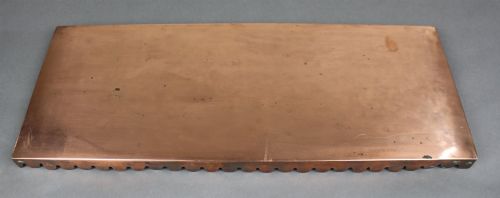
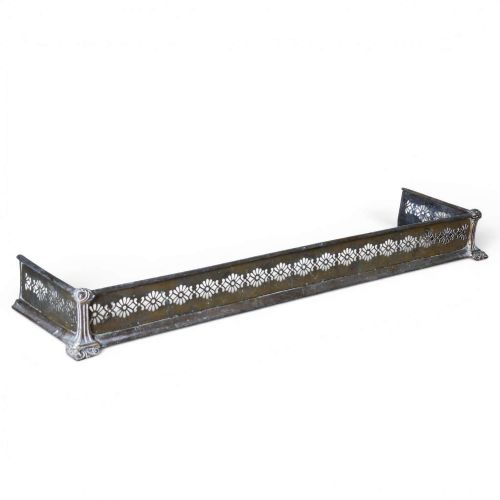
Makers utilised heavy metals like brass, copper, iron and steel, often combining them within a single piece such as a brass-topped steel frame or a copper hearth plate. Metalwork techniques involved piercing, riveting, casting and beating to create decorative patterns and structural strength.
Upholstered club fenders integrate leather seating pads, frequently in mature tan or green shades, mounted over rigid internal frames. Wire mesh and ironwork form protective nursery guards designed to enclose the hearth securely.
Vintage Hearth Fender Retail Price Guide 2026
Typical asking prices for vintage hearth fender among the pieces listed under this phrase on Sellingantiques today, from the lower quarter to the upper quarter. They describe what is for sale here now, not the wider market.
The listings span the Victorian, Edwardian, and Art Deco periods, utilising brass, leather, steel, copper, iron, bronze and wire mesh.
Assessing quality and execution
Substantial weight and gauge of metal separate ordinary kerbs from superior examples, particularly in club fenders where structural rigidity matters for daily seating. Heavier brass castings, thick copper plates and tightly riveted joints indicate high-grade workshop production.
The refinement of decorative detail defines the upper tier of pieces, seen in crisp floral patera, hand-beaten surfaces, intricate pierced brass galleries and carefully stitched leather upholstery.
The Vintage Hearth Fender Glossary
- Club fender
- A low, metal-framed hearth boundary featuring upholstered top rails that serve as fireside seating. These designs gained popularity in country houses during the late nineteenth and early twentieth centuries.
- Nursery fender
- An tall wire mesh or metal guard built to enclose the entire hearth area. This form kept children and trailing garments safely away from open flames.
- Patera
- A circular ornamental disc carved or cast in relief to resemble a classical libation dish. Makers placed these motifs at corners and central points on brass and copper fenders.
- Kerb
- The low stone or metal barrier marking the perimeter of the hearth. Metal kerbs often incorporated extending mechanisms to fit varying fireplace widths.
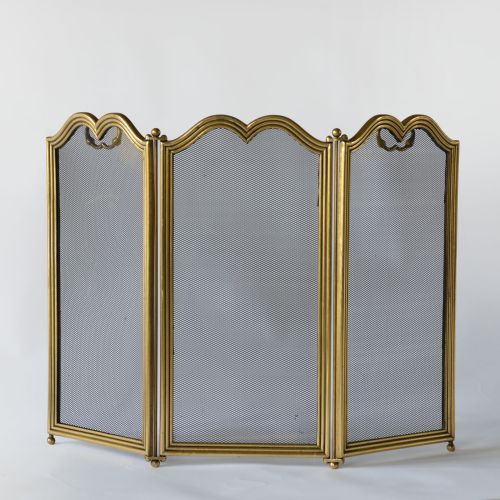
- Spark guard
- A folding or tripartite metal screen placed directly in front of the fire to catch flying embers. These accessories were constructed from brass wirework and fine mesh.
Vintage Hearth Fender: Frequently Asked Questions
What is a club fender?
A club fender is a low metal hearth barrier fitted with cushioned seats along the top rails. It allowed Victorians and Edwardians to sit close to the fire.
These pieces combine functional fire protection with comfortable domestic seating, frequently upholstered in durable leather.
How do I choose the right size?
Measure the width and depth of your fireplace hearth before selecting a fender. Many period examples feature extending mechanisms that allow minor adjustments to fit the space.
Account for clearance around the hearth stone so the metal frame sits squarely on the floor.
What is a nursery fender?
A nursery fender is a tall protective enclosure built around the fireplace. It prevented children and fabrics from getting too close to open flames.
These taller guards are constructed from sturdy iron frames inset with fine wire mesh or perforated metal panels.
How do I clean brass and copper?
Dust metal surfaces regularly with a soft cloth to maintain the patina built up over decades. Avoid harsh chemical polishes that strip away the aged character prized by collectors.
Leather seats on club fenders benefit from occasional conditioning to keep the hide supple and prevent cracking.
How do I date a metal fender?
Dating relies on stylistic clues, construction methods, and materials associated with specific eras like the Victorian or Arts and Crafts periods. Beaten copper and heavy riveting point toward the late nineteenth century.
Art Deco examples often feature heavier ironwork and geometric lines typical of the early twentieth century.