





Brass Hearth Bench
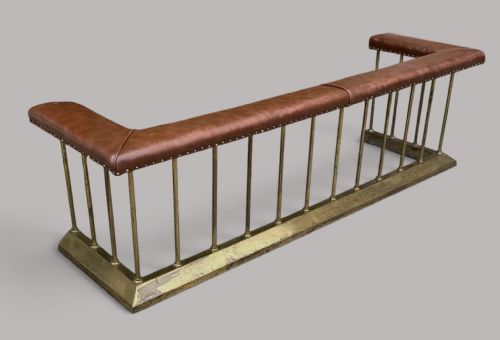
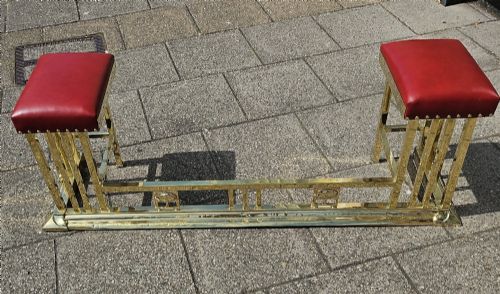
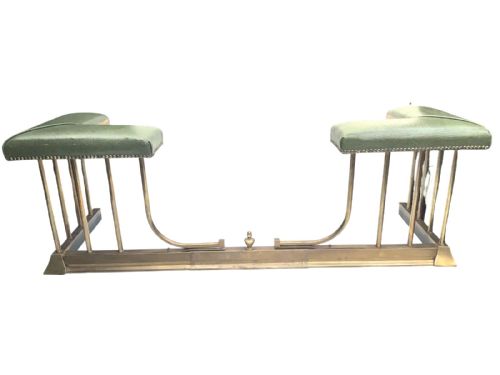
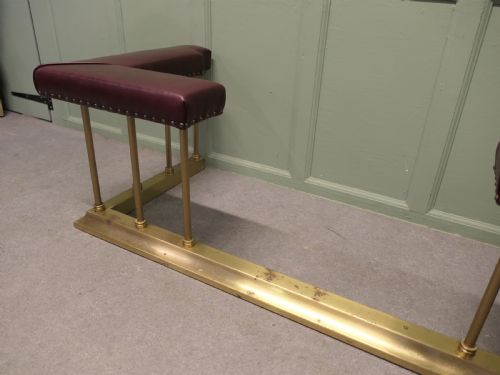
These substantial brass hearth bench examples offer practical fireside seating, combining sturdy metal framework with upholstered top rails.

Brass Hearth Bench
A brass hearth bench, frequently encountered as a club fender, provides low seating directly around the fireplace opening. These pieces emerge predominantly from Victorian and Edwardian periods, stretching into the early twentieth century.
The form typically comprises a rigid metal base supporting a padded seat cushion upholstered in leather or fabric. Variants range from traditional brass structures to combinations incorporating cast steel, copper, and oak.
Most examples function as substantial furniture pieces designed to fit snugly against the chimney breast. Buyers will find both traditional configurations and distinct Art Deco interpretations among the selections.
How they were made
Makers constructed the foundational frames using durable metals such as brass, cast steel, and copper, often joined to withstand daily heat and weight. Tubular and solid brass components form the characteristic structural barriers.
Seating portions utilised traditional upholstery methods, incorporating materials like mature tan leather, green leather, velvet, and various fabrics. Craftsmen secured these padded tops to sturdy wooden or metal substructures for everyday use.
Brass Hearth Bench Retail Price Guide 2026
Typical asking prices for brass hearth bench among the pieces listed under this phrase on Sellingantiques today, from the lower quarter to the upper quarter. They describe what is for sale here now, not the wider market.
Listings span multiple eras from the nineteenth century through the Edwardian period, featuring materials such as brass, leather, steel, and copper.
What varies in quality
Construction heaviness and metal gauge set individual pieces apart, distinguishing robust commercial examples from lighter domestic items. The weight of the brass framework dictates the overall solidity and longevity of the bench.
Upholstery execution and leather selection reflect the original workshop standards. High-grade hides and careful buttoning separate superior seating surfaces from simpler replacements.
The Brass Hearth Bench Glossary
- Club fender
- A low, padded seat placed around a fireplace hearth, combining metal uprights with an upholstered top rail. This form originated in British gentlemen's clubs to provide close warmth.
- Cast steel
- An alloy melted in crucibles to achieve greater uniformity and strength than traditional wrought iron. Makers utilised this strong material for durable hearth frames.
- Chesterfield seat
- A deep-buttoned upholstery style traditionally executed in leather. This padded surface offers comfortable fireside seating.
- Edwardian
- The period spanning the reign of King Edward VII, characterised by lighter furniture designs. Pieces from this era often exhibit refined brass work.
Brass Hearth Bench: Frequently Asked Questions
How do you clean a brass hearth bench?
Dust the metal regularly with a soft cloth to prevent surface grime buildup. Avoid harsh chemical cleaners that might strip the original patina.
For leather seats, apply a suitable conditioner periodically to keep the hide supple. Gentle maintenance preserves the historic appearance of both metal and upholstery.
Are these benches comfortable for daily seating?
The low profile and padded top rails provide practical seating near the fireplace. They were originally designed for warming up close to the hearth.
Firm cushioning and supportive frames make them suitable for regular use. Seat heights vary, so checking dimensions ensures a comfortable fit for your space.
How do I date a brass hearth bench?
Examine the construction methods, metal finishes, and fastener types used in the frame. Victorian and Edwardian examples often display distinct decorative casting details.
Upholstery styles and underlying materials also offer clues to the period of origin. Comparing the overall design proportions helps narrow down the decade of manufacture.
Will a club fender fit my fireplace?
Measure the width and depth of your hearth area carefully before selecting a bench. These pieces need adequate clearance around the fire surround.
Some variations include extenders or custom proportions designed for specific hearth sizes. Matching your dimensions ensures the bench positions correctly against the chimney breast.