





Fireplace Bench Seat
A fireplace bench seat offers fireside seating built directly around the hearth, combining low-slung upholstery with structural metalwork.
Fireplace Bench Seat
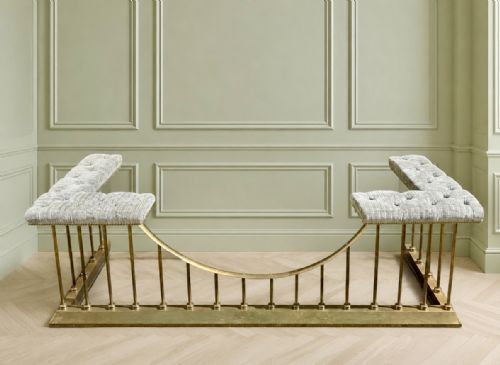
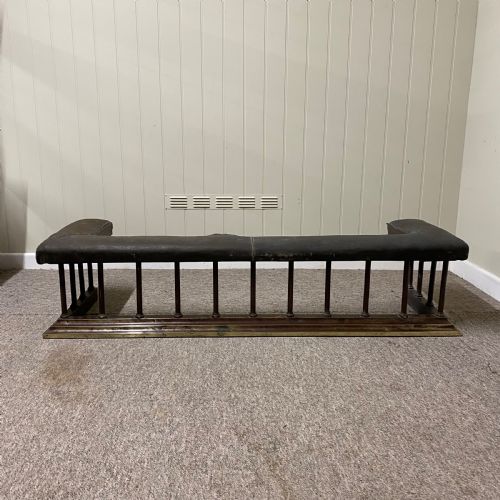
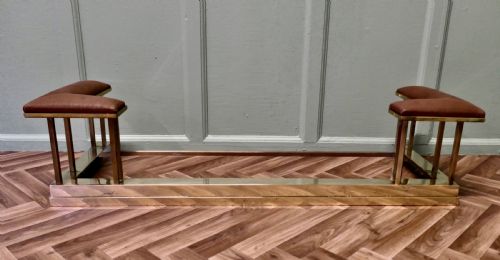
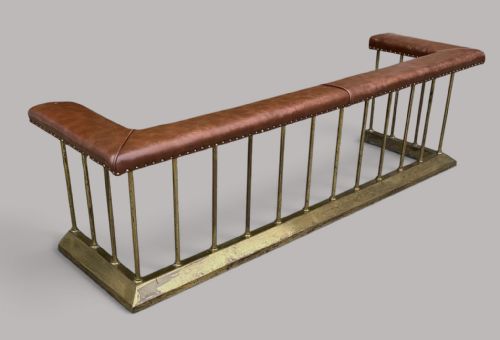
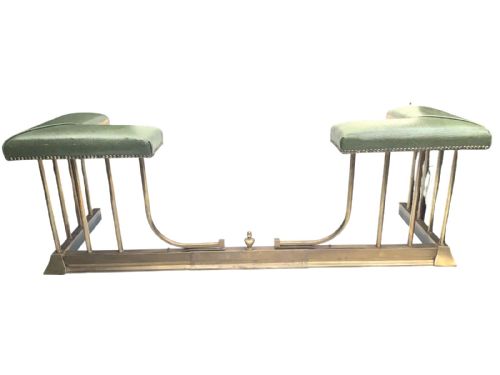
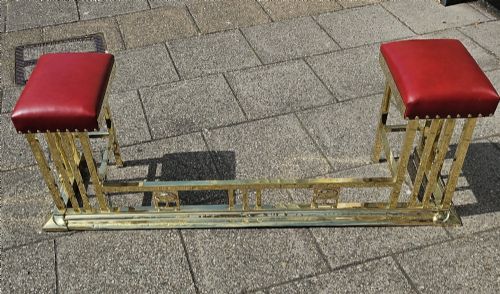
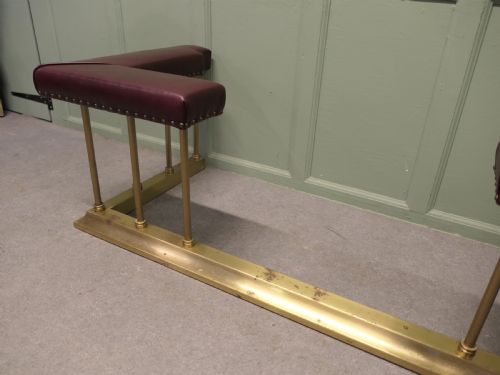
A fireplace bench seat primarily takes the form of a club fender, designed to bridge the hearth with upholstered corner seating. The examples found here span the nineteenth century, the Edwardian era, and the art deco period, drawing on traditional English country house interiors.
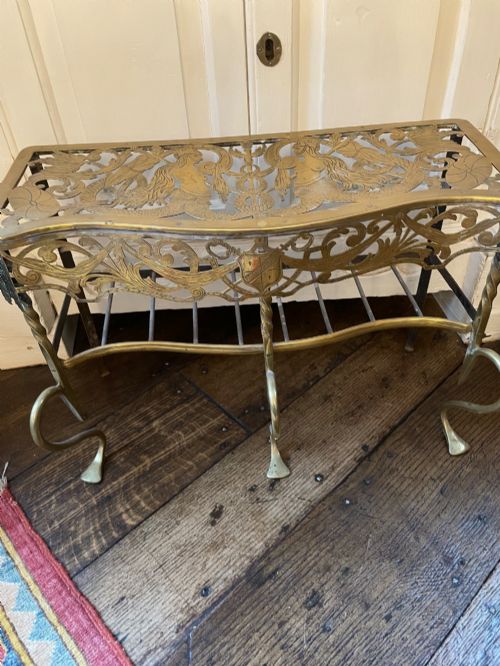
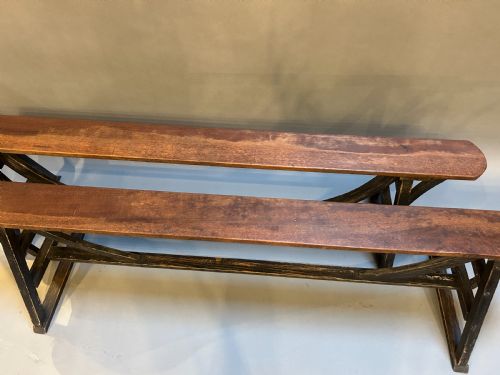
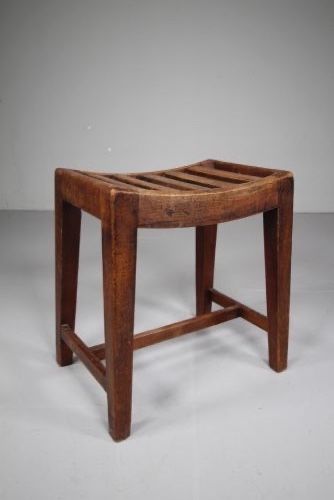
Most pieces combine a rigid metal frame in brass, steel, or iron with padded seats upholstered in leather or fabric. Alongside dedicated fenders, the selection includes related fireside forms such as footstools and settle benches adapted for warmth.
Victorian and Edwardian iterations dominate the selection, often featuring polished brass standards and buttoned leather top rails. Buyers also encounter heavier cast iron structures and timber-framed variants suited to wide hearths.
How they were made
Makers constructed the primary frameworks using structural metals such as brass, cast iron, steel, and wrought iron, frequently paired with dense hardwoods like mahogany and oak. Metal components were cast, hammered, or polished to create rigid supports that could withstand regular heat and use.
Seating sections utilised traditional upholstery methods, securing durable materials like tan or green leather over padded foundations. Some examples incorporated specialised textile coverings such as kilim or incorporated slatted wooden tops.
Fireplace Bench Seat Retail Price Guide 2026
Typical asking prices for fireplace bench seat among the pieces listed under this phrase on Sellingantiques today, from the lower quarter to the upper quarter. They describe what is for sale here now, not the wider market.
Listings feature brass, steel, wrought iron, and copper combined with leather, oak, and mahogany.
What varies in quality
Quality rests in the substantial weight of the metal framework and the fidelity of the period manufacture, distinguishing solid cast brass or heavy steel from lighter assemblies. The calibre of the leather upholstery and the tightness of its buttoning also set finer examples apart.
Proportion and scale dictate the success of a piece within a room, with well-balanced corner posts and carefully riveted joints indicating superior workshop output. Original materials retain a depth of patina that later reproductions struggle to replicate.
William Birch
The Fireplace Bench Seat Glossary
- Chesterfield Seat
- A deep-buttoned upholstery style commonly applied to the top rails of club fenders. This method creates a firm, padded surface using leather secured with dimpled tufting.
- Kilim
- A flat-woven textile occasionally utilised as a seat covering on nineteenth-century stools and fenders. These patterned carpets add distinct colour and texture to wooden and metal frames.
- Settle
- A high-backed wooden bench designed to block draughts in older interiors. Early panelled examples provide enclosed seating near the hearth.
- Standard
- The vertical metal upright or corner support of a fender frame. Standards often feature turned brass or cast iron detailing.
Fireplace Bench Seat: Frequently Asked Questions
What is a club fender?
A club fender is a low, U-shaped or rectangular seat that surrounds an open fireplace. It allows people to sit directly at hearth level while keeping a safe distance from the flames.
These pieces combine a rigid metal base with cushioned leather tops, functioning as both architectural furniture and fireside seating.
How do I choose the right size?
Measure the width and depth of your hearth surround before selecting a fender. The internal dimensions must match or slightly exceed your fireplace opening to ensure proper placement.
Consider the height of the seat rails so that sitters remain comfortable relative to the fire grate.
How do I care for leather seats?
Keep leather upholstery away from direct, intense heat sources to prevent the material from drying out or cracking over time. Regular dusting and occasional treatment with appropriate leather balms help maintain the suppleness of nineteenth-century and Edwardian hides.
Avoid using harsh chemical cleaners on polished brass or steel frames nearby.
Are these pieces original or reproduction?
The selection consists of authentic period pieces originating from the nineteenth and early twentieth centuries. Materials like mature tan leather, patinated brass, and cast iron show the natural wear expected from genuine age.
Each item reflects the manufacturing techniques and stylistic shifts of its specific era, from Victorian robustness to art deco geometry.