





Traditional Hearth Fender
A traditional hearth fender anchors the fireplace, offering a protective barrier and often a low seat for cold winter evenings.
Traditional Hearth Fender
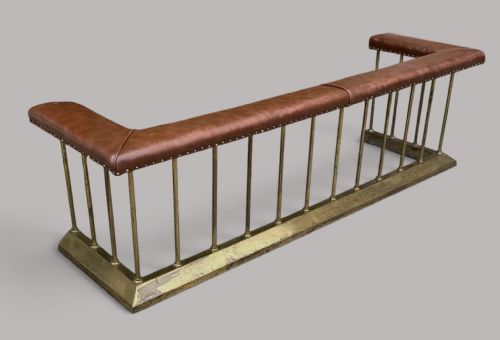
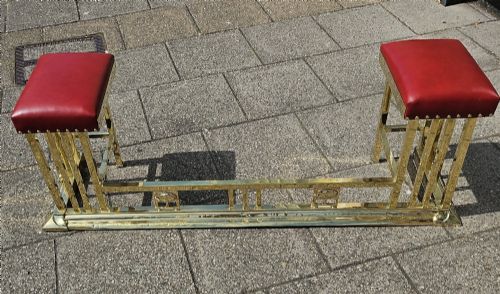
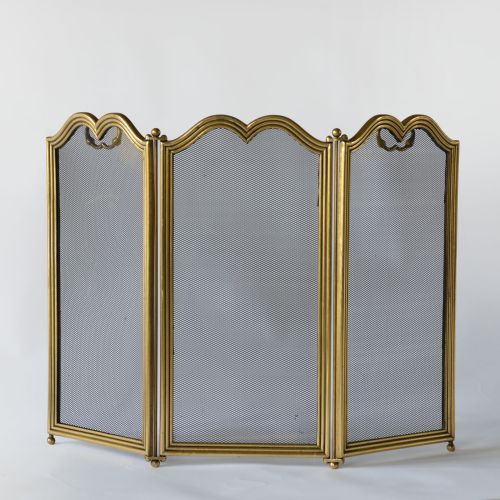
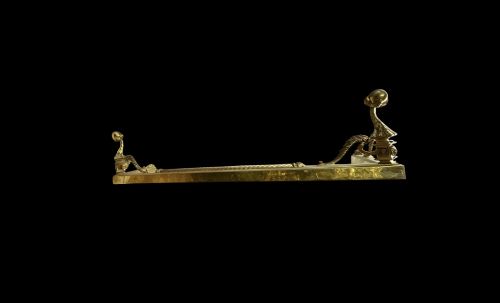
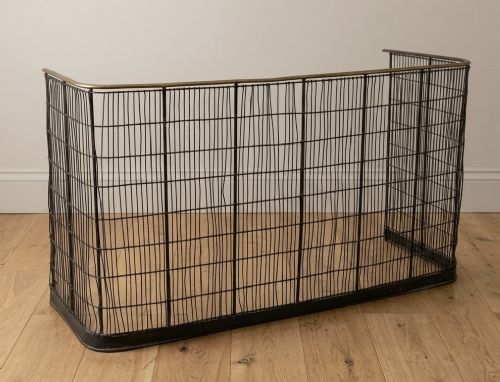
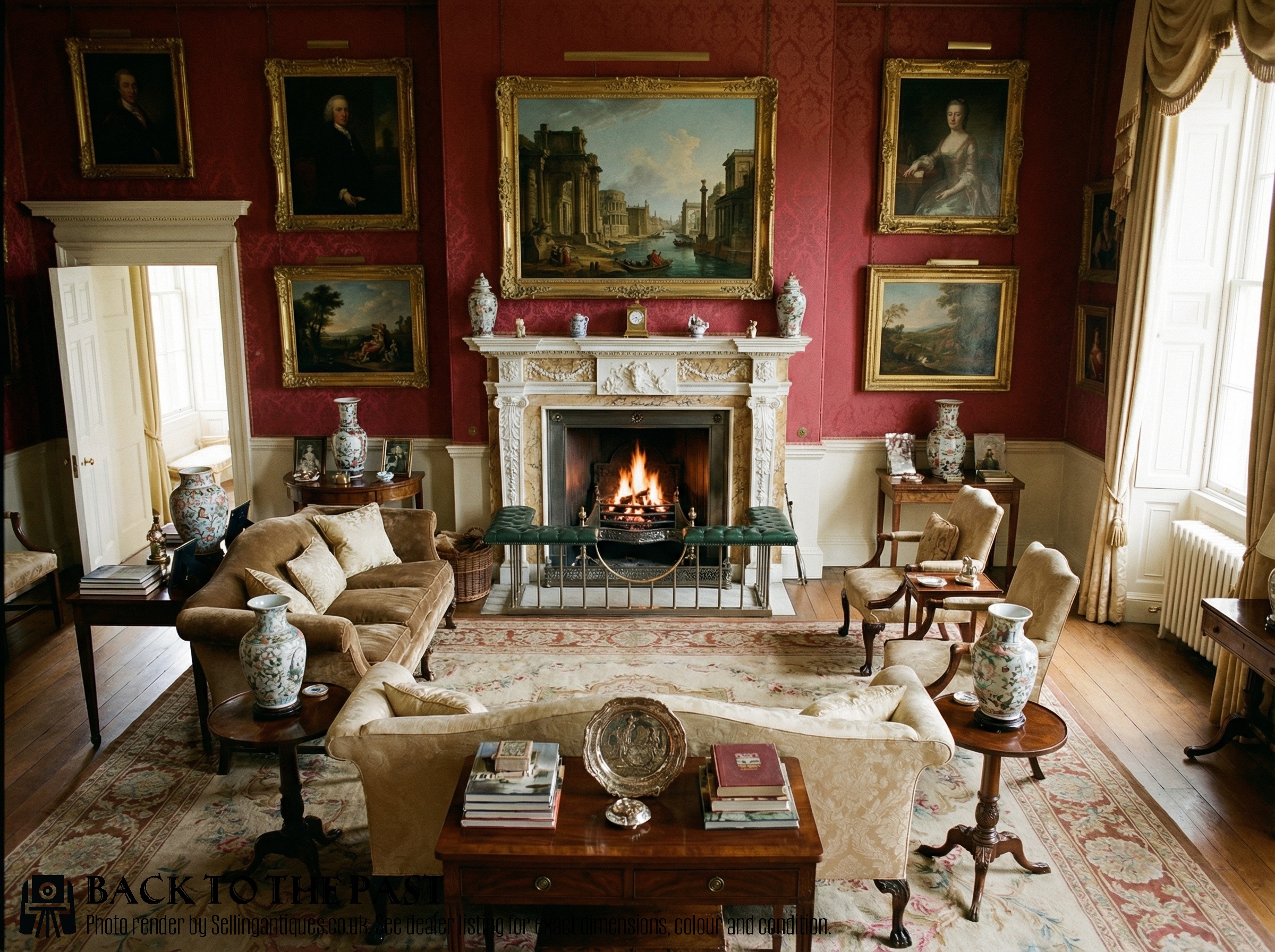
A traditional hearth fender provides a functional boundary around the fireplace opening, protecting the room from stray embers while framing the hearth. These pieces range from simple low metal guards to elaborate club styles featuring upholstered seats for fireside sitting.
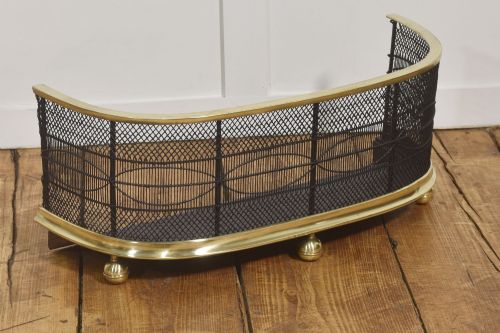
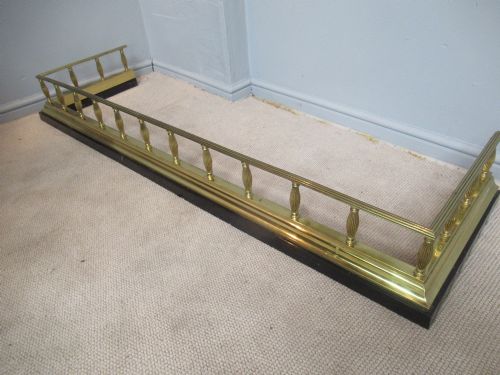
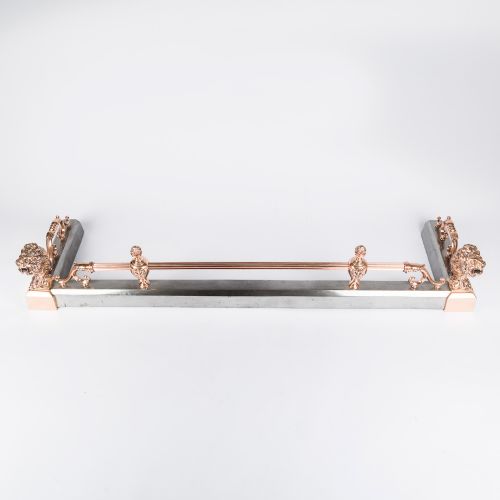
The selections available here lean heavily towards 19th-century and Edwardian examples, spanning the Victorian era up to the early 20th century. Buyers will frequently encounter polished brass and iron constructions, alongside variations incorporating wire mesh, steel, and copper.
Forms vary from standard kerbs and extending fire fenders to high nursery guards and low club fenders with leather upholstery. Origins reflect traditional English craftsmanship, encompassing styles from the Victorian period through to Edwardian and Neoclassical influences.
Materials and construction
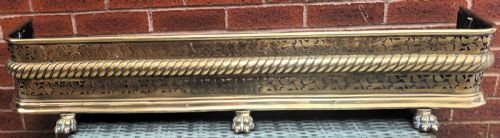
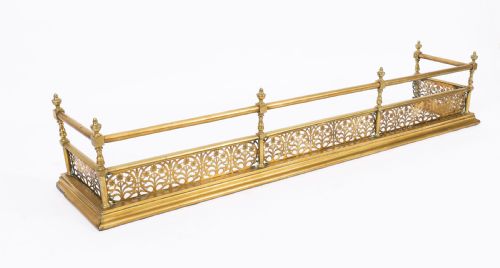
Metalworking forms the basis of these pieces, utilising brass, cast iron, steel, and wrought iron shaped into rigid frames and decorative pierced galleries. Many examples combine brass components with iron bases to provide both visual warmth and structural heft.
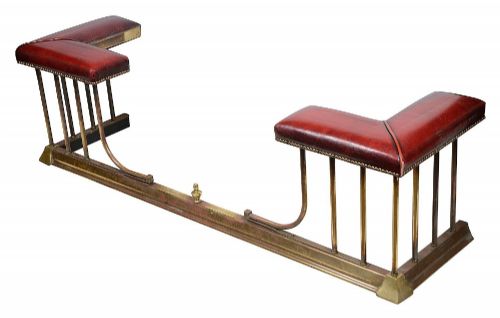
Upholstered elements introduce leather seating, particularly mature tan or green leather in the style of Chesterfield seats. Wire mesh and bronze also appear, alongside specialised additions such as clothes rails and folding spark guards.
Traditional Hearth Fender Retail Price Guide 2026
Typical asking prices for traditional hearth fender among the pieces listed under this phrase on Sellingantiques today, from the lower quarter to the upper quarter. They describe what is for sale here now, not the wider market.
Listings feature periods spanning the 19th century, Victorian, Edwardian, and early 20th century, constructed from brass, leather, iron, steel, and copper.
Distinctions in quality
Substance and weight separate robust examples from lighter alternatives, with heavier cast steel and thick brass frames indicating superior durability. The intricacy of pierced brass work and the precision of the metal joints further distinguish finer output.
Upholstery standards dictate the finish of club variations, where supple leather and traditional buttoning reflect higher craftsmanship. The integrity of the original metal polish and the retention of matched components determine the overall calibre.
The Traditional Hearth Fender Glossary
- Club fender
- A low fireplace guard featuring a padded top, designed to provide extra seating directly around the hearth. These originated in English country houses.
- Nursery fender
- A tall wire mesh or metal guard built to keep children safely away from open flames. They often incorporate upper rails for airing clothes.
- Pierced brass
- Metal sheet perforated with decorative patterns such as scrolling foliage or geometric designs. This technique lightens the visual weight of the fender.
- Curb fender
- A low metal barrier that sits directly on the floor around the hearthstone to contain ash and embers. It is frequently interchangeable with the term fire fender.
- Spark guard
- A folding or mesh screen placed across the fireplace opening to catch flying embers. They are often constructed from wirework and steel.
Traditional Hearth Fender: Frequently Asked Questions
What is a club fender?
A club fender is a traditional fireplace surround that incorporates low padded seats on top. This design allows people to sit close to the fire for warmth.
Originally popular in country houses, these fenders combine metal frames with leather upholstery.
How do I choose the right size?
Measure the width and depth of your hearthstone carefully before searching. Fenders must fit the outer perimeter of the fireplace rather than the opening itself.
Some period examples are extending, allowing for minor adjustments to fit specific hearth dimensions.
How were nursery fenders used?
Nursery fenders stood much taller than standard hearth guards to prevent children from reaching the fire. They often included an integrated rail at the top.
Households used these upper rails to dry damp clothes or warm towels near the hearth.
Are brass and iron fenders original?
Victorian and Edwardian metal fenders were constructed from solid brass, cast iron, and steel. Many retain their original patination and polished finishes from the period.
Stylistic cues like pierced brass galleries and heavy corner mounts help distinguish genuine 19th-century work.