


Wrought Iron Fire Guard
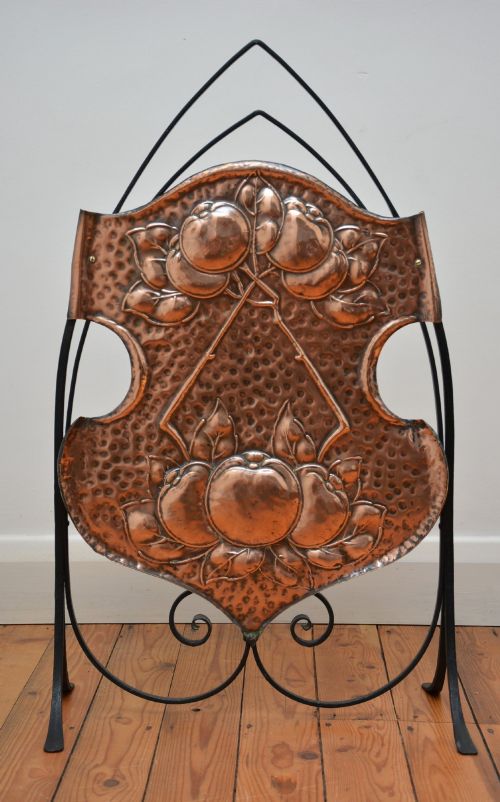
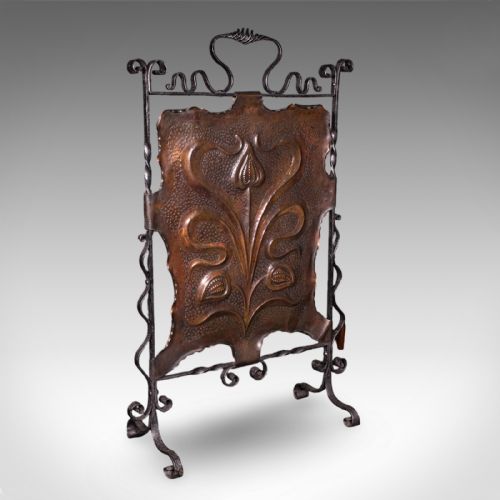
These wrought iron fire guard pieces stand between a hearth and a room, built to keep sparks contained while bringing period metalwork into domestic spaces.
Wrought Iron Fire Guard
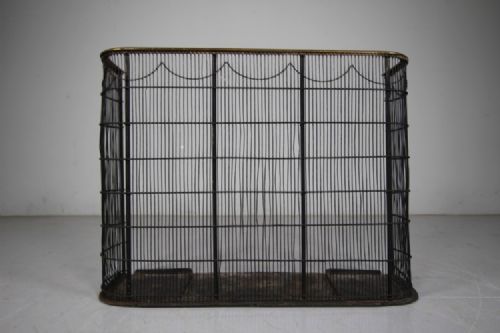
A wrought iron fire guard serves as a protective barrier before an active fireplace, combining utility with decorative metalwork. Buyers searching for a wrought iron fire guard encounter various forms designed to shield rooms from embers, ranging from simple wire mesh guards to elaborate folding screens.
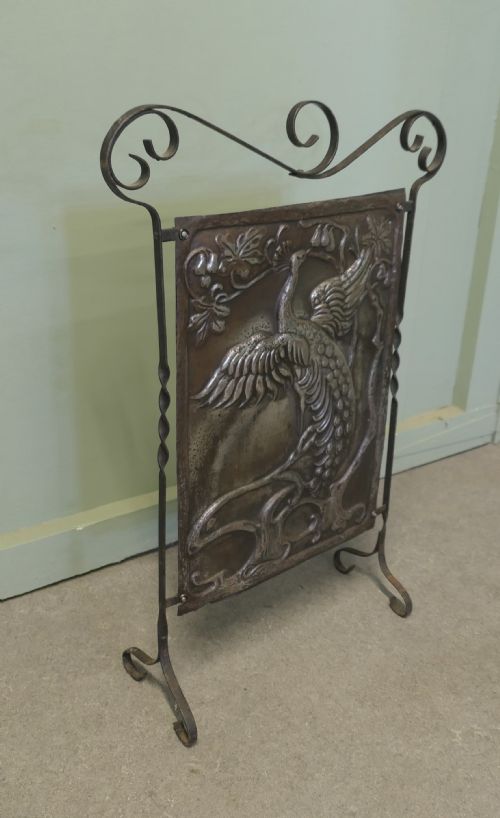
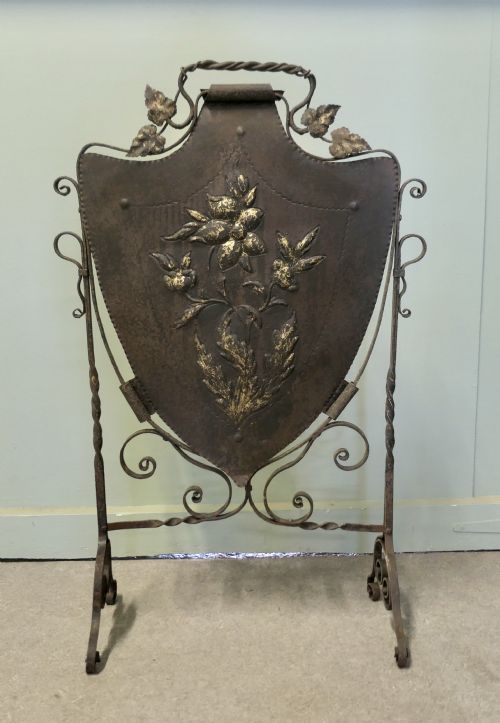
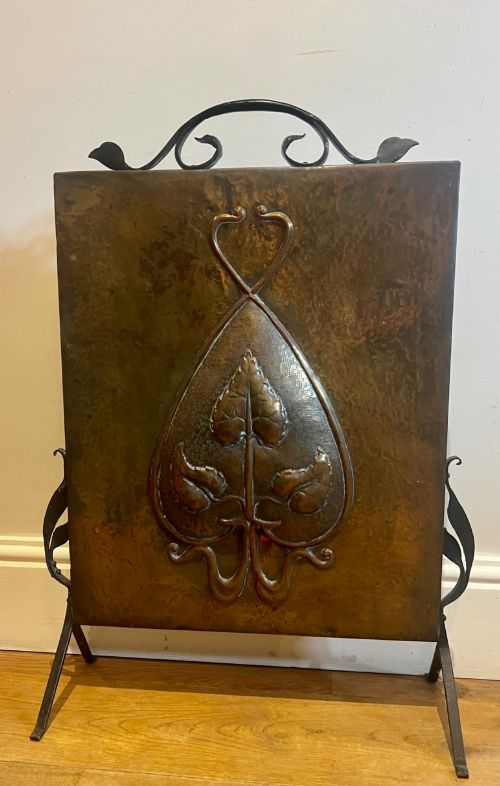
The selection includes pieces spanning the nineteenth century through the early twentieth century, taking the form of firescreens, nursery fenders, and club fenders. Arts and Crafts designs alongside Gothic Revival and Art Nouveau styles dominate the forms available on this page.
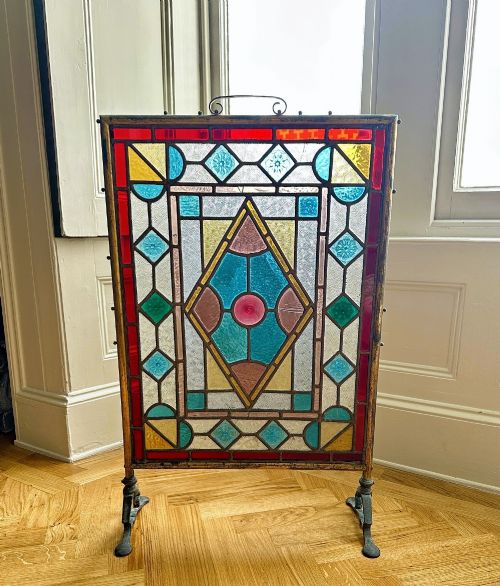
Originating from periods when open fires were the primary source of heating, these guards utilise durable metals designed to withstand hearth heat. Many incorporate secondary materials such as copper panels or stained glass alongside the central iron framework.
How they were made
Blacksmiths shaped wrought iron and steel through hand forging, hammering the hot metal into rigid frames and scrolled supports. This technique produced robust structures capable of supporting wire mesh panels, spark guards, and heavy folding sections.
Makers often combined wrought iron with contrasting metals, riveting copper panels, brass accents, or steel wirework directly to the main frame. Some examples incorporate stained glass or leather upholstered seating surfaces into club fender configurations.
Wrought Iron Fire Guard Retail Price Guide 2026
Typical asking prices for wrought iron fire guard among the pieces listed under this phrase on Sellingantiques today, from the lower quarter to the upper quarter. They describe what is for sale here now, not the wider market.
Several nursery fenders include integrated clothes rails, letting Victorian families warm garments directly by the nursery fire.
What varies in quality
The distinction between standard production items and superior examples lies in the weight of the metal and the precision of the hand forging. Heavier gauge ironwork and securely riveted mesh indicate a higher standard of construction intended for rigorous daily use.
Design complexity also separates pieces, with finer examples featuring hand-beaten copper panels, intricate gothic shielding, or specialised folding mechanisms. The integrity of the joins and the original finish determine the overall caliber of the metalwork.
The Wrought Iron Fire Guard Glossary
- Wrought iron
- A tough, malleable form of iron that can be heated and hammered into decorative and structural shapes. This material forms the primary framework for screens and fenders.
- Club fender
- A low, upholstered seat built around the base of a fireplace, commonly constructed from steel, brass, or iron with leather tops. These allowed people to sit close to the hearth.
- Nursery fender
- A tall protective enclosure designed to keep children and pets at a safe distance from open flames. They often include wire mesh and integrated clothes rails.
- Spark guard
- A fine mesh screen positioned to catch flying embers from an open fire. These are frequently incorporated into larger folding iron frames.
- Firescreen
- A decorative panel placed before an unused fireplace during warmer months. They utilise framed copper, glass, or wrought iron to ornament the hearth.
Wrought Iron Fire Guard: Frequently Asked Questions
How do I choose the right size guard?
Measure the width and height of your fireplace opening to ensure the guard extends adequately beyond the hearth bounds. Consider whether you need a folding screen for storage or a fixed fender style.
Larger country house hearths require substantial guards, while standard grates suit simpler firescreens or nursery fenders.
Are these safe for modern open fires?
Most historic guards utilise robust iron and steel construction designed to withstand high temperatures and contain sparks effectively. Wire mesh panels provide clear visibility of the fire while blocking stray embers.
Verify that the mesh and frame remain stable and intact before placing the guard near an active hearth.
How do I clean wrought iron?
Dust the metal surfaces regularly with a soft cloth to prevent soot buildup. Avoid harsh chemical cleaners that can strip historic finishes.
Lightly applying a specialised wax can help protect the iron from moisture while preserving the original surface texture.
What is the difference between a fender and a screen?
A fender sits flat on the floor around the hearth perimeter, often incorporating a frame or seating surface. A screen stands upright to block radiant heat and sparks from entering the room.
Some designs combine both functions into a single heavy iron framework.
How do I identify Arts and Crafts metalwork?
Arts and Crafts pieces emphasise visible hand craftsmanship, featuring hammered textures and exposed rivets rather than concealed machine joins. Designs frequently draw inspiration from natural motifs such as the peacock or incorporate hand-beaten copper.
This aesthetic values honest materials and straightforward construction.