



Arts and Crafts Screen
An arts and crafts screen brings hand-beaten metal and solid timber together beside a hearth or across a room.
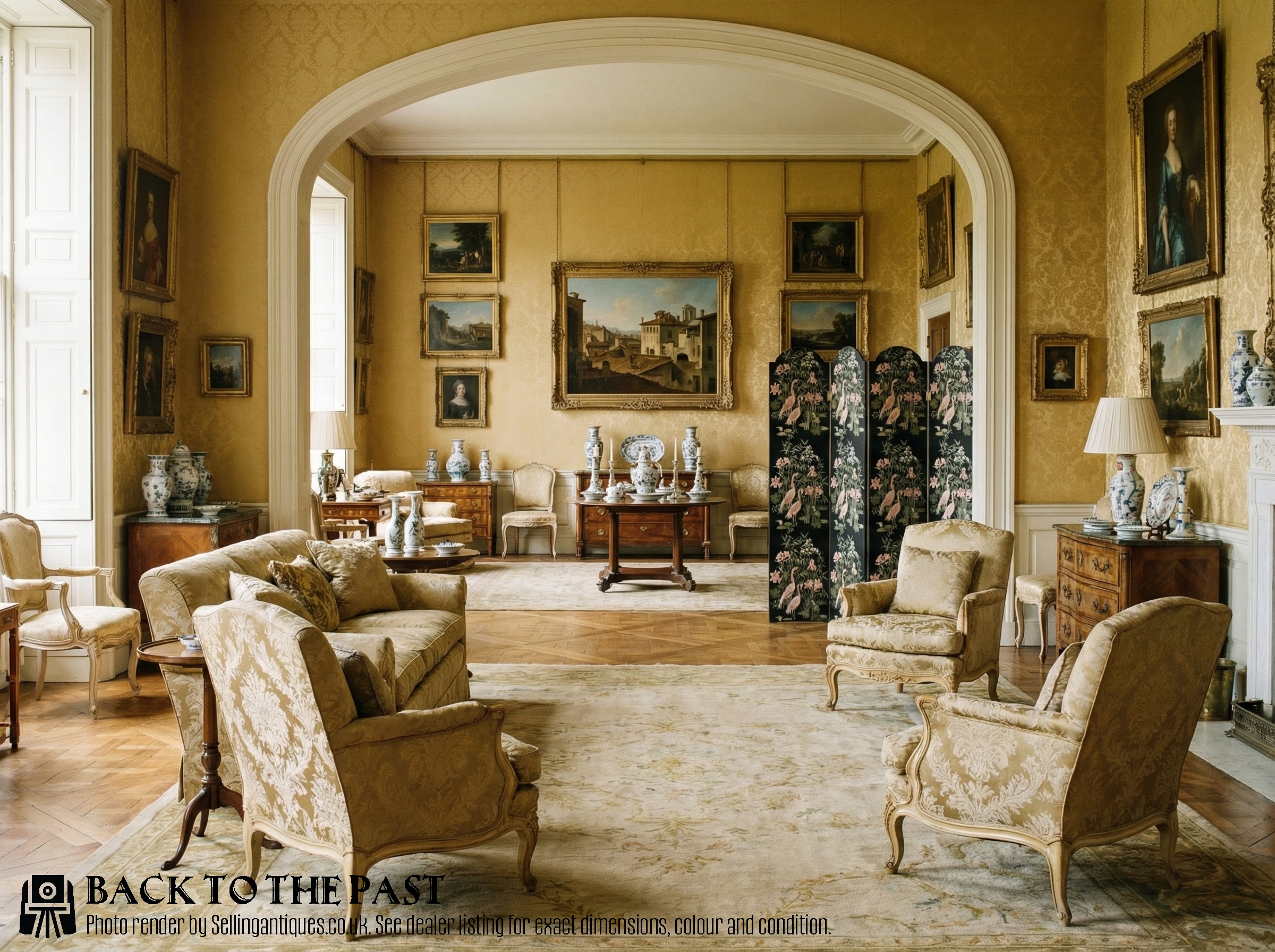
Arts and Crafts Screen
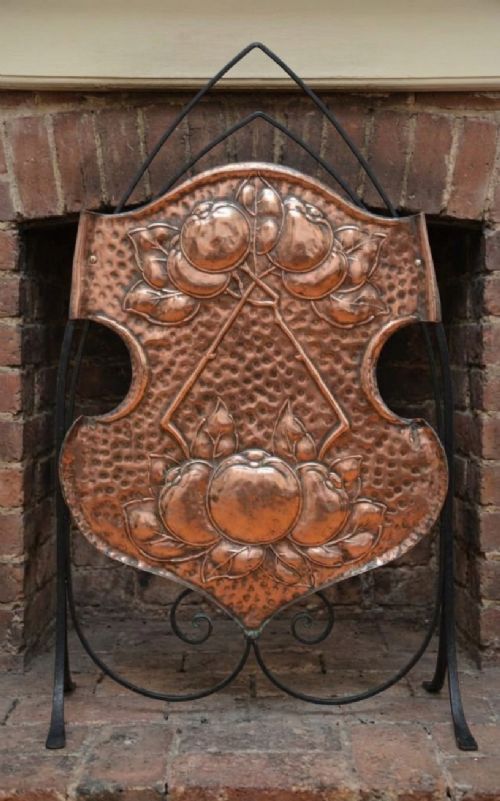
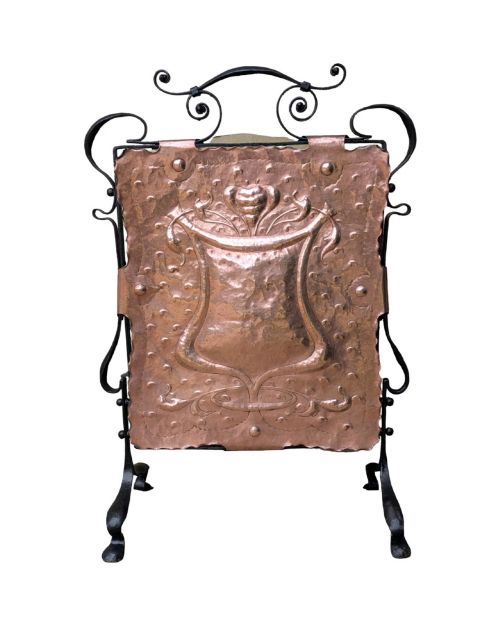
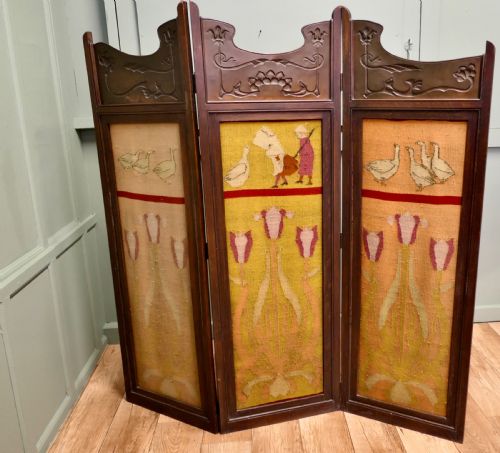
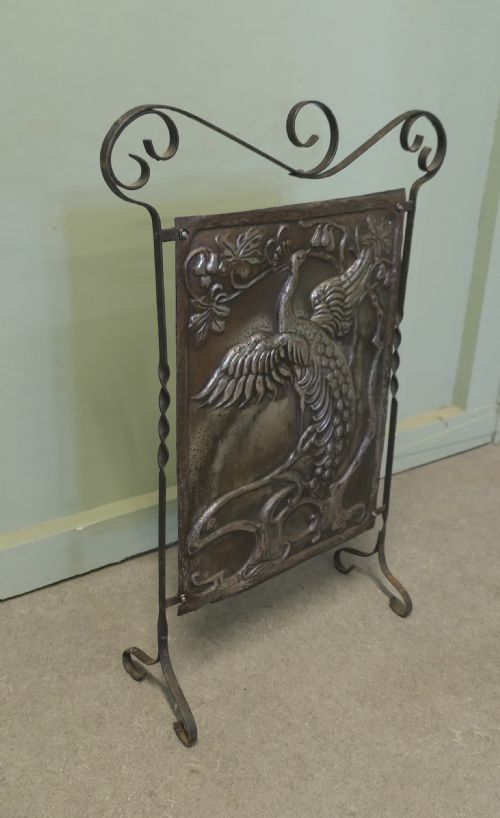
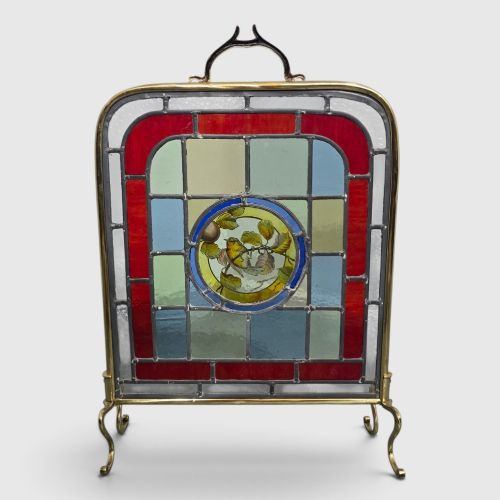
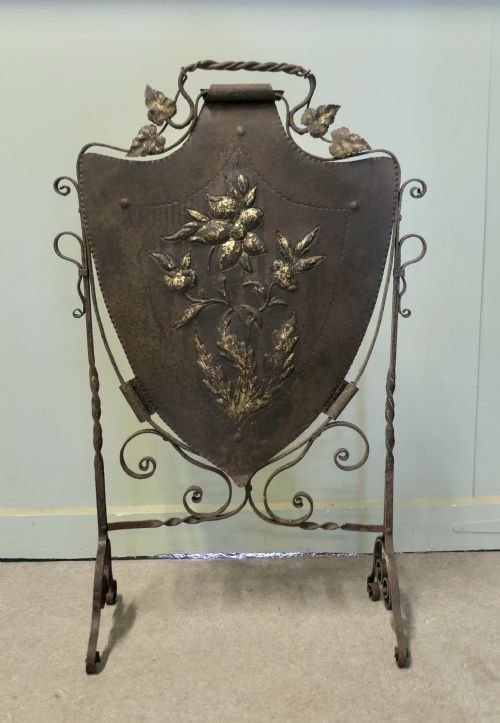
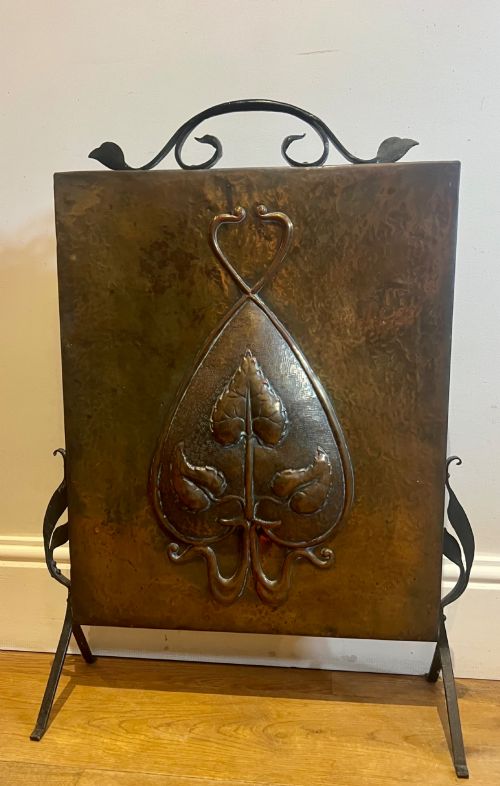
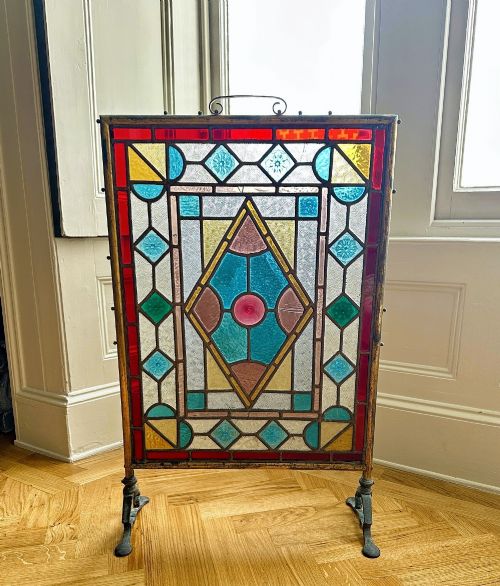
When you search for an arts and crafts screen, you encounter both hearth guards and large folding room dividers from the late nineteenth and early twentieth centuries. These pieces reflect the movement's focus on visible construction and natural motifs, spanning simple iron frames to elaborate multi-fold oak panels.
The domestic fireplace accessories appear most frequently, constructed to shield a room from excess heat while displaying decorative metalwork. Folding screens also emerge in oak and leather, serving to divide interior spaces rather than simply protect a hearth.
Materials and Construction
Makers built these screens using structural timber frames of oak alongside hammered sheet copper, brass, and wrought iron. Metal panels often show hand-beaten textures and embossed designs such as birds, dragons, and floral motifs.
Arts and Crafts Screen Retail Price Guide 2026
Typical asking prices for arts and crafts screen among the pieces listed under this phrase on Sellingantiques today, from the lower quarter to the upper quarter. They describe what is for sale here now, not the wider market.
Materials recorded on this site include stained glass, mirror glass, lead, and textiles such as Morris velvet and naive wool.
Judgements of Quality
The standard of a piece rests upon the depth and clarity of the hand-beaten metalwork and the weight of the timber framing. Crisp embossing on copper panels and substantial wrought iron supports elevate a design above simpler production.
Material integration also dictates merit, seen in how cleanly stained glass, mirrors, or fabric inserts fit within the oak or metal frames. Pieces displaying careful hand-forging and integrated decorative elements hold greater distinction.
Liberty and Co·C F A Voysey·William Morris
The Arts and Crafts Screen Glossary
- Fire screen
- A decorative barrier placed in front of a fireplace to block radiant heat when the hearth is not in active use. These items frequently double as visual focal points in a furnished room.
- Room divider
- A multi-fold screen designed to partition interior spaces or create privacy. They utilise timber frames holding panels of leather, fabric, or carved wood.
- Embossing
- The technique of raising a design in relief on sheet metal by hammering from the reverse side. This method brings texture to copper and brass panels.
- Wrought iron
- Iron beaten or bent into shape while hot by a blacksmith, yielding sturdy frames and stands for hearth accessories.
- Pole screen
- A vertical screen mounted on a tall wooden pole with a tripod base, used historically to shield a person's face from hearth flames.
Arts and Crafts Screen: Frequently Asked Questions
What is an arts and crafts screen?
An arts and crafts screen is a decorative interior piece made between the late nineteenth century and the early twentieth century. These items include heavy iron hearth guards and folding wooden room dividers.
Craftsmen constructed them using solid oak, beaten copper, brass, and wrought iron, often decorating the panels with natural motifs and stained glass.
How do you use a fire screen?
A fire screen sits in front of a fireplace opening to block residual heat and conceal an empty grate during warmer months. They prevent sparks from reaching the room when a fire dies down.
Folding versions also serve to divide large spaces or create private areas within a shared room.
How do I date a copper screen?
Dating relies on stylistic markers and construction methods from periods spanning the late Victorian era through the early twentieth century. Earlier pieces often display Gothic revival influences or hand-beaten copper panels associated with specific design movements.
Examine the rivets, the thickness of the metal, and the type of timber framing used in the structure.
Are these screens used for room division?
Larger multi-fold versions function as room dividers to segment open spaces or partition corners. These tall wooden frames hold panels of embossed leather, fabric, or carved oak.
Smaller single-panel varieties stay near the hearth rather than moving across the floor.