


Antique Standing Spark Screen
An antique standing spark screen brings both practical hearth safety and exceptional period character to a room, turning a dormant fireplace into a focal point.
Antique Standing Spark Screen
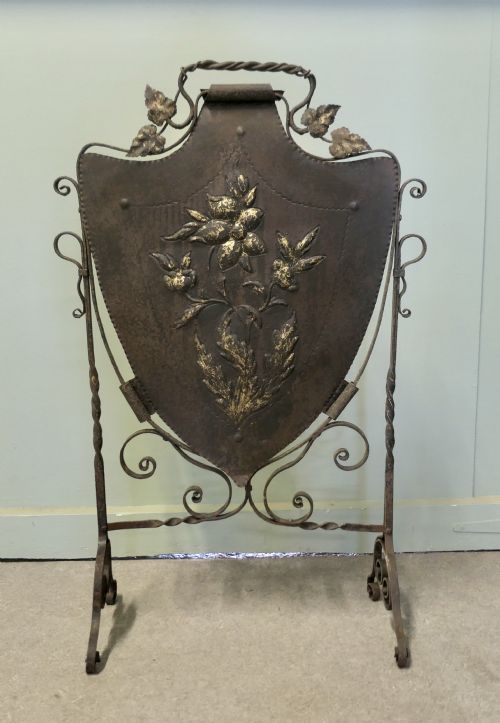
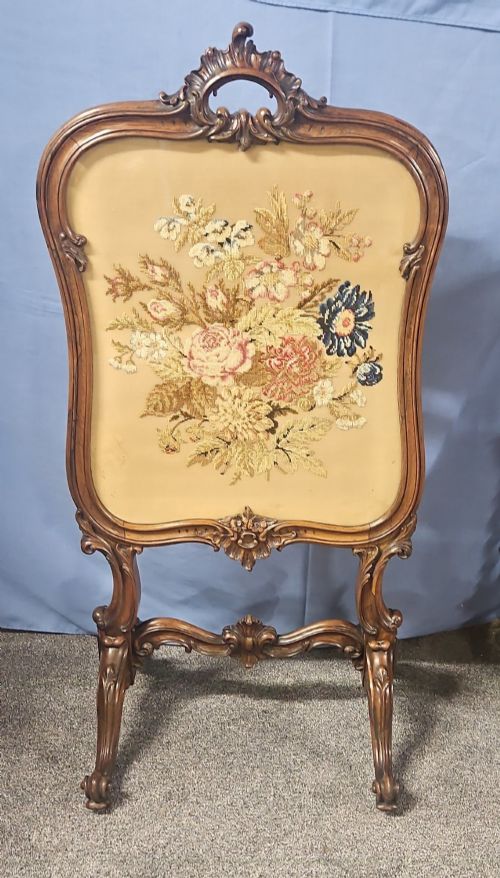
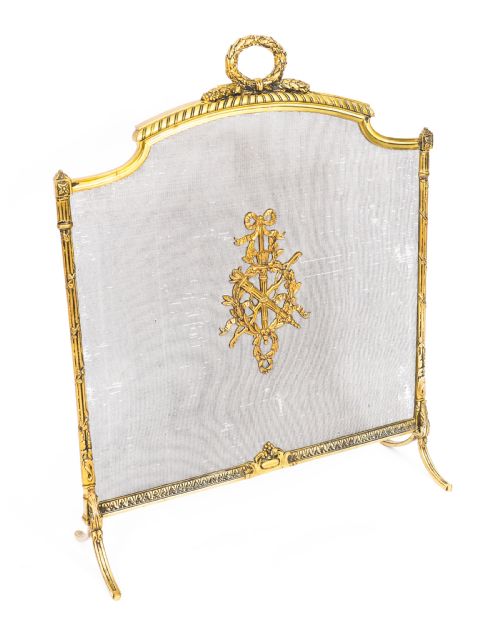
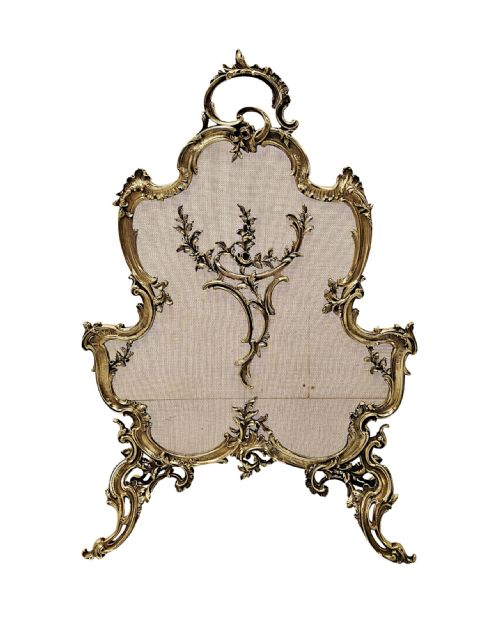
When you search for an antique standing spark screen, you are looking at hearth furniture designed to protect a room from stray embers while adding distinct period style. The pieces encountered on this page span the Victorian and Regency eras, reaching into the early twentieth century, alongside specific revivals such as French Rococo, Gothic, and Arts and Crafts.
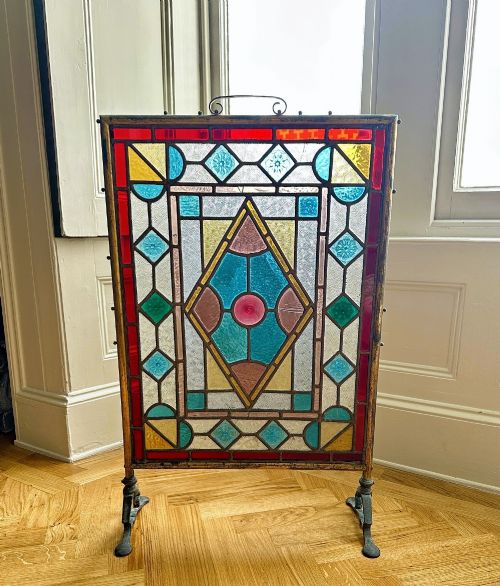
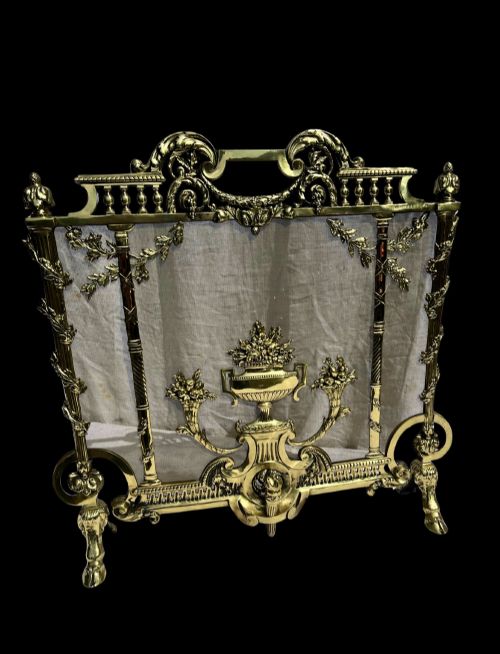
You will most frequently meet brass and wrought iron frames, often paired with wire mesh guards, stained glass panels, or needlework inserts. Formats range from folding demi-lune spark guards to rigid framed screens on decorative stands, reflecting the varied domestic heating needs of nineteenth-century interiors.
Objects on this page also include carved oak Black Forest examples and polished walnut frames with adjustable panels. Each variant shows how utilitarian fireplace accessories were elevated through craftsmanship into decorative furnishings for the principal rooms of the house.
Materials and construction
Makers built these screens using durable metals like brass and wrought iron to withstand hearth heat, frequently combining them with woven wire mesh for visibility and protection. Heavier architectural examples incorporated carved oak and walnut, while finer decorative models utilised gilt bronze and rosewood.
Specialised decorative elements such as stained glass panels and hand-worked tapestry or poker work inserts required distinct artisan skills. Frames were joined using traditional metalworking and cabinetmaking techniques, ensuring stability for free-standing use on uneven hearth stones.
Some screens doubled as ingenious windbreaks for Victorian ladies sitting too close to an enthusiastic draft.
Judging quality in a standing spark screen
Quality rests in the substance of the frame and the integrity of the materials, where solid brass or substantial wrought iron outlasts thin plated alternatives. The weight of the base and the secure fixing of the mesh or glass panel determine how well the piece performs its practical function.
Distinction also lies in the execution of decorative details, such as crisp casting on Rococo revival mounts or precise joinery in timber frames. Pieces that retain original components, like adjustable mechanisms or intact stained glass, demonstrate higher original status.
The Antique Standing Spark Screen Glossary
- Spark guard
- A protective barrier placed before an open fire to catch flying embers. These take freestanding forms made of mesh and metal.
- Poker work
- A decorative technique using a heated tool to burn designs into wood or leather. It appears on adjustable panels within period screens.
- Demi-lune
- A half-moon shape used in the footprint of curved spark guards. This design wraps neatly around the hearth opening.
- Gilt bronze
- Copper alloy finished with a gold application, known in French asormolu. It provides ornate detailing on revival frames.
Antique Standing Spark Screen: Frequently Asked Questions
How do I use a spark screen?
Place the freestanding screen directly in front of the open fireplace opening while a fire burns. This catches stray embers and sparks before they reach the room flooring.
Ensure the base sits level on the hearth stone so the guard remains stable. Move the screen aside only when tending the fire or after embers have fully cooled.
What periods do these screens date from?
The pieces available here primarily date from the nineteenth century, encompassing the Regency and Victorian eras. You will also find examples from the early twentieth century.
Stylistic influences span Gothic Revival, French Rococo, and Arts and Crafts movements. Each period brings distinct metalwork patterns and timber treatments to the hearth.
Are these screens effective for modern fires?
Many standing screens feature sturdy wire mesh designed specifically to contain sparks from open solid fuel fires. However, check the dimensions of your hearth opening against the screen size before use.
Larger country house models offer generous coverage, while demi-lune guards curve around the grate. Ensure the frame weight is sufficient to prevent accidental tipping.
How do I clean brass and iron frames?
Dust metal frames gently with a dry or slightly damp cloth to remove soot and hearth ash. Avoid harsh chemical cleaners that strip patination from antique brass and iron.
Stained glass and wooden sections require gentle wiping appropriate for fragile materials. Preserving the natural surface wear maintains the historic character of the object.