


Black Iron Fireplace Screen
These black iron fireplace screen pieces offer practical hearth protection with enduring period character.
Black Iron Fireplace Screen
A black iron fireplace screen provides a functional barrier for the hearth while bringing period presence to a room. When you search for black iron fireplace screen, you encounter items designed to contain sparks and ash effectively.
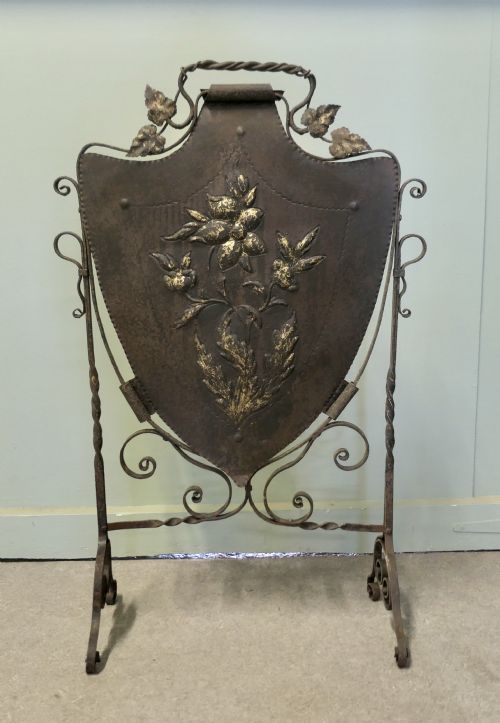
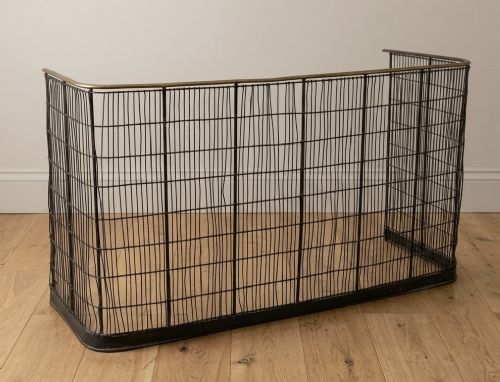
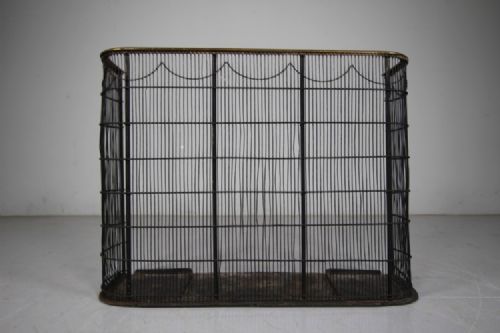
The selections on this page span several distinct eras, drawing from 19th Century, Victorian, Regency, Edwardian, and 1930 designs. Alongside traditional screens, you also find nursery fenders and guards equipped with mesh or rails.
These guards appear in varied forms, from folding Arts and Crafts iterations to heavy wrought iron structures. They serve the dual purpose of domestic safety and decorative enhancement within an interior space.
How they were made
Brass elements and gilt details frequently accent the dark iron frames, adding contrast and visual refinement. Heavy construction methods ensure stability around active fireplaces and nurseries.
Some nursery fenders doubled as indoor clothes dryers, proving that domestic multitasking is far from a modern invention.
What varies in quality
The distinction between standard items and superior examples lies in the weight of the metal and the intricacy of the ironwork. Pieces exhibiting detailed Gothic Revival motifs or careful wirework show greater artisan investment.
Integration of secondary materials like polished brass tops or integrated clothes rails elevates the utility and design standard of certain fenders. Robust construction and honest period patination determine the overall desirability of each screen.
The Black Iron Fireplace Screen Glossary
- Nursery fender
- A low protective barrier designed to encircle a hearth, keeping children and pets at a safe distance from the fire. These often include a clothes rail or mesh upper section.
- Spark guard
- A fine mesh or wire screen placed directly before an open fire to catch flying embers. They are constructed to handle high temperatures while preserving airflow.
- Wrought iron
- Iron that has been heated and shaped with tools by a blacksmith, recognised by its fibrous texture and strength. It differs from cast iron by being more malleable during manufacture.
- Gothic Revival
- An architectural and decorative style popular during the 19th century that mimics medieval forms. Objects in this style display pointed arches, heavy frames, and structural solemnity.
- Wirework
- Metal formed into meshes or decorative patterns, commonly utilised in fire guards. This technique allows heat to circulate freely into the room.
Black Iron Fireplace Screen: Frequently Asked Questions
What is a nursery fender?
A nursery fender is an extended protective barrier that surrounds the hearth area entirely. It keeps children and pets safely away from hot grates and flying sparks.
Many period examples also incorporate an integrated clothes rail for warming garments. They combine practical safety measures with substantial metal craftsmanship.
How do I date an iron fire screen?
Dating relies on observing stylistic markers such as Gothic Revival motifs, Arts and Crafts construction, or Regency wirework techniques. Material choices like heavy cast iron versus lighter wire mesh also point toward specific decades.
Examining the method of assembly helps distinguish 19th century items from later 20th century productions. Period context reveals itself through these manufacturing details.
Are these screens suitable for active fires?
Most of these pieces were originally built to function alongside active hearths, utilising durable iron and steel mesh. They withstand high temperatures while containing sparks and embers effectively.
Checking the stability and mesh condition ensures safe daily usage in a modern home. They provide both historical charm and practical protection.
What is the difference between a screen and a guard?
A screen typically stands upright to block radiant heat or conceal an unused grate during warmer months. It focuses on visual enclosure and decorative presence within the room.
A guard generally prioritises safety by enclosing the hearth perimeter with mesh or bars. The terminology often overlaps across different period listings.