

Antique Metal Hearth Screen
An antique metal hearth screen brings architectural weight and polish to a fireplace while blocking stray sparks.
Antique Metal Hearth Screen
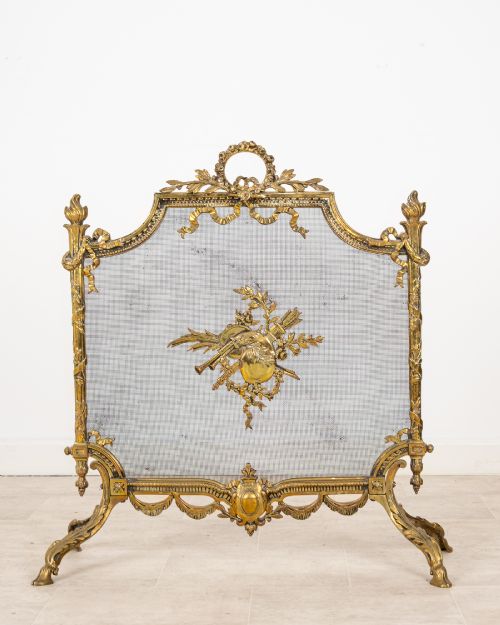
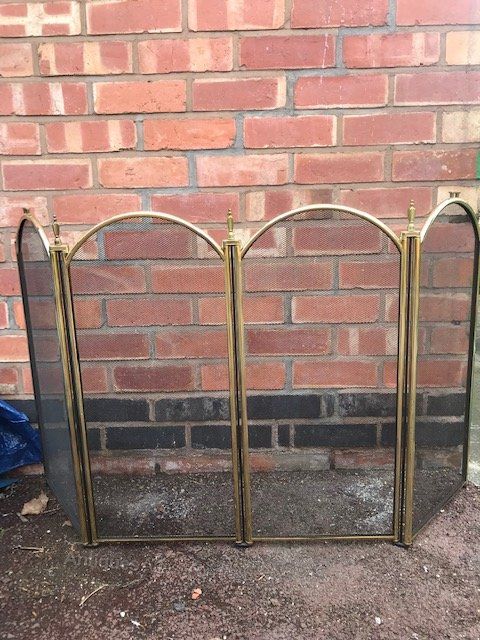
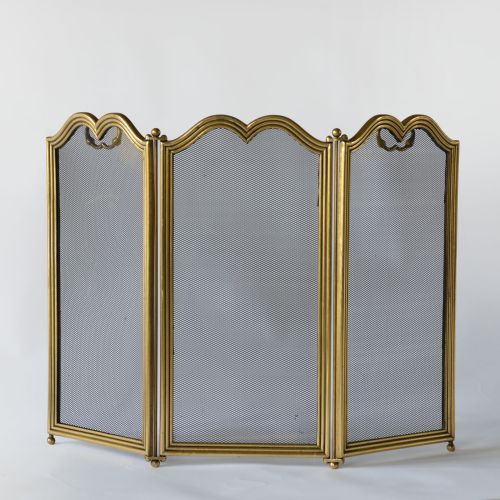
An antique metal hearth screen is a functional fireplace accessory designed to protect a room from sparks and embers while framing the open grate. When searching for an antique metal hearth screen, buyers encounter a wide variety of forms originating predominantly from the nineteenth and early twentieth centuries.
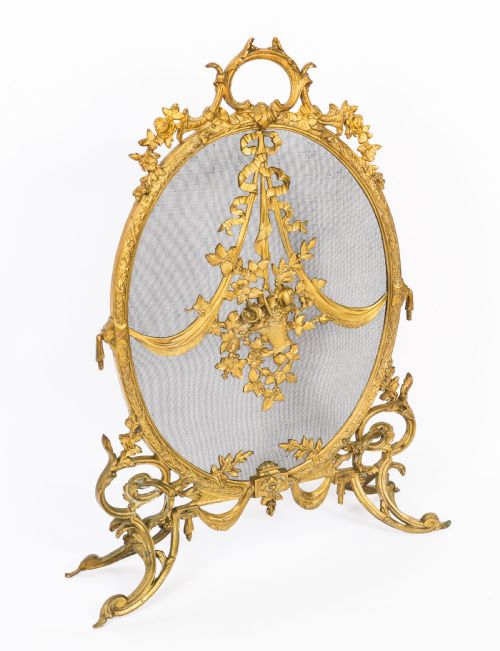
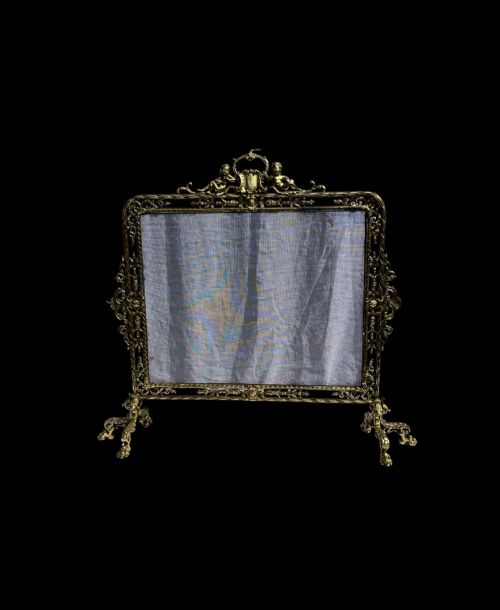
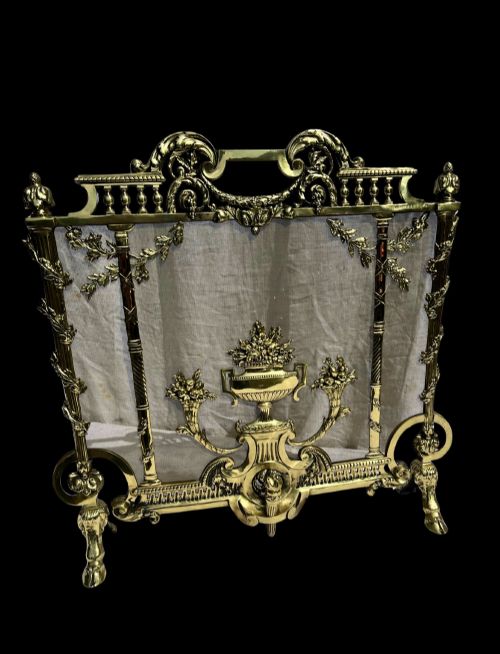
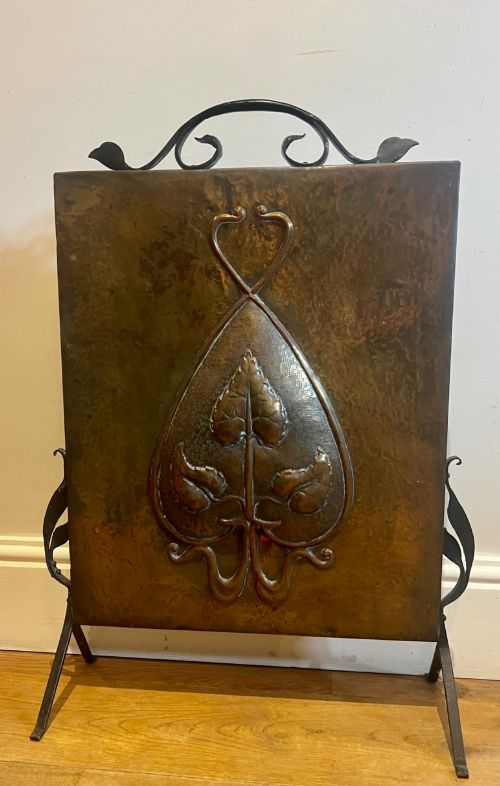
The selection on this page relies heavily on brass, copper, and iron construction, often paired with wire mesh or folding panels. Pieces span straightforward spark guards to decorative examples incorporating French revival styling or Arts and Crafts motifs.
Materials and Construction Techniques
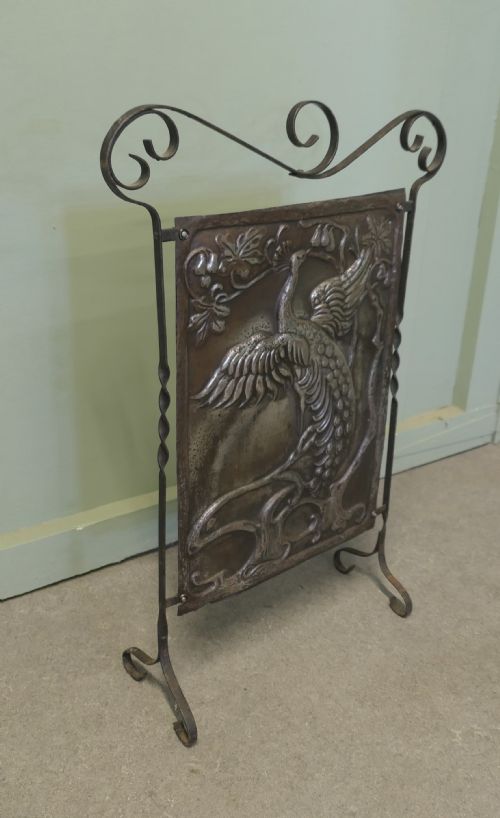
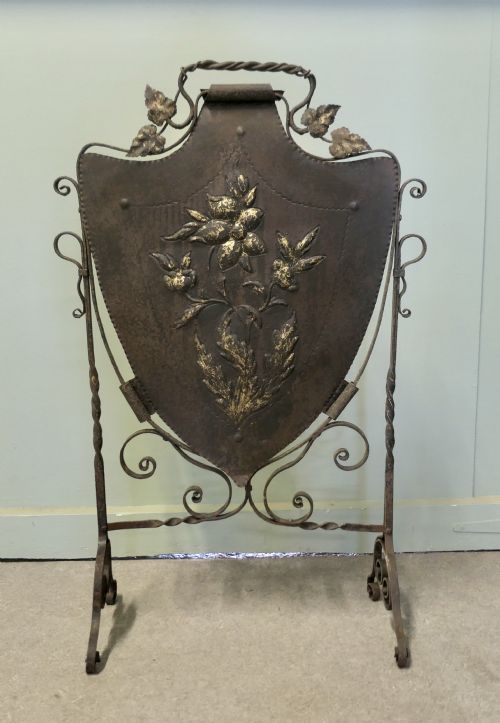
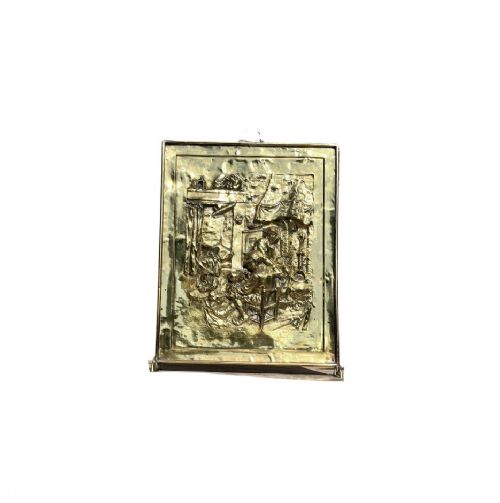
Makers utilised durable metals such as brass, wrought iron, copper, and steel, frequently combining solid frames with fine wire mesh or articulated panels. Heavy cast bronze and gilt brass appeared in elaborate revival pieces, while beaten copper sheets found favour in workshops influenced by the Arts and Crafts movement.
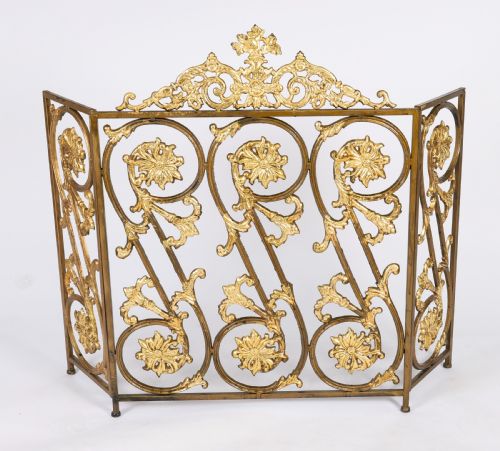
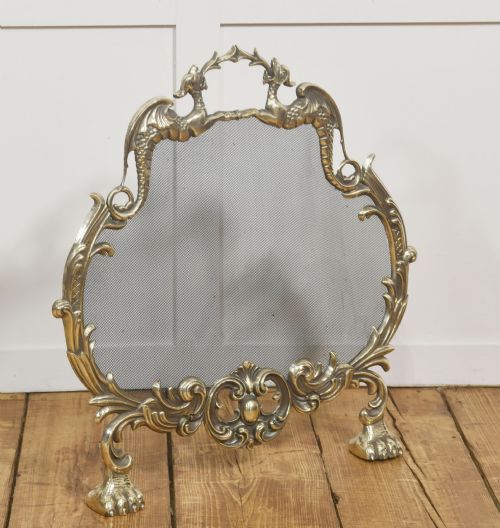
Surface decoration involved embossing, chasing, and piercing to create heraldic motifs, floral trophies, or rhythmic organic lines. Folding sections and tripartite hinges required sturdy blacksmithing or foundry work to ensure the frames stood securely on the hearth.
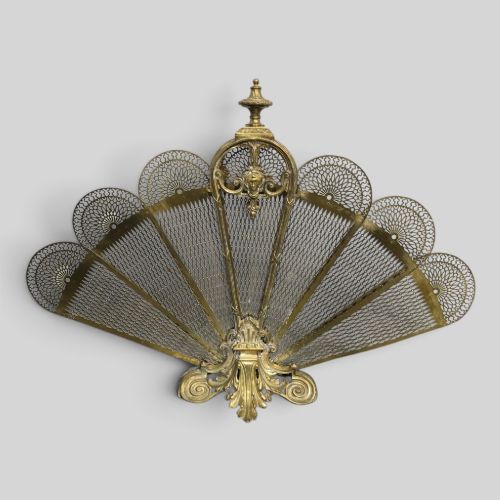
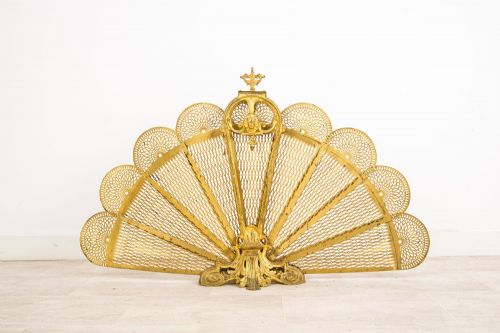
Several folding brass peacock screens stand ready to fan open on your hearth like glamorous metallic birds.
Assessing Quality and Execution
Quality rests upon the weight of the metal and the crispness of the hand-worked detail, distinguishing heavy cast or chased panels from light stamped sheet metal. Superior examples feature robust hinges, secure mesh attachment, and thick frames that maintain structural integrity under daily heat.
Design cohesion also sets pieces apart, as seen in the deliberate execution of decorative motifs like the folding fan blades of a peacock screen or the balanced symmetry of French revival scrollwork.
The Antique Metal Hearth Screen Glossary
- Spark guard
- A protective mesh or metal screen placed before an open fire to catch flying embers. These practical guards often double as decorative hearth furnishings.
- Peacock screen
- A folding fan-shaped screen whose overlapping metal blades expand like a tail. This distinctive form gained popularity during the Victorian era.
- Fireplace reflector
- A polished metal plate designed to project heat forward into the room. Copper and brass examples are common in this category.
- Nursery fender
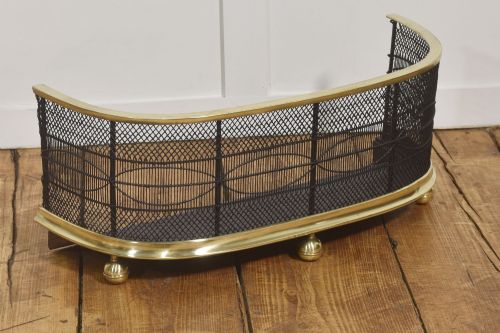
- A low metal barrier enclosing the hearth to keep children at a safe distance from the fire. Some versions incorporate integrated clothes rails.
Antique Metal Hearth Screen: Frequently Asked Questions
How do I choose the right size screen?
Measure the width and height of your fireplace opening to ensure the screen covers the hearth securely without overwhelming the surround. Folding and tripartite designs offer flexibility for adjusting coverage.
Consider the projection of the hearth itself, as freestanding frames require adequate floor space to stand stable before the fire.
Were these screens used for coal or wood fires?
Both fuels were common during the periods represented, with mesh and spark guards becoming essential as open coal grates grew popular in nineteenth-century parlours. Many screens served a dual purpose of containing debris and concealing an unlit grate during warmer months.
Heavier iron and brass models handled the intense heat of coal fires, while decorative copper reflectors brightened unused hearths.
How do I clean brass and copper screens?
Use a soft cloth and mild soapy water to remove dust and soot accumulation from the metal surface. Avoid harsh abrasive cleaners that strip historic patinas.
For unlacquered brass or copper, a gentle proprietary metal polish restores brightness if a shiny finish is preferred over a darker aged patina.
What is the difference between a fire screen and a fender?
A fire screen is an upright panel or guard positioned directly in front of the fireplace opening to block sparks and heat. A fender is a low frame that sits flat on the hearth around the perimeter of the grate.
Some nursery pieces combine both functions by providing a low protective perimeter equipped with a mesh barrier or rail.