

Vintage Decorative Fire Guard
A vintage decorative fire guard brings practical safety and sculptural presence to a hearth, combining period metalwork with ornamental glass, mesh, and mirrors.
Vintage Decorative Fire Guard
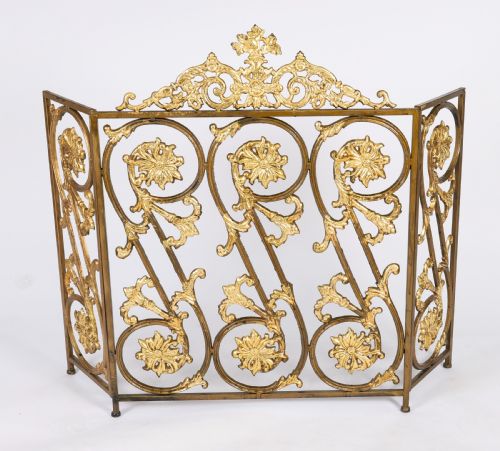
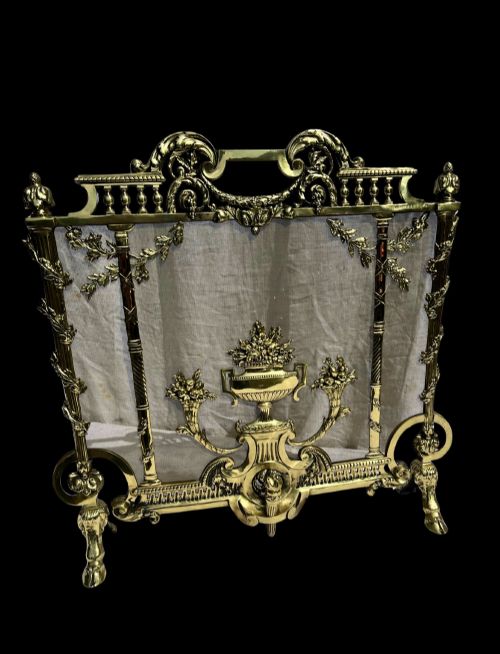
A vintage decorative fire guard is designed to protect a room from stray sparks while ornamenting an inactive hearth during warmer months. When you search for this phrase, you encounter firescreens, fireplace fenders, and spark screens spanning the Victorian, Edwardian, and 1920s eras.
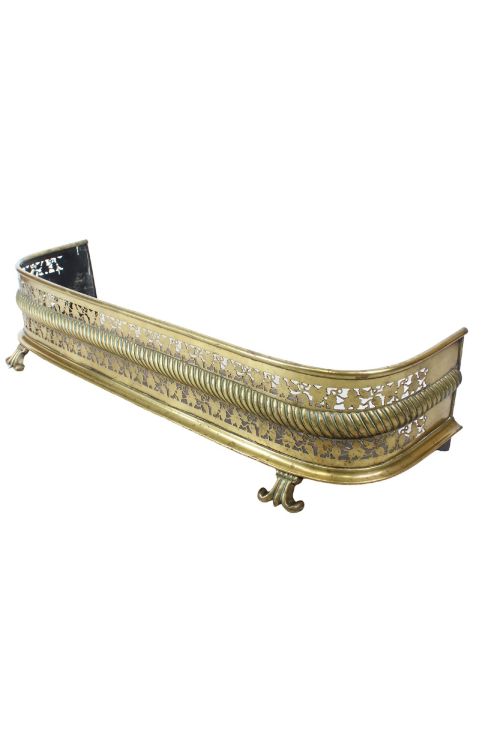
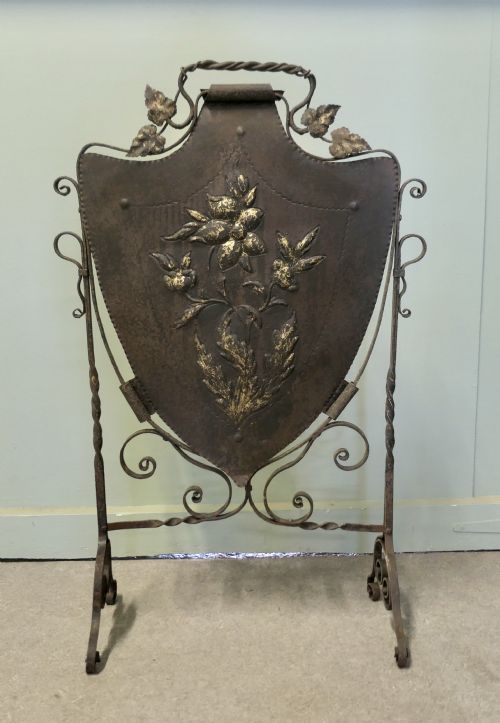
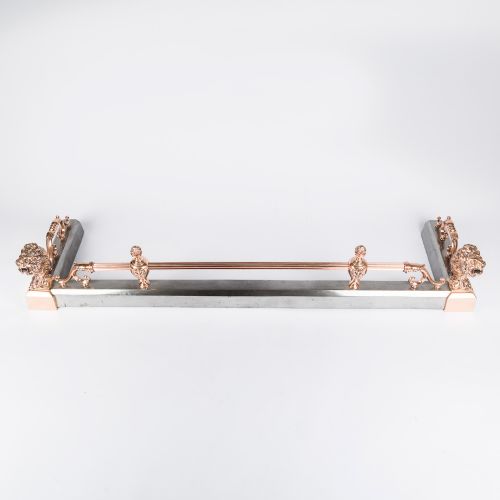
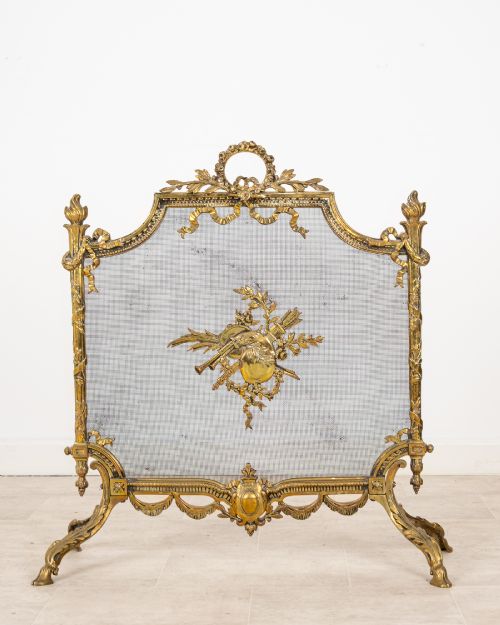
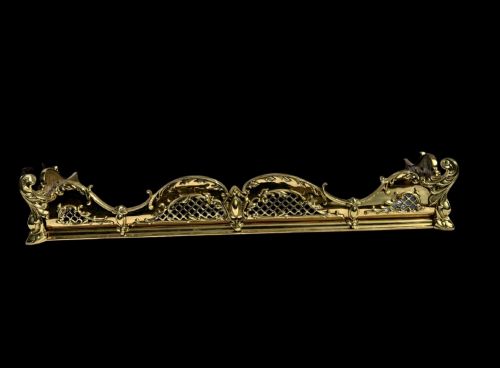
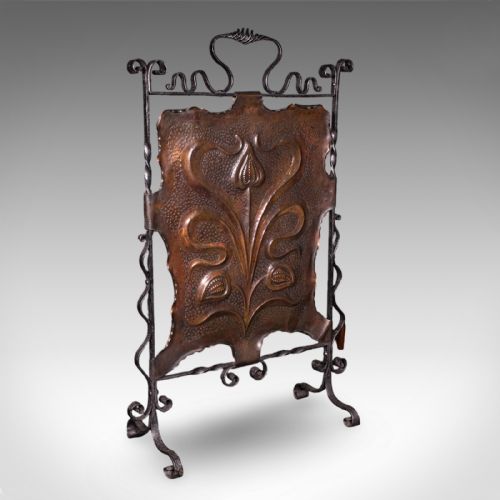
The most common pieces on this page are freestanding brass fire screens and folding peacock fan designs alongside hearth fenders in brass, copper, and wrought iron. Originating from French and English workshops, these items incorporate styles such as Art Nouveau, Rococo Revival, and Arts and Crafts.
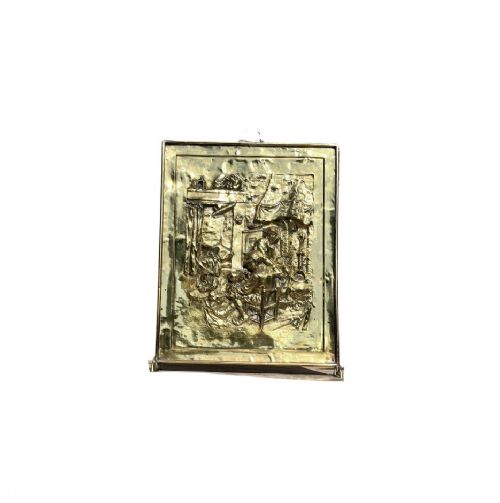
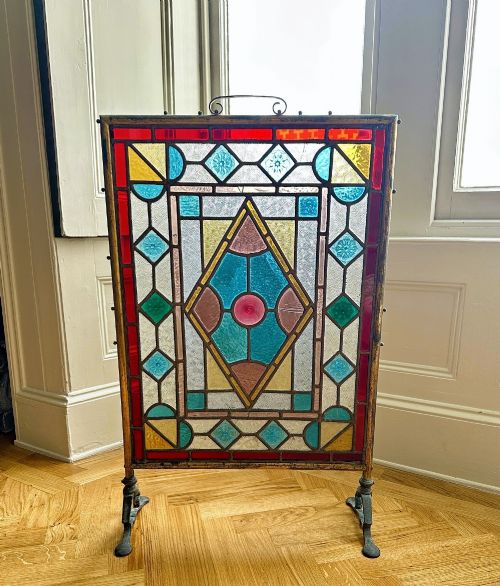
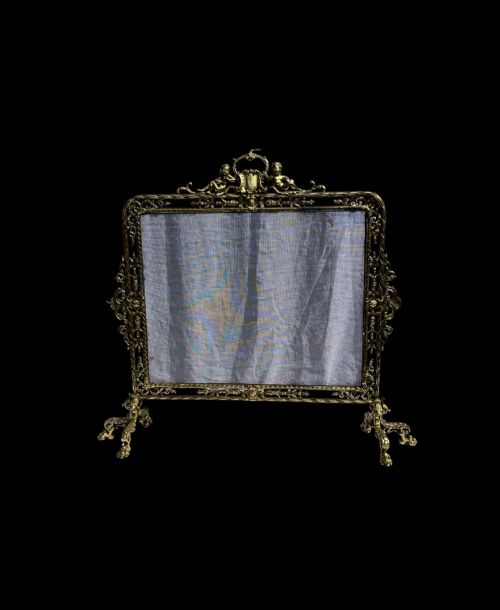
Objects range from simple pierced metal guards to elaborate gilt bronze frames inset with bevelled mirrors, stained glass, or textile panels. Each piece reflects the domestic priorities of the nineteenth and early twentieth centuries, balancing utility with ornate reception room aesthetics.
How they were made
Craftsmen shaped these guards using brass, copper, wrought iron, and steel, often combining cast frames with delicate wire mesh or perforated sheet metal. Gilt brass and ormolu finishes provided a bright decorative surface for formal drawing rooms.
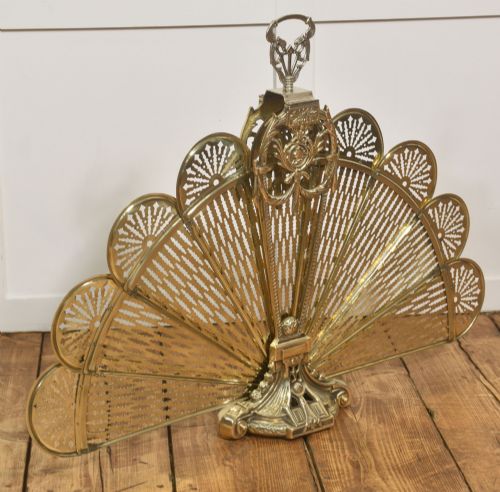
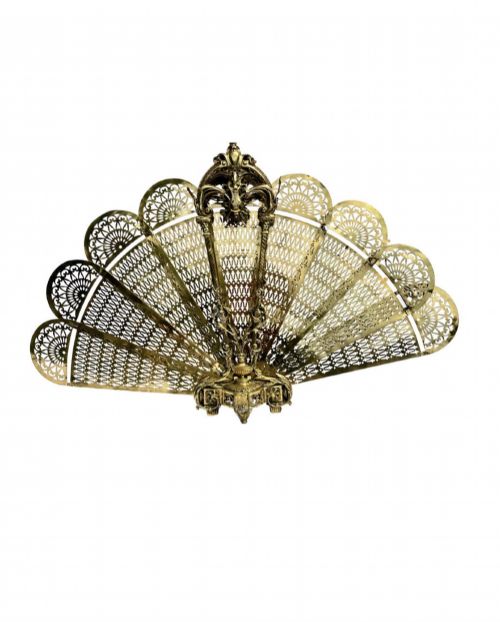
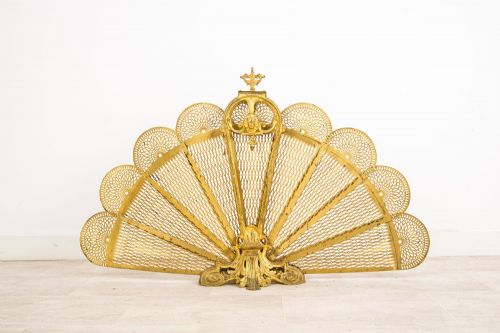
Decorative panels integrated specialised techniques including stained glass assembly, leaded cutting, mirror bevelling, and needlework tapestry insertion. Folding peacock fan screens relied on articulated brass blades that expanded on a central pivot.
Structural joints involved riveting, brazing, and screw fixings to support heavy glass plates or folding fan mechanisms within sturdy metal frames.
Several folding fan screens mimic the plumage of a proud peacock.
What varies in quality
The standard of a fire guard rests upon the weight of its metal framework and the crispness of its cast or pierced detailing. Finer examples display deep relief work in French Rococo or Louis styles, whereas utilitarian pieces rely on simpler pressed sheet metal.
Material selection dictates durability, with solid brass and bronze castings outperforming lighter plated steel and thin wire mesh. The integration of high-value artistic elements, such as genuine stained glass panels or hand-bevelled mirrors, elevates an everyday hearth guard to a decorative centrepiece.
The Vintage Decorative Fire Guard Glossary
- Fire screen
- A movable panel placed before a fireplace to shield the room from radiant heat or hide an unlit hearth. These often feature glass, mesh, or decorative metal panels.
- Fire fender
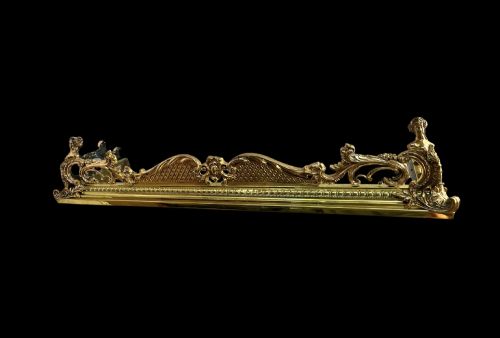
- A low metal kerb placed on the floor around the hearth to contain ash and rolling embers. They are frequently constructed from brass, copper, or iron.
- Ormolu
- Gilded bronze or brass applied to decorative metalwork and furniture mounts. This technique was widely utilised during the nineteenth century in French revival styles.
- Peacock fan
- A folding firescreen composed of radiating metal blades that fan out into a semicircular display. They became particularly popular during the late Victorian and 1920s periods.
- Spark guard
- A protective mesh screen designed to catch flying embers from an active fire. They utilise fine wire mesh to maintain visibility of the flames while ensuring safety.
Vintage Decorative Fire Guard: Frequently Asked Questions
How do I choose the right size?
Measure the width and height of your fireplace opening to ensure the guard covers the entire hearth area safely. Freestanding screens should extend beyond the brick aperture on both sides.
Consider the clearance needed for furniture and whether you require a folding design for compact spaces.
How do I clean brass and copper?
Remove surface dust with a dry cloth and apply a mild metal cleaner specifically formulated for brass or copper. Avoid harsh abrasives that strip aged patinas.
Lacquered surfaces require only gentle wiping to preserve the protective coating.
What is the difference between a fender and a screen?
A fender sits horizontally on the floor around the hearth perimeter to contain logs and ash. A screen stands vertically to block heat and adorn the opening.
Many period rooms incorporated both matching brass fenders and screens as a complete fireplace suite.