




Antique Nursery Fireguard
An antique nursery fireguard is the traditional shield designed to keep children safe from hearths, combining robust metal protection with period domestic style.
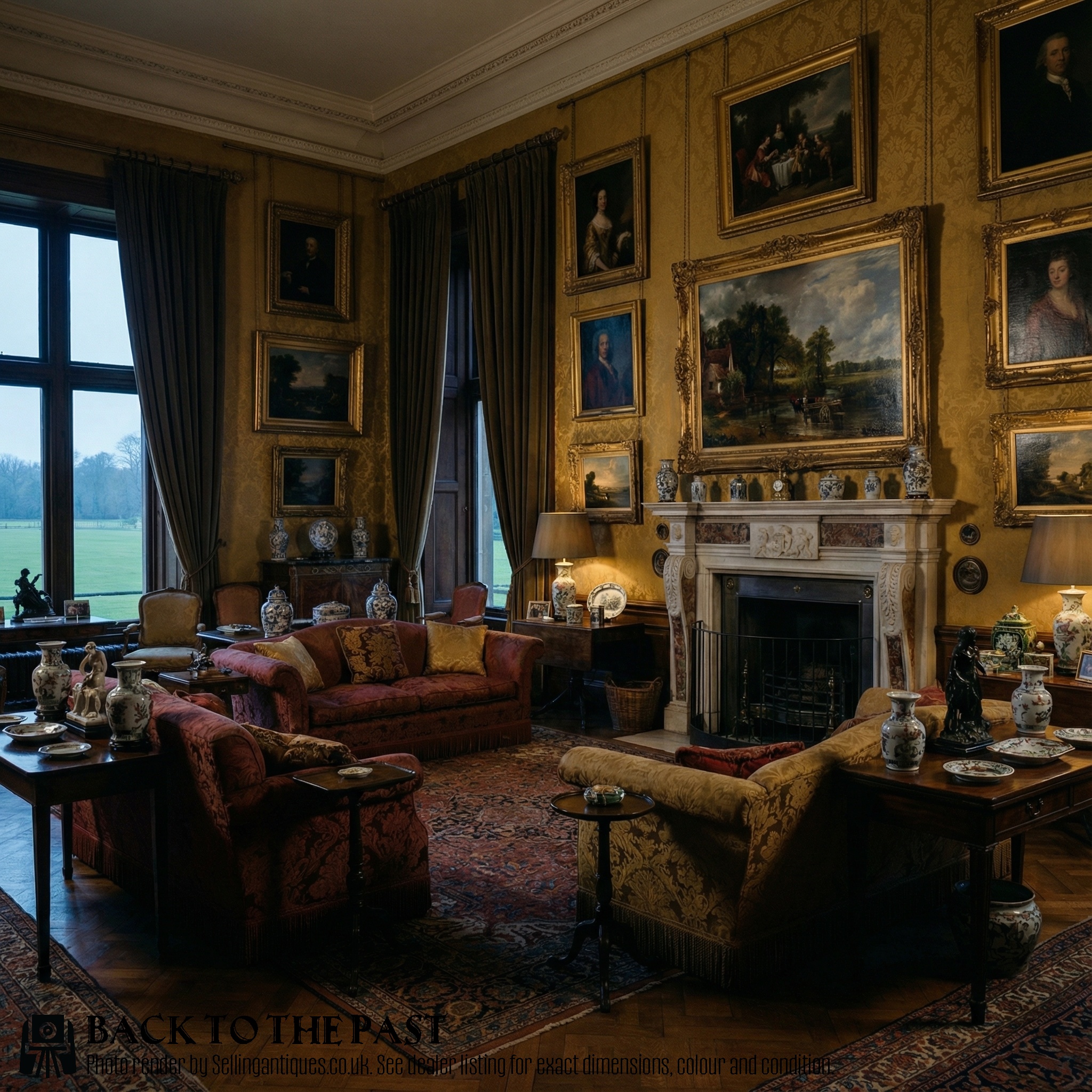
Antique Nursery Fireguard
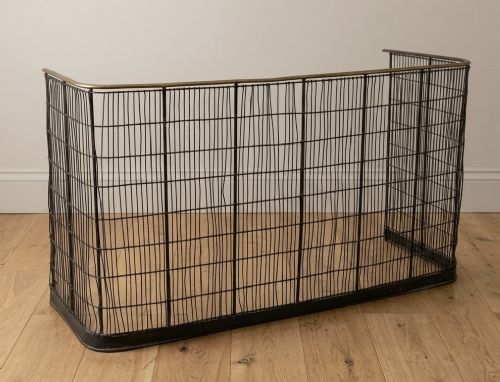
An antique nursery fireguard provides a protective barrier around open hearths to prevent children and garments from coming into dangerous contact with flames and embers. These pieces span the nineteenth century, the Victorian era, and the Edwardian period, appearing as sturdy fenders, screens, and guards.
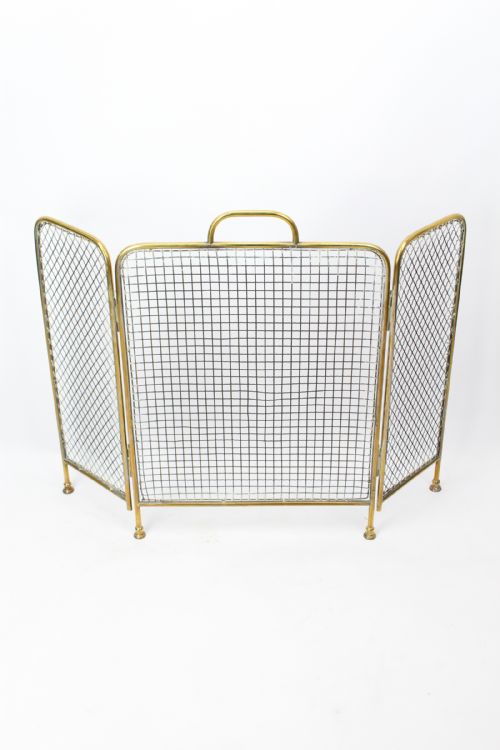
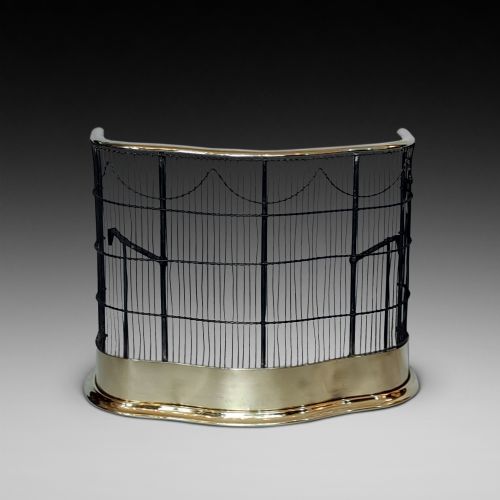
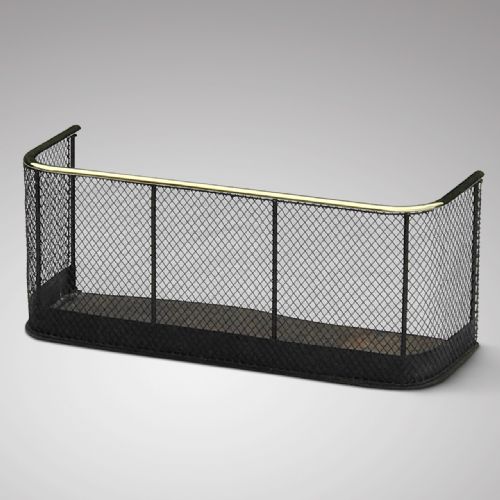
The versions most commonly met on this page include brass-topped nursery fenders, folding brass fire guards, and wire mesh designs with brass rims. Many examples feature serpentine or bowed shapes, while others incorporate practical additions such as clothes rails.
Makers designed these objects for functional safety in family homes, utilising durable metals to withstand daily use near open fires. Collectors encounter various configurations ranging from simple wrought iron frames to elaborate brass and wire mesh structures.
How they were made
Constructed using traditional metalworking techniques, these pieces rely on combinations of iron, wrought iron, and steel wire for their core structural frames. Smiths and metalworkers shaped these ferrous metals to form robust barriers that could endure the heat and weight associated with domestic hearths.
Brass formed a major component for decorative and structural elements, visible in the bright top rails, frames, and rims that characterise many Victorian examples. Fine wire mesh was woven and secured within these metal frames to catch sparks while maintaining visibility of the fire.
Some nineteenth century guards included built-in clothes rails, letting Victorian nurseries double as an indoor laundry drying room.
What varies in quality
Quality in these guards rests upon the substantial nature of the framework and the gauge of the wire mesh utilised in construction. Heavier brass top rails and thicker wrought iron bases denote superior manufacture compared to lighter, more utilitarian alternatives.
The refinement of the assembly, such as neatly joined corners, secure mesh fixings, and smooth operating folding mechanisms, separates standard production pieces from finer examples. Materials with deeper polish and heavier metal substance retain their integrity far better over decades of domestic service.
The Antique Nursery Fireguard Glossary
- Nursery fender
- A low metal barrier placed around a hearth to keep children at a safe distance from the fire. These often include a raised top rail and fine mesh panels.
- Wire mesh
- A woven metal grid fitted into the frame of a fire guard to contain sparks and glowing embers. It allows heat to pass through while blocking flying debris.
- Serpentine
- A gently curving outline resembling a snake's movement, often seen in the front profile of Victorian brass-rimmed fire guards. This shape adds stability and visual elegance to the heavy metal frame.
- Top rail
- A prominent horizontal bar running along the upper edge of a guard, frequently cast in polished brass. It provides a convenient handhold and finishes the composition of the piece.
Antique Nursery Fireguard: Frequently Asked Questions
What is a nursery fireguard?
A nursery fireguard is a tall, protective metal barrier specifically built to enclose an open fireplace in domestic settings. Its primary purpose is to shield children from direct flames and hot coals.
These pieces typically combine a sturdy iron or steel frame with fine wire mesh and decorative brass elements. They reflect the safety requirements of nineteenth and early twentieth century homes.
How were fireguards used?
Households placed these guards directly onto the floor surrounding the hearth before lighting the fire. They remained in position throughout the day to catch stray sparks and prevent accidental contact.
Some variations included integrated clothes rails, allowing caregivers to air garments safely near the warmth of the fire. The folding designs allowed homeowners to adjust or store the barrier when necessary.
Can I use an antique guard today?
These guards serve as functional hearth accessories, provided their structural frames and wire mesh remain stable and secure. Homeowners frequently use them with modern open fires for traditional aesthetic appeal.
Living with these pieces involves appreciating their original metalwork while ensuring they fit securely around the fireplace hearth. Regular dusting keeps the brass and iron surfaces in good condition.