




Victorian Nursery Fender Guard
A victorian nursery fender guard creates a safe barrier around the hearth, combining practical protection with period metalwork.
Victorian Nursery Fender Guard
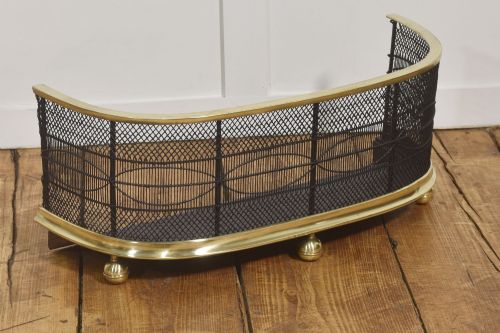
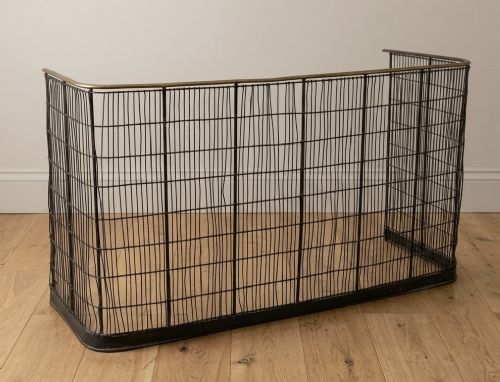
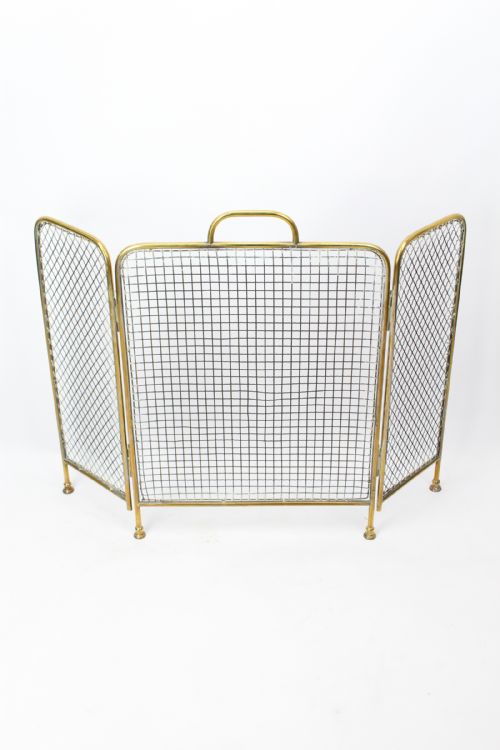
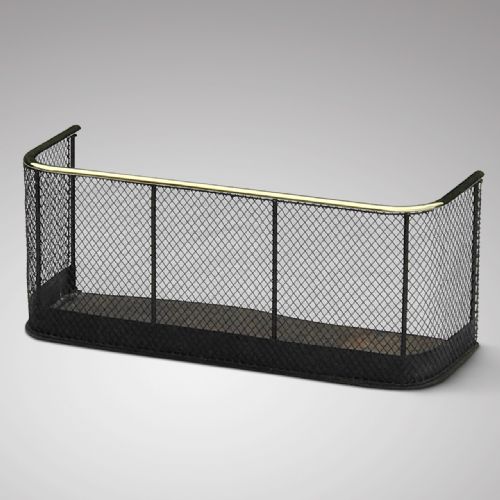
A victorian nursery fender guard forms a protective enclosure around an open fireplace to keep children safely away from flames and hot coals. You will most frequently encounter large brass-framed wire mesh variants from the nineteenth century on this page.
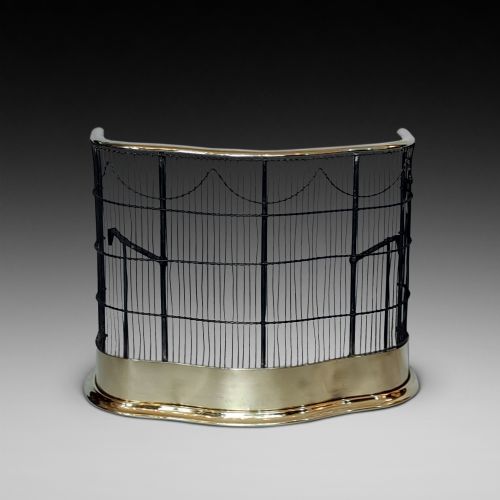
These pieces combine the low boundary of a hearth fender with the tall barrier of a fire guard. Many examples incorporate a brass top rail or clothes rail, while others feature bowed or serpentine shapes designed to project further into the room.
How They Were Made
Maker construction relies heavily on structural metals such as iron, steel, and wrought iron for the main frames and protective barriers. These robust frameworks provide the stability needed to withstand daily domestic use.
Fine wire mesh and woven iron wire attach directly to the metal frames to contain sparks while maintaining visibility of the fire. Polished brass tops and rims add decorative contrast to the darker iron and steel elements.
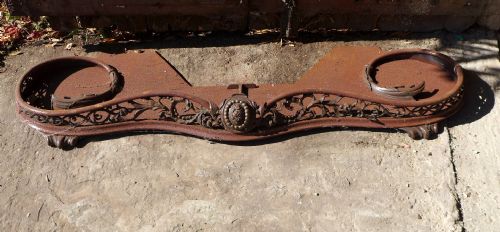
Materials recorded across these listings include brass, iron, wire mesh, wrought iron, steel, woven iron wire, steel wire, and cast iron.
What Varies in Quality
The distinction between standard guards and finer pieces rests in the weight of the metal and the precision of the wirework. Substantial brass framing and tightly woven mesh denote superior workshop output.
Proportion and scale also separate simpler utilitarian guards from grander examples. Exceptional pieces feature integrated clothes rails, shovel sets, or complex serpentine curves that demand advanced metalshaping skills.
The Victorian Nursery Fender Guard Glossary
- Wire Mesh
- A woven metal fabric stretched across the guard frame to stop sparks and embers. This material allows heat to circulate freely into the room while maintaining a physical barrier.
- Club Fender
- A low upholstered seat combined with a hearth fender, sometimes associated in period records with nursery guards. It provides fireside seating alongside the protective barrier.
- Serpentine
- A gentle undulating curve shaping the front of the fender guard. This contour projects outward from the fireplace in a continuous flowing line.
- Top Rail
- A prominent horizontal metal bar running along the upper edge of the guard. It is frequently finished in polished brass and occasionally functions as a clothes rail.
Victorian Nursery Fender Guard: Frequently Asked Questions
How do I use a nursery fender guard?
Place the guard directly onto the hearth or floor surrounding the fireplace opening to establish a safe perimeter. Ensure the dimensions match your hearth space so the barrier sits securely.
Keep the area immediately behind the mesh clear of obstructions to maintain proper airflow. The structure is designed to stand independently without permanent wall fixings.
What periods do these guards come from?
The majority of pieces date from the nineteenth century, encompassing the Victorian era and running into the Edwardian period. Stylistic touches often reflect Regency influences alongside standard Victorian design.
Dates typically span from the early nineteenth century through to nineteen hundred. Construction methods and materials align closely with these manufacturing periods.
How do I clean brass and iron parts?
Dust metal components regularly with a soft cloth to prevent surface grime accumulation. Use appropriate metal cleaners sparingly on brass top rails while protecting surrounding wire mesh.
Avoid harsh abrasives that can damage the underlying finish of iron frames. Gentle maintenance preserves the original patina of the nineteenth-century metalwork.
Were these guards only used in nurseries?
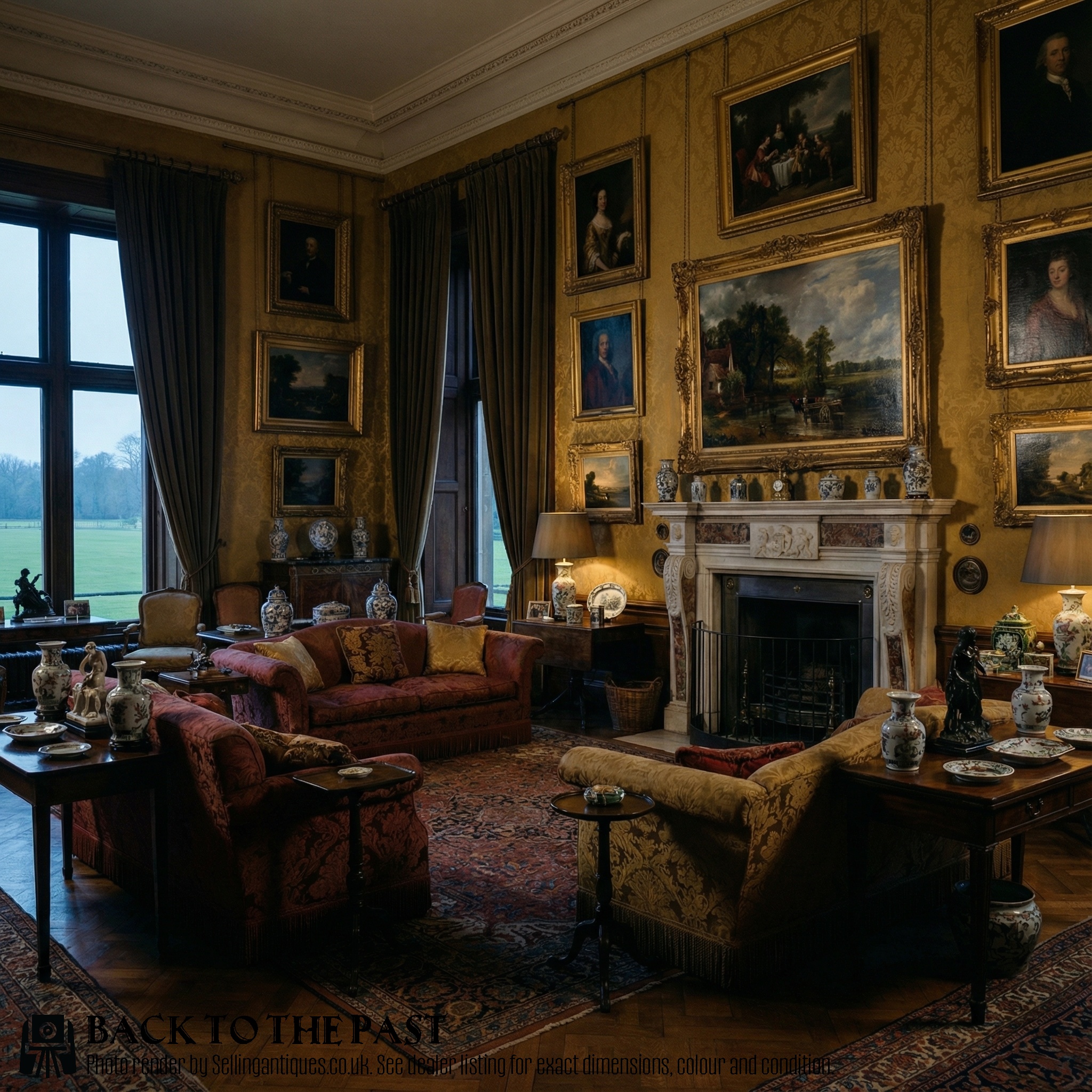
While the primary design purpose was protecting children in nursery rooms, similar guards were utilised throughout the main living spaces of nineteenth-century homes. The tall mesh barrier provided general hearth safety for any household.
Larger versions frequently served primary reception rooms where open coal fires presented domestic hazards. The inclusion of clothes rails also made them practical for drying garments.