




Nursery Fire Guard
A nursery fire guard is an essential domestic safeguard, keeping children safely distanced from open hearths while bringing period character to a room.
Nursery Fire Guard
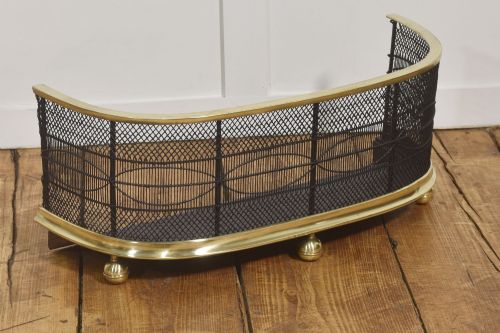
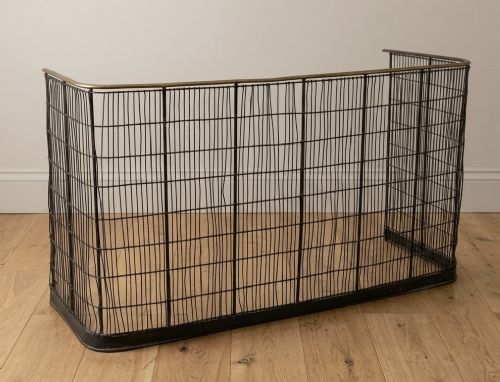
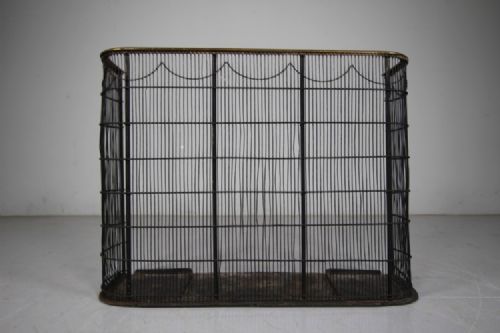
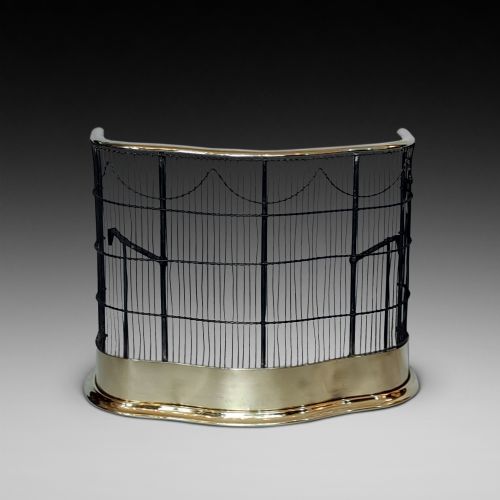
When searching for a nursery fire guard, you are looking at tall, protective barriers designed during the nineteenth and early twentieth centuries to encircle domestic hearths. These pieces stand considerably higher than standard domestic fire screens to prevent children from reaching open flames or hot grates.
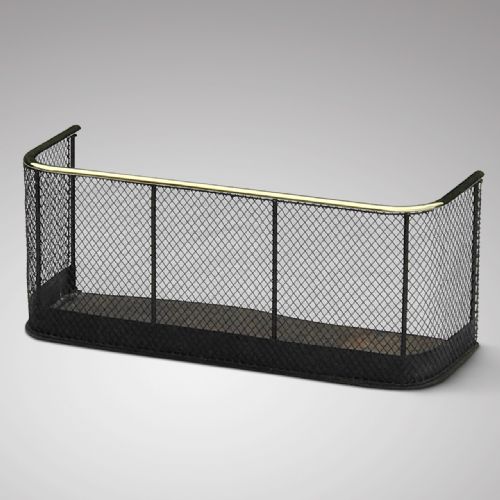
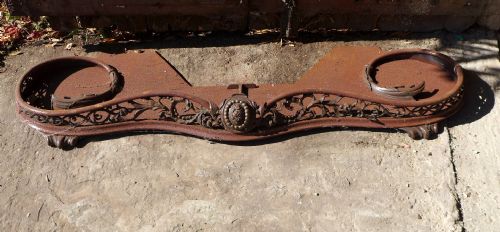
You are most likely to meet Victorian, Edwardian, and Regency examples on this page. These take the form of substantial guards and fenders, often combining a low base fender with an upright wire mesh enclosure.
Many of the items listed combine structural metal frames with fine mesh to maintain visibility of the fire while blocking stray sparks. They appear in curved, bowed, and serpentine shapes designed to fit standard hearth dimensions of their respective periods.
What varies in quality
The calibre of a nursery fire guard depends largely upon the substance of its metalwork and the neatness of its construction. Heavier gauge iron and steel frames paired with substantial brass top rails denote superior production compared to lighter, purely utilitarian versions.
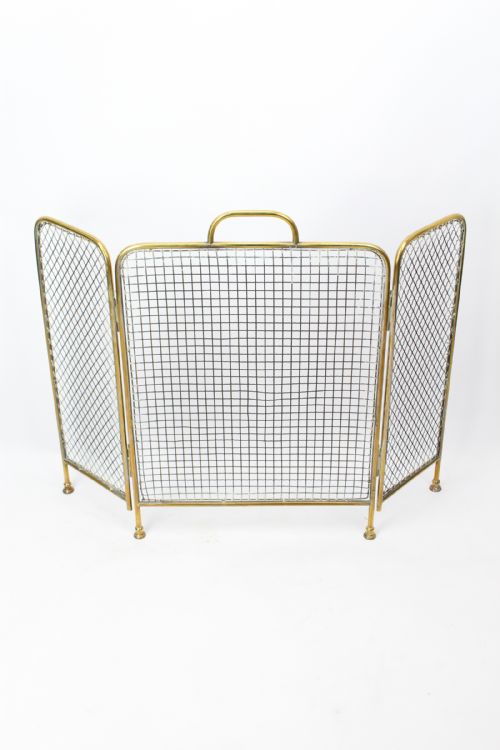
Execution of detail also separates pieces, visible in the tight, uniform weave of the wire mesh and the precision of curved or serpentine brass rims. Robust hinges on folding models and cleanly joined corners indicate a higher standard of original craftsmanship.
Nursery Fire Guard Retail Price Guide 2026
Typical asking prices for nursery fire guard among the pieces listed under this phrase on Sellingantiques today, from the lower quarter to the upper quarter. They describe what is for sale here now, not the wider market.
Listings span the nineteenth century, Victorian period, Regency era, and Edwardian period, utilising brass, iron, wire mesh, and steel.
The Nursery Fire Guard Glossary
- Wire Mesh
- A flexible web of metal wire fitted inside the frame to contain sparks and block access to the fire. It varies from fine iron wire to heavier steel varieties.
- Fender
- A low metal barrier placed on the floor around the hearth to contain ash and embers. In nursery contexts, it often serves as the supportive base for a taller guard.
- Serpentine
- A gentle undulating shape featuring a convex centre flanked by concave curves. This contour allows the guard to project gracefully into the room.
- Club Fender
- A low, upholstered-top hearth surround combined with metal framework. Some period examples double functionally as nursery fire guards.
Nursery Fire Guard: Frequently Asked Questions
What is a nursery fire guard?
A nursery fire guard is a tall, protective metal enclosure built in the nineteenth or early twentieth century. It was designed to keep young children at a safe distance from open coal fires.
These pieces combine a floor-level fender with a high wire mesh screen. Many feature polished brass top rails for aesthetic appeal alongside their safety function.
How do I date a nursery fire guard?
Dating relies on identifying period characteristics such as materials, construction techniques, and silhouette styles. Regency pieces often display clean lines, while Victorian and Edwardian examples frequently incorporate elaborate brass top rails and serpentine shapes.
Examining the type of wire mesh and the joining methods of the iron frame also helps determine whether a piece belongs to the early nineteenth century or the Edwardian era.
Are these guards suitable for modern fireplaces?
Yes, many people utilise antique nursery guards around modern hearths for both safety and period decorative value. Their generous proportions make them practical for blocking access while maintaining visibility of the flames.
Buyers should measure their hearth dimensions carefully to ensure the guard's bowed, curved, or serpentine footprint fits the space correctly.
What materials were used to make them?
Makers relied primarily on iron, wrought iron, and steel to build the rigid structural frames. These metals provided the necessary weight and durability for heavy domestic use.
Brass was frequently utilised for top rails, rims, and decorative accents, contrasting with the woven iron wire and wire mesh bodies.