

Vintage Fireplace Guard
A vintage fireplace guard brings practical hearth safety together with distinct period metalwork, offering functional charm to any traditional room.
Vintage Fireplace Guard
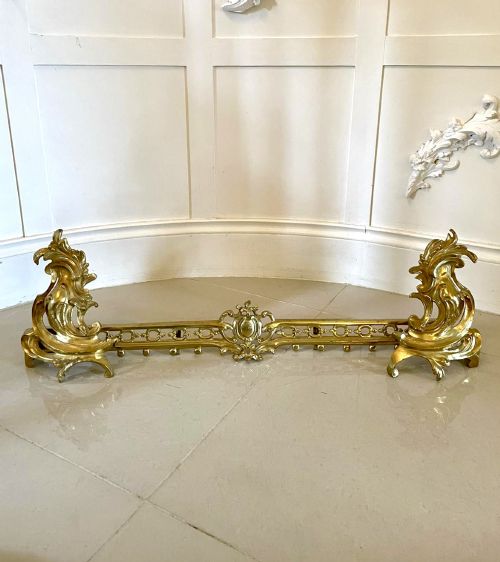
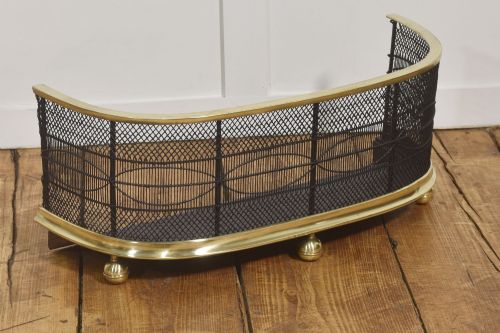
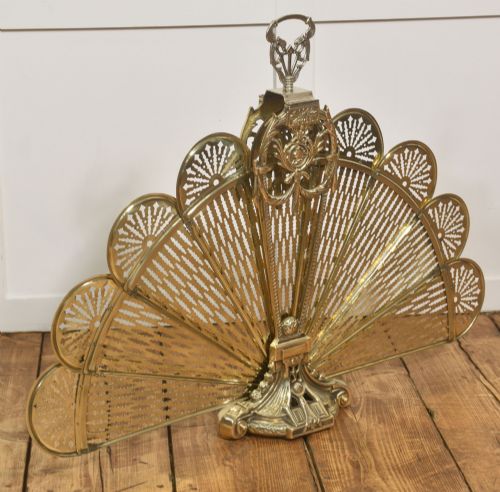
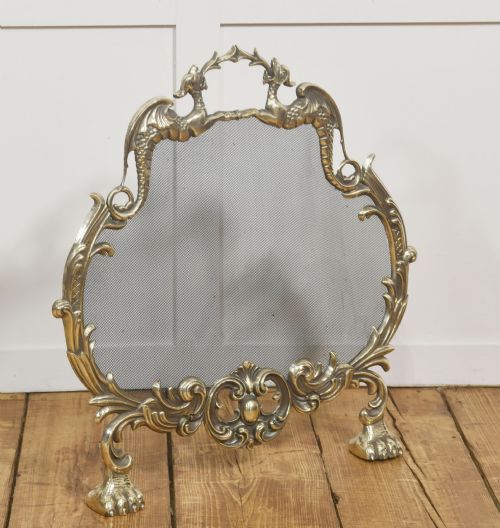
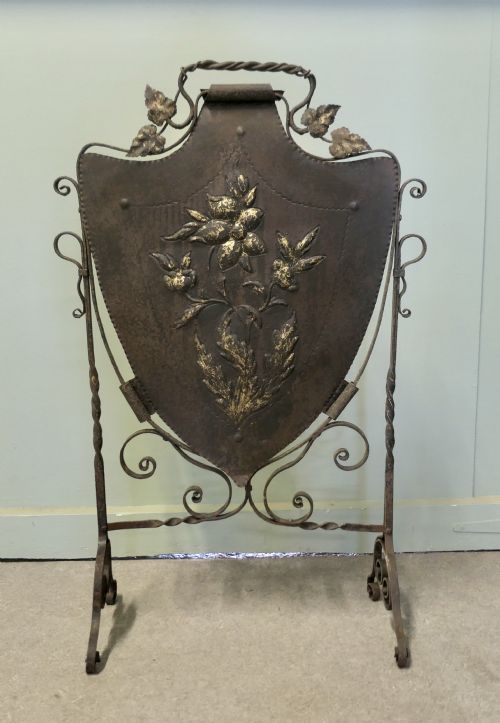
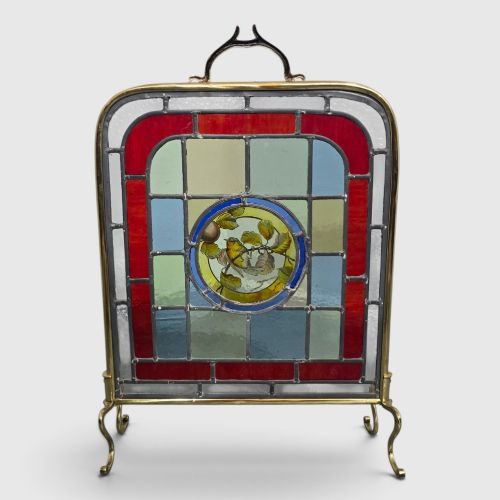
When you search for a vintage fireplace guard, you encounter a practical barrier designed to contain sparks and ash while framing the hearth. The selections span fire screens, folding peacock designs, and protective nursery guards meant for domestic safety.
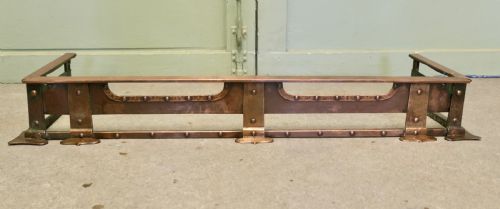
Most pieces date from the nineteenth century into the early twentieth century, encompassing Victorian, Edwardian, and Art Deco examples. These objects range from low metal fenders to tall upright screens placed before active fires.
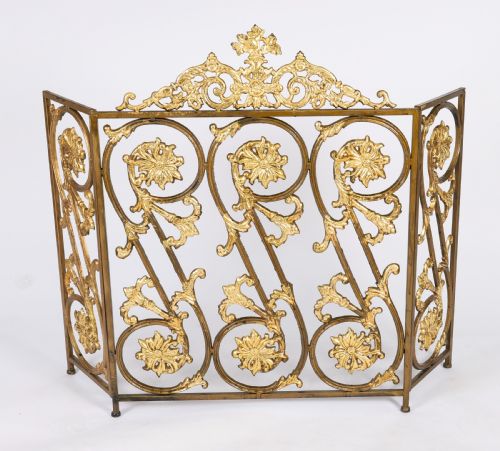
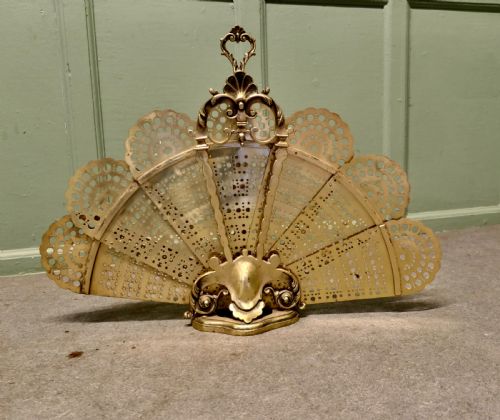
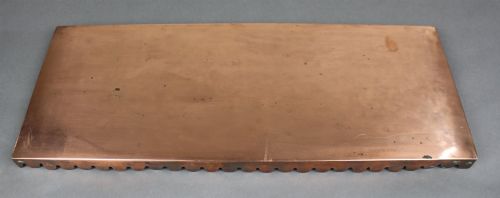
Forms vary from simple wire mesh and iron frames to ornate French revival pieces with folding panels. The most frequent finds combine brass frames with mesh, folding fan segments, or solid metal plates.
Materials and construction
Constructors relied heavily on brass, copper, iron, and steel to build sturdy frames capable of withstanding hearth heat. Wire mesh and perforated metal plates formed the primary barriers, letting warmth radiate while stopping flying embers.
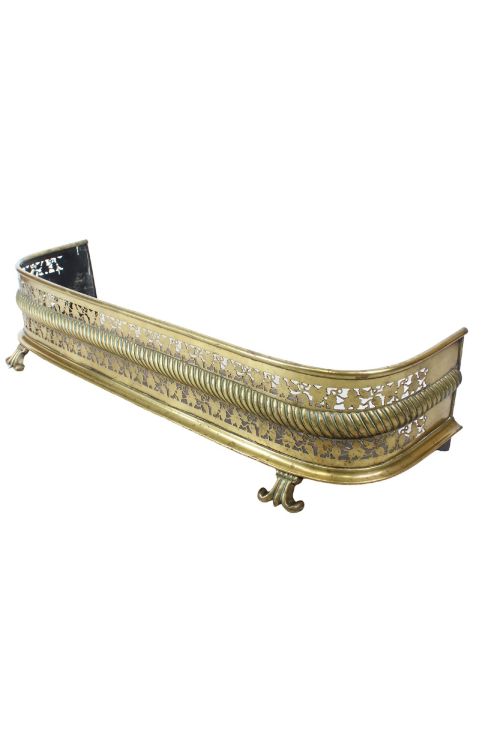
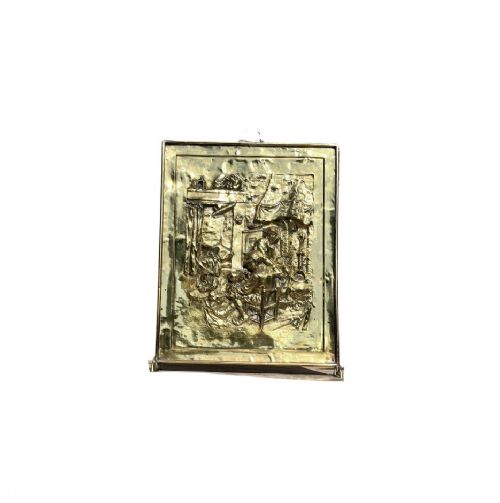
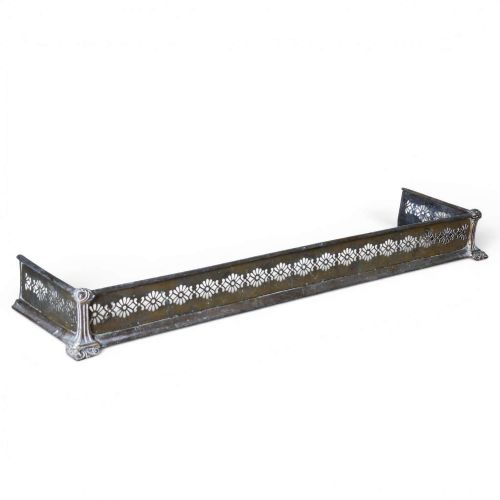
Decorative elements involved piercing, embossing, chasing, and riveting. Artisans applied gilt finishes, patinated surfaces, and leather upholstery to club fenders, joining metal components with traditional fixings.
Current listings feature nineteenth-century brass, copper, iron, and wire mesh guards reflecting Victorian, Edwardian, and Art Deco tastes.
Assessing quality and manufacture
Quality shows in the weight of the metal and the precision of the piercing or chasing. Heavier gauges of brass, copper, and cast iron indicate sturdier construction and better material retention over decades of use.
Detailing on decorative mounts, such as coats of arms, flower patera, and riveted joints, separates standard utility items from finely finished pieces. The integrity of folding hinges and mesh screens also dictates the overall craftsmanship level.
The Vintage Fireplace Guard Glossary
- Fire fender
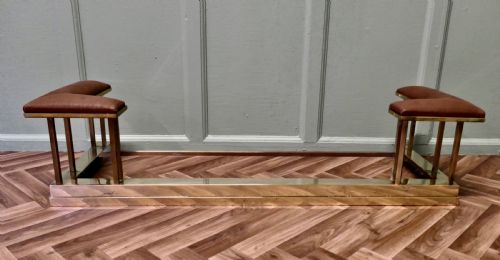
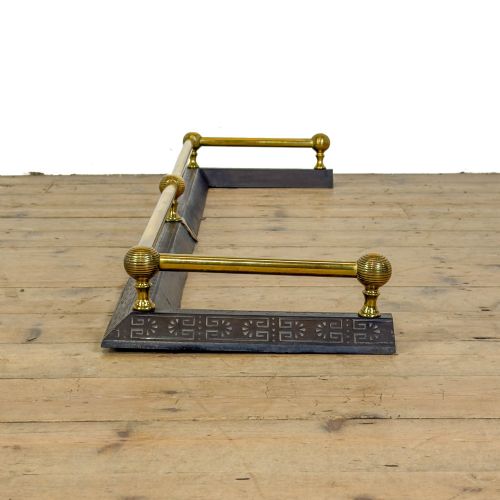
- A low metal barrier placed on the floor around the hearth to keep logs and embers contained. These items often include upholstered seats in club configurations.
- Fire screen
- An upright panel placed in front of the fireplace opening when the fire is unlit. They frequently feature folding sections or fan shapes.
- Spark guard
- A protective wirework or mesh screen designed to catch flying embers during active burning. These are typically functional and collapsible.
- Pierced brass
- Metalwork decorated by cutting or punching patterns through the sheet. This technique allows heat passage while creating ornamental shadow and light.
Vintage Fireplace Guard: Frequently Asked Questions
What is a club fender?
A club fender is a low hearth surround featuring padded leather seats on either side. It provided a warm, elevated seating area close to the fire in traditional sitting rooms.
These pieces combine functional metal frames with upholstered top rails, serving as both protective barriers and informal benches.
How do I choose the right size?
Measure the width and depth of your hearth opening before selecting a guard or fender. Ensure the piece sits securely on the floor and covers the fireplace span adequately.
Folding screens and extendable fenders offer flexibility if your hearth dimensions fall between standard measurements.
Are peacock fan screens functional?
Peacock fan screens use folding metal blades that fan out to cover the fireplace opening completely. They were primarily deployed during warmer months when the fireplace was unlit.
The overlapping brass or copper blades fold inward for compact storage when the hearth is in daily use.
How do I clean brass and copper?
Dust metal surfaces regularly with a soft dry cloth to prevent soot buildup. Avoid harsh chemical polishes that strip historical patination.
Gentle cleaning preserves the aged surface tones characteristic of nineteenth and early twentieth-century metalwork.